Best Frontside Skis of 2026
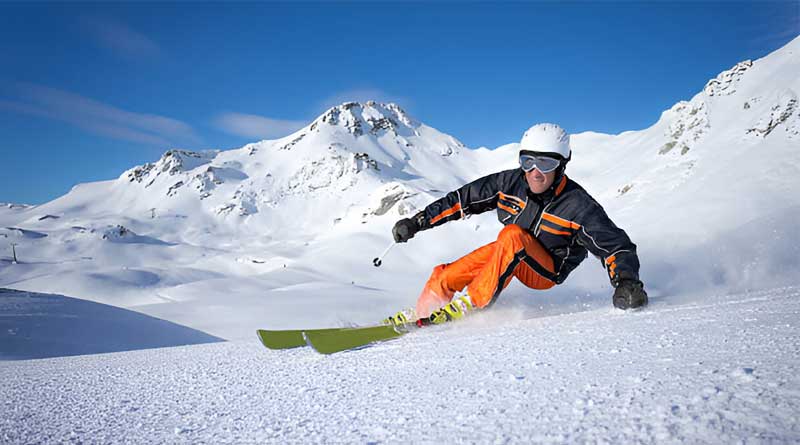
Frontside skiing is all about carving smooth turns on groomed runs and enjoying the firm, prepared snow at the resort. To make the most of it, you need skis designed for speed, precision, and control on hardpack. The right pair of frontside skis will give you great edge grip, stability, and confidence, whether you’re linking quick turns or cruising fast down wide slopes. Unlike wider all-mountain skis, frontside models focus on performance where it matters most—on-piste. In this guide, we’ll highlight the best frontside skis available, helping you choose the perfect pair to match your style and make every run more fun.
1. Rossignol Arcade 88
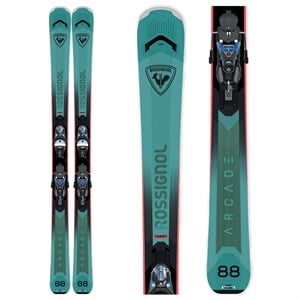
- Terrain: Carving, All-Mountain
- Ability Level: Intermediate-Advanced
- Rocker Type: Rocker-Camber
- Turning Radius: Short
The Rossignol Arcade 88 is a powerhouse carving machine that bridges the gap between frontside precision and all-mountain versatility. Featuring an Oversize Sidecut and Line Control Technology, these skis provide immense torsional stiffness and edge grip. The Poplar wood core is complemented by an Air Tip design, which significantly reduces swing weight to keep the skis feeling nimble and playful despite their powerful construction.
Designed for those who enjoy high-speed arcs but occasionally venture off the beaten path, the Arcade 88 remains accessible without being overly punishing. The inclusion of SPX 12 GW bindings makes this a ready-to-go package for skiers looking to dominate the groomers. It is an excellent choice for experts who want a reliable daily driver or intermediates looking to level up their carving game with a stable, high-performance platform.
Pros: High carving precision, reduced swing weight, included bindings.
Cons: Short turning radius may feel twitchy at extreme speeds, not ideal for deep powder.
2. Blizzard Anomaly 88
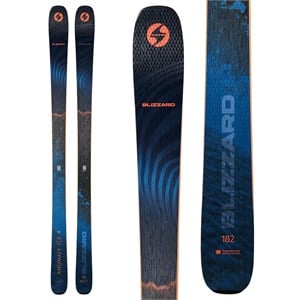
- Core: TrueBlend All Mountain (Beech/Poplar)
- Laminates: Double Titanal Layer
- Turning Radius: Medium
- Tail Type: Partial Twin Tip
The Blizzard Anomaly 88 succeeds the legendary Brahma with a focus on refined manners and improved maneuverability. By utilizing the TrueBlend All Mountain core and a unique two-piece upper Titanal laminate, Blizzard has created a ski that remains 95% as stable as its predecessor while being far easier to handle at moderate speeds. The Rocker-Camber-Rocker profile allows for better flotation in light fluff compared to traditional frontside skis.
This ski excels in “sketched out” or tight terrain where quick pivots are necessary. The full-length ABS sidewalls ensure that energy transfer remains direct and precise during every turn. While it is built to crush firm snow, the added tip rocker provides a forgiveness that makes it a favorite among shop employees and advanced skiers who want a versatile tool for any day with less than three inches of fresh snow.
Pros: Exceptional stability, improved low-speed maneuverability, premium TrueBlend core.
Cons: Requires an aggressive pilot to fully unlock potential, bindings sold separately.
3. Völkl Mantra 88
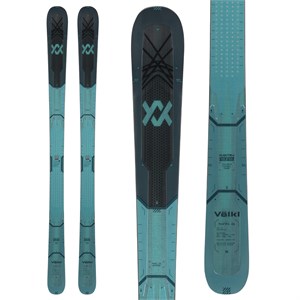
- Sidecut: 3D Radius Sidecut
- Laminates: Tailored Carbon Tips and Titanal Frame
- Base: P-Tex 2100 Sintered
- Ability Level: Intermediate-Advanced
Völkl has further refined the Mantra 88 by adjusting the carbon fiber orientation in the tips and fine-tuning the Tailored Titanal Frame. These subtle tweaks allow the ski to enter turns more smoothly while maintaining the legendary straight-line stability the Mantra series is known for. The 3D Radius Sidecut remains a standout feature, allowing the skier to switch between long, sweeping arcs and tight, snappy turns at will.
The multilayer wood core of beech and poplar provides a damp and durable ride that absorbs chatter on the iciest of slopes. Because the Titanal content is tailored to the length of the ski, every rider gets a level of stiffness appropriate for their size. This is a hard-charging, high-performance tool built for strong skiers who want uncompromising edge hold and power across the entire mountain.
Pros: Versatile turn shapes, incredible edge hold, size-specific stiffness.
Cons: Very stiff feel can be fatiguing, not beginner-friendly.
4. Atomic Maverick 88 CTI
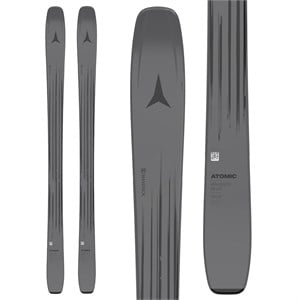
- Core: Power Woodcore (Ash/Poplar)
- Rocker Profile: 20% Tip / 65% Camber / 15% Tail
- Shape: HRZN 3D Maverick Tip
- Turning Radius: Short
The Atomic Maverick 88 CTI is a complete redesign focused on ruling the frontside with more “snap” than ever before. By fusing carbon fiber and Titanal around a high-quality Ash and Poplar wood core, Atomic has created a ski that feels energetic and alive. The HRZN 3D tip is reinforced with wood, providing a smoother entry into turns and added stability when charging through chopped-up snow or early morning groomers.
What sets the CTI apart is its improved slow-speed manners compared to the previous TI version, making it less of a chore in technical sections. The World Cup base finish ensures you have maximum glide right out of the box. Whether you are carving hard snow or enjoying a bit of overnight fluff, this ski offers a balanced, lively performance that caters to both experts and progressing intermediates.
Pros: Very lively and energetic, excellent base glide, improved low-speed handling.
Cons: Lighter weight may feel less damp in extremely heavy crud, short radius lacks long-arc stability.
See the Atomic Maverick 88 CTI
5. Armada Declivity 82 Ti
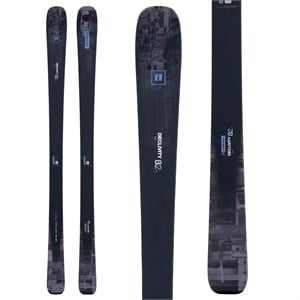
- Waist Width: 82mm
- Laminates: Articulated Titanal Banding (ATB)
- Flex Rating: 6 Tip / 8 Mid / 8 Tail
- Edges: 2.1 All-Mountain Heat Treated
The Armada Declivity 82 Ti is a frontside-focused fanatic built for those who prioritize high-speed carving on groomers. Despite Armada’s freestyle roots, this ski is all business, featuring a full layer of Titanal and a narrower waist for lightning-fast edge-to-edge transitions. The Articulated Titanal Banding uses an elastic compound layer that allows the ski to compress and release energy efficiently, launching you into your next turn.
Equipped with the AR100 sidewall for maximum grip on hardpack, the Declivity 82 Ti is designed to annihilate icy slopes. The EST All Mountain Rocker provides just enough forgiveness to keep the ski from feeling hooky, while the Comp Series base keeps your speed high. It is an ideal choice for the skier who spends the vast majority of their time on-piste but wants a ski that can handle high-speed vertical with ease.
Pros: Rapid edge transitions, high energy return out of turns, durable heat-treated edges.
Cons: Narrow waist limits off-piste capability, less flotation in soft snow.
See the Armada Declivity 82 Ti
6. Nordica Enforcer 89
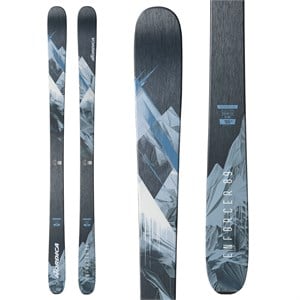
- Core: Energy 2 Ti Pulse Core
- Laminates: Two Sheets of Titanal
- Technology: True Tip (Reduced ABS Plastic)
- Tail Type: Flat
The Nordica Enforcer 89 is a refined version of one of the most popular all-mountain skis in history. By utilizing the Energy 2 Pulse Ti Core—which sandwiches an elastomer layer between wood and metal—Nordica has achieved a silky smooth ride that virtually eliminates chatter. The addition of the True Tip technology reduces swing weight by extending the wood core and removing heavy plastic, making the ski feel much more nimble than previous iterations.
This ski is a confident partner for those who like to rally around the mountain regardless of the conditions. It scoffs at ice and hardpack, providing a level of confidence that encourages higher speeds. While it remains rock-solid on edge, the Enforcer 89 is noticeably easier to maneuver in tight spots than its wider siblings, making it a perfect daily driver for frontside-oriented all-mountain skiers.
Pros: Extremely damp and smooth, confidence-inspiring at speed, reduced tip weight.
Cons: Heavier than some carbon-based competitors, flat tail is less forgiving in bumps.
7. Elan Wingman 86 Black Edition
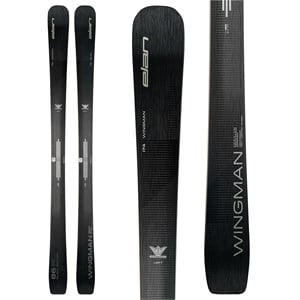
- Shape: Amphibio Profile (Left/Right Specific)
- Core: TubeLite Wood Core with Carbon Rods
- Ability Level: Advanced-Expert
- Laminates: Mono Ti and UD Carbon
The Elan Wingman 86 Black Edition represents the pinnacle of Elan’s frontside technology, blending high-octane performance with sophisticated design. The unique Amphibio profile utilizes a cambered inside edge for grip and a rockered outside edge for easy turn entry, necessitating dedicated left and right skis. Inside, the TubeLite Wood Core features hollow carbon tubes that run the length of the ski, providing incredible torsional stability and rebound.
This “Black Edition” is reinforced with both Mono Ti and unidirectional carbon fiber, making it stiffer and more responsive than the standard Wingman models. It is built for the expert skier who demands precision and authority on the groomers but wants a ski that feels refined rather than clunky. The Power Line technology ensures that power is transmitted directly to the inside edge, allowing for bold, aggressive carving in all conditions.
Pros: Unique asymmetrical tech, incredible rebound, very lightweight for its power.
Cons: Dedicated left/right skis can be confusing, strictly for advanced riders.
See the Elan Wingman 86 Black Edition
How to Choose Frontside Skis?
Choosing the right pair of skis can feel overwhelming, but if you’re a skier who loves groomed runs and carving turns, your search becomes much more focused. Frontside skis, also known as carving skis or piste skis, are designed specifically for performance on groomed terrain. They are your go-to choice for a day of high-speed arcs and precise turns. This guide will walk you through everything you need to know to select the perfect pair of frontside skis for your ability level and style.
Understanding Frontside Skis
Frontside skis are built with a few key characteristics that distinguish them from their all-mountain or freeride counterparts. They are typically narrower underfoot, have a more aggressive sidecut, and often feature a significant amount of camber. These design elements work together to create a ski that excels at gripping hardpack, initiating turns easily, and providing stability at speed.
Key Characteristics
- Waist Width: This is the measurement of the ski at its narrowest point, under the binding. Frontside skis generally have a waist width between 65mm and 85mm. A narrower waist allows for quicker edge-to-edge transitions and better performance on firm snow.
- Sidecut and Turning Radius: Sidecut refers to the ski’s hourglass shape. A deeper sidecut results in a shorter turning radius, meaning the ski is designed to make tighter, quicker turns. Frontside skis often have a short to medium turning radius, typically ranging from 12 to 18 meters. This is what gives them that “carvy” feel.
- Camber and Rocker: The majority of frontside skis feature a traditional camber profile, where the middle of the ski bows up when it’s on a flat surface. This provides powerful edge contact and a spring-like energy that is great for carving. Some modern frontside skis may have a small amount of tip rocker, which helps with easier turn initiation without sacrificing too much edge grip.
Matching Skis to Your Ability Level
Your skiing ability is the most important factor in choosing the right frontside ski. A ski that’s too advanced can be demanding and unforgiving, while one that’s too beginner-friendly might not provide the performance you need as you progress.
Beginner to Intermediate Skiers
If you’re still working on linking turns and building confidence, look for skis that are forgiving and easy to control.
- Flex: Softer flex skis are easier to turn and require less effort to engage the edge.
- Waist Width: A waist width in the 75-85mm range offers a good balance of carving performance and stability. It’s wide enough to feel stable but still narrow enough for easy turns.
- Rocker: Skis with a slight tip rocker can make turn initiation feel more intuitive and less “catchy” on the snow.
- Construction: Look for skis with composite or foam cores. These materials are lightweight and make the skis easier to maneuver.
Intermediate to Advanced Skiers
You’re comfortable on groomed runs, can link carved turns, and are looking to increase speed and precision.
- Flex: Stiffer skis offer better power transmission and stability at higher speeds.
- Waist Width: A narrower waist (70-80mm) will provide quicker edge-to-edge transitions and a more precise feel.
- Sidecut: Consider a ski with a medium turning radius (14-18m) for versatility, allowing for both short, snappy turns and longer, faster arcs.
- Construction: Skis with a full wood core and one layer of metal (Titanal) will provide the stability and dampening needed to absorb vibrations at high speeds.
Advanced to Expert Skiers
You’re a strong, aggressive skier who prioritizes performance and wants a ski that can handle anything you throw at it on the frontside.
- Flex: Very stiff skis are ideal. They provide maximum power transmission and are built to handle extreme speeds and forces.
- Waist Width: A very narrow waist (65-75mm) will give you a race-like feel and unparalleled edge grip.
- Turning Radius: You can choose between a very short radius for quick slalom-style turns or a longer radius for GS (Giant Slalom) style carving.
- Construction: Look for skis with a full wood core and two layers of Titanal. This construction provides exceptional stability, dampening, and power. Carbon fiber is also often used to add stiffness without excessive weight.
Sizing Your Skis
Choosing the right length is crucial. A good starting point for frontside skis is to choose a length that falls somewhere between your chin and the top of your head.
- Shorter Skis: A shorter ski is easier to turn and more maneuverable. This is a good option for beginners, lighter skiers, or those who prefer to make shorter, quicker turns.
- Longer Skis: A longer ski provides more stability at high speeds and a larger effective edge, which is great for powerful, carved turns. This is a better choice for heavier or more aggressive skiers.
- Factors to Consider: Your weight, height, and aggression level all play a role. If you are a heavier or more aggressive skier, you should lean toward the longer end of the recommended range.
Putting It All Together
Once you’ve considered your ability level, preferred skiing style, and the technical specifications, it’s time to find your perfect match.
Go to a Demo Day
The best way to know if a ski is right for you is to try it. Many resorts and ski shops host demo days where you can test out a variety of skis. This allows you to feel the difference in turning radius, stiffness, and overall performance.
Talk to an Expert
Don’t hesitate to ask for advice. Ski shop employees and boot fitters are knowledgeable and can provide personalized recommendations based on your needs and goals.
Choosing frontside skis is about finding a tool that complements your style and helps you improve. By focusing on waist width, turning radius, construction, and your own ability level, you’ll be well on your way to a perfect day of carving on the slopes.