Best Downhill Ski Bindings of 2026
Choosing the best downhill ski bindings is just as important as picking the right boots or skis. Bindings connect you to your skis, giving you stability, safety, and control on every run. The right pair helps you stay secure while still releasing properly during a fall, which makes them a key part of your gear. With so many styles and features available, finding the perfect match can feel tricky. This guide will highlight the top downhill ski bindings to suit different skill levels and needs.
1. Marker Squire 11
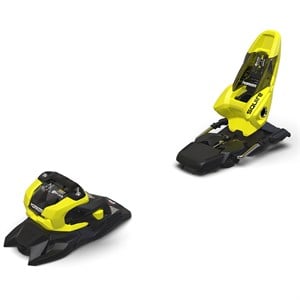
- DIN Range: 3-11
- Toe Piece: Triple Pivot Light 2 with Anti-Ice Rail
- Heel Piece: Hollow Linkage 2 for easy step-in
- Compatibility: Alpine DIN and GripWalk soles
The Marker Squire 11 is designed with intermediate skiers, lighter riders, and progressing all-mountain enthusiasts in mind. Its updated toe piece features an Anti-Ice Rail, a small but clever addition that lets skiers scrape snow and ice from their boot soles for a secure connection. The stainless steel AFD gliding plate ensures consistent release values, unaffected by dirt or packed snow, which is crucial for safety and smooth performance. Its compatibility with both alpine and GripWalk soles adds to its versatility for modern ski boots.
The redesigned Hollow Linkage 2 heel reduces step-in force by 30%. It makes it significantly easier to clip in, especially with GripWalk boots. This user-friendly design combines with a low 24mm stand height, giving skiers a better feel for the snow and improved energy transfer to the ski. With its accessible DIN range, it is ideal for recreational skiers seeking a binding that balances safety, comfort, and performance without the added weight of pro-level bindings. The Squire 11 offers excellent value and reliability for those progressing their skills.
Pros: Easy step-in, lightweight design, versatile boot compatibility, Anti-Ice Rail feature
Cons: Lower DIN range limits use for aggressive or heavier skiers
2. Marker Griffon 13 ID
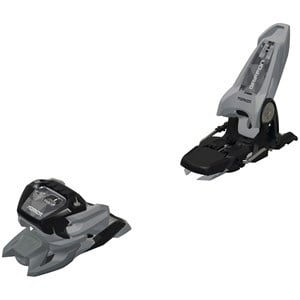
- DIN Range: 4-13
- Toe Piece: Triple Pivot Elite 3 with Anti-Ice Rail
- Heel Piece: Inter Pivot 3 with magnesium bracket
- Compatibility: Alpine, Touring, WTR, and GripWalk soles
The Marker Griffon 13 ID is a favorite among freeriders and aggressive all-mountain skiers thanks to its balance of safety and high performance. The redesigned Inter Pivot 3 heel enhances step-in ease and features a magnesium bracket for improved power transfer and shock absorption. Combined with the Triple Pivot Elite 3 toe piece, which offers precise retention and a 5° inclined sole plate to reduce unwanted releases, this binding delivers excellent reliability and control, even in variable snow conditions.
One of the key strengths of the Griffon 13 ID is its Sole.ID technology, which allows it to work with a wide range of boot soles, including alpine, touring, and GripWalk. This versatility makes it a great choice for skiers who switch between resort and backcountry setups. The Anti-Ice Rail adds convenience, ensuring quick, ice-free entry. With a DIN range of 4-13 and robust construction, the Griffon 13 ID is well suited to advanced skiers who want a dependable, high-performance binding that adapts to different skiing styles and boots.
Pros: Versatile boot compatibility, strong retention, improved step-in design, durable build
Cons: Slightly higher stand height may reduce snow feel for some skiers
3. Salomon Strive 14 GW
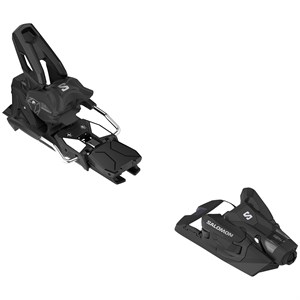
- DIN Range: 5-14
- Toe Piece: LDN Toe with low center of gravity
- Heel Piece: Locking Brakes for easy transport
- Compatibility: Alpine DIN and GripWalk soles
The Salomon Strive 14 GW is designed for skiers seeking a lightweight yet powerful binding with excellent responsiveness. Its LDN toe piece places the skier closer to the ski for a lower center of gravity. It provides enhanced snow feel and more precise control. The wide base improves energy transfer, ensuring efficient edge power in aggressive skiing. Despite its light weight, it uses reinforced metal in key areas to maintain durability and handle heavy impacts. The 45mm of elastic toe travel helps reduce pre-releases on rough terrain.
Convenience features add to the appeal of the Strive 14 GW. Automatic Toe Adaptation adjusts for boot sole height, maintaining consistent release values even as soles wear. Locking brakes allow skis to be clipped together for easier carrying without brake interference. With its blend of performance and ease of use, this binding is an excellent option for advanced and expert skiers who want a responsive, lightweight setup that doesn’t sacrifice durability or power transfer.
Pros: Low profile for great snow feel, lightweight but strong, smooth power transfer, locking brakes
Cons: Lacks turntable heel design preferred by some skiers
4. Look Pivot 12 GW
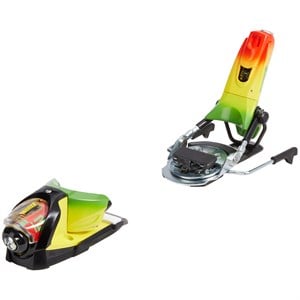
- DIN Range: 4-12
- Toe Piece: Full Action Toe with 45mm elasticity
- Heel Piece: Turntable Heel with 28mm vertical elasticity
- Compatibility: Alpine DIN and GripWalk soles
The Look Pivot 12 GW brings the signature design of the Pivot series to skiers who don’t need a high DIN range. The turntable heel, positioned directly under the tibia, provides unmatched shock absorption and significantly reduces the chance of injury during falls. With 28mm of vertical elasticity at the heel and 45mm at the toe, it minimizes pre-releases and ensures solid retention, making it ideal for skiers who want reliable performance without pushing into pro-level settings.
This binding also features a shorter mounting zone, reducing its effect on ski flex and allowing smoother carving and edge transitions. The reduced swing weight adds agility, especially in tighter terrain, while seven boot-to-binding contact points provide efficient power transfer for better control. For intermediate and advanced skiers seeking a safe, durable, and confidence-inspiring binding, the Pivot 12 GW offers top-tier performance with an accessible DIN range.
Pros: Great elasticity, shock absorption, reliable turntable heel, preserves ski flex
Cons: Slightly heavier and turntable design may not suit all skiers
5. Marker Jester 16 ID
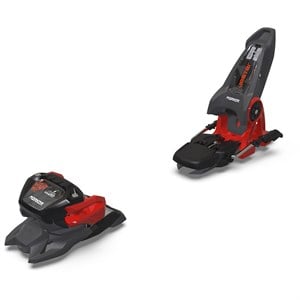
- DIN Range: 6-16
- Toe Piece: Triple Pivot Elite 3 with magnesium arms
- Heel Piece: Inter Pivot 3 with magnesium bracket
- Compatibility: Alpine DIN, GripWalk, and Touring soles
The Marker Jester 16 ID is built for expert freeriders and competitive skiers who need maximum performance and durability. With a DIN range up to 16, it’s made to withstand the extreme forces of high-speed skiing and big landings. The Triple Pivot Elite 3 toe with magnesium arms ensures powerful retention and precise energy transfer, while the Inter Pivot 3 heel enhances step-in ease and absorbs energy during aggressive skiing. Together, these features ensure secure connection and control at any speed.
Its Sole.ID technology makes the Jester compatible with nearly every adult ski boot sole standard, from alpine to touring. This versatility makes it a strong choice for multi-discipline skiers who don’t want to swap bindings. The Anti-Friction Device ensures reliable release even when snow or dirt builds up. While its weight and DIN range are overkill for casual skiers, the Jester 16 ID remains one of the most trusted bindings for those who push limits daily.
Pros: Extremely durable, high DIN range, versatile boot compatibility, strong retention
Cons: Heavy and unnecessary DIN range for casual skiers
6. Look Pivot 15 GW
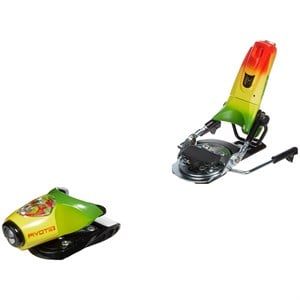
- DIN Range: 6-15
- Toe Piece: All-metal RACE toe with 45mm elasticity
- Heel Piece: Turntable Heel with 28mm vertical elasticity
- Compatibility: Alpine DIN and GripWalk soles
The Look Pivot 15 GW combines the rugged, all-metal durability of the Pivot 18 with a more practical DIN range, making it ideal for advanced and expert skiers. Its RACE toe piece delivers maximum precision, elasticity, and retention, while the 180° multi-directional release ensures safety by releasing independently from the heel when needed. This combination makes it one of the most secure and responsive bindings on the market, particularly for skiers pushing their limits on demanding terrain.
The signature turntable heel offers 28mm of vertical elasticity, providing superior shock absorption and reducing pre-release risk. The shorter mounting zone minimizes interference with ski flex, giving smoother response and natural turns. With seven boot-to-binding contact points, power transfer feels intuitive and precise. Though heavier and pricier than some alternatives, the Pivot 15 GW offers unmatched performance and reliability, making it a worthy investment for freeriders who need confidence in their gear.
Pros: All-metal construction, excellent elasticity, natural ski flex, strong energy transfer
Cons: Heavy and carries a premium price
7. Atomic Strive 14 GW
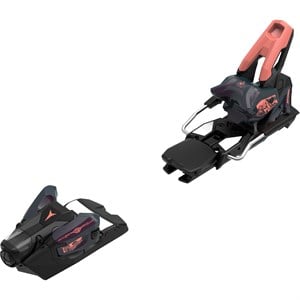
- DIN Range: 5-14
- Toe Piece: LDN Toe for low profile and direct feel
- Heel Piece: Locking Brakes for easy carry
- Compatibility: Alpine DIN and GripWalk soles
The Atomic Strive 14 GW is engineered for skiers who want a lightweight, precise binding that doesn’t compromise on strength. Its LDN toe piece places the skier closer to the ski, improving snow feel and giving a more responsive connection. The wide toe base improves power transfer to edges, creating efficient energy flow during carving. Reinforced with metal in key stress zones, the binding combines light weight with durability for skiers who ride hard in variable terrain.
Convenience features enhance everyday usability. Automatic Toe Adaptation ensures consistent release values even with worn soles, while the Locking Brakes make ski transport easier by holding skis securely together. With a DIN range of 5-14 and 45mm of elastic toe travel, it offers confidence against pre-release while providing excellent control. The Strive 14 GW is an excellent option for advanced skiers seeking direct response and lightweight performance across the mountain.
Pros: Lightweight yet strong, low profile for better snow feel, secure release, easy transport brakes
Cons: Not as durable as full-metal designs for extreme skiers
8. Marker Squire 11
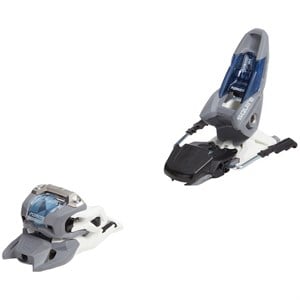
- DIN Range: 3-11
- Toe Piece: Triple Pivot Light 2 with Anti-Ice Rail
- Heel Piece: Hollow Linkage 2 for easier entry
- Compatibility: Alpine DIN and GripWalk soles
The Marker Squire 11 remains one of the most popular bindings for lighter and intermediate skiers. Its updated design focuses on ease of use, safety, and versatility. The Triple Pivot Light 2 toe piece is compatible with both alpine and GripWalk soles, while the Anti-Ice Rail adds convenience by letting skiers clear snow from boots before stepping in. A stainless steel AFD ensures reliable release performance, even with ice or dirt present, which makes it dependable for everyday skiing.
The Hollow Linkage 2 heel makes stepping in smoother, reducing force required by 30% compared to earlier designs. At 24mm stand height, the binding offers a low, connected feel to the snow and solid energy transfer. With a DIN range of 3-11, it is best suited for recreational skiers who want a lightweight and affordable binding without the added complexity of higher-end models. It’s an accessible, reliable option for progressing skiers looking for safety and comfort.
Pros: Easy step-in, anti-ice feature, versatile compatibility, affordable
Cons: Limited DIN range and lacks features of premium bindings
9. Look Pivot 14 GW
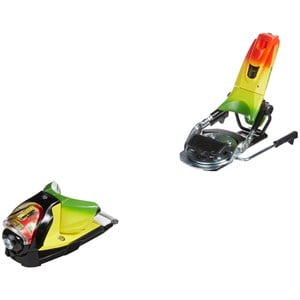
- DIN Range: 5-14
- Toe Piece: Full Action Toe with 45mm elasticity
- Heel Piece: Turntable Heel with 28mm vertical elasticity
- Compatibility: Alpine DIN and GripWalk soles
The Look Pivot 14 GW has earned legendary status among skiers who value precision, safety, and reliable performance. Its standout feature is the turntable heel, engineered to provide superior retention and unmatched shock absorption. With 28mm of vertical elasticity in the heel and 45mm of toe elasticity, it offers the highest elasticity on the market, reducing pre-releases and ensuring secure retention on rough terrain or during hard landings. The multi-directional release in the toe enhances safety by allowing independent release from multiple angles.
Another strength of the Pivot 14 GW is how it works with the natural flex of the ski. The shorter mounting pattern minimizes its impact on ski flex while reducing swing weight. It also gives the ski a lighter, more responsive feel. Seven points of boot-to-binding contact increase lateral energy transmission for sharper edge control. Though it comes with a higher price tag and may take some adjustment for new users, its durability, safety features, and excellent power transfer make it one of the most trusted bindings available for advanced skiers.
Pros: Outstanding elasticity, shock absorption, secure retention, and natural ski flex feel
Cons: Expensive and turntable heel may require adjustment for beginners
How to Choose Downhill Ski Bindings
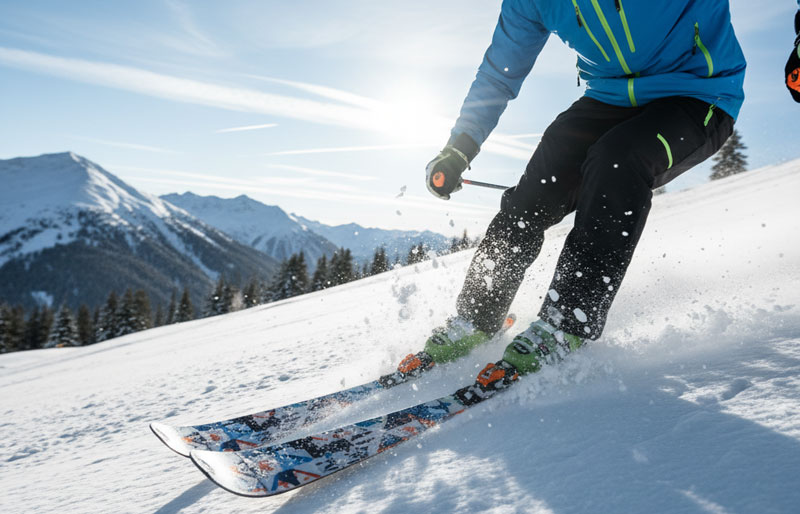
Choosing the right downhill ski bindings is a critical step in assembling a ski setup that’s safe, effective, and tailored to your skiing style. Bindings are the crucial link between your boots and your skis, and their primary function is twofold: to securely hold you on the ski while you’re riding and to release you from the ski when you fall. A well-chosen binding system ensures a predictable release, preventing potential injuries, and provides the necessary power transmission to control your skis. A poor choice can lead to unwanted releases (pre-release) or, more dangerously, a failure to release during a fall, which can result in serious leg injuries. This article will guide you through the key factors to consider, helping you make an informed decision.
Understanding the Basics
Before diving into the specifics, it’s important to understand the fundamental components and their roles. A typical downhill binding system consists of a toe piece and a heel piece. The toe piece holds the front of your boot, while the heel piece secures the back. The binding’s release mechanism is controlled by a setting known as the DIN (Deutsches Institut für Normung) setting. The DIN setting is a numerical value that determines the amount of force required for the binding to release your boot. It’s a calculation based on a combination of your weight, height, age, and skier type (ability and aggressiveness). A higher DIN setting means more force is needed to release, and a lower setting means less force. It’s crucial to have your bindings set to the correct DIN for your safety. An experienced ski technician can help you with this calculation and adjustment. 🎿
The bindings also play a role in power transmission. The stiffness and design of the binding plate or AFD (Anti-Friction Device) can affect how quickly and efficiently your movements are transferred to the ski’s edge. This is particularly important for advanced skiers who demand a high degree of control and responsiveness.
Key Factors to Consider
When selecting bindings, you should evaluate your personal characteristics and skiing habits. Here are the most important factors to consider:
Skier Type and Ability Level
This is arguably the most important factor. The type of skier you are will determine the type of binding you need. Beginners and intermediate skiers should prioritize safety and a predictable release. They typically require bindings with a lower maximum DIN range, as they don’t generate the same forces as advanced skiers. These bindings are often lighter and more forgiving. Advanced and expert skiers, on the other hand, need bindings that can withstand higher forces without pre-releasing. They will need a binding with a higher DIN range. Freeride and freestyle skiers, who perform jumps and land in varied conditions, require bindings that can handle significant impact and torsional forces while still releasing when necessary. These bindings are often more robust and durable.
Additionally, consider your terrain preferences. If you primarily ski groomed trails, a standard alpine binding is suitable. If you venture into the backcountry, a touring or “AT” (Alpine Touring) binding is necessary. These bindings have a walk mode for climbing and a lock mode for descending. Some hybrid bindings exist that offer a good blend of performance for both resort skiing and short backcountry tours.
Weight and Height
Your body weight and height are fundamental inputs for calculating your DIN setting. Heavier skiers and taller skiers generally need a higher DIN setting, which means they should look for bindings with a higher maximum DIN range. Manufacturers specify the recommended DIN range for each binding model. It’s important to choose a binding where your calculated DIN setting falls somewhere in the middle of the binding’s range, not at the very top or bottom. This provides a buffer for adjustments and ensures the binding is operating efficiently.
Ski Width and Brake Size
The brake on a ski binding is the mechanism that stops your ski from sliding away when it releases from your boot. The width of the brake arms must be wide enough to fit over the waist of your ski. A good rule of thumb is to choose a brake width that is equal to or slightly wider than your ski’s waist width (the narrowest part of the ski, underfoot). For example, if you have a ski with a 95mm waist, you should choose a binding with a brake width of 95mm to 100mm. A brake that is too narrow will not fit over the ski, and one that is too wide might drag on the snow or get caught during turns.
Boot Type Compatibility
Ski boots have different sole types, and not all bindings are compatible with all boots. The two main standards are ISO 5355 (Alpine) and ISO 9523 (Touring/GripWalk). Alpine soles are hard and flat. Touring and GripWalk soles have a rockered shape and rubberized tread for easier walking. Many modern bindings are “multi-norm” compatible, meaning they can be adjusted to work with both types of soles. However, it’s crucial to check the compatibility of the binding you’re considering with your specific boot model. Using an incompatible binding-boot combination can lead to a failure to release or pre-release, posing a significant safety risk.
Brand and Model Features
Different manufacturers offer various features and technologies. Some bindings, for example, have a “pivot” or “turntable” heel piece, which can offer more consistent release during a twisting fall. Others focus on lightweight designs for skiers who prioritize reduced weight for touring or freestyle skiing. High-end bindings often feature more metal components, which increases durability and provides better power transmission. Entry-level bindings typically use more plastic, making them lighter but potentially less durable. Consider what features are most important to you based on your budget and skiing goals.
Researching reputable brands like Marker, Look, Salomon, and Atomic is a great starting point. Each brand has its own strengths and loyal following. Reading reviews and talking to a ski technician can provide valuable insights into the performance and reliability of different models.
Final Steps
Once you’ve considered all the factors, the final step is to have your bindings mounted and adjusted by a professional ski technician. They will use specialized jigs and tools to accurately mount the bindings on your skis at the correct position and will set the DIN value precisely based on your information. Do not attempt to mount or adjust your bindings yourself unless you have the proper training and tools. This is a matter of safety, and a professional’s expertise is invaluable.
Choosing the right downhill ski bindings is a combination of understanding your personal needs and matching them to the technical specifications of the bindings. By carefully considering your ability, weight, boot type, and ski dimensions, you can find a binding that will keep you safe and enhance your skiing performance. Happy skiing! ⛷️