Best Ski Goggles Under $100 of 2026
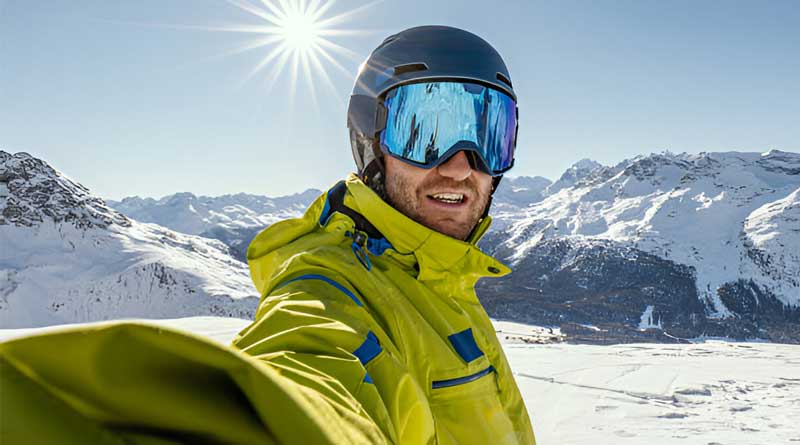
Finding a reliable pair of ski goggles does not have to mean spending a fortune. Plenty of budget-friendly options under $100 now offer anti-fog coatings, UV400 protection, and helmet-compatible straps that used to be reserved for premium models. Whether you are hitting the resort for the first time or need a dependable backup pair, this guide rounds up some of the best value ski goggles on the market and explains exactly what to look for before you buy.
1. OutdoorMaster OTG

- OTG Design: fits comfortably over prescription glasses
- Lens Technology: dual-layer anti-fog coated inner lens
- UV Protection: soft TPU frame with 100% UV400 lenses
- Strap: extra-long elastic strap for helmet compatibility
The OutdoorMaster OTG is a long-standing favorite among budget skiers because it delivers glasses-friendly comfort without sacrificing optical clarity. The dual-layer lens keeps fog at bay even during high-exertion runs, while the soft TPU frame stays flexible in cold temperatures.
Its extra-long strap makes it easy to pair with almost any helmet, and the included carrying pouch adds a nice touch of protection for storage and travel. For the price, it remains one of the most dependable all-rounders available.
Pros:
- Excellent fog resistance
- Comfortable OTG fit
- Affordable price point
Cons:
- Lens is not interchangeable
- Basic strap adjuster
2. EXP VISION Over-Glasses Ski Goggles

- Lens Shape: panoramic cylinder lens for wide visibility
- Anti-Fog System: top and bottom ventilation with coated lens
- UV Protection: full UV400 blocking against UVA and UVB rays
- Padding: replaceable, moisture-wicking foam lining
The EXP VISION goggles stand out thanks to their detachable sponge foam, which makes cleaning and freshening the goggles far easier than most competitors. The panoramic lens design also reduces visual interference, giving skiers a wider, clearer field of view on the slopes.
Its lightweight frame is built for all-day wear, minimizing pressure and neck strain during long sessions. Combined with a helmet-friendly adjustable strap, this pair is a smart pick for anyone who wears glasses under their goggles.
Pros:
- Replaceable, washable foam
- Wide panoramic view
- Lightweight and comfortable
Cons:
- Frame feels less rugged
- Ventilation could be stronger
3. Snowalva Ski Goggles

- Lens Set: includes two UV400 anti-fog lenses
- Lens Change System: detachable magnetic lens swapping
- Fit: designed for both men and women
- Protection: anti-fog and UV400 coating on both lenses
Snowalva Ski Goggles bring a genuinely useful feature to the sub-$100 category: magnetic lens swapping. Instead of wrestling with clips, riders can quickly change lenses to match shifting light and weather conditions, which is especially handy on unpredictable mountain days.
With two included lenses, buyers get more versatility than most single-lens goggles in this price range. The anti-fog coating performs reliably, and the unisex design keeps sizing straightforward for most adult skiers and snowboarders.
Pros:
- Two lenses included
- Quick magnetic swaps
- Good value for the pair
Cons:
- Magnets can weaken over time
- Limited technical documentation
4. ZIONOR X Ski Goggles

- Lens View: panoramic design with anti-fog and UV treatment
- OTG Fit: fits glasses up to 5.5 in length x 1.65 in height
- Durability: EDT enhanced impact-resistant lens technology
- Frame: curved shape optimized for helmet compatibility
ZIONOR X goggles are built with a strong focus on durability, using the brand’s proprietary EDT technology to resist impacts better than typical polycarbonate lenses. This makes them a solid choice for riders who value ruggedness alongside affordability.
The panoramic lens offers a genuinely wide field of view, and the OTG-friendly frame accommodates most prescription glasses comfortably. Combined with a curved, helmet-optimized shape, these goggles stay secure even at higher speeds.
Pros:
- Impact-resistant lens
- Wide, clear field of view
- Reliable helmet fit
Cons:
- Only one lens included
- Strap padding is basic
5. 100% STRATA 2
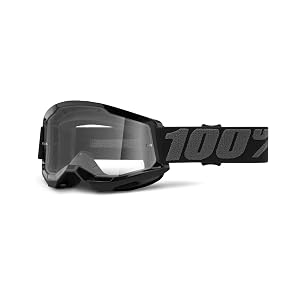
- Foam: ultra-thick double-layer face foam
- Lens: polycarbonate lens for clear vision
- Compatibility: supports triple post tear-offs
- Fit: improved seal with an increased field of view
The 100% STRATA 2 leans into comfort and seal quality, using a thick double-layer foam that manages sweat and moisture effectively during intense runs. This helps reduce fogging indirectly by keeping warm, damp air away from the lens surface.
Its polycarbonate lens provides dependable clarity, and support for triple post tear-offs makes it a practical option for riders who also enjoy fast-paced conditions where visibility can change quickly. It is a comfort-first pick in this lineup.
Pros:
- Superior sweat management
- Strong facial seal
- Tear-off compatible
Cons:
- No stated UV rating
- Fewer stated tech features
6. Juli Ski Goggles
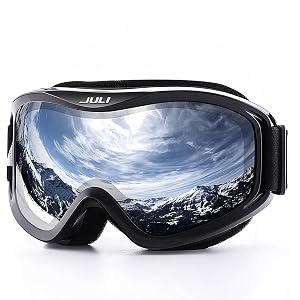
- Ventilation: advanced airflow system to reduce fogging
- Strap: extra-long, fully adjustable padded strap
- UV Protection: full UVA and UVB blocking lenses
- Versatility: multiple color and style options available
Juli Ski Goggles focus heavily on airflow, channeling fresh air in while pushing moisture out to maintain clear vision throughout the day. This ventilation-first approach makes them a good match for riders who tend to overheat during activity.
The padded, extra-long strap suits a wide range of head sizes and helmet types, making these goggles suitable for men, women, and youth alike. With several color options, they also work well beyond skiing, including snowmobiling and skating.
Pros:
- Strong ventilation design
- Wide range of color options
- Good for multiple winter sports
Cons:
- No mention of OTG sizing
- Lens durability untested long-term
7. OutdoorMaster Ski Goggles PRO

- Lens Shape: frameless spherical lens for unobstructed views
- Lens System: interchangeable with 20+ lens options available
- OTG Design: fits comfortably over prescription glasses
- UV Protection: anti-fog coating with 100% UV400 lenses
The OutdoorMaster Ski Goggles PRO step things up with a frameless spherical lens that delivers an unusually wide, unobstructed view for goggles in this price bracket. The interchangeable lens system is the real standout, letting riders adapt to changing light with ease.
With over twenty compatible lens options sold separately, this pair offers long-term flexibility that few budget goggles can match. Add in solid OTG support and reliable UV protection, and it becomes one of the more performance-oriented picks here.
Pros:
- Interchangeable lens system
- Wide frameless field of view
- Great long-term versatility
Cons:
- Extra lenses sold separately
- Slightly pricier at full setup
8. findway Ski Goggles OTG

- Ventilation: professional airflow system to reduce fogging
- Lens: double-layer anti-fog, anti-scratch revo mirror coating
- OTG Design: oversized fit for glasses underneath
- Strap: silicone-backed, non-slip jacquard extra-long strap
The findway Ski Goggles OTG combine a professional ventilation system with a double-layer anti-fog lens, resulting in consistently clear vision even during demanding runs. The frameless spherical lens also contributes to a wider, more immersive field of view.
Its oversized OTG design comfortably accommodates glasses, while the silicone-backed strap grips helmets securely without slipping. Backed by a one-year guarantee, it is a well-rounded option for riders who want dependable performance without a high price tag.
Pros:
- Strong anti-fog performance
- Secure, non-slip strap
- Backed by a one-year guarantee
Cons:
- Not recommended for kids under 12
- Mirror coating may scratch with heavy use
How to Choose the Best Ski Goggles Under $100
Picking the right pair of ski goggles is about more than just finding an affordable price tag. Even within a sub-$100 budget, there is a wide range of quality, features, and comfort levels across different brands and models. Understanding what actually matters on the mountain will help you avoid wasting money on goggles that fog up, fit poorly, or fail to protect your eyes properly. Below is a detailed breakdown of the key factors to consider before making a purchase.
Lens Technology and Anti-Fog Performance
Fogging is one of the most common complaints skiers have about budget goggles, and it is also one of the easiest problems to avoid if you know what to look for. Most reliable goggles under $100 use a dual-layer lens design, where an inner anti-fog coated lens is paired with an outer lens to trap air and reduce condensation buildup.
What to Look For
- Dual-layer lens construction rather than a single pane of plastic
- Anti-fog coating specifically mentioned on the inner lens
- Ventilation holes or channels along the top and bottom of the frame
Ventilation works hand in hand with anti-fog coatings. Goggles that combine both tend to perform far better during high-exertion activities like moguls or backcountry touring, where body heat and breath can quickly cloud a poorly ventilated lens.
UV Protection
Snow reflects a significant amount of ultraviolet light, which means your eyes are exposed to more UV radiation on the slopes than on a typical sunny day at the beach. Prolonged exposure without proper protection can lead to eye strain, headaches, and in severe cases, a painful condition known as snow blindness.
Always confirm that a pair of goggles offers 100% UV400 protection. This specification blocks both UVA and UVB rays and should be considered non-negotiable, regardless of price point. Fortunately, nearly all goggles in the under $100 category, including every model reviewed above, include this baseline protection.
OTG Compatibility for Glasses Wearers
If you wear prescription glasses, an Over-The-Glasses (OTG) design is essential. OTG goggles feature a deeper frame and recessed padding channels that allow your glasses to sit comfortably underneath the goggles without pressing uncomfortably into your face.
Key OTG Considerations
| Feature | Why It Matters |
|---|---|
| Frame depth | Determines how much room is available for glasses |
| Foam channels | Prevents glasses arms from digging into your temples |
| Maximum glasses size | Some brands list exact dimensions supported |
If you do not wear glasses, OTG goggles can still work well, but a standard non-OTG design may offer a slightly closer, more streamlined fit.
Helmet Compatibility
Most skiers and snowboarders wear helmets, so goggle and helmet compatibility should always be checked before buying. A mismatch between the two can leave an uncomfortable gap on your forehead, letting in cold air and wind.
Signs of Good Helmet Compatibility
- An extra-long, fully adjustable strap
- A curved frame shape designed to match helmet contours
- Silicone grip lining on the inside of the strap to prevent slipping
Trying on your helmet and goggles together, or checking reviews from buyers with the same helmet brand, can help confirm a good match before you hit the slopes.
Lens Type: Fixed vs Interchangeable
Lens tint and light transmission play a major role in visibility across different weather conditions. A darker lens works well on bright, sunny days, while a lighter or rose-tinted lens performs better in flat light or overcast conditions.
Fixed Lens Goggles
Fixed lens goggles come with a single lens permanently installed. They are simpler, generally more affordable, and require no extra parts, making them a solid choice for skiers who mostly ride in consistent conditions.
Interchangeable Lens Goggles
Interchangeable systems let you swap lenses to match changing weather or lighting. While the initial investment may be similar, additional lenses are usually sold separately. This option suits skiers who frequently encounter variable mountain conditions throughout the day.
Frame Material and Comfort
Look for a soft, flexible frame material such as TPU, which stays pliable even in freezing temperatures rather than becoming stiff and brittle. Combined with a thick, moisture-wicking foam lining, a quality frame reduces pressure points and keeps cold air from seeping in around the edges.
- TPU frames offer flexibility and cold-weather durability
- Triple-layer foam improves both comfort and insulation
- Replaceable foam padding extends the usable life of the goggles
Field of View and Lens Shape
Lens shape directly affects how much of the surrounding terrain you can see. Spherical and frameless lenses tend to offer a wider, less obstructed field of view compared to flat or heavily framed lenses, which can be especially helpful when navigating trees, moguls, or crowded runs.
Durability and Impact Resistance
Since goggles are meant to protect your eyes, impact resistance matters just as much as clarity. Polycarbonate lenses are standard in this price range because they are lightweight yet shatter-resistant. Some brands add proprietary coatings or reinforced lens technology for extra durability against branch strikes or falls.
Putting It All Together
When comparing ski goggles under $100, prioritize anti-fog performance and UV400 protection first, since these directly affect both comfort and eye safety. From there, factor in whether you need OTG compatibility, confirm helmet fit, and decide whether a fixed or interchangeable lens system better matches how often you ski in varying conditions. Taking a few extra minutes to compare these details against your specific needs will help you find a pair that performs well beyond what its price tag suggests.