Best Sunglasses for Snowboarding of 2026
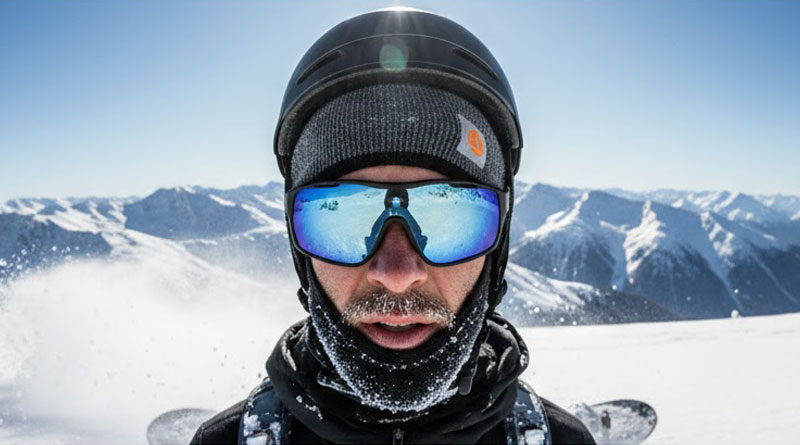
When you’re snowboarding, a good pair of sunglasses is just as important as your board or helmet. The bright sun reflecting off the snow can be blinding, and strong winds or flying snow can make it hard to see. The best snowboarding sunglasses protect your eyes from UV rays, reduce glare, and stay comfortable all day. In this guide, we’ll look at top sunglasses made for riders who want clear vision, great protection, and a secure fit on every slope and in every condition.
1. Smith Pursuit ChromaPop

- UV Protection: 100%
- Lens: ChromaPop Glacier PC Copper / ChromaPop Black
- Frame: Evolve bio-based, wide fit
- Features: Interchangeable lens + TPU side shields
Smith’s Pursuit ChromaPop is built for snowboarders who split their days between skin tracks, bootpacks and fast descents. The oversized, 5-base cylindrical shield gives goggle-like coverage with a sunglasses feel — great for those who want peripheral protection without a full goggle. The Glacier Photochromic option adapts across a broad light range, while ChromaPop’s contrast boost helps pick out texture in flat light and stormy conditions. The bio-based Evolve frame keeps weight down but feels sturdy enough for repeated use in the harsh backcountry.
Fit and details are thoughtful for snow: removable magnetic TPU side shields block stray light on bright slopes, adjustable Megol nosepads/temples keep the frames stable under a helmet, and the screwless hinge reduces failure risk when stowed in a pack. The kit includes a low-profile case, retainer strap, extra clear lens and accessory nose guard — useful extras for touring days. If you want sunglasses that behave like mini-goggles with easy lens swapping and strong contrast, the Pursuit is a compelling, well-specced option.
- Pros: Excellent contrast, adaptable photochromic option, goggle-level coverage, durable backcountry-friendly design.
- Cons: Not fully polarized, large fit may overwhelm smaller faces, premium price, limited colorways.
See the Smith Pursuit ChromaPop
2. ROCKBROS Polarized Sunglasses

- UV Protection: 100% UV400
- Lens: Polarized polycarbonate
- Frame: Durable polycarbonate, 25 g ultralight
- Fit: Curved lens, adjustable rubber ear & nose pads
The ROCKBROS polarized sunglasses deliver a simple, value-focused package for riders who want glare reduction and a wide field of view on snow days. The polarized polycarbonate lenses cut reflected glare from snow and ice, which reduces eye strain during long bluebird runs. The curved lens design and rubber nose/ear pads improve wind protection and secure fit, and the ultralight 25-gram frame makes them comfortable under a helmet or for active touring stashes.
These are straightforward sport sunglasses that prioritize function and affordability over premium optics. They lack high-end coatings and photochromic behavior, but the core features — UV400 blocking, polarization and adjustable grip points — make them a practical backup or starter pair for riders who want improved contrast without the expense. If you need a no-frills, lightweight polarized option for bright days and occasional tours, ROCKBROS covers the essentials reliably.
- Pros: Strong value, effective polarization, ultralight, secure adjustable fit.
- Cons: Basic optics vs premium brands, limited lens tech, not photochromic, build feels utilitarian.
See the ROCKBROS Polarized Sunglasses
3. Oakley Radar EV Path

- UV Protection: 100%
- Lens Options: Prizm Sapphire, Prizm Trail Torch, Prizm Black Polarized
- Frame: O Matter stress-resistant material
- Fit: Standard fit, 128 mm temple length
The Oakley Radar EV Path refines a classic sport silhouette with a taller lens that expands the upper field of view — helpful when scanning the slope ahead or checking for hazards while charging. Oakley’s Prizm lens tuning enhances contrast for snow textures and transitions; the polarized Black option offers superior glare control on bright, reflective days, while Trail Torch and Sapphire provide alternative light balances for mixed conditions. The O Matter frame balances resilience and lightness for full-day comfort under helmets.
Performance details such as Unobtainium nosepads and earsocks increase grip as you sweat, and the stable standard fit suits most faces without feeling restrictive. These are performance-focused shades aimed at athletes who want reliable optics, a broad visual range and secure stability during aggressive riding. They won’t replace a sealed goggle in storm conditions, but for visorless riding and high-output laps they offer class-leading optics and fit in the sunglass category.
- Pros: Excellent contrast tuning, extended vertical view, secure grip materials, durable frame.
- Cons: Not photochromic, polarized option adds cost, can be large for smaller faces, pricey compared to generic sport shades.
4. Gesruny Polarized Sport Glasses

- UV Protection: UV400, polarized
- Lens Options: Gray, mirrored, yellow night-vision
- Frame: Durable frame with soft silicone nose pads
- Bundle: 3 pairs + pouch, straps, cloth
Gesruny’s sport glasses come as a versatile, budget-minded kit for riders who want choices. With three lens options included — neutral gray for bright sun, mirrored for style and yellow for low-light visibility — this set covers a surprising range of slope conditions. Polarized lenses reduce glare from packed snow and sunlit ice, and soft silicone nose pads plus adjustable hinges help keep the glasses planted during active use. The package approach makes these a good travel or spare option for mixed conditions.
While the optics won’t match premium glass, the convenience of multiple lenses and accessories (straps, pouch, cleaning cloth) adds value for casual riders, instructors or anyone who wants a ready-to-go set without breaking the bank. They’re best treated as functional sport sunglasses for fair-weather days and quick missions; for long backcountry tours or variable alpine light you may eventually want a higher-end photochromic or ChromaPop-style lens.
- Pros: Versatile bundle, polarized glare reduction, multiple lens options, comfortable fit aids.
- Cons: Optical quality not premium, limited snow-specific coatings, fit may vary, not helmet-optimized.
See the Gesruny Polarized Sport Glasses
5. Maui Jim Onshore Polarized

- UV Protection: 100%
- Lens Material: SuperThin Glass (crisp optics)
- Frame: Nylon, larger frame with spring hinges
- Fit: Overall width 134 mm, lens 58 × 42 mm
Maui Jim’s Onshore brings the brand’s renowned polarized optics to a classic rectangular silhouette that works well on open slopes and sunlit alpine terrain. The SuperThin Glass lenses deliver very crisp, low-distortion vision and the PolarizedPlus technology reduces glare from snowfields and reflective surfaces — ideal for long days when eye fatigue matters. The larger frame and spring hinges are comfortable for wider faces and hold up well under an active lifestyle.
The Onshore is more lifestyle-oriented than a purpose-built mountain sunglass, but its excellent glass optics and secure saddle-style bridge make it a solid pick for riders who split time between resort decks, sunny descents and casual après. If you prize clarity and color fidelity over extreme wrap or interchangeable lenses, the Onshore’s premium glass and fit make it a refined, comfortable choice.
- Pros: Exceptional glass optics, strong polarization, comfortable larger fit, durable hinges.
- Cons: Heavier than polycarbonate options, less wrap for side protection, pricier glass, not photochromic.
See the Maui Jim Onshore Polarized
6. Maui Jim World Cup Polarized

- UV Protection: 100%
- Lens: SuperThin Glass, PolarizedPlus2
- Frame: Nylon, modified rectangle, wide fit
- Fit: Lens 64 × 40 mm, bridge 19 mm
The Maui Jim World Cup is designed for those who demand top-tier polarized glass performance on bright, reflective days. PolarizedPlus2 technology virtually eliminates glare and preserves color vibrancy, while SuperThin Glass keeps center thickness low for lighter weight and crisp clarity. The wide fit and larger lens area offer more coverage from peripheral glare, which is useful on sun-drenched slopes and open alpine bowls.
Construction includes waterproof and oil-resistant coatings that shed moisture and smudges — a practical touch for snowy, slushy conditions — plus anti-corrosive spring hinges and embedded rubber nose pads for comfort. The World Cup balances premium optical performance with a sporty, approachable frame; it’s ideal for riders who prioritize the best possible glare control and color fidelity in a sunglass form factor rather than a sealed goggle.
- Pros: Outstanding glare elimination, superb color and contrast, premium glass quality, protective wide fit.
- Cons: Higher price bracket, not photochromic, glass is more fragile than polycarbonate, heavier than ultralight sport frames.
See the Maui Jim World Cup Polarized
How to Choose Sunglasses for Snowboarding
Snowboarding presents a unique set of challenges for eye protection: bright sunlight reflected off snow, rapidly changing weather, wind, cold, and the need for comfortable integration with a helmet. While goggles are the go-to for many riders, sunglasses can be an excellent choice for sunny spring days, backcountry approaches, or riders who prefer a lighter feel. This article walks you through the key factors to consider when choosing sunglasses that will perform on the mountain.
Understand the Role of Sunglasses vs. Goggles
Sunglasses and goggles both protect your eyes from UV radiation, glare, and wind, but they serve different situations.
When sunglasses are appropriate
- Clear, sunny days with stable conditions.
- Lower-angle sun during spring and late-season riding.
- Hiking or skinning to the top of a run where ventilation and a lightweight option are preferred.
- When you want less bulk or easier transitions on and off the face.
When goggles are better
- Flat light, heavy snowfall, or stormy conditions — goggles with interchangeable lenses handle low contrast better.
- High-speed descents where wind protection and seal are critical.
- If you wear prescription lenses and need inserts or prescription goggle options.
Key Lens Properties to Consider
Visible Light Transmission (VLT)
VLT is the percentage of visible light that passes through the lens. For sunglasses on sunny mountain days, aim for a VLT between 8% and 20%. Lower VLT (darker lenses) reduces glare but is unsuitable for cloudy or low-light conditions. Remember: mountain light can be intense because of snow reflection, so darker lenses are often preferable on bright days.
UV Protection
Always choose sunglasses that block 100% of UVA and UVB rays. UV protection prevents short-term issues like snow blindness and long-term damage such as cataracts. Look for labels stating “UV400” or “100% UV protection.”
Lens Tint and Contrast
Different tints alter how you perceive contrast on the snow:
- Gray — true color perception, reduces overall brightness.
- Brown/amber — enhances contrast and terrain definition; a common choice for snow.
- Yellow/rose — boosts contrast in flat light but can be too bright on sunny days.
Mirror Coatings and Polarization
Mirror coatings reflect light and reduce glare; they are helpful on very bright days. Polarized lenses cut horizontal glare — great for flat surfaces like water and roads — but can sometimes reduce the subtle contrast you need to read icy patches on snow. Many riders like polarized lenses off the mountain but prefer non-polarized or mildly polarized lenses when they need to detect texture on the snow.
Photochromic Lenses
Photochromic lenses change tint with light exposure and can be convenient if you move between sun and shaded areas. Their performance can slow down in very cold temperatures, so check how the specific lens reacts in low temps before relying on them exclusively for alpine use.
Fit, Coverage, and Compatibility
Frame Shape and Coverage
Sunglasses for snowboarding should offer wide coverage to block peripheral light and wind. Look for wraparound frames or larger lenses that protect the sides of your eyes. Smaller fashion sunglasses often let wind and glare in from the top and sides, causing watering and distraction.
Helmet Compatibility
Test sunglasses with your helmet. The arms should not press uncomfortably against the temples or interfere with helmet straps. Slimmer temple arms often work best. If you plan to switch frequently between sunglasses and goggles, choose frames that are easy to remove and store while wearing a helmet.
Bridge Fit and Nose Pads
A secure fit prevents glasses from slipping when you move. Adjustable nose pads and rubberized temple tips improve grip. If you wear them over a balaclava or face mask, make sure the bridge doesn’t catch on fabric, which can dislodge the glasses.
Materials and Durability
Lens Materials
Common lens materials include polycarbonate, glass, and Trivex. Polycarbonate is lightweight and impact-resistant — a strong choice for action sports. Glass offers superior optical clarity but is heavier and can shatter. Trivex combines clarity and impact resistance but is usually pricier.
Frame Materials
Choose frames made from flexible, low-temperature-rated plastics or metal alloys that won’t become brittle in the cold. Look for spring hinges if you want a snug fit that tolerates twisting.
Anti-Fog and Ventilation
Fogging is less of an issue with sunglasses than goggles, but it still happens when you’re breathing hard or moving between temperature zones. Anti-fog coatings help but can wear off; ventilation in the frame and hydrophobic lens treatments offer additional protection. If you sweat heavily or layer up, pick sunglasses with passive vents or greater airflow.
Prescription Options and Inserts
If you need corrective lenses, check whether the sunglasses accept prescription lenses or clip-in inserts. Some brands offer custom prescription sport sunglasses. Another option is wearing soft contact lenses under non-prescription snow sunglasses — many riders prefer this for the widest field of view.
Care, Maintenance, and Practical Tips
- Carry a protective case to prevent scratches during transport.
- Use a microfiber cloth and lens cleaner designed for coated lenses to avoid damage.
- Bring a backup — a spare pair or goggle lens can save your day when weather changes.
- Try before you buy — wear them with your helmet and any face layers you normally use.
- Check warranty and replaceable parts — some quality brands offer lens replacement and long warranties.
Buying Advice and Budget
High-end lenses and durable frames cost more, but they often provide better optical clarity, scratch resistance, and longer-lasting coatings. If you ride frequently and in variable conditions, invest in a quality pair with the right lens options. For occasional sunny-day riders, an affordable, well-fitting polycarbonate lens with full UV protection will do the job.
Final Checklist Before You Ride
- Does the lens block 100% UV (UV400)?
- Is the VLT appropriate for the expected brightness?
- Do the sunglasses offer adequate peripheral coverage?
- Are they comfortable with your helmet and face layers?
- Are lenses impact-resistant and easy to replace or clean?
Choosing the right sunglasses for snowboarding comes down to matching lens technology, fit, and durability to the conditions you’ll face. On bright alpine days, a well-fitting sunglass with low VLT, strong UV protection, and good coverage can keep your vision sharp and your ride safe. Keep a backup or a set of goggles for variable conditions, and treat your lenses well — the mountain will reward you with clearer lines and a more enjoyable day on the board.