Best Sunglasses for Skiing of 2026
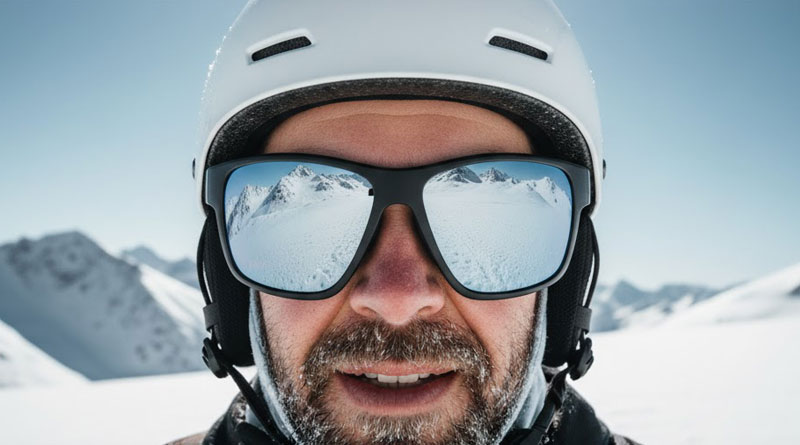
When you’re out on the slopes, a good pair of sunglasses is just as important as your helmet or jacket. The bright sun reflecting off the snow can be harsh on your eyes, and strong winds or flying snow can make things worse. The best sunglasses for skiing protect your eyes from UV rays, reduce glare, and stay secure during fast turns. In this guide, we’ll share the top ski sunglasses that combine comfort, durability, and clear vision for your mountain adventures.
1. Oakley Sutro

- Frame Type: Full Rim
- Lens Type: Not Polarized
- Style: Shield
- Dimensions: 0 / 137 / 140 mm
The Oakley Sutro brings a bold shield design that instantly stands out on the slopes. Its full rim construction keeps the lens firmly secured, while the wide coverage helps block wind and glare during fast descents. The shield shape is specifically flattering on oval to round face types, giving wearers a sportier, more angular look that suits alpine settings.
While it lacks polarization, the Sutro still performs well for casual skiing and everyday outdoor wear. It is lightweight and comfortable for extended use, though those skiing in extremely bright, snowy conditions may want added glare protection. Overall, it is a stylish, versatile pick for skiers who prioritize design as much as function.
Pros:
- Bold, sporty shield design
- Lightweight and comfortable fit
- Great for oval-round face shapes
Cons:
- Not polarized
- Limited technical ski-specific features
2. Julbo Camino Glacier

- Lens: Spectron 4, 5% light transmission
- Protection: 100% UVA/UVB/UVC
- Coating: Anti-reflective, flash mirrored
- Features: Removable side shields
Built for high-altitude adventures, the Julbo Camino Glacier is designed to handle intense glare from snow and ice. The Spectron 4 lens is one of the darkest available, blocking nearly all visible light while offering complete protection from harmful UV rays. Its anti-reflective coating enhances clarity, making it ideal for glacier travel and mountaineering as well as skiing.
The removable side shields add versatility, letting users adapt the glasses to changing weather conditions without sacrificing comfort. Backed by Julbo’s long heritage of craftsmanship and a lifetime warranty, this model is a dependable choice for serious winter athletes. It may feel too dark for cloudy days, but excels in bright alpine environments.
Pros:
- Extremely high UV and glare protection
- Removable side shields for adaptability
- Lifetime warranty backing
Cons:
- Too dark for low-light conditions
- Not polarized
3. Smith Venture ChromaPop

- Lens Material: Polycarbonate, Polarized
- Frame Material: Evolve bio-based
- Fit: Medium width, Standard bridge
- Lens Size: 53mm width, 48mm height
Designed for high alpine adventures, the Smith Venture ChromaPop sunglasses combine polarized lenses with removable side shields to fight off intense reflections from snow, rock, and ice. The ChromaPop technology enhances color and contrast, making it easier to read terrain during summit bids or fast snowy descents, giving skiers a clear performance edge.
Its bio-based Evolve frame material makes it a more sustainable choice without compromising durability. The medium fit and standard bridge accommodate a wide range of face shapes comfortably. This is a strong option for serious skiers and mountaineers who want full UV protection combined with reliable polarized clarity in demanding environments.
Pros:
- Polarized ChromaPop lens technology
- Removable side shields
- Eco-friendly bio-based frame
Cons:
- No photochromic adjustment
- Medium fit may not suit all faces
See the Smith Venture ChromaPop
4. goodr Astro G Polarized

- Lens Material: TAC, Polarized
- Frame Material: Copolyester
- Fit: Medium width, Adjustable bridge
- Overall Width: 142.5 millimeters
The goodr Astro G Polarized sunglasses are built with an active lifestyle in mind, featuring a secure shield frame that stays put during intense movement. Whether skiing, running, or working out, the adjustable bridge fit ensures a snug, no-slip feel. The TAC polarized lenses cut glare effectively while offering full UV protection for outdoor use.
Beyond performance, these sunglasses double as a stylish everyday accessory thanks to their sleek, modern shield design. The lightweight copolyester frame adds durability without extra bulk, making them comfortable for long days on the mountain. They’re a great budget-friendly option for skiers who also want versatility for other sports and casual wear.
Pros:
- No-slip adjustable fit
- Affordable and versatile
- Stylish shield design
Cons:
- No photochromic feature
- Less premium materials than competitors
See the goodr Astro G Polarized
5. Maui Jim Kanaio Coast

- Lens Material: SuperThin Glass, Polarized
- Frame Material: Nylon
- Fit: Medium width, Standard bridge
- Lens Tints: Blue Hawaii, HCL Bronze, Maui Green
The Maui Jim Kanaio Coast sunglasses offer a versatile wrap-style design suitable for both winter sports and casual outings. The SuperThin Glass lenses deliver exceptional optical clarity while remaining polarized for complete glare reduction, making them a reliable companion for skiing in bright, reflective conditions on the mountain.
With a durable nylon frame and multiple lens tint options, these sunglasses combine function with personal style. The standard bridge and medium fit provide balanced comfort for extended wear, while the wrap shape ensures better peripheral protection from snow and wind. They’re an excellent all-around choice for skiers wanting both performance and versatility.
Pros:
- Excellent optical clarity with glass lenses
- Multiple tint options available
- Versatile for skiing and casual wear
Cons:
- Glass lenses are heavier and more fragile
- No photochromic technology
6. Smith Pursuit ChromaPop

- UV protection: 100%
- Lens type: ChromaPop (Black / Glacier PC Copper)
- Frame material: Evolve bio-based
- Fit & size: Wide fit, 148×66 mm lens
The Smith Pursuit ChromaPop sunglasses marry the coverage of a goggle with the freedom of sunglasses, making them a superb choice for backcountry ascents and fast descents alike. The wide cylindrical shield provides extended peripheral protection while the ChromaPop lenses sharpen contrast so snowy contours and icy features read clearly. Glacier PC photochromic lenses adjust across a broad tint range, which is especially useful on long days when light can swing from flat overcast to bright sun. Removable magnetic TPU side shields block stray light without adding bulk, and Megol nosepads and temples keep the frames planted through sweat and movement.
Build and details feel purpose-driven: an evolve bio-based frame keeps weight down, AutoLock hinges and a screwless pack-friendly hinge reduce failure points, and included accessories — clear interchangeable lens, low-profile case, retainer strap — make this a backcountry-ready kit. The adjustable bridge and QuickFit temples let you dial in comfort under a helmet or with a beanie. If you want near-goggle coverage combined with sunglass ventilation and contrast-boosting optics, the Pursuit is a versatile, durable pick that performs from skin track to steep face.
Pros:
- Excellent contrast, photochromic option
- Rugged backcountry design
- Great peripheral coverage
Cons:
- Large fit may overwhelm smaller faces
- Non-polarized option for some tints
- Magnetic shields can collect snow
See the Smith Pursuit ChromaPop
7. ROCKBROS Polarized Sunglasses

- UV protection: 100% UV400
- Lens feature: Polarized for glare reduction
- Frame material: Polycarbonate, ultralight 25g
- Fit features: Rubber nose pads, adjustable ear pads
The ROCKBROS Polarized sunglasses deliver a lot of value in a light, sporty package aimed at riders and skiers on a budget. The polarized lenses cut reflected glare from packed snow and wet surfaces, which reduces eye fatigue and helps maintain consistent visual acuity during bright conditions. Their curved-lens design offers a broad field of view and decent wind protection for on-trail work or chairlift rides. At just about 25 grams the frame is unobtrusive under helmets and comfortable for long stints, while adjustable rubber ear pads and nose pads let you lock in a secure, slip-resistant fit when activity gets intense.
Construction is straightforward but practical: durable polycarbonate keeps weight down and resists impact, and the ergonomic pads keep the glasses from migrating during movement. They won’t match premium optics for edge-to-edge clarity or special coatings, but for skiers wanting polarized glare control, a wide view, and a snug fit without a big spend, these hit the essentials. Expect solid daily performance and good value; opt for higher-end choices only if you need top-tier coatings or prescription options.
Pros:
- Strong glare reduction,
- Secure fit
- excellent value
Cons:
- Basic coatings
- Not premium optical clarity
- Limited lens interchangeability
See the ROCKBROS Polarized Sunglasses
8. Oakley Radar EV Path

- UV protection: 100%
- Lens system: Prizm options (Sapphire, Trail Torch, Black Polarized)
- Frame material: O Matter stress-resistant nylon
- Grip: Unobtainium nosepads and earsocks
The Oakley Radar EV Path extends the field of view upward and gives athletes a clearer visual window when tracking terrain variations or reading trail features. Prizm lens tuning refines color and contrast to help snow texture and shadow detail pop, particularly useful when conditions are variable. The taller lens profile offers more coverage for high-angle sunlight and prevents glare from above, while the lightweight O Matter frame resists stress and offers comfortable all-day wear. Unobtainium nose and ear grips increase bite as you sweat, so the glasses stay put on sustained efforts.
Fit sits in the standard sport category: stable and performance-focused rather than fashion-forward. Polarized Prizm options cut reflective glare while other Prizm tints prioritize contrast in different light scenarios. If you need a reliable, high-performance sport frame that pairs with active alpine skiing or trail biking, the Radar EV Path is engineered for that purpose. Expect durable construction, excellent lens technology, and a secure fit; the trade-offs are a sport-specific fit that may not flatter all face shapes and a price that reflects Oakley’s tech pedigree.
Pros:
- Outstanding lens contrast tuning
- extended upper view
- Secure grip
Cons:
- Sporty fit may not suit every face
- Limited fashion versatility
- Some tints not polarized
9. Gesruny Polarized Sport Glasses

- Lens protection: UV400 polarized
- Included pack: 3 pairs, straps, pouch, cloth
- Frame build: Durable with adjustable hinges
- Use case: Multi-sport — day/night lens options
Gesruny’s kit-style offering is targeted at active people who want versatility and backup options without breaking the bank. The set typically includes multiple lens colors — neutral gray for bright days, mirrored tints for style and reflection control, and yellow lenses for low-light or night scenarios — so you can swap optics to match conditions and activity. The polarized HD lenses improve clarity and contrast on reflective snow surfaces, while the adjustable hinges and soft silicone nose pads give a secure, comfortable fit during movement. For group trips or family outings, the value of having multiple lenses and accessories in one box is hard to beat.
These aren’t pro-level optics, but they deliver practical performance for recreational skiers and multisport users. Scratch-resistant coatings and a sturdy frame extend life, and the included straps and cleaning cloths keep everything ready for the next session. If you want a no-fuss, multi-lens solution with polarized glare control and a comfortable fit, the Gesruny set is a sensible, budget-friendly choice. Don’t expect glass-level clarity or advanced coatings, but do expect flexibility and strong value.
Pros:
- Excellent value
- Multiple lenses included
- Versatile for conditions
Cons:
- Optical quality not premium
- larger/cheaper frames
- Night lenses less precise
See the Gesruny Polarized Sport Glasses
6. Maui Jim World Cup Polarized

- Polarization: PolarizedPlus2 eliminates ~99.9% glare
- Lens material: SuperThin Glass, 1.8mm center thickness
- Frame features: Anti-corrosive spring hinges, embedded rubber nose pads
- Fit: Wide fit, lens 64×40 mm
The Maui Jim World Cup is a high-performance polarized sunglass built for bright, demanding conditions. PolarizedPlus2 optics and SuperThin Glass combine to produce excellent color transmission, contrast, and minimal distortion — a boon when scanning snowy terrain for subtle bumps, crust, or ice. The waterproof and oil-resistant coatings shed moisture and smudges so you spend less time cleaning and more time looking at the line ahead. Construction details like anti-corrosive spring hinges and embedded rubber nose pads bring long-term comfort and reliability on multi-day outings.
This frame is tailored for those who want premium glare control and long-wearing comfort without sacrificing optical purity. The wide fit and extra lens surface provide more coverage against side light and reflected sun, while the thinner glass keeps weight manageable given the lens size. If you value the absolute best polarized performance and crisp, high-contrast optics for alpine days, the World Cup is an excellent, if pricier, choice — especially for skiers who prioritize visual fidelity and scratch-resistant coatings.
Pros:
- Exceptional glare elimination
- Comfortable long-wear fit
- Robust coatings
Cons:
- Expensive
- Glass lenses heavier
- Limited photochromic options
See the Maui Jim World Cup Polarized
How to Choose Sunglasses for Skiing
Skiing challenges your eyes in ways everyday sunglasses do not. Bright sun, reflected glare from snow, rapidly changing light, cold winds and icy spray all mean your choice of eyewear matters for safety and comfort. This guide walks you through the practical features to look for — lenses, frames, fit, and extras — so you pick sunglasses that keep your vision sharp and your day on the slopes enjoyable.
Understand the difference: ski sunglasses vs ski goggles
Before anything else, decide whether sunglasses or goggles are right for you. Sunglasses are lighter, more breathable, and better for aerobic skiing or warm days. Goggles offer fuller coverage, better sealing against wind and snow, and generally outperform sunglasses in whiteout or very cold conditions. Many skiers carry both: sunglasses for sunny, high-visibility days; goggles for storms, night skiing, or when helmet fit requires a goggle seal.
Lens material and optical quality
Polycarbonate vs glass vs Trivex
Polycarbonate lenses are the norm for winter sports: they’re impact-resistant, lightweight, and affordable. Glass offers the best optical clarity and scratch resistance but is heavier and can shatter. Trivex combines good clarity with impact safety but is pricier. For skiing, polycarbonate or Trivex are usually the best balance of safety and performance.
Optical distortion matters
Cheap lenses often produce optical distortion — warping of the view that can strain your eyes and make it harder to judge terrain. Choose sunglasses with high-quality optics; look for lenses that are free of waves or warps. If possible, test them by moving your head while looking at distant objects to check for wobble or blurring.
Lens tint, VLT and contrast
What is VLT?
Visible Light Transmission (VLT) is the percentage of light a lens allows through. Low VLT (5–20%) is for bright sun; high VLT (40–90%) is for cloudy, flat-light or night. For sunny alpine days choose a low VLT (around 10–20%). If you frequently ski in mixed or cloudy conditions, consider higher VLT lenses or carrying a spare set.
Tint colors and contrast enhancement
Lens colors influence contrast. Brown and amber tints increase contrast and depth perception — great for variable terrain. Rose and orange tints are ideal for flat light because they brighten shadows. Grey tints keep colors neutral but offer less contrast enhancement. Pick a tint that matches your typical conditions or go for interchangeable lenses.
Polarization and mirror coatings
Polarized lenses: pros and cons
Polarized lenses cut horizontal glare from snow and are excellent for reducing eye fatigue in bright, reflective conditions. However, they can make it harder to read some screens and may reduce the visibility of icy patches in certain angles. Many skiers still prefer polarized sunglasses for sunny days; just be aware of the trade-offs.
Mirror and anti-scratch coatings
Mirror coatings reduce the amount of light entering the eye and look stylish. They’re useful on very bright days. Anti-scratch coatings protect lens longevity, while hard coatings and hydrophobic layers help repel water and oil. Look for anti-fog coatings if you expect heavy exertion and temperature changes.
UV protection and safety standards
Never compromise on UV protection. Choose sunglasses that provide 100% UVA and UVB protection — often labeled as UV400. also check for compliance with relevant safety standards (CE marking in Europe, ANSI Z87.1 in the U.S.) if impact resistance is important to you.
Fit, coverage and helmet compatibility
Frame size and wrap
Sunglasses for skiing should offer good peripheral coverage to block wind and reflected light. Wrap frames reduce side glare and protect against cold air. Ensure the temples don’t interfere with helmet straps and that the frame sits comfortably without pinching your nose or temples.
Helmet and sunglass pairing
Test sunglasses while wearing your helmet. Some helmets have large ear pockets or unusual profiles that can push temple arms and create gaps. Many manufacturers now design snow-specific sunglasses that integrate with helmets — consider trying a pair on together before buying.
Ventilation and anti-fogging
Sunglasses ventilate better than goggles but can still fog when you’re working hard or moving between temperatures. Look for models with foam padding that allows airflow, vented frames, or anti-fog lens treatments. If you sweat a lot, bring anti-fog wipes or a small cloth to clear lenses during breaks.
Interchangeable and photochromic lenses
Interchangeable lens systems let you swap tints for different conditions — a smart option if you ski varied weather. Photochromic lenses adjust to light automatically and are convenient, though they can be slower to clear in very cold temperatures. If you want one pair for everything, high-quality photochromic polycarbonate lenses are a strong choice.
Durability, weight and frame material
Frames made from nylon or injected plastics are lightweight, flexible and withstand cold. Metal frames can be stylish but are heavier and can conduct cold to your skin. Hinges should be robust — spring hinges are comfortable but can fail if forced. If you’re hard on gear, prioritize durable frames and replaceable lenses.
Budget and value
You don’t need to spend a fortune, but very cheap sunglasses often skimp on optical quality, lens coatings and UV protection. Mid-range sport sunglasses frequently offer the best value: solid optics, impact-resistant lenses, and practical features. Consider the total cost including replacement lenses if you want interchangeable systems.
Care, storage and maintenance
Store sunglasses in a hard case to protect lenses from scratches. Rinse off salt, sweat, or grit and dry with a microfiber cloth. Avoid placing them lens-down on hard surfaces. Replace lenses if coatings wear off or if optical distortion appears.
Final checklist before you buy
- Do the lenses provide 100% UV protection (UV400)?
- Is the VLT suitable for your usual skiing conditions?
- Are lenses impact-resistant (polycarbonate/Trivex) and optically clear?
- Does the frame provide good peripheral coverage and helmet compatibility?
- Are there anti-fog or ventilation features for active use?
- Can you swap lenses or use photochromic lenses if you need versatility?
- Is the build durable and comfortable for full-day wear?
Choosing the right sunglasses for skiing comes down to balancing protection, clarity, and comfort. Pick lenses and frames that match your typical weather and skiing style, and don’t skimp on UV protection or optical quality. With the right pair, you’ll see the mountain better, react faster, and enjoy longer, more comfortable days on the snow.