Best Rear-Entry Snowboard Bindings of 2026
Finding the right snowboard bindings can make a big difference in your ride, and rear-entry bindings are a great choice for riders who value speed and convenience. These bindings let you slip in and out quickly without constantly adjusting straps, saving time on the slopes. They’re perfect for beginners and seasoned riders who want a hassle-free setup with solid performance. In this guide, we’ll look at the best rear-entry snowboard bindings to help you find the right pair for comfort, control, and ease of use.
1. System MTN

- Closure Type: Step In
- Fit Type: Adjustable, boot size-based (M 6–9 / L 9–11 / XL 11–14)
- Weight: 2.16 kg
- Compatibility: Multidisc base plate (4-hole, 2×4, Channel, Burton EST)
The System MTN rear-entry binding is a practical, user-friendly option for riders who want rapid entry without sacrificing performance. The multidisc baseplate means you can mount it on almost any modern board, including standard four-hole setups and Burton’s Channel systems. Underfoot cushioning with a full EVA hi-back pad and high-density dampening in the footbed soaks up chatter and keeps long days comfortable. The 3D molded ankle strap covered in durable polyurethane adds a surprisingly precise feel — instant response without pinching your boot.
Fit options from medium to XL make the MTN versatile for many boot sizes, and the step-in system reduces time fiddling on cold lifts. This is an ideal choice for intermediate-to-advanced riders who value convenience and a secure, responsive connection to the board. While not the lightest binding on the market, the robust construction and broad mounting compatibility make it a dependable pick for resort laps and mixed-terrain days.
Pros:
- Fast, reliable step-in entry
- Wide mounting compatibility
- Comfortable EVA padding and dampening
Cons:
- Heavier than some high-end lightweight bindings
- Not as adjustable for micro-tuning as premium race setups
2. Nidecker Flow NX2 Hybrid

- Flex: Stiff
- Baseplate: Aluminum NX2, Multidisk (4HP + 3HP + Channel)
- Footbed: Full-length EVA with 2.5° canted BankBeds
- Highback: Nylon+ FX Uniback
The Flow NX2 Hybrid is built for riders who demand immediate response at speed. An aluminum NX2 baseplate provides a stiff, direct connection to the board so edge inputs translate instantly. The Hexo toe cap with Aux Tech provides a snug, form-fitting toe connection that locks the boot down without dead spots, while the 2.5° canted EVA footbeds keep your stance comfortable and efficient for long, aggressive runs. This binding is clearly aimed at advanced to expert riders who prioritize precision.
Flow’s LSR 2.0 Auto-Lock buckles give entry versatility — use SpeedEntry or traditional side entry with equal ease — and the Auxiliary technologies like Slip N Grip add small but meaningful comfort and control gains. The NX2 Hybrid is not forgiving; its stiff nature rewards committed carving and high-speed charging but will feel harsh for riders seeking playfulness or park-focused flex. If performance and responsiveness top your list, the NX2 Hybrid is an excellent rear-entry choice.
Pros:
- Exceptional response from the aluminum baseplate
- Secure, form-fitting Hexo toe cap
- Quick, versatile entry with LSR buckles
Cons:
- Too stiff for riders wanting a forgiving flex
- Higher skill required to exploit full performance
See the Flow NX2 Hybrid See the Flow NX2 Hybrid Carbon
3. Bataleon Blaster AsymWrap FASE

- Best Use: All-mountain snowboarding
- Binding Flex: Medium Flex
- Base Material: Nylon, 30% glass-filled
- Bolt Pattern: 2×4, 4×4, Channel
The Bataleon Blaster AsymWrap FASE snowboard bindings are designed to elevate your all-mountain riding experience with their innovative features and comfortable fit. Built with the unique AsymWrap Chassis, these bindings provide three connection points to the baseboard, ensuring a solid, responsive feel while allowing for lateral flex and tweakability. This setup is perfect for riders who want to hit the park and cruise the groomers with equal confidence. The medium flex rating strikes an ideal balance between forgiving playfulness and reliable support when navigating uneven terrain.
Another standout feature is the FASE fast entry system, making it incredibly quick and easy to get in and out of your bindings so you spend less time sitting in the snow and more time shredding down the mountain. The durable combination of a thirty percent glass-filled nylon base and a fourteen percent glass-filled highback keeps the overall weight down without compromising strength. With aluminum ratchets and broad compatibility across multiple mounting systems, these bindings offer exceptional versatility for everyday snowboarders seeking a dependable ride.
Pros:
- Quick and effortless entry system
- Versatile all-mountain performance
- Solid yet tweakable chassis design
Cons:
- Might lack the stiffness required for highly aggressive freeriding
See the Bataleon Blaster AsymWrap FASE See the Women’s Blaster AsymWrap FASE
4. Bataleon Ghost FASE

- Riding Style: All-mountain
- Highback Material: Nylon, 7% glass-filled
- Ratchets: Aluminum
- Compatibility: 2×4, 4×4, and Channel systems
For snowboarders looking to establish a better connection with their board, the Bataleon Ghost FASE bindings deliver outstanding control and comfort across the entire mountain. The foundation of this binding is the robust MonoFrame chassis, which translates your movements directly to the board for immediate edge-to-edge responsiveness. This structural design ensures that every ounce of effort you put into your turns is efficiently transferred, making it an excellent choice for riders who enjoy carving up the slopes or navigating challenging terrain. The medium flex rating adds a touch of versatility to accommodate various riding styles comfortably.
Convenience is a massive selling point here, thanks to the integrated FASE Fast Entry Systems. This mechanism guarantees a securely locked-in feel while saving you valuable time when strapping in at the top of the lift, letting you focus entirely on ripping big lines. Constructed with a thirty percent glass-filled nylon base and a softer seven percent glass-filled highback, the bindings provide targeted support right where you need it. High-quality aluminum ratchets round out this dependable, all-mountain package.
Pros:
- Outstanding edge-to-edge power transfer
- Highly convenient and fast entry system
- Durable aluminum ratchets
Cons:
- Softer highback may not suit riders wanting maximum rear calf support
See the Bataleon Ghost FASE See the Women’s Ghost FASE
5. Nidecker Flow Fenix
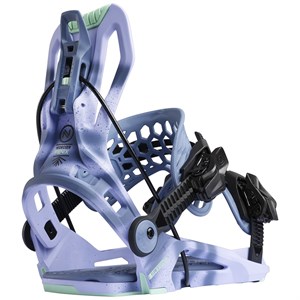
- Flex: Medium (Mid-Soft)
- Baseplate: Nylon+ Axis Baseplate with 2.5° canted BankBeds
- Highback: Nylon+ Axis Uniback with Active Strap Tech
- Straps & Buckles: Exo-Kush Fusion strap, LSR Buckles, Quick Set Latches
The Flow Fenix is a terrific grab-and-go binding for beginner to intermediate riders who want a forgiving, confidence-building ride. The medium-soft flex is friendly for park progression and resort cruising, while the Exo-Kush Fusion strap spreads pressure evenly and helps prevent hot spots. Active Strap technology lifts the rig automatically when you recline the highback, making stepping in and locking up almost effortless — a real time-saver on busy mornings.
Rockered baseplate corners allow the board to flex naturally, and the 2.5° canted BankBeds improve stance comfort and energy transfer. The Fenix isn’t built for race-like precision but it shines where it matters: ease of use, comfort, and predictable response as you advance. For newer riders or those who want a low-maintenance, comfortable rear-entry setup that still feels capable, the Fenix is a solid, user-friendly pick.
Pros:
- Very easy entry and setup with Active Strap Tech
- Comfort-oriented features for long days
- Good for progression and park use
Cons:
- Not as responsive for aggressive charging
- Medium-soft flex limits high-speed precision
6. GNU Psych
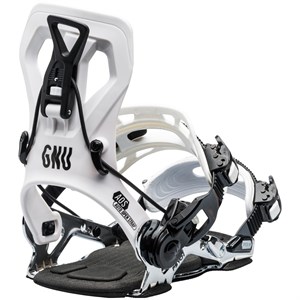
- Flex Rating: 6 (Medium-Stiff)
- Baseplate: Hyper Cored Aluminum Baseplate
- Highback: ERGO-X Reclining Highback with rotation
- Straps: Comprex Toe Cup Strap with Micro Buckle
The GNU Psych blends rear-entry convenience with a lively, all-mountain performance. The hyper-cored aluminum baseplate keeps weight down while delivering crisp response and a lively feel underfoot. GNU’s ERGO-X reclining highback not only speeds entry and exit but also allows lateral rotation so you can dial support angles precisely. The Comprex toe cup strap is oversized and plush, improving comfort on long days and ensuring your boot stays centered during aggressive maneuvers.
What sets the Psych apart is thoughtful ergonomics: the Auto Open System and Micro Buckles let you mix speed-entry access with conventional strap control when needed. While the binding leans toward intermediate–advanced riders, its balance of comfort and response makes it versatile enough to handle everything from groomers to pow stashes. If you like quick entries but don’t want to compromise feel, the Psych is a compelling mid-stiff option that keeps things efficient and fun.
Pros:
- Responsive aluminum chassis with low weight
- Reclining highback for fast entry and fine tuning
- Comfortable, supportive toe cup straps
Cons:
- Not as soft for park-focused riders
- Some riders may prefer more micro-adjustability on straps
7. Nidecker Supermatic
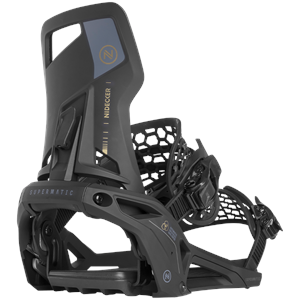
- Flex Rating: 8 (Stiff)
- Entry System: Drop-in heel pedal + reclining highback
- Baseplate: Asym Rockered Matic-Series, Nylon Multidisk
- Features: Slip-N-Grip plate, heelcup roller, 3 engagement clicks
The Nidecker Supermatic is the premium automatic entry binding designed for riders who want instant lock-in without fussing with straps. Drop your boot in, step down, and the heel pedal snaps the highback and straps closed — the mechanism is self-cleaning and offers three engagement clicks for a secure hold even in gnarly snow. The asymmetrical, rockered Matic baseplate and heelcup roller make entry smooth and reduce friction for a buttery step-in experience.
Performance-wise, this binding is built for precision. With high stiffness across toe, heel and lateral planes, you get direct power transfer, crisp carving, and confident landings. The Hybrid ExoFrame PowerStrap and Hexo toe cap maintain a snug, powerful connection while active strap geometry makes entry effortless. It’s aimed at advanced to expert riders who value speed, reliability, and race-level response; park riders seeking flex will find it too firm, but for charging groomers and hardpack, it’s excellent.
Pros:
- Effortless, reliable automatic lock-in system
- High precision and powerful response
- Self-cleaning engagement minimizes snow issues
Cons:
- Very stiff for riders wanting playful flex
- Complex mechanism can be pricier to service
8. GNU Fantast – Women’s
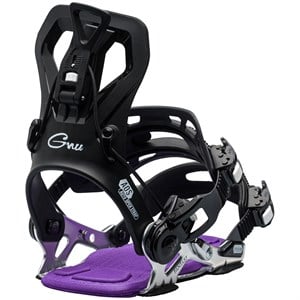
- Flex Rating: 6 (Medium-Stiff)
- Baseplate: Hyper Cored Aluminum Baseplate
- Highback: ERGO-X Reclining Highback with rotation
- Straps: Comprex Toe Cup Strap with Micro Buckle
The GNU Fantast for women blends quick rear-entry convenience with precision all-mountain performance. The hyper-cored aluminum chassis keeps the binding light and snappy, while the ERGO-X reclining highback gives a roomy entry and the option to fine-tune lateral support. Women-focused ergonomics and plush Comprex toe cup straps improve comfort and boot hold, which is especially appreciated on longer resort days or mixed terrain laps.
With a medium-stiff feel, the Fantast suits intermediate to advanced riders who want a responsive ride without the unforgiving nature of race bindings. The micro buckles and pressure release features let you tweak tension on the fly so you can open up for mellow runs and tighten for steeper lines. If you want a female-specific rear-entry binding that keeps the connection lively but comfortable, the Fantast strikes a very good balance.
Pros:
- Light, responsive aluminum base
- Comfort-driven straps with strong hold
- Reclining highback speeds entry and exit
Cons:
- May be too firm for riders seeking a soft, playful park feel
- Lateral rotation setup may need tuning for some boots
9. Nidecker Flow Fuse Fusion
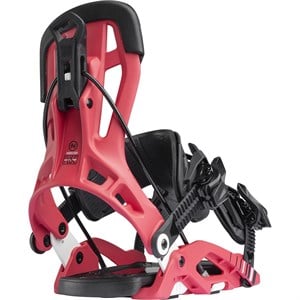
- Flex: Medium-Stiff
- Baseplate: Nylon Multidisk (4HP + 3HP + Channel), Nylon+ Fuse
- Highback: Nylon+ FX Uniback
- Straps & Buckles: Exo-Kush Fusion straps, LSR 2.0 Auto-Lock buckles
The Flow Fuse Fusion is a balanced rear-entry binding that mixes comfort and responsiveness for all-mountain riders. The nylon-based Fuse platform offers a predictable, slightly damped feel that’s forgiving enough for mixed-terrain and poppy enough to hold an edge. Exo-Kush Fusion straps wrap the boot comfortably and transfer energy efficiently, while the Active Strap and LSR Auto-Lock buckles make entry a breeze and lock in your preferred tension reliably.
Mid-stiff flex makes the Fuse Fusion flexible enough for playful lines yet supportive for faster carving and larger hits. The Slip N Grip feature and thoughtful footbeds keep your foot planted, reducing fatigue on long laps. Overall, this is a great option for intermediate to advanced riders who want a versatile, easy-to-use rear-entry binding without moving up to race-stiff hardware.
Pros:
- Great balance of comfort and responsiveness
- Quick rear-entry with reliable buckles
- Durable nylon construction for longevity
Cons:
- Stiffness may be borderline for very mellow riders
- Not as light or as stiff as aluminum-based race bindings
10. GNU Cheeter
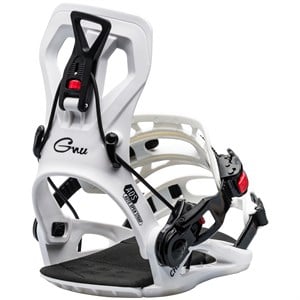
- Flex Rating: 4 (Freestyle-Friendly)
- Baseplate: FT4 Nylon Composite with EVA foam footbed
- Highback: ERGO-X Asym Reclining Highback
- Straps: Asym straps + Auto Open Ankle Strap
The GNU Cheeter is the rear-entry binding for riders who want freestyle freedom with the convenience of a reclining highback. Its softer flex encourages playful presses, jibs, and park laps while the FT4 composite base and EVA footbed smooth impacts and chatter. The ERGO-X asymmetrical highback supports mobility and medial stability — handy when you’re tweaking grabs or landing off-axis tricks.
Entry is fast thanks to the reclining highback and auto open ankle strap, and GNU’s multi-entry option means you can still use traditional strap techniques if you want. The thin-fit toe strap wraps well without adding bulk, and the overall package keeps weight down while delivering a forgiving, responsive ride. For intermediate to advanced freestylers who value quick transitions and park-friendly flex, the Cheeter is a smart, fun choice.
Pros:
- Playful, park-oriented flex and feel
- Fast entry with reclining highback
- Lightweight and comfortable underfoot
Cons:
- Less support for big-charging riders
- Not ideal for hard-charging alpine carving
How to Choose Rear-Entry Snowboard Bindings
Choosing the right rear-entry snowboard bindings can make a big difference in your comfort, performance, and overall experience on the mountain. These bindings, known for their quick step-in design, are especially popular among riders who value convenience without compromising stability. Whether you’re upgrading your gear or buying your first pair, understanding what to look for will help you make an informed decision. This guide breaks down everything you need to know about selecting the perfect rear-entry bindings for your riding style and skill level.
Understanding Rear-Entry Snowboard Bindings
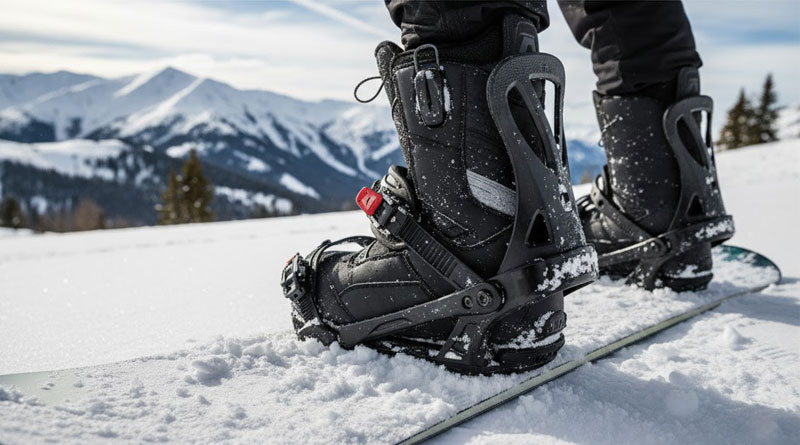
Rear-entry snowboard bindings, also known as speed-entry bindings, are designed to let you slide your boot in from the back rather than strapping in from the top. This design makes them faster to put on and take off compared to traditional strap-in bindings. They’re especially useful for riders who don’t want to sit down every time they strap in at the top of a run.
Most rear-entry bindings feature a reclining highback that opens up to create space for your boot. Once your boot is in, you simply close the highback, locking your foot securely into place. This system is efficient and convenient, especially in cold weather when you want to minimize time spent adjusting your gear.
Benefits of Rear-Entry Bindings
Rear-entry bindings are known for their convenience, but they also offer several other advantages. They provide consistent strap tension, making it easier to achieve a snug and uniform fit each time you ride. The step-in design also minimizes the hassle of kneeling or sitting down in the snow.
Another advantage is the versatility they offer. Many modern rear-entry bindings can still be used as traditional two-strap bindings if you prefer. This flexibility means you can experiment with both systems and choose the one that feels best for your style of riding.
Key Factors to Consider
1. Compatibility with Your Board
Before buying bindings, make sure they’re compatible with your snowboard’s mounting system. Most boards use a 2×4 or 4×4 bolt pattern, while Burton boards often feature The Channel system. Many rear-entry bindings are designed to fit multiple mounting systems, but it’s always worth double-checking the manufacturer’s specifications.
2. Flex Rating
Flex is one of the most important aspects of any snowboard binding. Rear-entry bindings come in a range of flex ratings from soft to stiff. Softer bindings are generally more forgiving and better suited for beginners or freestyle riders who need flexibility for tricks and jumps. Stiffer bindings, on the other hand, offer more control and responsiveness, making them ideal for carving, freeriding, or high-speed descents.
3. Highback Design
The highback is a critical component of rear-entry bindings, as it supports your calves and helps control heel-side turns. Look for highbacks that offer easy adjustment and a comfortable, ergonomic fit. Some highbacks are asymmetrical for better alignment with your natural stance, improving comfort and power transfer. A reclining highback that opens wide and locks securely will make getting in and out of your bindings smoother and quicker.
4. Straps and Ratchets
Although rear-entry bindings reduce the need for constant strapping, the straps still play a vital role in fit and comfort. Look for bindings with cushioned, adjustable straps that conform to your boot shape. Tool-less adjustment systems are particularly handy for fine-tuning your setup on the mountain. Also, ensure that the ratchets are sturdy, easy to use, and capable of maintaining tension without slipping.
5. Baseplate Construction
The baseplate connects your binding to the snowboard, so its construction directly affects how much board feel and shock absorption you get. Lightweight materials like aluminum or reinforced nylon are common in quality bindings. Some models include EVA padding or shock-absorbing materials to reduce impact and vibration. If you like to ride aggressively, a stiffer baseplate will give you better energy transfer, while softer ones provide a smoother, more playful ride.
6. Entry and Exit Mechanism
Not all rear-entry systems are built the same. Some use a simple lever to release the highback, while others employ a ratchet-assisted design for smoother motion. Make sure the mechanism feels intuitive and reliable, even when you’re wearing gloves. The easier it is to get in and out, the more time you’ll spend riding instead of adjusting gear.
7. Comfort and Fit
Comfort is crucial, especially for long days on the slopes. Try to find bindings that match the size and shape of your boots. The straps should hold your boot securely without creating pressure points. Cushioned footbeds and padded straps can make a big difference in reducing fatigue and improving overall comfort.
8. Adjustability
Being able to fine-tune your bindings is key to optimizing your ride. Look for features like adjustable forward lean, highback rotation, and customizable strap positioning. Tool-less adjustment systems are a bonus, letting you tweak your setup on the fly. This is especially helpful when testing different stance widths or angles to find your ideal setup.
9. Weight
While rear-entry bindings are generally not the lightest on the market, modern materials have made them much more competitive in this regard. Lightweight bindings reduce leg fatigue and make board control more precise. If you’re a freestyle rider or someone who likes to spin and jump, lighter bindings can make a noticeable difference.
10. Durability and Materials
Durability is another factor you shouldn’t overlook. Bindings take a lot of stress, especially in cold and wet conditions. Look for models that use reinforced plastics, aluminum buckles, and stainless-steel hardware. These materials resist wear, cracking, and rust, ensuring your bindings last for several seasons.
Rider Type and Skill Level
Your riding style and skill level should heavily influence your choice. Beginners usually prefer softer, more forgiving bindings that make learning easier and reduce the chance of catching an edge. Intermediate riders often look for balanced flex that offers both comfort and responsiveness. Advanced or aggressive riders might opt for stiffer bindings to maximize control and power transfer.
Freestyle riders often prefer lightweight and flexible bindings that allow for more mobility and easier landings. Freeriders, on the other hand, benefit from stiffer bindings that provide stability at high speeds and better performance in challenging terrain.
Brand and Model Reputation
Stick with reputable brands known for their binding technology and reliability. Companies like Flow, K2, and SP United have strong track records in rear-entry binding design. Reading user reviews and checking warranty details can also give you insights into long-term durability and manufacturer support.
Testing Before Buying
If possible, try your bindings before purchasing. Many resorts and shops offer demo programs where you can test different models on the slopes. Pay attention to how easy it is to get in and out, how secure your boots feel, and whether the flex matches your expectations. Trying before buying can save you from investing in a setup that doesn’t suit your needs.
Maintenance Tips
Once you’ve chosen your bindings, proper maintenance will help them last longer. After each ride, check for loose screws, worn straps, or any cracks in the baseplate. Keep the entry mechanism clean and free from ice buildup, as this can affect performance. Storing your bindings in a dry place will prevent rust and corrosion.
Conclusion
Rear-entry snowboard bindings combine the convenience of quick entry with the stability and comfort of traditional systems. When choosing the right pair, focus on compatibility, flex, highback design, and adjustability to match your riding style and skill level. The right bindings not only make your setup more efficient but also enhance your confidence and enjoyment on the slopes. By understanding the key features and testing your options, you’ll be ready to find a pair that fits perfectly and performs flawlessly in any snow condition.