
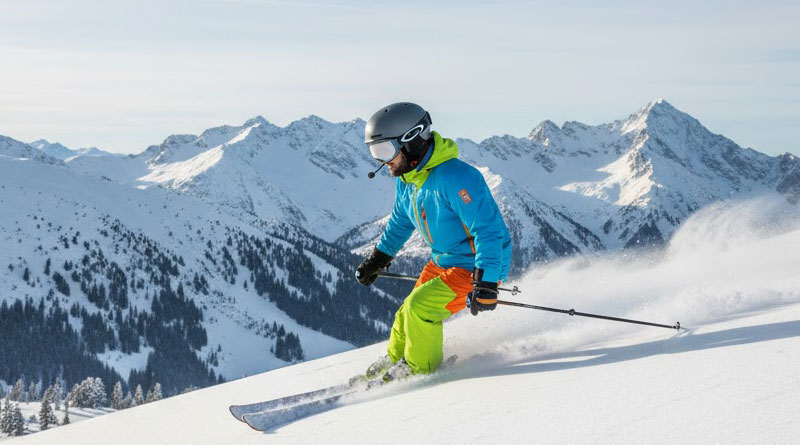
Best Ski Helmets with Bluetooth of 2026
Finding the best ski helmet with Bluetooth can make your time on the slopes safer and more fun. These helmets let you enjoy your favorite music, take calls, and stay connected without removing your gloves or phone. They combine strong protection with modern technology, giving you comfort and convenience in one package. Whether you love carving down fast runs or enjoying peaceful rides, a Bluetooth ski helmet keeps you entertained and in touch while keeping your head safe in cold mountain conditions.
1. Sena Latitude

- Intercom: Connect up to 4 helmets + one-to-one HD intercom.
- Battery: Up to 8 hours talk time; 3-hour recharge.
- Range: Up to 1 km (0.6 miles) in open terrain.
- Extras: Smartphone pairing for music, calls, GPS; active ventilation (18 vents).
The Sena Latitude nails the basics for anyone who wants clear, reliable slope comms without a bunch of fuss. Setting up intercom between riders is refreshingly straightforward — you can link up to four helmets and enjoy one-to-one HD audio clarity when needed. Battery life is solid for a day on the mountain: eight hours of talk time with a three-hour top-up means you won’t be hunting for chargers between runs. The active ventilation with 18 vents keeps airflow moving, which helps on warmer spring days or when you’re working hard on steep terrain.
Pairing with a phone for music, GPS directions, or calls works well and the audio quality is clean for both music and speech. The one-kilometer open-terrain range is useful for groups but remember real-world range drops behind trees and in lift areas. The helmet balances comfort, ventilation, and communications features without overcomplication — a smart pick for social riders who value durable, easy-to-use tech.
- Pros: Simple multi-helmet intercom, good battery life, active ventilation, straightforward phone pairing.
- Cons: Range reduced in tree-lined or crowded areas; not feature-heavy (no SOS/GPS app).
2. OutdoorMaster Kelvin II

- Design: ABS shell with EPS foam for impact absorption.
- Ventilation: 14 vents for breathability and air circulation.
- Bluetooth: Integrated headset, IP45 rated, glove-friendly controls.
- Battery: Up to 15 hours playback, ~500 hours standby.
The OutdoorMaster Kelvin II is built as a practical, value-packed combo: a protective helmet plus an integrated Bluetooth headset designed for long days on snow. The durable ABS shell and EPS foam give reliable impact protection while the 14-vent system keeps airflow steady so you stay comfortable when temperatures fluctuate. The removable liner and adjustable dial make fit adjustments quick and keep pressure low for extended wear.
Where the Kelvin II stands out is the headset: IP45 sweat- and cold-resistant construction, large glove-friendly buttons, and a dependable built-in microphone make music, calls, and voice commands simple while wearing gloves. Playback time of up to 15 hours is excellent for multi-day trips or long sessions. It’s not a premium smart helmet with apps or fall detection, but for riders who want dependable protection and enjoyable audio without breaking the bank, this package hits the mark.
- Pros: Strong protection, long headset battery, glove-friendly controls, good ventilation.
- Cons: Lacks advanced smart features like SOS or GPS tracking; headset not removable as a standalone unit.
See the OutdoorMaster Kelvin II
3. LIVALL RS1
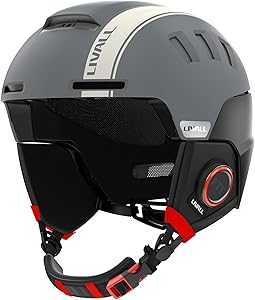
- Safety: ABS shell + in-mold EPS; CPSC & CE certified.
- Smart features: Patented fall detection, SOS alert, GPS via app.
- Connectivity: PTT walkie-talkie, windproof mic, immersive audio.
- App: LIVALL Riding App records speed, altitude, distance; loss alarm.
The LIVALL RS1 is for riders who want a tech-forward helmet that emphasizes safety and connected features. It’s lightweight for its protection level and comes in sensible sizes with an adjustable dial for a snug fit. The standout is the patented fall-detection system that triggers an SOS and shares location via the LIVALL app — a reassuring feature if you ski alone or explore remote runs. Certification to CPSC and CE standards backs up its protection claims.
Communications are strong: a windproof microphone, PTT walkie-talkie functionality, and integrated speakers provide clear audio for calls, music, or group chat. The app integration adds value by tracking rides and offering a preventing-loss alarm when distance to your phone exceeds 50 feet. Battery life and day-to-day use are solid, and the RS1 is a top pick for safety-conscious skiers who want smart features in a comfortable, wearable package.
- Pros: Built-in SOS/fall detection, robust app features, clear communications, safety certifications.
- Cons: More expensive than simple audio helmets; app dependence for full feature set.
How to Choose Ski Helmets with Bluetooth
Modern ski helmets are about much more than protection. With Bluetooth technology built right in, today’s helmets let you stay connected, stream music, take calls, and communicate with your group—all without removing your gloves or reaching for your phone. Whether you’re cruising groomers, exploring backcountry trails, or tackling park runs, a Bluetooth-enabled ski helmet adds convenience and fun while keeping safety front and center. This guide explains how to choose the best ski helmet with Bluetooth, covering everything from key safety standards to audio performance and comfort.
Why Choose a Bluetooth Ski Helmet?
The main advantage of Bluetooth ski helmets is hands-free connectivity. These helmets allow you to pair your smartphone or connect directly to other helmets for intercom-style communication. This means you can chat with your group, change tracks, or take calls without ever stopping on the slope. For solo skiers, built-in Bluetooth also doubles as an entertainment system and navigation aid—streaming music or GPS directions directly into your ears. It’s a blend of protection and smart convenience that’s become increasingly popular among recreational and advanced skiers alike.
Key Features to Consider
1. Safety and Certification
Regardless of features, a ski helmet must meet safety standards first. Always look for certifications like ASTM F2040 (U.S.), EN 1077 (Europe), or CPSC (bicycle and snow sports). These ensure the helmet provides reliable impact protection. Helmets with hybrid shells or in-mold construction—combining a tough ABS outer shell with an EPS foam liner—offer the best balance of durability and lightweight comfort. Some high-end Bluetooth helmets even include built-in safety systems like fall detection and SOS alerts that automatically contact a chosen person if you take a hard fall.
2. Bluetooth Functionality
Bluetooth systems in ski helmets vary widely. Basic models include speakers and a microphone for music and calls, while advanced options offer intercom features that let multiple helmets connect directly. Check whether the helmet connects to smartphones, GPS devices, or other headsets. Newer models use Bluetooth 5.0 or later, which provides stronger connections, longer range, and lower power consumption. If you often ride with friends, look for helmets supporting group intercoms over long distances (up to 1 km or more).
3. Audio Quality and Controls
Audio performance is a key factor in Bluetooth helmets. The speakers should deliver clear sound without blocking ambient noise—important for hearing approaching skiers or lift announcements. Look for helmets with windproof microphones, noise reduction, and glove-friendly controls. Some models even feature voice assistants for hands-free operation. The best systems strike a balance: immersive enough for music but still safe for situational awareness on the slopes.
4. Battery Life and Charging Time
Bluetooth helmets run on rechargeable batteries, so runtime matters. Most models offer between 8 and 20 hours of talk or playback time, which covers a full day of skiing. Quick-charging systems are helpful if you forget to charge overnight. Also check charging ports—USB-C is faster and more durable than micro-USB. For cold environments, choose helmets with lithium-ion batteries rated for low temperatures, ensuring steady performance even below freezing.
5. Fit and Comfort
A well-fitting helmet is essential for safety and enjoyment. Bluetooth helmets should fit snugly without pressure points. Look for adjustable dials, removable liners, and soft chin straps for a customized fit. Lightweight materials make a big difference during long days on the slopes, reducing fatigue. Removable and washable liners also help maintain freshness after multiple uses. If you wear goggles, ensure your helmet is goggle-compatible with no gaps between the frames and the brim.
6. Ventilation and Climate Control
Helmets with adjustable ventilation allow you to regulate airflow depending on the weather. Too warm, and you’ll overheat; too cold, and you’ll lose comfort quickly. Models with active or switchable vents are ideal because they can adapt to changing conditions. Good airflow also prevents goggle fogging, improving visibility and safety.
7. Weight and Build Quality
Bluetooth systems add some weight to helmets, but quality models keep this minimal. In-mold construction and high-grade ABS shells reduce bulk without sacrificing strength. On average, a Bluetooth ski helmet weighs between 1.5 to 1.8 pounds, which is manageable for most riders. Lightweight helmets are especially beneficial for freestyle or backcountry skiers who move dynamically and spend long hours on the mountain.
Types of Bluetooth Ski Helmets
Integrated Bluetooth Helmets
These helmets come with built-in Bluetooth hardware, microphones, and speakers. They’re convenient and ready to use straight out of the box, with no need for installation or additional accessories. Integrated systems usually offer the cleanest design and are less prone to wiring issues. Premium options even include smart features like SOS alerts, GPS tracking, and intercom communication across multiple helmets.
Bluetooth-Compatible Helmets with Add-On Headsets
Some helmets are sold as Bluetooth-ready, meaning they have built-in speaker pockets and audio channels where you can install your own Bluetooth headset. This setup gives you flexibility—you can upgrade or replace the headset separately. Brands like OutdoorMaster and Smith offer compatible helmets that pair perfectly with their own audio systems, providing solid protection with customizable connectivity.
Additional Smart Features
Many new Bluetooth ski helmets go beyond basic connectivity. Features like real-time GPS tracking, fall detection, or SOS alerts improve safety. Some helmets even connect to mobile apps that track your runs, speed, altitude, and total distance. Preventing-loss alarms are another useful feature: they alert you when your phone moves too far away from the helmet, reducing the risk of leaving gear behind. These innovations add peace of mind for solo or backcountry skiers who prioritize both safety and technology.
Maintenance and Durability
Bluetooth helmets need the same care as standard ones, plus attention to electronic components. Always dry your helmet thoroughly after use to prevent moisture damage to speakers or wiring. Avoid leaving it near direct heat sources like radiators, as excessive warmth can weaken the EPS foam. For long-term performance, keep firmware updated (if supported) and recharge batteries fully before storing the helmet for the season.
Budget and Value
Prices for Bluetooth ski helmets vary from around $100 to $400 depending on quality and features. Entry-level models usually focus on basic audio and comfort, while higher-end options integrate advanced tech like multi-user intercoms and fall detection. When choosing, balance your needs: recreational skiers may be fine with a simple Bluetooth headset, whereas frequent or solo riders benefit from safety features like SOS alerts. Don’t forget warranty coverage—most reputable brands include at least a one-year warranty on electronics and helmet construction.
Top Brands and Recommendations
Some of the most trusted names in Bluetooth ski helmets include Sena, OutdoorMaster, and LIVALL. Sena helmets are known for their seamless intercom systems and clear HD audio. OutdoorMaster offers affordable helmet-headset bundles that combine safety and fun for casual users. LIVALL stands out for integrating advanced safety technology, including fall detection, SOS alerts, and GPS functionality. Each caters to a slightly different audience, so the right choice depends on your priorities—be it communication, safety, or entertainment.
Tips for Using a Bluetooth Ski Helmet Safely
- Keep the volume low enough to hear surrounding sounds and other skiers.
- Use intercom and call features responsibly—avoid distractions on steep or busy slopes.
- Charge your helmet before heading out, especially in cold conditions that reduce battery life.
- Familiarize yourself with controls before skiing; glove-friendly buttons make this easier.
- Pair devices indoors or at the lodge to avoid connectivity issues on the mountain.
Conclusion
Choosing a ski helmet with Bluetooth is about balancing protection, comfort, and connectivity. Start by ensuring your helmet meets safety standards, then focus on audio performance, battery life, and fit. Consider how you ski—solo adventurers might prefer advanced safety and GPS features, while social skiers benefit from group intercom systems. Modern Bluetooth helmets blend innovation and practicality, letting you enjoy the slopes with music, communication, and peace of mind. With the right model, you’ll not only ski safely but stay connected and entertained all day long.