Best Snowboard Masks & Balaclavas of 2026
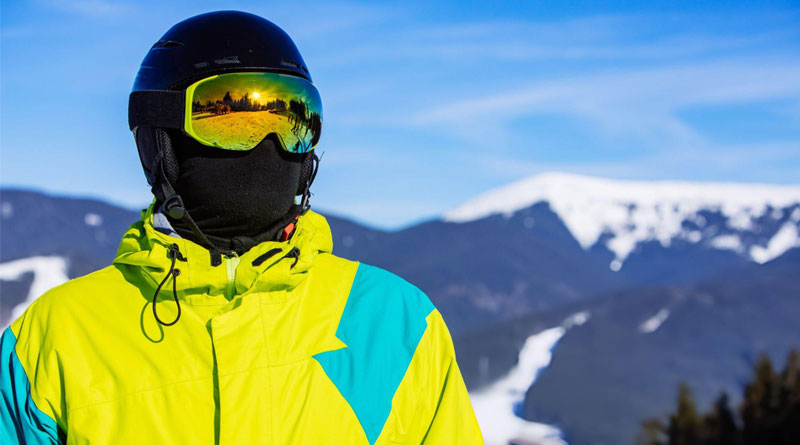
When hitting the slopes, staying warm and protected is just as important as having the right board. Snowboard masks and balaclavas keep your face shielded from cold wind, snow, and sun while letting you breathe easily. They also help prevent frostbite and make long days on the mountain more comfortable. Whether you prefer a full-face balaclava or a lightweight mask, choosing the right one can make a big difference. In this guide, we’ll explore the best snowboard masks and balaclavas for every type of rider.
1. BlackStrap The Hood
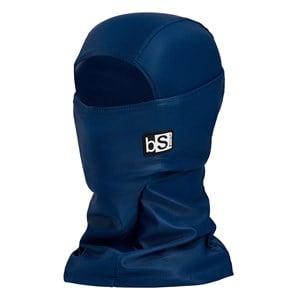
- Material: TREO performance knit (4-way stretch)
- Protection: UPF 50+ (≈98% UV block)
- Fit: Helmet-friendly ergonomic, one size fits most
- Tech: Dri-Flo moisture wicking; ExoHinge mobility
Think of The Hood as the balaclava equivalent of a good base layer — you almost forget it’s there. BlackStrap built this one from TREO knit, a fabric that stretches in every direction and dries fast without turning stiff or crinkly. There’s no clunky hinge mechanism, just an ExoHinge cut that lets the fabric flex naturally when you’re chewing, talking, or gasping for air on a bootpack. The UPF 50+ rating is almost an afterthought here, but it earns its keep the moment the spring sun bounces off a snowfield.
Slide it under a helmet and it disappears; pull it up over the nose and it becomes a full shield against wind-driven sleet. That range is the whole point — one piece of fabric doing the job of two or three specialized ones. It runs thin, so don’t expect it to replace a heavyweight layer on a deep-freeze day, but for shoulder-season tours or bright, brisk mornings, it hits a sweet spot between “barely there” and “actually protected.”
- Pros: Lightweight, breathable, excellent UV protection
- Cons: Single-layer in places; less warm in extreme cold
2. BlackStrap The Expedition Hood
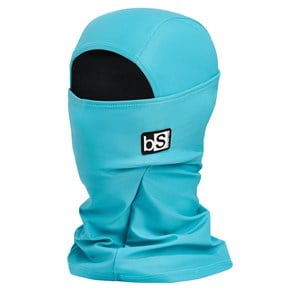
- Material: TREO performance knit, dual-layer in front
- Warmth: Full 360° PERFA wind-rated dual layer lining
- Fit: Helmet-compatible ergonomic fit; one size
- Tech: Dri-Flo wick + ExoHinge for mobility
Take everything that makes The Hood work and hand it a windbreaker — that’s basically the Expedition Hood. The front panel doubles up with a PERFA-rated liner that shrugs off the kind of gusts that make your eyes water, while the rest of the piece keeps the same stretchy TREO base and Dri-Flo wicking. It’s a smart trade: you gain serious wind resistance without the piece turning into a stiff, sweaty brick under your helmet.
Where this one earns its keep is on ridge lines, chairlift exposure, and any day where the forecast says “breezy” and means “brutal.” The ExoHinge cut still lets your jaw move freely, so eating a granola bar mid-lap doesn’t feel like a wrestling match with your own gear. It runs a touch warmer than the standard Hood, which is exactly the point — just don’t expect it to feel breezy on a mild bluebird day when you’re working hard.
- Pros: Excellent wind protection, comfortable under helmet
- Cons: Slightly thicker—can feel warm on milder days
3. Fuinloth Balaclava Ski Mask

- Material: Lightweight stretch synthetic (quick-dry)
- Versatility: Wear as balaclava, gaiter, headband, mask
- Protection: Sun, wind, dust, and sweat management
- Care: Machine washable, wrinkle resistant
This is the gear-bag chameleon — twist it, fold it, or scrunch it and it becomes whatever your face needs that day. The fabric itself is thin and stretchy rather than technical or plush, which is exactly why it can flip between a full balaclava, a neck gaiter, and a headband without any of those forms feeling like an afterthought. Trail runners and cyclists tend to gravitate toward it for the same reason skiers do: it moves air well and doesn’t demand much attention.
Don’t mistake its low price for low usefulness, though — the quick-dry finish and machine-washable build make it a genuinely practical grab for dusty singletrack, windy commutes, or anything short of a genuine deep freeze. It’s a one-size-fits-most cut, so it slides easily under a helmet without bunching. Just set your expectations accordingly: this is a warm-day, wind-day, dust-day piece, not a substitute for something insulated when temperatures nosedive.
- Pros: Very versatile, inexpensive, easy care
- Cons: Not warm enough for severe cold; thin material
4. Achiou Ski Mask

- Material: Ice silk fabric (lightweight, breathable)
- Ventilation: Air-vent panels for breathability
- Fit: Extreme elasticity; unisex, multiple colors
- Use: Multi-sport—skiing, motorcycling, hiking, cosplay
“Ice silk” sounds like marketing fluff until you actually put this one on and realize it barely registers on your face. The fabric is airy enough that the built-in vent panels almost feel redundant, though they do help on the rare occasion you’re working hard enough to actually sweat through it. The elastic construction stretches to fit a wide range of head shapes, which explains why this mask shows up everywhere from ski hills to motorcycle forums to, apparently, cosplay conventions.
It’s the kind of piece you toss in a bag “just in case” — light enough to forget about, useful enough to reach for constantly. Wear it as a straight-up mask, twist it into a scarf, or fold it down into a headband depending on what the day throws at you. Just know its lane: this is a breathability-first design built for mild cold, sun glare, and dust, not a frontline defense against a genuine winter storm.
- Pros: Very breathable, comfortable fit, affordable
- Cons: Limited warmth in freezing conditions
5. Smartwool Merino 250
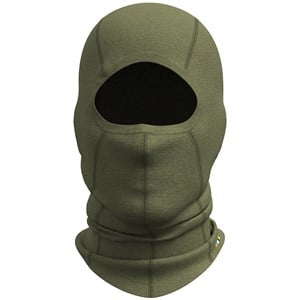
- Material: 100% Merino wool, NTS Mid 250 interlock
- Thermal: Heavier baselayer fabric for cold days
- Construction: Single-layer interlock knit
- Fit: One size fits most; good peripheral vision
There’s a reason wool has stuck around for centuries while synthetics come and go — it just handles temperature swings better, and Smartwool leans hard into that with the NTS Mid 250. This isn’t a featherweight piece; the interlock knit has real substance to it, but merino’s natural structure means it breathes even while it’s working hard to keep you warm. No clammy buildup, no funky smell after three days of the same balaclava.
This is the balaclava you reach for when the day’s forecast reads more “expedition” than “resort lap.” Its single-layer build keeps things from feeling bulky under a helmet, and the fit leaves enough room around the eyes that peripheral vision isn’t compromised — genuinely useful when you’re navigating variable terrain. The trade-off is care: merino wants a gentler wash cycle than most synthetics, and the price tag reflects the natural-fiber premium. Worth it if odor control and steady warmth top your list.
- Pros: Natural warmth, excellent moisture control
- Cons: Higher price; needs gentler washing
6. Seirus Hoodz

- Fabric: Polyester fleece
- Moisture Wicking: Yes
- Quick Drying: Yes
- Fit: Loose, comfortable fit
Three pieces of gear rolled into one — that’s the pitch behind the Hoodz, and it mostly delivers. Built from 200-weight Polartec fleece, it can sit around your neck like a gaiter, pull up into a full hood, or tuck into an interior face mask that pairs neatly with goggles. Independent drawcords for the hood and mask mean you’re not stuck with a one-size, one-setting piece; you dial in exactly how much coverage a given run requires.
That adaptability is really the selling point. Instead of stripping off layers every time the wind shifts, you just cinch or loosen what’s already on your head. The fleece itself is soft enough not to irritate skin during long days, and it holds its own against biting alpine gusts. The one asterisk: the relaxed, roomy fit that makes it comfortable can also feel slightly bulky if your helmet runs snug. For recreational riders who value quick adjustments over a race-tight fit, that’s a fair trade.
- Pros: Multi-functional design acts as a hood, mask, and neck warmer
- Cons: Loose fit may feel bulky under tightly fitted helmets
7. Seirus Magnemask Combo Clava

- Fabric: Body: 90% polyester/10% spandex; face: 70% neoprene/15% nylon/15% polyester
- Moisture Wicking: Yes
- Quick Drying: Yes
- Stretch: 4-way stretch fabric
The party trick here is genuinely clever: yank the face mask off with one tug thanks to magnetic seams, take a phone call or grab a snack without freezing your nose, then snap it right back into place. No fumbling with zippers or velcro mid-lift-line — it just clicks. The contoured Neofleece panel that covers your mouth and nose is certified nontoxic neoprene, and it blocks wind noticeably better than plain fleece alternatives.
Underneath that headline feature sits a solid combo of a lightweight fleece hood and a 200-weight Polartec neck gaiter, so you’re getting layered warmth on top of the convenience factor. The 4-way stretch keeps everything snug under a helmet rather than shifting around. Two things worth flagging: keep it away from anything magnetically sensitive, and know that neoprene, while great at blocking wind, traps a bit more moisture during high-intensity efforts than a straight fleece would. For skiers who want speed and flexibility in how they cover their face, it’s hard to beat.
- Pros: Magnetic seams allow instant face mask removal and replacement
- Cons: Neoprene face mask can trap extra moisture during high-output activities
8. BlackStrap Camber Hood

- Fabric: Shell: 82% polyester/18% spandex; lining: 92% polyester/8% spandex
- Moisture Wicking: Yes
- Quick Drying: Yes
- Stretch: 4-way stretch
Where a lot of balaclavas settle for “warm,” the Camber Hood goes for “adjustable and warm,” which turns out to matter a lot once conditions actually change on you. A freeze-resistant shell fends off the worst of what winter throws down, while a dual-layer hinge across the face and pull-tab drawcords let you fine-tune coverage on the fly — tighten it up when the wind picks up, loosen it when you’re grinding up a bootpack and overheating.
The engineering shows in the small details: lens-safe fabric so it won’t scratch your goggles, an odor-resistant finish that holds up trip after trip, and 4-way stretch that keeps the whole thing moving with your face rather than against it. There’s a bit of extra bulk around the neck from the dual-layer build, and if your helmet runs on the tighter side, you’ll feel it. But for riders who want a hood that actively adapts rather than just sitting there, this one’s built for exactly that.
- Pros: Freeze-resistant outer shell blocks harsh elements; dual-layer face hinge with pull tabs
- Cons: Dual-layer construction can feel slightly bulky under very tight helmet sizes
9. Seirus Ultra Clava

- Fabric: 47% polyester/38% nylon/9% spandex/6% polyurethane
- Moisture Wicking: Yes
- Quick Drying: Yes
- Design: Full-coverage design
This one’s built for the days you’d rather not be outside at all — genuine storm conditions, single-digit temps, wind that makes conversation impossible. Seirus’s proprietary Weathershield Tri-Laminate fabric does the heavy lifting, forming a water- and wind-resistant barrier across the whole four-material blend without turning the piece into a swamp on the inside. It somehow manages both extremes: shut out the worst of the weather and still let sweat escape.
The full-coverage cut wraps face and neck alike, and despite the technical fabric stack, it stays slim enough to disappear under a helmet — no pressure points, no weird bulges. There’s no hinge mechanism or drawcord here, so adjustment relies entirely on the fabric’s natural stretch conforming to your face, which works fine but offers less customization than some competitors. If you’re chasing mountaineering-grade weather protection in a resort-friendly package, this is a strong contender.
- Pros: Exclusive Weathershield Tri-Laminate fabric offers superior wind and water resistance
- Cons: Lacks adjustable drawcords or hinged face panels
10. REI Co-op Wind Pro

- Fabric: 90% polyester/10% spandex
- Moisture Wicking: Yes
- Quick Drying: Yes
- Seams: Flat-sewn seams
No magnets, no fancy laminates — just Polartec Wind Pro fleece and a hinged seam that lets you pull coverage up over your mouth in about two seconds flat. That simplicity is the whole appeal. The fleece itself resists abrasion and wind better than you’d expect from something this straightforward, holding its own against light snow and biting gusts on chairlift rides and exposed traverses alike.
Flat-sewn seams keep the inside smooth against your skin, which matters more than people expect after six hours of the same balaclava rubbing the same spot. It tosses in the wash without drama and comes out ready to go again. The trade-off for that no-frills approach is a lack of drawcords — you can’t cinch the hood opening tighter the way you can on pricier options — but for skiers who just want dependable wind protection without extra bells and whistles, it’s a solid, affordable workhorse.
- Pros: Polartec Wind Pro fleece offers high wind and abrasion resistance
- Cons: Lacks external drawcords for tightening the hood opening
11. Icebreaker Merino Oasis

- Fabric: Wool (exclusive of decoration)
- Moisture Wicking: Yes
- Quick Drying: Yes
- Material: 200 g merino wool jersey
Sheep figured out temperature regulation long before any lab did, and Icebreaker’s Oasis balaclava is essentially a tribute to that fact. The 200-gram merino jersey does something synthetics still struggle to replicate: it keeps you warm when it’s brutally cold and somehow doesn’t overheat you the second you start working hard. A front ventilation flap adds a bit of active airflow for the steepest climbs, while an overlapped opening seals out drafts without needing extra hardware.
What stands out most, though, is how it feels against skin — genuinely soft, without the itch that gives traditional wool a bad reputation. It’s also a fiber that regrows naturally every year, which matters if sustainability factors into your gear choices. The catch is care: merino asks for a gentler wash and typically a line-dry rather than a tumble cycle. For anyone chasing natural odor resistance and real temperature regulation over synthetic convenience, that’s an easy trade to make.
- Pros: 100% merino wool offers natural temperature regulation and odor resistance
- Cons: Merino wool requires careful washing and line drying
12. REI Co-op Polartec

- Best Use: Snowsports
- Fabric: Polartec 200 polyester fleece
- Quick Drying: Yes
- Weight: 2 oz.
Sometimes the unglamorous option is the right one, and REI’s Co-op Polartec balaclava is a case study in that. It’s basically a tube of double-brushed fleece — 87 percent recycled — that you can wear pulled above the nose, below the nose, or bunched down around your chin depending on mood and weather. No hinges, no magnetic closures, just a fabric that resists pilling and dries quickly wash after wash.
At two ounces, it’s the kind of thing you forget is even in your pocket until you need it, and the elongated length tucks neatly under jacket collars to seal off drafts at the neck. Stretch trim around the face opening keeps it snug without chafing. It won’t compete with technical, windproof-membrane balaclavas on the nastiest storm days, but for casual resort skiing and everyday cold, its simplicity, low weight, and recycled materials make it an easy, budget-conscious pick.
- Pros: Made with 87% recycled Polartec 200 double-brushed fleece
- Cons: Simple design lacks specialized windproof membrane layers
13. Burton Cora Hood
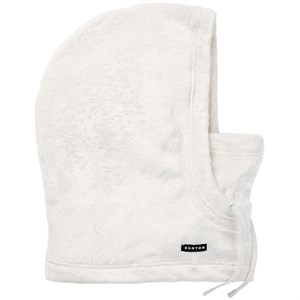
- Material: 100% recycled polyester
- Insulation: DRYRIDE THERMEX™ fleece
- Fit Options: Regular and over-helmet sizing
- Construction: Chafe-free Softlock seams
Burton didn’t try to reinvent the balaclava here — they just quietly perfected the basics. Made entirely from recycled polyester, the Cora Hood uses DRYRIDE Thermex fleece to trap heat efficiently without ever feeling like you’re wearing a sleeping bag on your head. It moves moisture off the skin steadily, so long chairlift rides or extended pow days don’t end in that clammy, overheated feeling other pieces can cause.
The real standout is comfort at the seams — literally. Burton’s Softlock construction eliminates the friction points that make cheaper balaclavas irritating after a few hours, and a drawstring closure lets you seal things up the moment wind picks up on an exposed lift. It comes in both a regular cut and an over-helmet size, covering more riders than a one-size-fits-all approach would. It won’t wow anyone with flashy features, but as a dependable, all-day comfort piece built on sustainable materials, it does exactly what it needs to.
- Pros: Warm and breathable fleece, very comfortable seams, eco-friendly materials
- Cons: Minimal style features, Proposition 65 warning may concern some buyers
How to Choose Snowboard Masks & Balaclavas
When it comes to snowboarding, protecting your face and neck from cold winds, snow, and sun is just as important as keeping your body warm. A good snowboard mask or balaclava not only shields your skin from harsh weather but also helps regulate temperature and prevent frostbite. With countless styles and materials on the market, choosing the right one can be tricky. This guide breaks down everything you need to know about selecting the best snowboard masks and balaclavas for your next ride.
Understanding the Purpose of Snowboard Masks and Balaclavas
Snowboard masks and balaclavas are designed to protect your face, neck, and sometimes your head from the cold, wind, and sun exposure. They also help keep you dry and comfortable when you’re riding through snow or facing harsh mountain conditions. In extreme cold, these accessories can be the difference between a fun session and an early trip back to the lodge.
Balaclavas generally cover the entire head and neck, leaving openings for the eyes, nose, and mouth. Masks, on the other hand, may only cover the lower part of the face. Both types can be worn under helmets or goggles for added protection and comfort.
Types of Snowboard Masks and Balaclavas
Full Balaclavas
Full balaclavas offer maximum coverage, wrapping around the entire head, neck, and face. They’re ideal for extremely cold conditions and are often used at higher altitudes. Many come with adjustable openings or flexible fabrics that allow you to pull them down when you need ventilation.
Half Masks
Half masks, or face masks, cover just the lower face — typically from the nose down to the chin. They’re great for riders who prefer to wear a beanie or helmet without extra bulk around the head. These masks are easy to remove or adjust, making them ideal for milder weather conditions.
Neck Warmers and Gaiters
Neck gaiters provide coverage for the neck and can be pulled up over the mouth or nose when needed. They’re versatile and lightweight, perfect for layering. Many snowboarders pair them with goggles and helmets for flexible protection that doesn’t restrict movement.
Convertible Designs
Some masks and balaclavas are designed to be multi-functional. They can transform from a full balaclava into a half mask, neck gaiter, or even a beanie. These designs are perfect for changing weather conditions and riders who like versatility.
Choosing the Right Material
Fleece
Fleece is a popular material for snowboard masks because it’s warm, soft, and insulating. It provides excellent comfort in freezing conditions but may be too warm for spring snowboarding or high-intensity riding.
Merino Wool
Merino wool is a natural fiber known for its warmth, breathability, and moisture-wicking ability. It’s also odor-resistant, making it a great choice for long days on the slopes. Merino wool balaclavas strike an excellent balance between comfort and performance.
Synthetic Fabrics
Polyester, spandex, and nylon blends are commonly used for snowboard masks because they offer stretch, durability, and quick-drying properties. These materials are ideal for layering under helmets and goggles without feeling bulky.
Windproof and Waterproof Materials
For extreme weather conditions, consider masks made with windproof or waterproof panels. These help block icy gusts and prevent moisture from soaking through, keeping your face dry and warm even during blizzards.
Fit and Comfort
A good fit is essential when choosing a snowboard mask or balaclava. It should fit snugly without feeling tight or restricting movement. Look for stretchy materials that conform to your face and neck shape. Avoid designs with seams that might cause pressure points under your helmet or goggles.
Many modern masks come with ergonomic panels, flatlock seams, and laser-cut ventilation holes for enhanced comfort. These features help reduce irritation and make breathing easier while preventing your goggles from fogging up.
Breathability and Ventilation
Breathability is one of the most important factors to consider, especially during intense riding sessions. Masks that trap moisture can quickly become uncomfortable and lead to condensation inside your goggles. Choose designs with mesh panels around the mouth and nose area for easy airflow.
Some high-performance balaclavas also incorporate moisture-wicking liners that draw sweat away from your skin, helping you stay dry and warm throughout the day.
Compatibility with Helmets and Goggles
Since most snowboarders wear helmets and goggles, make sure your mask or balaclava works well with both. The material should fit comfortably under your helmet without bunching up, and it shouldn’t interfere with the seal of your goggles.
Thin, stretchy materials like polyester or merino wool work best for layering. If you use a full balaclava, ensure that it allows easy adjustment so you can move the mouthpiece down when not needed.
Weather Conditions and Riding Style
Cold and Windy Conditions
In freezing temperatures or high-altitude environments, opt for full-coverage balaclavas made of fleece, merino wool, or windproof materials. These provide superior insulation and block wind effectively.
Mild or Spring Conditions
For warmer weather, a lightweight synthetic mask or neck gaiter will do the trick. Look for breathable materials that prevent overheating while still offering UV protection from the sun’s rays.
Freestyle and Park Riding
Freestyle riders who spend time in the park may prefer lighter, more flexible masks that don’t restrict movement or airflow. Half masks and neck gaiters are popular choices since they’re easy to pull down when you need more ventilation.
Moisture Management and Odor Control
Since snowboarding is a high-intensity sport, sweat and moisture management are key. Choose fabrics with good moisture-wicking properties to keep your skin dry. Synthetic blends and merino wool excel at pulling sweat away from the body while maintaining warmth.
Odor control is another consideration, especially if you’re wearing the same gear for multiple days. Merino wool naturally resists odor buildup, while some synthetic options come with antimicrobial treatments to keep them fresh longer.
Design and Aesthetic Preferences
While function should always come first, style matters too. Snowboard masks come in a range of colors, patterns, and prints to match your outfit or express your personality. Reflective accents can add visibility in low-light conditions, while minimalist designs work well for those who prefer a clean look.
Some brands also offer masks with adjustable features such as drawcords or removable panels, allowing you to customize coverage and comfort throughout the day.
Durability and Maintenance
Look for masks made from durable fabrics that can withstand frequent washing and exposure to snow, sweat, and sun. Reinforced stitching and high-quality elastic materials ensure long-term use. Always follow the manufacturer’s care instructions to maintain performance and extend the life of your gear.
Final Tips for Choosing the Right Snowboard Mask or Balaclava
When choosing a snowboard mask or balaclava, prioritize fit, breathability, and material quality. Make sure it complements your helmet and goggles, and choose the level of coverage based on the weather conditions you typically ride in. For all-around performance, consider a merino wool or moisture-wicking synthetic option that offers both warmth and ventilation.