Best Waterproof Snowboard Jackets of 2026
When you’re out on the mountain, staying dry is just as important as staying warm. A good waterproof snowboard jacket keeps snow, slush, and freezing rain out, so you can focus on having fun and riding your best. But with so many options out there, finding the right one can feel tricky. This guide breaks down the best waterproof snowboard jackets for all budgets and styles, helping you choose a reliable shell that will protect you through every stormy ride.
1. Burton AK Swash
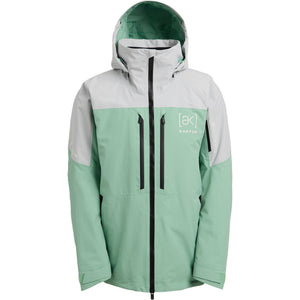
- Material: GORE-TEX 2-layer nylon and polyester
- Waterproof Rating: 28,000mm with fully taped seams
- Insulation: 60g PrimaLoft synthetic insulation
- Fit & Length: Regular fit, hip-length
The Burton AK Swash jacket delivers lightweight warmth and exceptional storm protection for core riders. Engineered with a two-layer GORE-TEX membrane, it seals out heavy moisture while remaining breathable during intense descents. The strategic PrimaLoft insulation focuses heat around your core without adding unnecessary bulk to your arms, allowing complete freedom of movement while carving or hitting features in the park.
In addition to top-tier weatherproofing, this jacket features a fixed helmet-compatible hood, integrated powder skirt, and fully taped seams to block wind and deep snow. It is an outstanding choice for cold alpine days where reliable climate control and mobility are paramount for continuous lap riding on the mountain.
Pros:
- Targeted core insulation maximizes mobility
- High-grade 28,000mm GORE-TEX waterproofing
Cons:
- May require extra layering on extremely cold days
- Fixed hood cannot be removed
2. The North Face Freedom Insulated – Women’s
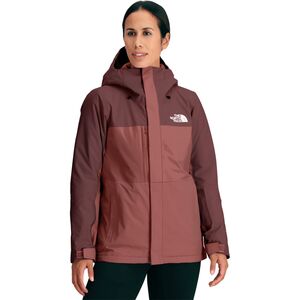
- Waterproof Rating: 25,000mm fully sealed construction
- Fit & Length: Regular fit, 29.5-inch center back length
- Ventilation: Underarm pit zippers
- Features: Removable powder skirt and thumbhole cuffs
Designed for women who hit the slopes in any condition, The North Face Freedom Insulated jacket offers balanced warmth and robust waterproofing. Featuring a 25,000mm rating alongside fully sealed seams, it easily handles heavy snowfall and freezing squalls. The regular cut provides a flattering fit with plenty of room to wear comfortable mid-layers beneath the shell without feeling restricted.
Equipped with underarm zip vents, a adjustable helmet-compatible hood, and convenient wrist thumbholes, this jacket ensures customizeable climate management. Multiple zippered pockets secure your trail essentials, making it a highly practical outerwear piece for winter sports enthusiasts who value comfort, function, and durability during long days at the resort.
Pros:
- Excellent storage with five dedicated pockets
- Removable powder skirt adds versatile styling
Cons:
- Slightly heavy compared to uninsulated shells
- Sleeve length can run long for petite frames
See the The North Face Freedom
3. Mountain Hardwear Boundary Ridge
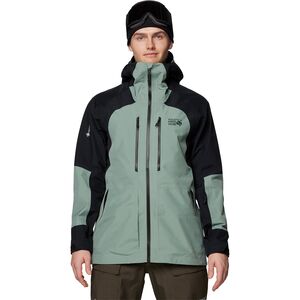
- Construction: 3-Layer GORE-TEX shell
- Fit & Length: Active fit, 32-inch center back length
- Safety: Integrated RECCO rescue reflector
- Pockets: 4 external zippered and 2 internal drop-in pockets
Built for big-mountain charging and backcountry exploration, the Mountain Hardwear Boundary Ridge jacket offers heavy-duty protection against rugged winter environments. Utilizing a burly three-layer GORE-TEX shell, it provides an unyielding shield against severe winds, wet snow, and dense powder while maintaining efficient breathability during high-exertion ascents and intense technical descents.
The active fit and extended 32-inch back length offer generous coverage when bending or jumping through deep powder. With six spacious pockets, underarm pit zips, and an embedded RECCO reflector, this jacket prioritizes utility and safety for serious riders demanding uncompromised performance across all terrain settings.
Pros:
- Superior durability and weather resistance
- Ample internal and external storage options
Cons:
- Uninsulated shell requires layering in sub-zero temps
- Longer back length may feel bulky for short riders
See the Mountain Hardwear Boundary Ridge
4. Volcom VS 3L Stretch – Women’s
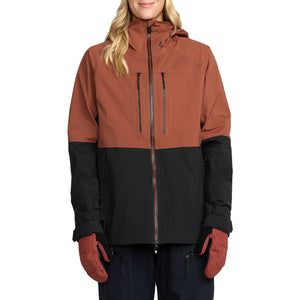
- Material: 3-Layer GORE-TEX stretch fabric
- Fit & Length: Loose fit, hip-length
- Insulation: Uninsulated technical shell
- Features: Fully taped seams and integrated powder skirt
The Volcom VS 3L Stretch jacket combines unrestricted mobility with elite storm protection tailored specifically for female riders. Crafting the jacket from a three-layer GORE-TEX stretch fabric gives it a flexible feel that flexes with dynamic body movements, making it ideal for aggressive backcountry turns and park sessions alike.
Since it is an uninsulated shell, riders can easily customize their layering system based on fluctuating mountain temperatures. Combined with fully taped seams, a fixed hood, and a built-in powder skirt, this jacket ensures you stay dry, agile, and comfortable through intense storm cycles and deep powder days.
Pros:
- Stretch GORE-TEX fabric offers total mobility
- Loose fit allows effortless thermal layering
Cons:
- No built-in warmth requires quality base layers
- Loose cut may feel oversized for slim profiles
5. Stio Figment
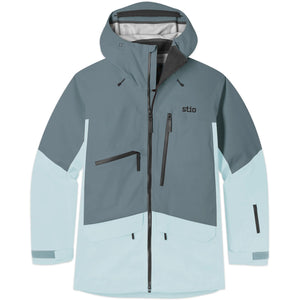
- Material: 3-Layer recycled polyester fabric
- Waterproof/Breathable: 20,000mm / 10,000g rating
- Fit & Length: Regular fit, hip-length
- Accolade: Outside Magazine Gear of the Year
Recognized as an award-winning outerwear piece, the Stio Figment jacket is engineered for freeriders who demand eco-friendly durability and style. Constructed with a three-layer recycled polyester shell, it delivers dependable 20,000mm waterproofing to block out wet snow and mountain winds while providing a clean, contemporary aesthetic on and off the mountain.
This uninsulated jacket serves as a versatile shell for variable winter weather, letting you manage heat through custom base layers. Complete with a helmet-compatible hood, fully sealed seams, and an internal powder skirt, it provides reliable defense against winter elements during hard-charging alpine runs.
Pros:
- Eco-conscious construction using recycled fabric
- Award-winning design and weather defense
Cons:
- Moderate breathability rating compared to GORE-TEX
- Requires insulation layers in freezing weather
6. REI Co-op Powderbound Insulated

- Material: bluesign approved Peak 2-layer nylon
- Insulation: 80g body / 60g sleeves synthetic fill
- Fit & Length: Thigh-length, 33.75-inch back length
- Features: Pit zips, powder skirt, and windproof lining
The REI Co-op Powderbound Insulated jacket offers comprehensive cold-weather coverage and exceptional value for resort snowsports. Constructed with a windproof two-layer waterproof laminate, it effectively repels winter storms while body-mapped synthetic insulation provides targeted warmth where you need it most without restricting arm movement on technical descents.
Featuring a longer 33.75-inch thigh-length cut, this jacket offers extra defense against cold chairlifts and deep drifts. Pit zips allow quick heat release on warm spring laps, while sustainable bluesign approved fabrics ensure environmental responsibility throughout its durable, long-lasting construction.
Pros:
- Extended thigh-length coverage keeps out cold air
- Warm synthetic fill ideal for chilly resort days
Cons:
- Longer cut may restrict high knee lifts
- Slightly heavier than uninsulated shell options
See the REI Co-op Powderbound Insulated
7. Burton AK Cyclic
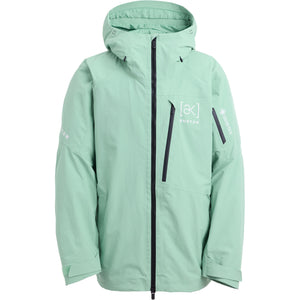
- Material: 2-Layer GORE-TEX recycled nylon
- Waterproof/Breathable: 28,000mm / 20,000g rating
- Fit & Warmth: Regular fit, uninsulated shell
- Features: Fully taped seams and removable powder skirt
A benchmark in technical outerwear, the Burton AK Cyclic jacket is built for snowboarders who ride in harsh winter environments daily. Constructed with a two-layer GORE-TEX membrane, it provides bulletproof 28,000mm waterproofing and 20,000g breathability, keeping you completely dry during heavy downpours and intense backcountry hikes.
As an uninsulated shell, it allows riders to fine-tune thermal layers based on active output and ambient temperatures. Fully taped seams, a removable powder skirt, and a fixed helmet-compatible hood round out this high-performance jacket, making it a reliable workhorse for all-season mountain riding.
Pros:
- Top-tier GORE-TEX waterproofing and breathability
- Removable powder skirt adds everyday versatility
Cons:
- Requires dedicated thermal layering for mid-winter
- Premium price point compared to basic shells
8. Helly Hansen Alphelia
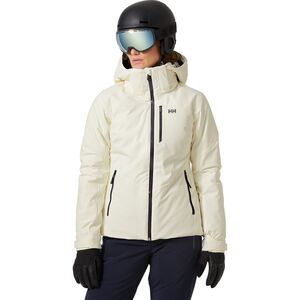
- Fit & Length: Regular fit, hip-length
- Hood: Drawcord adjustable and detachable hood
- Safety: Integrated RECCO rescue reflector
- Pockets & Venting: 6 specialized pockets and mesh zips
The Helly Hansen Alphelia jacket delivers sleek styling paired with alpine performance for female riders who want high functionality on the slopes. Crafted with a tailored regular fit, this jacket provides reliable protection against biting wind and snow while maintaining a refined profile suitable for all-day resort exploration.
Features like a detachable adjustable hood, mesh-lined ventilation zippers, and a RECCO reflector ensure safety and custom temperature control. With six dedicated storage pockets—including a pass pocket and internal goggle pouch—it offers superior convenience for organizing essentials across demanding mountain days.
Pros:
- Detachable hood offers versatile styling options
- Abundant storage pockets including goggle stash
Cons:
- Slightly heavier frame due to added feature set
- Fitted silhouette leaves less room for thick layers
How to Choose Waterproof Snowboard Jackets
Picking the right snowboard jacket can feel like a lot of work. There are so many brands, styles, and technical terms that it gets confusing fast. But here is the simple truth: if your jacket is not waterproof enough, you will get wet. And when you get wet, you get cold. And when you get cold, your day on the mountain is ruined.
This guide is here to help you cut through the noise. We will break down everything you need to know about waterproof snowboard jackets in plain, simple language. By the end, you will know exactly what to look for, what to avoid, and how to pick a jacket that keeps you dry, comfortable, and stoked to ride.
Why Waterproofing Matters More Than You Think
Many people think that staying warm is the most important job of a snowboard jacket. While warmth is important, it all falls apart if you are not dry. Snow melts on your jacket from your body heat and from friction with the snow. If that melted snow soaks through your outer layer, it reaches your insulating layers and your base layer. Wet insulation does not keep you warm. It actually pulls heat away from your body, which can lead to hypothermia in extreme cases.
A truly waterproof jacket acts like a shield. It lets sweat escape from the inside, but it blocks water from getting in from the outside. This balance is called breathability, and we will talk about that later. For now, remember this: waterproofing is your first line of defense against a miserable day. Do not skip it.
Understanding Waterproof Ratings
Every waterproof snowboard jacket comes with a rating. You usually see numbers like 5,000 mm, 10,000 mm, 15,000 mm, or 20,000 mm. This number measures how much water pressure the fabric can handle before it starts to leak. The higher the number, the more waterproof the jacket.
Here is a simple guide to understand these numbers:
- 5,000 mm to 8,000 mm: This is entry-level waterproofing. It works fine for light snow and short sessions, but it will not hold up in heavy snowfall or wet snow. Good for beginners or park riders who do not spend much time in deep powder.
- 10,000 mm to 15,000 mm: This is the sweet spot for most snowboarders. It handles moderate to heavy snow really well. You stay dry during most storm days, and the fabric is still breathable enough for active riding. This range is what we recommend for most people.
- 20,000 mm and above: This is premium, top-tier waterproofing. These jackets handle extreme conditions, heavy rain, and wet heavy snow without any issues. They are built for backcountry riders, heli-skiers, and people who ride in the wettest climates.
Think about where you ride most often. If you ride in the Pacific Northwest where it rains a lot, go for a higher rating. If you ride in cold, dry places like Colorado or Utah, you can get away with a lower rating because the snow is light and powdery.
Breathability: The Other Half of the Equation
Waterproofing alone is not enough. If your jacket is completely sealed, you will sweat like crazy on the inside. That sweat turns into moisture, and that moisture makes you cold. This is where breathability comes in.
Breathability is measured in grams, like 10,000 g/m²/24h. This number tells you how much moisture vapor can escape from the inside of your jacket in a day. Higher numbers mean more breathability.
Here is what to look for:
- 5,000 g: Low breathability. Fine for casual use or very cold days where you are not working hard.
- 10,000 g: Good breathability. Works well with 10,000 mm waterproofing. Good for resort riding and moderate activity.
- 15,000 g and above: High breathability. This pairs best with high waterproof ratings. Great for hiking, backcountry, and intense riding where you sweat a lot.
A good rule of thumb is to keep your waterproof and breathability numbers somewhat balanced. A jacket with 20,000 mm waterproofing and only 5,000 g breathability will trap sweat. A jacket with 5,000 mm waterproofing and 20,000 g breathability will let water in. Look for combinations that make sense together.
Types of Waterproofing Technologies
Not all waterproof jackets are made the same way. There are different technologies that brands use to make their fabrics waterproof. Here are the most common ones explained simply:
Gore-Tex
Gore-Tex is the most famous waterproof technology. It uses a special membrane with tiny pores that are big enough for sweat vapor to escape but too small for water droplets to get in. Gore-Tex is reliable, durable, and performs well in all conditions. It is usually more expensive, but many riders say it is worth the money because it lasts for years.
DryVent (The North Face)
DryVent is The North Face’s own waterproof technology. It is a multi-layer fabric that is waterproof, windproof, and breathable. It comes in different tiers. Entry-level DryVent is good for casual riders, while high-end DryVent performs almost as well as Gore-Tex at a lower price point.
H2No (Patagonia)
Patagonia uses H2No as their waterproof standard. It is a combination of fabrics, membranes, and DWR coatings that are tested together. Patagonia is known for being environmentally friendly, and H2No jackets are high-quality and long-lasting.
DWR Coating (Durable Water Repellent)
Almost every waterproof jacket has a DWR coating on the outside. This coating makes water bead up and roll off the surface. It is not the same as the waterproof membrane. DWR wears off over time, but you can renew it with a spray or wash-in treatment. Remember, a jacket with a dead DWR will look like it is wetting out, even if the membrane is still intact. That is why you need to reapply DWR every season.
Seams and Zippers: The Weak Points
Even the best waterproof fabric will leak if the seams and zippers are not sealed. Water always finds the path of least resistance. Needles make tiny holes when sewing the jacket together, and those holes can let water in.
Here is what to check:
- Fully Taped Seams: This means every single seam on the jacket is covered with a waterproof tape on the inside. Look for this feature. Do not settle for “critically taped” seams, which only cover the shoulders and hood. Fully taped is much better.
- Waterproof Zippers: Some jackets use zippers with a waterproof coating or a flap that covers the zipper. Others use AquaGuard zippers that are water-resistant. These are not completely waterproof but they do a much better job than standard zippers. Look for zippers with flaps or covers in areas that get heavy snow, like the chest pocket.
- Pit Zips: These are zippers under your armpits that let you open up the jacket to release heat. They do not affect waterproofing directly, but they help with breathability on warm days. If you overheat easily, pit zips are a must-have.
Insulation vs. Shell Jackets
You need to decide if you want an insulated jacket or a shell jacket. This choice affects how you layer and how waterproofing works for you.
Insulated Jackets
These have built-in padding or synthetic fill to keep you warm. They are great for cold days and people who do not want to mess with multiple layers. However, they are bulkier and less versatile. If you buy an insulated jacket, make sure the waterproof rating is high enough for your climate. Also, note that insulation can get wet from sweat, so good breathability is extra important.
Shell Jackets
Shell jackets have no insulation. They are just the outer waterproof layer. You wear your own insulating layers underneath, like fleece or down jackets. Shells are more versatile because you can adjust your warmth for different days. They are also lighter and less bulky. Many advanced riders prefer shells because they offer the best waterproofing and breathability, and they layer perfectly.
If you ride in a variety of conditions, a shell jacket is usually the smarter choice. If you ride mostly on freezing cold days and do not want to think about layering, an insulated jacket is fine.
Fit and Mobility
A waterproof jacket only works if it fits properly. If it is too tight, you will have trouble moving, and your layers will get compressed, which reduces insulation. If it is too loose, snow can get in through the bottom or cuffs, and the extra fabric can feel heavy and clunky.
Look for these fit features:
- Articulated Sleeves: These are sleeves that are slightly curved to match the natural position of your arms when you are holding a snowboard. They give you better mobility.
- Drop Hem: The back of the jacket should be longer than the front. This covers your lower back when you are bent over or sitting on the chairlift.
- Powder Skirt: This is an elastic band inside the jacket that clips around your waist or snaps between your legs. It stops snow from going up your back when you fall. Almost all snowboard jackets have this, and it is a lifesaver.
- Adjustable Cuffs: Cuffs with Velcro or elastic let you tighten them over your gloves. This keeps snow and cold air out.
- Helmet-Compatible Hood: If you wear a helmet, make sure the hood is big enough to go over it. A good hood should have drawstrings to tighten it around your helmet without blocking your vision.
Comparing Jackets: Quick Reference Table
Here is a simple table to help you compare common jacket features side by side:
| Feature | Beginner / Park | All-Mountain / Resort | Backcountry / Expert |
|---|---|---|---|
| Waterproof Rating | 5,000 – 8,000 mm | 10,000 – 15,000 mm | 20,000 mm+ |
| Breathability | 5,000 – 8,000 g | 10,000 – 15,000 g | 15,000 – 20,000 g+ |
| Seam Taping | Critical seams | Fully taped | Fully taped |
| Best for | Sunny days, park laps | Most storm days | Heavy rain, deep powder |
| Typical Price | $100 – $250 | $250 – $500 | $500 – $900+ |
Budget and Value
You do not need to spend a fortune to get a good waterproof snowboard jacket. But you also do not want to buy the cheapest option and regret it. Here is how to think about budget:
- Under $200: You can find decent jackets in this range, but they usually have lower waterproof ratings (5,000 – 8,000 mm) and fewer features. They work well for casual riders or people who only go a few times a year.
- $200 – $400: This is the sweet spot. You get jackets with 10,000 – 15,000 mm ratings, fully taped seams, good breathability, and reliable brands. This is the best value for most riders.
- $400 and up: These are premium jackets with top-tier materials like Gore-Tex. They are built to last for many seasons and handle the worst weather. If you ride often or in harsh conditions, this is a smart long-term investment.
Think about how often you ride. If you go 5 days a year, a mid-range jacket is perfect. If you go 50 days a year, spend more on a jacket that will hold up.
Maintenance Tips to Keep Your Jacket Waterproof
Even the best jacket will lose its waterproofing over time if you do not take care of it. Here are simple maintenance rules:
- Wash it properly: Use a special tech wash made for waterproof gear. Regular detergents leave residues that ruin the DWR coating. Wash your jacket once or twice a season, or whenever it looks dirty.
- Reapply DWR: When water stops beading up on the surface, it is time to reapply DWR. You can buy spray-on or wash-in treatments. Spray-on works better for targeted areas like shoulders and cuffs.
- Dry it with heat: After washing, tumble dry your jacket on low heat. The heat reactivates the DWR coating and helps it bond to the fabric. Check the care label first, but most waterproof jackets are safe to dry this way.
- Store it properly: Hang your jacket in a cool, dry place. Do not fold it or crush it for long periods, as this can damage the membrane.
Final Words: Pick What Works for You
Choosing a waterproof snowboard jacket does not have to be stressful. Start with the weather where you ride most. Then look at the waterproof rating and breathability. Check that the seams are fully taped and the zippers are protected. Decide between a shell or insulated jacket based on how you like to layer. Finally, make sure it fits well and feels comfortable when you move.
Remember, the best jacket is the one that fits your riding style, your local weather, and your budget. Take your time, try a few options, and do not be afraid to ask questions at the store. A good jacket will keep you dry, warm, and happy for many seasons to come. Now get out there and enjoy the snow.