Best Waterproof Ski Jackets of 2026
A good waterproof jacket keeps out snow, rain, and wind, while letting sweat escape so you don’t get cold or uncomfortable. There are many jackets available, each with different features like insulation, breathability, and style. Whether you’re a beginner or an expert skier, picking the right jacket helps you stay comfortable in all weather conditions. In this article, we’ll guide you through the top waterproof ski jackets that offer protection, warmth, and durability for your winter adventures.
1. REI Co-op Powderbound Insulated

- Waterproofing: Peak 2-layer waterproof/breathable laminate
- Insulation: 80 g polyester body; 60 g sleeves
- Features: Hood, powder skirt and pit zips
- Weight: 1 lb. 14.3 oz.
The REI Co-op Powderbound Insulated jacket is designed for skiers who want dependable warmth and weather protection without feeling overly restricted on the slopes. Its 2-layer waterproof and breathable construction helps shield you from snow, wind and wet conditions, while synthetic insulation provides consistent warmth in cold resort environments. The 80 g insulation in the body and 60 g in the sleeves provides a useful balance between warmth and mobility. The thigh-length design also offers additional coverage when conditions become harsh.
Practical features make the Powderbound especially suited to full days outdoors. A powder skirt helps prevent snow from entering underneath, while pit zips provide ventilation when activity levels rise. The hood adds useful protection during snowfall and strong winds. At 1 lb. 14.3 oz., it remains reasonably light for an insulated ski jacket. The nylon construction is bluesign approved, adding an environmentally conscious element to the design. Overall, it is a versatile option for resort skiing, winter travel and other snow activities.
Pros:
- Waterproof and windproof construction
- Good balance of warmth and mobility
- Thigh-length coverage
- Pit zips and powder skirt
Cons:
- Not the lightest option available
- Synthetic insulation can feel bulky for some users
View Men’s at REI View Women’s at REI
2. Helly Hansen Alpha 4.0 Insulated

- Waterproofing: 2-layer HELLY TECH Professional construction
- Insulation: 80 g PrimaLoft Black Ocean Recycled polyester
- Features: Hood, thumbholes, powder skirt and pit zips
- Weight: 2 lbs. 7.5 oz.
The Helly Hansen Alpha 4.0 Insulated is built for skiers who spend long days on the mountain and need protection from changing winter conditions. Its 2-layer HELLY TECH Professional waterproof and breathable construction helps keep snow and moisture outside while allowing excess heat and vapor to escape. The 80 g PrimaLoft Black Ocean Recycled polyester insulation provides dependable warmth without relying on traditional down insulation. The 85% polyamide and 15% elastane outer fabric also provides stretch, supporting mobility during turns, jumps and demanding terrain.
This jacket includes several practical features aimed at active skiing. Pit zips allow additional ventilation during high-output runs, while the powder skirt helps block snow from entering around the waist. A hood provides added weather protection, and thumbholes offer extra coverage around the wrists. The RECCO reflector is another useful feature for mountain environments. At 2 lbs. 7.5 oz., it is relatively substantial, but that weight comes with a feature-rich construction focused on warmth, protection and all-day resort performance.
Pros:
- High-level waterproof protection
- Recycled PrimaLoft insulation
- Excellent feature set for skiing
- RECCO reflector included
Cons:
- Heavier than several alternatives
- May feel substantial for lightweight touring
View at REI View at Helly Hansen
3. Helly Hansen Alphelia LIFALOFT Insulated

- Waterproofing: HELLY TECH Performance waterproof/breathable fabric
- Insulation: 70% polypropylene/30% polyester
- Features: Hood, thumbholes, powder skirt and RECCO reflector
- Weight: 1 lb. 11.4 oz.
The Helly Hansen Alphelia LIFALOFT Insulated jacket combines lightweight construction with protection designed for demanding winter conditions. Its HELLY TECH Performance waterproof and breathable fabric helps keep snow and moisture out while supporting ventilation during active use. The synthetic LIFALOFT insulation uses a 70% polypropylene and 30% polyester blend, providing warmth without the heavier feel associated with some insulated ski jackets. At just 1 lb. 11.4 oz., the Alphelia is particularly appealing for skiers who want to reduce bulk while still having substantial insulation.
The jacket also includes features that improve its practicality on the slopes. A powder skirt helps prevent snow from entering beneath the jacket, while the hood offers additional protection during snowfall and wind. Thumbholes provide extra wrist coverage and help keep sleeves positioned properly. The integrated RECCO reflector adds a useful safety-oriented feature for mountain environments. With a hip-length cut and 26-inch back length, the design favors mobility rather than maximum lower-body coverage. Overall, the Alphelia is a streamlined choice for active resort skiing and winter trips where weight and ventilation matter.
Pros:
- Lightweight insulated construction
- Waterproof and breathable fabric
- RECCO reflector included
- Good ventilation and mobility
Cons:
- Shorter coverage than thigh-length jackets
- Less insulation than some heavier designs
View at REI View at Helly Hansen
4. The North Face Freedom Insulated

- Waterproofing: Waterproof/breathable DryVent 2-layer
- Insulation: 100 g Heatseeker body; 80 g hood and sleeves
- Features: Hood, powder skirt and pit zips
- Weight: 2 lbs. 6 oz.
The North Face Freedom Insulated jacket is designed for extended days at the ski resort, combining substantial insulation with waterproof and breathable protection. Its DryVent 2-layer construction helps protect against snow and wet weather, while the recycled nylon and elastane outer fabric provides a balance of durability and mobility. The jacket uses 100 g Heatseeker insulation in the body and 80 g in the hood and sleeves, giving it a particularly warm construction for cold resort conditions. The hip-length design provides coverage without extending as far down as a thigh-length ski jacket.
For active use, the Freedom includes practical features that help manage changing conditions. Pit zips allow heat to escape during strenuous skiing, while the powder skirt helps keep snow from reaching the torso. The hood provides additional protection when snowfall or wind increases. Its 2 lb. 6 oz. weight reflects the generous insulation and weather-focused construction. Recycled materials are incorporated throughout the design, including the insulation and portions of the shell and lining. This makes the Freedom a substantial option for skiers who prioritize warmth and dependable resort protection.
Pros:
- High level of insulation
- Waterproof DryVent construction
- Useful pit zips and powder skirt
- Recycled materials throughout
Cons:
- Heavier than lightweight ski jackets
- Less coverage than thigh-length designs
View Men’s at REI View Women’s at REI
5. TACVASEN Ski Jacket

- Design: Hooded jacket with fleece lining
- Hood: Detachable with adjustable drawstring
- Pockets: Two concealed zipper, one chest and one internal pocket
- Uses: Skiing, snow sports, hiking and cycling
The TACVASEN Ski Jacket is designed as a practical winter outer layer for skiing, snow sports and other outdoor activities. Its fleece lining is intended to provide a warm and comfortable feel in cold conditions, while the hooded construction adds protection around the head and neck. The detachable hood features a patch and adjustable drawstring, allowing the fit and configuration to be changed depending on conditions. A double-zipper design provides another convenient adjustment option for outdoor use.
Storage is one of the jacket’s notable practical features. It includes two concealed zipper pockets, a chest pocket and an internal pocket, giving users several places to keep small essentials while skiing or participating in other winter activities. The jacket is also designed for a range of activities beyond skiing, including snowing, mountaineering, hiking and cycling. Unlike the other jackets in this list, the provided specifications do not identify a particular waterproof membrane, insulation weight or technical waterproof rating. Buyers who need precise performance specifications for severe alpine conditions should therefore verify those details before purchasing. For general winter outdoor use, its feature-focused design offers useful versatility.
Pros:
- Fleece lining for added comfort
- Detachable adjustable hood
- Multiple storage pockets
- Suitable for several outdoor activities
Cons:
- Limited technical specifications provided
- No specific waterproof rating listed
6. wantdo Women’s Ski Jacket

- Waterproofing: 10000mm waterproof rating with PU membrane
- Construction: Fully taped seams and insulated padding
- Pockets: Zippered hand warmer, external and hidden inner pockets
- Use: Skiing, hiking, winter sports and commuting
The wantdo Women’s Ski Jacket is designed to provide practical protection against cold, wet and windy winter conditions. Its 10000mm waterproof rating and breathable PU membrane help repel rain, fog and melting snow, while fully taped seams reduce the chances of moisture entering through the construction. The durable outer shell is also designed to limit cold air infiltration, making the jacket suitable for skiing, hiking and everyday winter activities. Inside, high-density insulated padding is intended to trap body heat while the thermal lining helps maintain comfortable warmth during extended outdoor use.
Storage is another useful aspect of this jacket. Zippered hand warmer pockets provide a convenient place for cold hands, while external compartments and a hidden inner pocket offer space for items such as a phone, wallet and keys. Its versatile design works for both outdoor recreation and casual winter wear, making it suitable for mountain activities as well as daily commuting. Although the supplied specifications do not provide an exact insulation weight or overall jacket weight, the combination of waterproof construction, wind protection and insulated padding gives it a practical feature set for cold-weather use.
Pros:
- 10000mm waterproof rating
- Fully taped seams
- Multiple secure storage pockets
- Suitable for outdoor and everyday use
Cons:
- Exact insulation weight is not specified
- Overall jacket weight is not provided
7. The North Face ThermoBall Snow Triclimate

- Waterproofing: 2-layer DryVent waterproof/breathable shell
- Insulation: ThermoBall Eco body and Heatseeker Eco sleeves
- Features: 3-in-1 design, hood, powder skirt and pit zips
- Weight: 2 lbs. 8.8 oz.
The North Face ThermoBall Snow Triclimate 3-in-1 jacket gives skiers flexibility by combining a waterproof shell with a removable insulated liner. The 2-layer DryVent construction is seam-sealed and treated with a non-PFC durable water-repellent finish to help protect against snow and moisture. Inside, ThermoBall Eco insulation provides warmth through recycled polyester, while Heatseeker Eco insulation is used in the sleeves. This layered approach allows the jacket to be adapted to different temperatures and activity levels rather than relying on one fixed configuration.
The jacket is equipped with features specifically suited to resort skiing. Pit zips provide additional ventilation during demanding runs, while the powder skirt helps prevent snow from getting inside. The hood offers additional weather protection, and the removable liner can be worn separately when conditions allow. With a 31.75-inch back length and a weight of 2 lbs. 8.8 oz., it provides substantial coverage and functionality. The recycled materials used throughout the shell, liner and insulation also add a sustainability-focused element to the design.
Pros:
- Versatile 3-in-1 configuration
- Waterproof DryVent shell
- Multiple ventilation and snow-protection features
- Recycled insulation and fabrics
Cons:
- Heavier than simpler insulated jackets
- More complex construction can mean more layers to manage
View Men’s at REI View Women’s at REI
8. Columbia Winter District III

- Waterproofing: Critically seam-sealed Omni-Tech shell
- Insulation: 100 g Microtemp XF II
- Thermal Technology: Omni-Heat advanced thermal-reflective lining
- Length: Thigh-length, 33 inches
The Columbia Winter District III is built for cold and snowy resort conditions, combining insulation with waterproof and breathable protection. Its Omni-Tech shell is critically seam-sealed to help prevent moisture from getting through vulnerable areas, while the synthetic 100 g Microtemp XF II insulation provides a substantial layer of warmth. The jacket also uses Omni-Heat advanced thermal-reflective technology, which is designed to help retain body heat. A 100% rebound-stretch polyester outer fabric provides flexibility for movement during skiing and other winter activities.
The thigh-length design gives the Winter District III more coverage than many hip-length ski jackets, with a listed back length of 33 inches. A hood provides additional protection from snow and cold weather, while the powder skirt helps stop snow from entering underneath the jacket. The 85% recycled polyester content in the Microtemp insulation adds recycled material to the construction. Its combination of longer coverage, substantial insulation and weather protection makes it suited to skiers who spend extended periods in cold conditions. The supplied specifications do not list an overall jacket weight or pit zips.
Pros:
- Thigh-length coverage
- 100 g synthetic insulation
- Omni-Tech waterproof shell
- Omni-Heat thermal-reflective technology
Cons:
- No overall weight provided
- No pit zips listed in the specifications
View Men’s at REI View Women’s at REI
9. 686 GLCR Hydra Thermagraph Insulated

- Waterproofing: 2-layer infiDRY 20K stretch fabric
- Insulation: 140 g Thermagraph, 85% recycled
- Features: Hood, powder skirt and pit zips
- Weight: 2 lbs. 6.9 oz.
The 686 GLCR Hydra Thermagraph Insulated jacket is designed around the demands of active days on the mountain. Its 2-layer infiDRY 20K stretch fabric provides a high level of waterproof protection while allowing the outer material to accommodate movement. The jacket uses 140 g Thermagraph synthetic insulation, with 85% recycled content, giving it a substantial insulated construction for cold-weather skiing. The polyester shell and nylon lining complement the weather-resistant and insulated design, while the hip-length cut provides a balance between coverage and mobility.
Several features make the Hydra particularly practical for skiing and snowboarding. Pit zips allow users to release excess heat during high-output activity, while the powder skirt helps keep snow from entering around the waist. A hood provides additional coverage during snowfall and windy conditions. At 2 lbs. 6.9 oz., the jacket is not an ultralight layer, but its weight reflects the combination of waterproof construction and 140 g insulation. The feature set is focused on mountain use, making it a purpose-built option for skiers who need warmth, weather protection and ventilation in one jacket.
Pros:
- 20K waterproof fabric
- Generous 140 g insulation
- Useful pit zips and powder skirt
- High recycled content in insulation
Cons:
- Relatively heavy
- Hip-length design offers less coverage than thigh-length jackets
View Men’s at REI View Women’s at REI
10. Stio Doublecharge Insulated

- Waterproofing: GORE-TEX 2L 100 g ePE
- Insulation: PrimaLoft Silver ECO synthetic insulation
- Features: Hood, powder skirt and pit zips
- Weight: 2 lbs. 1.4 oz.
The Stio Doublecharge Insulated jacket is built for demanding mountain days, combining a waterproof GORE-TEX shell with synthetic PrimaLoft Silver ECO insulation. Its GORE-TEX 2L 100 g ePE construction uses a 75-denier recycled polyester outer fabric and a PFAS-free durable water-repellent finish to provide protection against snow and wet conditions. The synthetic insulation is designed to maintain warmth during active winter pursuits while keeping the overall jacket weight to 2 lbs. 1.4 oz. The hip-length cut provides useful mobility for skiing and other mountain activities.
For active use, the Doublecharge includes a practical combination of ventilation and snow-protection features. Pit zips can release excess heat when moving hard, while the powder skirt helps block snow from entering beneath the jacket. A hood provides additional protection in changing mountain weather. The recycled polyester shell and PrimaLoft Silver ECO insulation also incorporate recycled materials into the construction. With its GORE-TEX waterproofing, synthetic insulation and mountain-focused feature set, the jacket is designed for skiers who want a balance of weather protection, warmth and mobility without choosing an especially heavy insulated shell.
Pros:
- GORE-TEX waterproof construction
- Lightweight for an insulated ski jacket
- PrimaLoft Silver ECO insulation
- Pit zips and powder skirt included
Cons:
- Hip-length coverage may not suit everyone
- Less insulation detail is provided than for some competing jackets
View Men’s at REI View Women’s at REI
11. Arc’teryx Sabre

- Waterproofing: 2-layer GORE-TEX ePE
- Insulation: 80 g/m² Coreloft Compact synthetic
- Features: Hood, powder skirt, pit zips and RECCO
- Weight: 1 lb. 13.5 oz.
The Arc’teryx Sabre is designed for skiers who need warmth and dependable weather protection in exposed mountain environments. Its 2-layer GORE-TEX ePE construction provides waterproof and breathable protection, while the synthetic Coreloft Compact insulation adds warmth without making the jacket excessively heavy. The 80 g/m² recycled polyester insulation is designed to retain warmth even when exposed to moisture. A 100-denier recycled nylon outer fabric provides a durable exterior, making the jacket suitable for demanding winter conditions and frequent use on the mountain.
The Sabre also includes a comprehensive set of features for ski days. Pit zips allow excess heat to escape during strenuous climbs or runs, while the powder skirt helps prevent snow from entering underneath. The hood provides additional protection during storms, and the RECCO reflector adds a useful mountain-safety feature. A two-way zipper offers additional flexibility when adjusting the jacket. At 1 lb. 13.5 oz., the Sabre combines substantial weather protection and insulation with relatively low weight. Its hip-length 31-inch back provides a balance between coverage and freedom of movement.
Pros:
- Waterproof GORE-TEX ePE construction
- Lightweight insulated design
- RECCO reflector included
- Excellent ventilation and snow protection
Cons:
- Hip-length design provides less coverage than longer jackets
- May be more technical than needed for casual resort use
View Men’s at REI View Women’s at REI
12. REI Co-op First Chair GTX

- Waterproofing: 2-layer GORE-TEX ePE laminate
- Construction: Recycled polyester with taffeta lining
- Features: Hood, powder skirt, pit zips and two-way zipper
- Weight: 1 lb. 10.5 oz.
The REI Co-op First Chair GTX is a lightweight waterproof ski shell designed for long days on the slopes. Its 2-layer GORE-TEX ePE waterproof and breathable laminate provides protection from snow, rain and wet conditions while allowing moisture vapor to escape during active skiing. The recycled polyester construction is bluesign approved, while the roomy design leaves space for layering underneath. At only 1 lb. 10.5 oz., the First Chair GTX is notably light for a ski jacket, making it practical for skiers who prefer to control warmth through their base and mid layers rather than relying on built-in insulation.
The jacket includes several features intended for resort skiing. A powder skirt helps keep snow out, while pit zips provide additional ventilation during demanding runs. The hood offers extra protection during storms, and the two-way zipper allows additional adjustment and movement. Its 32-inch thigh-length back provides more coverage than many hip-length shells. It is important to note that the supplied specifications do not list insulation, so this is a shell rather than an insulated jacket. That makes it particularly versatile for layering across different temperatures and seasons.
Pros:
- GORE-TEX ePE waterproof protection
- Very light at 1 lb. 10.5 oz.
- Thigh-length coverage
- Good ventilation and layering room
Cons:
- No built-in insulation
- Requires appropriate layers in cold conditions
View Men’s at REI View Women’s at REI
13. Black Diamond Recon Stretch Shell

- Waterproofing: BD.dry 20,000 mm/20,000 g
- Construction: 3-layer nylon/elastane stretch shell
- Features: Hood, powder skirt, pit zips and RECCO
- Weight: 1 lb. 12.8 oz.
The Black Diamond Recon Stretch Shell is built for skiers who prioritize mobility and storm protection in a lightweight package. Its BD.dry 3-layer construction provides a 20,000 mm waterproof rating and 20,000 g breathability rating, helping protect against heavy snow and wet weather while allowing moisture vapor to escape. The face fabric combines 85% nylon with 15% elastane, providing stretch that supports movement during turns, traverses and other demanding activities. At 1 lb. 12.8 oz., the shell remains relatively light while retaining a feature-rich design.
The Recon Stretch Shell includes several practical mountain features. Pit zips provide additional ventilation when activity levels increase, while the powder skirt helps prevent snow from entering underneath. The hood adds storm protection, and the RECCO reflector provides an additional safety-oriented feature for mountain environments. A two-way zipper allows more flexibility when adjusting the jacket. However, the supplied specifications do not list insulation, meaning this is a shell rather than an insulated ski jacket. Its lightweight construction makes it particularly suitable for layering, allowing users to adjust warmth with different midlayers depending on conditions.
Pros:
- 20,000 mm waterproof protection
- Excellent stretch and mobility
- RECCO reflector included
- Lightweight 3-layer construction
Cons:
- No built-in insulation
- Requires a suitable midlayer in cold weather
View Men’s at REI View Women’s at REI
How to Choose Waterproof Ski Jackets: A Complete Guide
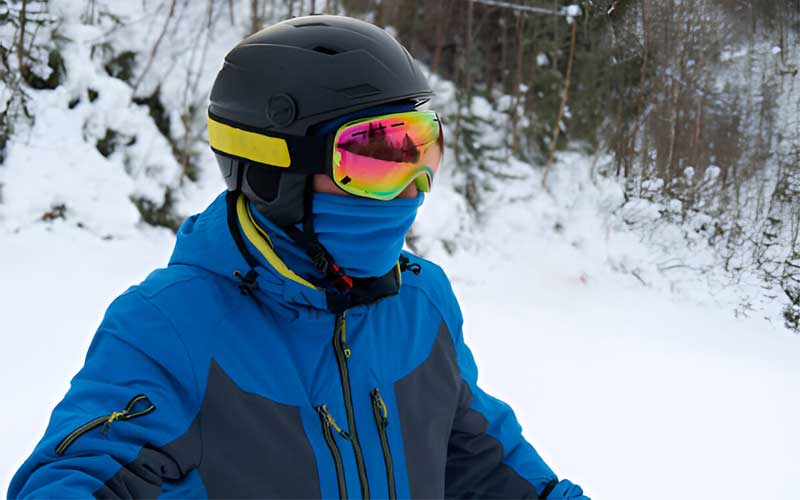
Choosing the right waterproof ski jacket can make the difference between an unforgettable day on the slopes and a miserable, soggy experience. With dozens of brands, technologies, and price points on the market, the decision can feel overwhelming. This guide breaks down everything you need to know—from waterproof ratings and breathability to fit, features, and budget—so you can confidently pick a jacket that keeps you dry, warm, and comfortable all season long.
Why a Waterproof Ski Jacket Matters
Skiing and snowboarding involve falling snow, wet chairlifts, and the occasional wipeout. A regular winter coat may keep you warm, but it will soak through quickly when exposed to melting snow or rain. A proper ski jacket uses specialized fabrics and construction to block moisture from the outside while allowing sweat vapor to escape from the inside. Without this balance, you will either get wet from the snow or wet from your own perspiration—both of which lead to rapid cooling and a ruined day.
Understanding Waterproof Ratings
Waterproofing is measured in millimeters (mm) using a hydrostatic head test. This test determines how much water pressure a fabric can withstand before leaking. The higher the number, the more waterproof the jacket.
| Rating (mm) | Level of Waterproofing | Best For |
|---|---|---|
| 0–1,500 mm | Water-resistant only | Light snow, urban use |
| 1,500–5,000 mm | Basic waterproofing | Occasional resort skiing, dry climates |
| 5,000–10,000 mm | Good waterproofing | Most resort skiing, moderate snow |
| 10,000–20,000 mm | Very waterproof | Wet snow, heavy snowfall, all-day riding |
| 20,000 mm and above | Extremely waterproof | Backcountry, wet coastal climates, extreme conditions |
For most recreational skiers, a rating between 10,000 mm and 20,000 mm strikes the best balance between protection and price. If you ski primarily in dry, cold climates like Colorado or Utah, 10,000 mm is often sufficient. If you ride in the Pacific Northwest, Japan, or the Alps where wet snow is common, aim for 20,000 mm or higher.
Breathability: The Other Half of the Equation
Waterproofing keeps moisture out, but breathability lets moisture escape. Breathability is measured in grams of water vapor per square meter per 24 hours (g/m²/24h). A jacket with a breathability rating of 5,000g is basic, while 20,000g and above is excellent.
Why Breathability Matters
- Prevents overheating: Skiing is physically demanding, and your body produces sweat even in cold temperatures.
- Reduces condensation: Without breathability, sweat vapor condenses inside the jacket, leaving you clammy.
- Improves comfort: A breathable jacket regulates your microclimate, keeping you dry from the inside out.
Look for jackets with a balance between waterproofing and breathability. A 20,000 mm / 20,000g jacket is excellent for high-output skiing, while a 10,000 mm / 10,000g jacket is fine for leisurely resort days.
Waterproof Technologies and Materials
Most waterproof ski jackets use one of three main technologies: membrane laminates, coated fabrics, or DWR-treated shells.
Membrane Laminates
These are the gold standard. A thin, porous membrane (like Gore-Tex, eVent, or proprietary brand membranes) is bonded to the outer fabric. The membrane blocks liquid water but allows water vapor to pass through. Examples include:
- Gore-Tex: Industry leader, highly durable and waterproof.
- eVent: Excellent breathability, often used in technical gear.
- Pertex Shield: Lightweight and packable, good for touring.
- Brand-specific membranes: Patagonia’s H2No, The North Face’s DryVent, Columbia’s Omni-Tech.
Coated Fabrics
These use a liquid polyurethane or similar coating applied to the inside of the fabric. They are less breathable than membranes but more affordable. Good for budget-conscious skiers or casual use.
DWR (Durable Water Repellent) Treatments
Most jackets have a DWR finish on the outer fabric to make water bead up and roll off. DWR is not a substitute for waterproofing—it is a first line of defense. Over time, DWR wears off and must be renewed with a spray or wash-in treatment.
Fabric Construction: 2L, 2.5L, and 3L
The number of layers in a jacket’s construction affects durability, breathability, and weight.
| Construction | Description | Pros | Cons |
|---|---|---|---|
| 2L (Two-layer) | Outer fabric + membrane, with a separate lining | Comfortable, affordable, warm | Bulkier, heavier, lining can soak up sweat |
| 2.5L (Two-and-a-half-layer) | Outer fabric + membrane + printed or sprayed inner protective layer | Lightweight, packable, good breathability | Less durable, can feel plasticky against skin |
| 3L (Three-layer) | Outer fabric + membrane + inner scrim bonded together | Most durable, best breathability, no separate lining | Most expensive, stiffer feel initially |
For resort skiing, 2L or 2.5L jackets are usually sufficient. For backcountry touring or harsh conditions, 3L is worth the investment.
Key Features to Look For
Beyond waterproofing and breathability, the right features can make or break your ski jacket experience.
Hood
- Helmet-compatible: Essential if you wear a helmet. Look for an adjustable hood with a rear drawcord.
- Removable: Adds versatility for apres-ski or warmer days.
- Wire-brimmed: Keeps snow and rain off your face.
Pockets
- Handwarmer pockets: Fleece-lined for cold fingers.
- Chest pocket: For phone, pass, or snacks.
- Internal goggle pocket: Soft, scratch-free storage.
- Sleeve pocket: Convenient for lift passes.
- Internal mesh pockets: For gloves or water bottles.
Ventilation
- Pit zips: Underarm vents that let you dump heat quickly. Essential for high-output skiing.
- Mesh-backed vents: Prevent snow from entering while allowing airflow.
Powder Skirt
A powder skirt is an elasticized inner hem that seals around your waist to prevent snow from entering when you fall. Removable powder skirts add versatility.
Wrist Gaiters and Adjustable Cuffs
These seal around your wrists to keep snow out of your sleeves. Look for hook-and-loop (Velcro) adjustable cuffs and thumbhole wrist gaiters for extra protection.
Seam Sealing
All seams should be fully taped or sealed. Critically taped seams (only in high-exposure areas) are less protective than fully taped seams.
Fit and Sizing
A ski jacket should fit comfortably over a base layer and a midlayer without being restrictive. Here are some fit considerations:
- Room for layering: You need space for a thermal base layer and a fleece or down midlayer.
- Articulated sleeves: Pre-bent elbows allow natural movement.
- Length: Jackets should cover your hips and ideally have a drop hem in the back.
- Adjustability: Hem drawcords, cuff adjustments, and hood cinches let you customize the fit.
- Try before you buy: Sizing varies by brand. Always check the size chart and read reviews.
Insulated vs. Shell Jackets
One of the biggest decisions is whether to buy an insulated jacket or a shell (uninsulated) jacket.
| Type | Description | Best For |
|---|---|---|
| Insulated | Built-in synthetic or down insulation | Cold, dry climates; skiers who run cold; convenience |
| Shell | No insulation; just waterproof/breathable fabric | Versatility; layering; high-output skiing; variable conditions |
| 3-in-1 | Shell + removable insulated liner | All-around use; changing conditions; travel |
Shells are more versatile because you can add or remove layers as needed. Insulated jackets are more convenient but less adaptable. A 3-in-1 jacket offers the best of both worlds.
Budget Considerations
Ski jackets range from under $100 to over $800. Here is what you can expect at different price points:
- Budget ($50–$150): Basic waterproofing (5,000–10,000 mm), limited breathability, fewer features. Good for occasional skiers.
- Mid-range ($150–$350): 10,000–20,000 mm waterproofing, good breathability, pit zips, helmet-compatible hood. Best value for most skiers.
- Premium ($350–$600): 20,000 mm+ waterproofing, Gore-Tex or equivalent, 3L construction, excellent breathability, all features.
- High-end ($600+): Top-tier materials, ultralight, packable, designed for backcountry or extreme conditions.
Remember that a more expensive jacket is not always better for your needs. A $200 jacket with 15,000 mm waterproofing and pit zips may serve you better than a $600 ultralight shell if you ski mostly at resorts.
Care and Maintenance
To keep your jacket performing, follow these care tips:
- Wash regularly: Dirt and oils clog the fabric and reduce breathability. Follow the manufacturer’s instructions.
- Use technical wash: Avoid regular detergents, fabric softeners, and bleach. Use a gentle, technical cleaner like Nikwax Tech Wash.
- Renew DWR: After washing, apply a DWR spray or wash-in treatment.
- Tumble dry low: Heat can reactivate DWR. Check the care label.
- Store properly: Hang in a cool, dry place. Avoid stuffing into a tight bag for long periods.
Final Checklist Before Buying
Use this checklist to ensure you cover all bases:
- Waterproof rating of at least 10,000 mm (20,000 mm for wet climates).
- Breathability rating of at least 10,000g (20,000g for high-output skiing).
- Fully taped seams.
- Helmet-compatible, adjustable hood.
- Pit zips for ventilation.
- Powder skirt (removable preferred).
- Adjustable cuffs and wrist gaiters.
- Multiple pockets including internal goggle pocket.
- Proper fit for layering.
- DWR finish and care instructions.
- Reputable brand with good warranty and customer service.
Conclusion
Choosing a waterproof ski jacket comes down to understanding your skiing environment, your activity level, and your budget. Prioritize waterproofing and breathability ratings that match your conditions, decide between an insulated jacket or a shell based on your layering preferences, and pay attention to features like hood compatibility, ventilation, and pocket layout. With the right jacket, you will stay dry, comfortable, and focused on the snow—not the weather. Take your time, read reviews, try on multiple options if possible, and invest in a jacket that will serve you for many seasons on the mountain.