Best Snowboard Jackets for Men of 2026
Hitting the slopes is all about fun, but freezing winds and wet snow can ruin your day fast. That’s why a great snowboard jacket is a must-have. It keeps you warm, dry, and comfortable so you can focus on your ride. With so many options out there, finding the right one can feel tricky. This guide breaks down the best men’s jackets for every style and budget, helping you choose the perfect layer for your next mountain adventure.
1. Burton AK Swash
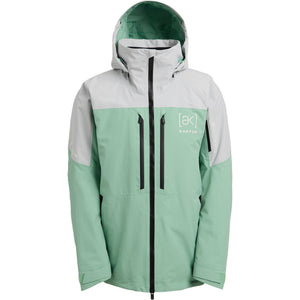
- Waterproof Rating: 28,000mm GORE-TEX 2-layer protection
- Breathability Rating: 20,000g for optimal vapor transfer
- Insulation: 60g PrimaLoft® zonal core insulation
- Seam Sealing: Fully taped seams to lock out moisture
The Burton AK Swash is a premium powerhouse built for rider who face harsh winter environments. By focusing warmth primarily around your core while keeping the arms uninsulated, it offers the perfect balance of mobility and thermal regulation during heavy exertion.
Its high-tier waterproofing ensures you stay bone-dry even in heavy, wet snow. The helmet-compatible fixed hood and integrated powder skirt keep spindrift at bay, making this regular-fit jacket a trusted companion for dedicated resort and backcountry enthusiasts alike.
Pros: Excellent targeted warmth, industry-leading waterproofing, full seam taping.
Cons: High premium price tag, targeted insulation might feel uneven to some.
2. The North Face Freedom Insulated
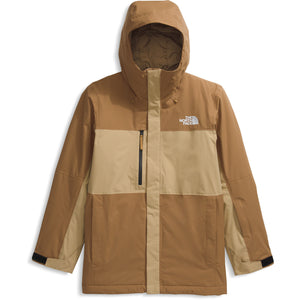
- Construction: 2-layer protective polyester shell
- Insulation Type: 80g highly resilient synthetic fill
- Fit & Length: Regular fit with standard hip-length cut
- Hood Design: Fixed, fully helmet-compatible hood structure
The North Face Freedom Insulated jacket delivers straightforward resort performance and dependable winter weather protection. Packed with eighty grams of synthetic insulation, it provides robust warmth that keeps you comfortable on freezing chairlift rides without feeling overly bulky or restrictive.
Equipped with essential features like a dedicated powder skirt and a spacious helmet-compatible hood, this jacket focuses on functional comfort. It is a highly practical option for weekend riders seeking reliable everyday durability without paying premium technical shell prices.
Pros: Generous all-over warmth, durable construction, excellent everyday value.
Cons: Lacks advanced high-tier waterproofing ratings, heavier than technical shells.
See the The North Face Freedom Insulated
3. Mountain Hardwear Boundary Ridge
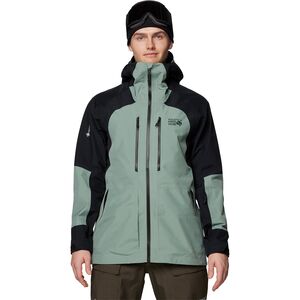
- Fabric Type: Heavy-duty GORE-TEX 3-layer construction
- Storage Capacity: 5 external pockets and 2 internal drop-in pockets
- Safety Feature: Integrated RECCO avalanche rescue reflector
- Weight & Length: 1 lb 10 oz total weight with a 32-inch back length
The Mountain Hardwear Boundary Ridge is a bombproof fortress designed specifically for deep snow days and demanding big-mountain lines. Utilizing a premium three-layer GORE-TEX textile, it completely deflects howling winds, driving sleet, and freezing rain while maintaining great breathability.
Ample pocket space allows you to store extra goggles, skins, and snacks effortlessly, while underarm pit zips provide instant temperature regulation. The active fit hugs the body nicely, making it ideal for aggressive freeriders who demand top-tier durability.
Pros: Bombproof three-layer durability, massive pocket storage, integrated safety reflector.
Cons: Completely uninsulated shell, active fit may limit extra-thick midlayers.
See the Mountain Hardwear Boundary Ridge
4. Stio Figment
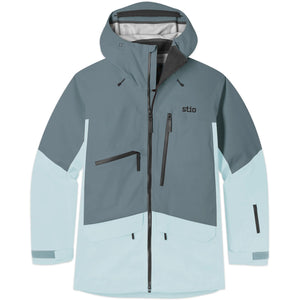
- Material Composition: Sustainable 3-layer recycled polyester
- Waterproof Rating: 20,000mm hydrostatic head protection
- Breathability Rating: 10,000g moisture vapor transmission
- Accolade: Outside Magazine Gear of the Year winner
- Insulation: Uninsulated shell for custom layering
The Stio Figment shell stands out as an award-winning choice for riders prioritizing eco-conscious manufacturing and clean styling. Its robust three-layer recycled polyester fabric provides thorough storm defense while remaining remarkably supple and quiet during dynamic downhill movements.
Because it features zero built-in insulation, this regular-fit jacket acts as a versatile outer barrier for personalized layering strategies. It transitions smoothly from crisp spring touring days to mid-winter resort storms with the help of its fully taped seams.
Pros: Premium recycled materials, award-winning design, highly flexible fabric feel.
Cons: Modest breathability rating for high-output uphill touring, requires separate midlayers.
5. REI Co-op Powderbound Insulated

- Waterproofing Technology: Peak 2-layer laminate with nylon fabric
- Zonal Insulation: 80g body synthetic fill, 60g sleeve fill
- Jacket Weight: 1 lb 14.3 oz total weight profile
- Coverage Dimensions: Thigh-length cut with a 33.75-inch back length
The REI Co-op Powderbound Insulated jacket is tailored perfectly for those who want extended coverage and high-tier thermal performance. Its extended thigh-length silhouette offers extra protection against cold chairlift seats and prevents snow from riding up your back.
By mapping more insulation in the core and less in the sleeves, the jacket keeps you toasty warm without limiting arm mobility. Helpful pit zips allow you to dump heat quickly whenever the afternoon sun or terrain output starts warming up.
Pros: Extended lower body coverage, smart mapped insulation, bluesign approved fabrics.
Cons: Longer cut might feel restrictive to some park riders, slightly heavy.
See the REI Co-op Powderbound Insulated
6. Burton AK Cyclic
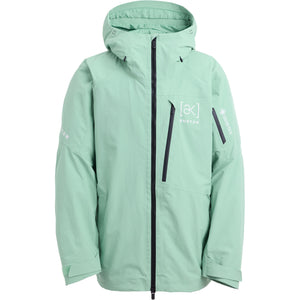
- Shell Material: Recycled nylon combined with GORE-TEX
- Waterproof Rating: 28,000mm high-performance boundary protection
- Breathability Rating: 20,000g exceptional active moisture control
- Powder Skirt: Ergonomic removable zip-out powder skirt
The Burton AK Cyclic is a legendary uninsulated shell built for riders who prefer adjusting their warmth via technical underlayers. Featuring top-tier GORE-TEX membrane technology, it effortlessly manages heavy internal sweat output while fully blocking external winter downpours.
Its regular fit allows ample room for fleece or down midlayers without creating an overly baggy silhouette. With fully taped seams and a removable powder skirt, it easily shifts roles from casual resort carving to intensive backcountry splitboarding hikes.
Pros: Exceptional breathability, top-tier waterproofing, adaptable removable powder skirt.
Cons: Provides zero inherent warmth on its own, requires thoughtful layering.
7. 686 GORE-TEX GT Thermagraph
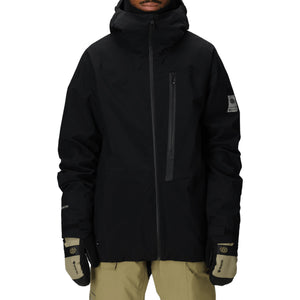
- Membrane Type: Next-generation eco-friendly GORE-TEX ePE
- Waterproof Rating: 28,000mm standard defensive barrier
- Breathability Rating: 20,000g active moisture dispersion
- Insulation System: Integrated fleece lining accents
The 686 GORE-TEX GT Thermagraph offers an innovative take on mountain climate control by pairing an outer shell with strategically placed fleece. Utilizing the updated GORE-TEX ePE membrane, it delivers fantastic waterproof performance while drastically reducing its environmental footprint.
Though technically classified as an uninsulated shell, the internal fleece lining provides just enough touch-points of warmth where your body needs it most. It is an excellent hybrid solution for riders who find traditional insulated jackets way too hot.
Pros: Eco-forward ePE membrane, clever localized fleece warmth, high waterproofing limits.
Cons: Hybrid design fits a niche preference, not warm enough for true freezing days.
See the 686 GORE-TEX GT Thermagraph
8. Arc’teryx Beta
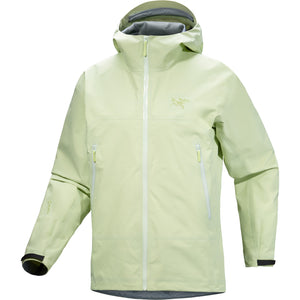
- Fabric Layering: Advanced 3-layer GORE-TEX ePE laminate
- Waterproof Rating: 28,000mm absolute maximum water barrier
- Breathability Rating: 20,000g highly efficient vapor release
- Powder Skirt: Streamlined design with no powder skirt
The Arc’teryx Beta jacket is a masterclass in minimalist design, targeting riders who want multi-sport utility out of their outerwear. Engineered with a premium three-layer GORE-TEX ePE fabric, this regular-fit jacket stands up to brutal mountain weather while remaining incredibly lightweight.
Because it lacks a traditional powder skirt, it trades deep-powder specialization for clean, unrestricted movement and excellent cross-seasonal versatility. It functions flawlessly as a sleek, fully taped snowboard shell, an alpine hiking jacket, or a rainy city slicker.
Pros: Ultralight three-layer build, incredible versatility across seasons, top-tier construction finish.
Cons: Missing a snow-blocking powder skirt, premium price for a stripped-back design.
How to Choose Snowboard Jackets for Men
Picking the right snowboard jacket is about more than just looking cool on the mountain. It is your first line of defense against wind, snow, and freezing temperatures. A good jacket keeps you dry, comfortable, and safe, so you can focus on carving turns and having fun. With so many styles, materials, and features on the market, the choice can feel overwhelming. This guide breaks down everything you need to know, from waterproof ratings to fit and insulation. By the end, you will know exactly what to look for when buying your next men’s snowboard jacket.
Understand Your Riding Style
Before you look at any jackets, think about how and where you ride. Your style will decide which features matter most to you.
All-Mountain Riding
If you ride a bit of everything, from groomed trails to off-piste powder, you need a versatile jacket. Look for a balance of waterproofing, breathability, and light insulation. A medium-weight jacket with a hood and powder skirt works well for most days.
Park and Freestyle
Park riders spend a lot of time in the air, on rails, and in the terrain park. You need a jacket that is relaxed and flexible. Look for a looser fit with extra stretch in the fabric. Park jackets often have fewer layers and less insulation, so you can layer up or down depending on the weather.
Backcountry and Powder
If you hike or ski tour into deep snow, your jacket needs to be tough and highly breathable. You will work up a sweat hiking, so ventilation zips are a must. A waterproof and windproof shell with minimal insulation works best. This allows you to add base layers underneath for warmth.
Waterproofing and Breathability
These two features work together. Waterproofing keeps moisture out, while breathability lets sweat escape. If a jacket is not breathable, you will get wet from the inside out.
Waterproof Ratings
Most brands use a waterproof rating measured in millimeters. Here is a simple breakdown:
| Rating (mm) | Protection Level | Best For |
|---|---|---|
| 5,000 – 8,000 | Light rain and dry snow | Mild weather, casual riding |
| 10,000 – 15,000 | Moderate rain and wet snow | All-mountain, everyday use |
| 20,000+ | Heavy rain and extreme conditions | Backcountry, deep powder, storms |
For most riders, a rating of 10,000mm to 15,000mm is a good sweet spot.
Breathability Ratings
Breathability is shown in grams (g) of water vapor that can pass through a square meter of fabric in 24 hours. The higher the number, the better.
- Under 10,000g: Low breathability. Fine for cold days with low activity.
- 10,000g – 15,000g: Good breathability for most riding.
- 15,000g+: High breathability for intense activity and spring riding.
Remember, a jacket with great waterproofing but poor breathability will feel clammy and cold. Try to choose a jacket that balances both numbers.
Insulation Types
Insulation keeps you warm. The type you choose depends on how cold you get and how active you are.
Synthetic Insulation
This is the most common type for snowboard jackets. It is made from polyester fibers that trap heat. The big advantage is that synthetic insulation keeps you warm even when wet. It also dries quickly and is usually more affordable than down. Popular examples include PrimaLoft and Thinsulate.
Down Insulation
Down is natural goose or duck feathers. It is incredibly warm for its weight and packs down small. However, down loses its insulating power when wet. For snowboarding, down is best for very cold, dry conditions. Some brands now use water-resistant down to fix this issue.
Non-Insulated Shells
A shell jacket has no built-in insulation. It is just a waterproof and breathable outer layer. Shells are great because you can add or remove layers underneath. This makes them perfect for variable weather and high-energy riding. Many advanced riders prefer shells for their flexibility.
Fit and Sizing
Snowboard jackets fit differently than regular winter coats. A good fit improves comfort and movement.
Regular Fit
This is a standard, relaxed cut. It gives you room to move without being too baggy. Regular fit works for most body types and riding styles.
Loose Fit
Loose or baggy fits are popular in the park. They offer maximum freedom and allow for thick layers underneath. Keep in mind that a very loose jacket can let in cold air if not sealed well.
Slim Fit
Slim fit jackets are more tailored. They cut down on extra fabric, which reduces drag and keeps you warmer. These are good for all-mountain riding and backcountry tours where you want a clean, efficient profile.
Tip: Always try on a jacket with your base layer and mid-layer underneath. Your arms should reach up without the jacket pulling up too much. The sleeves should cover your wrists when your arms are down.
Key Features to Look For
The small details can make a huge difference in comfort and performance. Here are the most useful features on a men’s snowboard jacket.
Powder Skirt
A powder skirt is an elastic band inside the waist of the jacket. It clips around your pants to keep snow from getting in. This is essential for deep powder days. Many skirts are removable, which is nice for warmer days.
Ventilation Zips
These are zippers located under the armpits. They let you dump heat quickly without taking your jacket off. This is a lifesaver when you work up a sweat on a climb or a long run.
Hood Compatibility
Make sure the hood is large enough to fit over a helmet. An adjustable hood with drawstrings helps you tighten it for stormy weather. Some jackets have a removable hood, which gives you more options.
Pockets
Think about what you carry. Most jackets have:
- Handwarmer pockets at the sides.
- Chest pockets for a phone or pass.
- Sleeve pockets for a lift pass (easy scanning).
- Goggle wipe or microfiber cloth inside one pocket.
Wrist Gaiters
These are stretchy cuffs inside the sleeves with a thumbhole. They keep snow from going up your arms and help keep your gloves in place. They also add a little extra warmth.
Fabrics and Materials
The outer fabric affects durability, weight, and feel.
Nylon
Nylon is tough, abrasion-resistant, and lightweight. It is a popular choice for snowboard jackets because it holds up well against tree branches and ice.
Polyester
Polyester is also strong but tends to be a bit softer. It holds color well and resists UV damage. Many budget-friendly jackets use polyester blends.
Gore-Tex and Proprietary Membranes
Brands like Gore-Tex, DryVent, and H2No are waterproof and breathable membranes. They are bonded to the outer fabric. These jackets cost more but deliver top-tier protection. If you ride in wet or stormy conditions often, they are worth the investment.
Seams and Zippers
Check how the jacket is put together.
- Fully Taped Seams: All seams are sealed with waterproof tape. This keeps water from leaking through the stitches. This is a must for wet conditions.
- Critically Taped Seams: Only the main seams are taped. This is fine for dry, cold climates.
- Waterproof Zippers: These stop water from seeping in through the zipper teeth. Look for them on chest and pocket zippers.
Layering System
Your jacket is just one part of your outfit. To stay comfortable all day, use a layering system:
- Base Layer: A thin, moisture-wicking shirt next to your skin. Merino wool or synthetic fabrics work best. Avoid cotton.
- Mid Layer: A fleece, light puffy, or wool sweater for extra warmth. You can add or remove this as the temperature changes.
- Outer Layer (Jacket): Your snowboard jacket. It blocks wind and precipitation while allowing sweat to escape.
This system lets you adjust your warmth throughout the day without carrying a heavy, bulky jacket.
Budget and Value
Snowboard jackets range from under $100 to over $600. Here is what you get at different price points:
| Price Range | What to Expect |
|---|---|
| Under $150 | Basic waterproofing and insulation. Fewer features. Good for beginners or occasional riders. |
| $150 – $300 | Better materials, reliable waterproof ratings, and useful features like vents and powder skirts. Great value for most riders. |
| $300 – $500 | High-quality fabrics like Gore-Tex. Better breathability, durable zippers, and advanced fit. For serious riders. |
| $500+ | Top-tier performance, lightweight materials, and premium insulation. Designed for backcountry and extreme conditions. |
Remember, the most expensive jacket is not always the best for you. Focus on the features you actually need for your riding style and local weather.
Care and Maintenance
Taking care of your jacket extends its life. Here are a few simple tips:
- Wash your jacket only when it is dirty. Over-washing can damage the waterproof coating.
- Use a technical cleaner made for waterproof gear. Normal detergents can leave residues.
- Dry your jacket on low heat or air dry. Tumble drying on low can actually reactivate the water-repellent finish.
- Reapply a DWR (durable water repellent) spray every season to keep water beading on the surface.
Final Thoughts
Choosing the right snowboard jacket does not have to be hard. Start with your riding style, then pick a waterproof and breathability rating that matches your local weather. Decide if you want insulation or a shell, and always try the jacket on with your base layers. Pay attention to small details like vents, pockets, and hood fit. A good jacket is an investment in your comfort and safety. Take your time, compare your options, and you will find a jacket that keeps you warm and happy on every ride.