Best Snowboard Pants for Men of 2026
When you’re out on the mountain, staying warm and dry makes all the difference. The right pair of snowboard pants keeps the snow out, lets you move freely, and helps you ride longer without getting cold or wet. Whether you’re a beginner or a seasoned pro, choosing the best pair can be tricky with so many options out there. This guide breaks down the top men’s snowboard pants for every style and budget, so you can find the perfect fit for your next ride.
1. Burton AK Cyclic
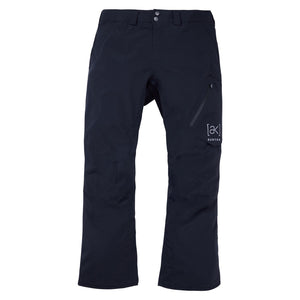
- Material: GORE-TEX, Recycled Polyester
- Waterproof Rating: 28000mm
- Breathability: 20000g
- Insulation: Uninsulated (Shell)
The Burton AK Cyclic bib pants are designed for high-performance riding in challenging backcountry environments. Utilizing a premium two-layer GORE-TEX membrane, they offer incredible waterproof protection and impressive breathability to keep you dry during heavy exertion. The shell construction ensures total freedom of movement and makes layering effortless depending on the conditions.
Featuring a comfortable regular fit, these fully taped pants include integrated bibs and suspenders for maximum snow exclusion. They are ideal for active riders who prioritize weatherproofing over built-in warmth. The lack of belt loops is countered by the secure bib design, ensuring a reliable fit all day.
Pros: Exceptional waterproofing, highly breathable, premium shell flexibility.
Cons: Lacks belt loops, provides zero built-in warmth.
2. The North Face Freedom
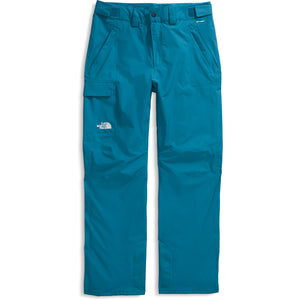
- Material: Recycled Polyester, Recycled Nylon
- Construction Type: 2 Layer
- Insulation: Uninsulated (Shell)
- Seam Sealing: Fully Taped
The North Face Freedom pants deliver dependable, uncomplicated performance for resort skiers and snowboarders seeking durable legwear. Built with a two-layer shell configuration, these pants excel at blocking wind and moisture while offering a standard regular fit. Their eco-conscious construction utilizes recycled fabrics without compromising on mountain toughness.
Because they are completely uninsulated, you can easily control your microclimate by adjusting your base layers beneath them. Fully taped seams provide added assurance against wet chairlift seats. The waist is equipped with functional belt loops, though riders who prefer bib setups will need to look elsewhere.
Pros: Durable recycled fabrics, versatile shell layering, fully taped seams.
Cons: No integrated bib or suspenders, requires thermal underlayers.
View at evo View at Backcountry
3. REI Co-op Powderbound Insulated

- Fabric: Nylon (bluesign approved)
- Type of Waterproofing: 2-layer Peak laminate
- Insulation: 40 g polyester synthetic
- Weight: 1 lb. 9.4 oz.
The REI Co-op Powderbound snow pants focus heavily on cold-weather comfort and functional value for resort enthusiasts. They blend a proprietary two-layer Peak waterproof and windproof laminate with light synthetic insulation. This structure traps body heat effectively on freezing days while successfully deflecting heavy mountain winter winds.
Equipped with bluesign-approved materials, these pants feature integrated powder cuffs that firmly seal out deep snow. They offer multiple inseam options to accommodate different leg lengths perfectly. While the built-in insulation provides excellent warmth, it makes them less adaptable for warm spring riding sessions.
Pros: Integrated warm insulation, eco-friendly fabrics, multiple inseams available.
Cons: Can run too warm in spring, slightly heavier build.
See the REI Co-op Powderbound Insulated
4. The North Face Freedom Bib
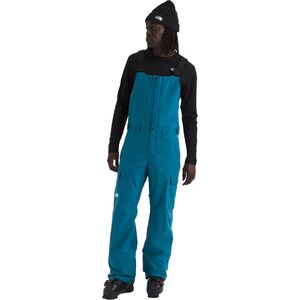
- Inseam: 32 inches (medium/regular)
- Venting: Chimney Venting, inner-thigh zips
- Pockets: 1 chest, 2 hand, 2 cargo
- Claimed Weight: 2 lb. 1.2 oz.
The North Face Freedom Bib updates a classic resort silhouette with extended coverage to keep blowing powder out. This bib style features adjustable suspenders and a clever Chimney Venting system paired with inner-thigh zippers for quick cooling. It provides ample storage options across the chest, hands, and thighs.
Featuring robust gripper elastic gaiters, these bibs stay locked over your snowboard boots during deep turns. The comprehensive pocket layout makes carrying small gear items highly convenient. However, the extra fabric up top increases the overall weight compared to standard waist-high options.
Pros: Excellent deep snow protection, abundant storage pockets, lifetime warranty.
Cons: Noticeably heavier weight, bulkier upper torso section.
See the The North Face Freedom Bib
5. Helly Hansen Alpha Lifaloft
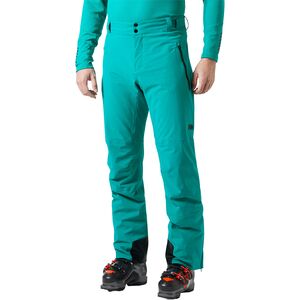
- Waterproof Rating: 11,000mm
- Seams: Fully sealed
- Venting: Outer thigh zips
- Claimed Weight: 1 lb. 7.5 oz. (medium)
Helly Hansen’s Alpha Lifaloft pants combine a highly athletic, regular-fitting design with advanced safety features for resort riding. Featuring a respectable waterproof rating and fully sealed seams, they protect efficiently against standard winter precipitation. They also come equipped with an integrated RECCO rescue reflector for added mountain security.
The adjustable waist tabs allow for a fine-tuned fit, while the zippered gusset cuffs make boot management simple. Outer thigh zippers are positioned perfectly to let heat dump out quickly during warm afternoons. The waterproofing is adequate, though less robust than high-end technical membranes.
Pros: Built-in RECCO safety reflector, lightweight feel, adjustable waist tabs.
Cons: Lower waterproof rating, minimal storage space.
See the Helly Hansen Alpha Lifaloft
6. The North Face Freedom Insulated
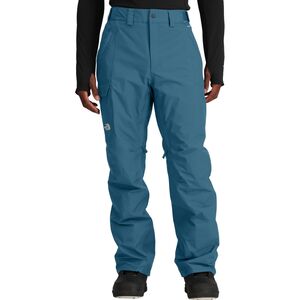
- Seams: Fully sealed
- Inseam Options: 30in (short), 32in (regular), 34in (long)
- Venting: Mesh-lined inner-thigh zips
- Claimed Weight: 1 lb. 5.6 oz.
The North Face Freedom Insulated pants balance cozy warmth with traditional resort styling for freezing lift rides. These pants feature fully sealed seams and adjustable waist tabs to customize the fit comfortably over your layers. Mesh-lined inner-thigh zippers prevent snow from entering when you open up the vents.
Available in three distinct inseam lengths, they easily accommodate shorter or taller snowboarders. Fixed cuffs and gripper elastic gaiters keep moisture from riding up your legs. The insulation is ideal for cold winter days, though it limits versatility during warm spring slush sessions.
Pros: Tailored length options, warm insulated core, mesh-protected vents.
Cons: Fixed cuff design, less ideal for warm weather.
See the The North Face Freedom Insulated
7. Outdoor Research Snowcrew Bib
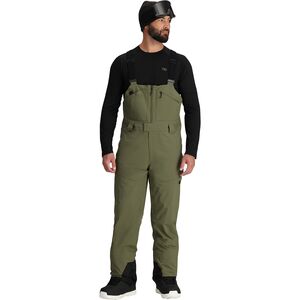
- Seams: Fully sealed
- Venting: Mesh-backed inner thigh
- Pockets: 2 thigh, 2 chest, 1 beacon
- Claimed Weight: 1 lb. 7.6 oz.
The Outdoor Research Snowcrew Bib is a highly technical option built for dedicated skiers and snowboarders. It features a fully sealed regular fit with highly specific storage layout, including a dedicated beacon pocket. The mesh-backed inner thigh vents keep you cool during intense ascents without letting loose powder in.
With an extensive range of short, regular, and long inseams mapped across sizes, finding the right fit is easy. Adjustable suspenders and internal stretch mesh gaiters provide exceptional protection against deep snow drifts. The technical pocket design requires some organization to avoid looking bulky.
Pros: Dedicated avalanche beacon pocket, highly customizable sizing, lightweight bib layout.
Cons: Complex pocket configuration, bib style adds torso warmth.
See the Outdoor Research Snowcrew Bib
8. Stio Figment Bibs
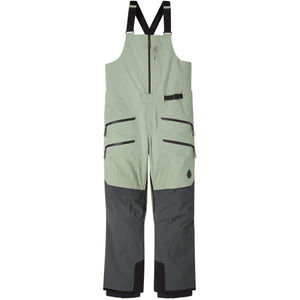
- Construction Type: 3 Layer
- Waterproof Rating: 20000mm
- Breathability: 10000g
- Insulation: Uninsulated (Shell)
The Stio Figment Bibs utilize an advanced three-layer construction type designed to withstand raw mountain elements. Featuring a regular fit and fully taped seams, they provide a stout barrier against wet environments. The shell design offers zero insulation, serving as a protective outer shield for customized layering.
Equipped with integrated suspenders, these bibs eliminate the need for belt loops while preventing waistline draft. They deliver reliable waterproofing, though the breathability rating is slightly lower than some high-performance touring alternatives. This makes them best suited for heavy resort days and short backcountry tours.
Pros: Durable 3-layer construction, total deep snow coverage, reliable waterproofing.
Cons: Moderate breathability limits, no waist belt loops.
How to Choose Snowboard Pants for Men
Walking into a snowboard shop or scrolling through endless online options can feel overwhelming. There are shells, insulated pants, bibs, Gore‑Tex, vents, zippers, and price tags that make your eyes water. But here is the good news: choosing the right snowboard pants does not have to be complicated. Once you know a few key things about yourself and your riding style, the decision becomes much easier. This guide walks you through every important factor, from fit and fabric to vents and pockets, so you can ride comfortably all day long.
Know Your Riding Style
Before you look at any pants, ask yourself: What kind of riding do I do most? Your answer will shape every other choice you make.
Resort / Groomer Riders
If you stick to marked trails and chairlifts, you want pants that are comfortable, easy to put on, and warm enough for lift rides. You do not need ultra‑lightweight materials, but you do want good breathability because you will be working up a sweat on runs. Insulated pants are a popular choice here.
Backcountry / Off‑Piste Riders
If you hike, splitboard, or ride deep powder, weight and breathability become critical. You will generate a lot of heat walking up, so you need pants that vent well and dry quickly. Shell pants (no insulation) are usually best because you can layer underneath based on the weather.
Park / Freestyle Riders
If you spend your day hitting rails, jumps, and boxes, you need pants with extra durability in high‑wear areas (knees, seat, cuffs). A relaxed or baggy fit gives you freedom to move and bend. Look for reinforced fabrics and stretch panels.
Insulation: Shell vs. Insulated Pants
This is one of the biggest decisions you will make. Both types have clear pros and cons.
Shell Pants
Shell pants have no built‑in insulation. They are just the outer waterproof layer. You control warmth by adding base layers and mid‑layers underneath. Shells are lighter, more breathable, and dry faster. They work great for spring riding, backcountry tours, or anyone who runs hot. The downside? You have to buy extra layers for cold days.
Insulated Pants
These come with a layer of synthetic or down insulation sewn inside. They are warmer right out of the gate, so you need fewer layers underneath. They are ideal for cold resort days, beginners who do not want to mess with layering, and riders who get cold easily. The downsides: they are bulkier, less breathable, and take longer to dry if they get wet.
Many riders own both: a shell for spring and backcountry, and an insulated pair for deep winter. If you can only buy one, think about the typical weather where you ride most.
Waterproofing and Breathability
These two numbers are usually printed on the pants’ label. They look like 10K/10K or 15K/20K. Here is what they mean:
- Waterproof rating (first number): How much water pressure the fabric can handle before leaking. Measured in millimeters.
- Breathability rating (second number): How much moisture (sweat) can escape through the fabric in 24 hours. Measured in grams.
Use this simple guide to choose:
| Rating | Waterproof | Breathability | Best For |
|---|---|---|---|
| 5K / 5K | Light rain / dry snow | Low | Occasional riders, mild weather |
| 10K / 10K | Moderate snow / wet snow | Medium | Most resort riders, all‑around use |
| 15K / 15K | Heavy snow / wet conditions | High | Frequent riders, wetter climates |
| 20K+ / 20K+ | Extreme storms / rain | Very high | Backcountry, professionals, harsh weather |
For most weekend resort riders, 10K/10K is perfectly fine. If you ride in the Pacific Northwest or wetter regions, go for 15K or higher.
Fit and Sizing
Snowboard pants come in three main fits. Your choice affects both comfort and style.
Regular / Slim Fit
These follow your natural body shape without being tight. They are comfortable, reduce extra fabric flapping, and work well for all‑mountain riding. Good for riders who want a clean, modern look.
Baggy / Loose Fit
These have extra room in the thighs, seat, and legs. Park riders love them because they allow full range of motion for tricks. They also make layering easy. The downside: more fabric can feel heavy when wet, and they catch more wind.
Stretch Fit
Some pants now include spandex or elastane for four‑way stretch. These move with your body like a pair of joggers. They are great for freeride and backcountry where you need to hike and bend a lot.
Sizing tip: Always try pants on with your snowboard boots and base layers. Pants should sit comfortably at your waist or slightly below – not too low that snow gets in, not too high that they restrict movement. The inseam should cover the top of your boots without dragging on the ground.
Key Features to Look For
Beyond the basics, small details can make or break your day on the mountain. Here are the most useful features to check:
Vents (Zippered Openings)
Most pants have thigh vents – zippers that open to let heat escape. These are lifesavers on warm spring days or after a tough run. Look for mesh‑lined vents so snow does not get in when they are open. Longer vents (from hip to knee) provide better airflow.
Gaiters (Inner Snow Skirts)
These are elastic cuffs at the bottom of the pant legs that wrap around your boots. They keep snow from sneaking up your legs. Some pants have lace hooks that attach to your boot laces for extra security. Do not skip this – a good gaiter is your best defense against wet socks.
Pockets
Think about what you carry: phone, pass, keys, lip balm, snacks. Look for:
- At least two hand pockets (zippered preferred).
- A chest or thigh pocket for quick access to your lift pass.
- Back pockets are nice but not essential – you will be sitting on chairlifts, so bulky back pockets can get uncomfortable.
Reinforced Knees and Seat
These areas take the most abuse from kneeling, sitting, and falling. Pants with extra patches or thicker fabric in these zones last much longer, especially for park riders.
Adjustable Waist
Velcro side tabs or an internal drawstring let you fine‑tune the fit without a belt. This is very helpful if you wear different layers underneath on different days.
Jacket‑to‑Pant Connection
Some pants have a snap or loop that attaches to your jacket’s powder skirt. This creates a seamless barrier that prevents snow from getting in when you fall or ride deep powder.
Material and Durability
Most snowboard pants are made from nylon or polyester with a DWR (durable water repellent) coating. Here is the simple breakdown:
- Nylon: Tougher and more abrasion‑resistant. Great for park and tree riding.
- Polyester: Lighter and often softer. Good for all‑mountain and touring.
- Blends: Many brands mix both for a balance of durability and comfort.
Check the denier (D) number – it measures fabric thickness. 200D is very durable, 70D is lightweight. For resort riding, 150D‑200D is a sweet spot. For backcountry, 70D‑100D saves weight.
Budget Considerations
Snowboard pants range from under $100 to over $500. Here is what you get at each price point:
| Price Range | What to Expect | Good For |
|---|---|---|
| $80 – $150 | Basic waterproofing (5K‑10K), fewer vents, simple insulation, standard fit. | Beginners, occasional riders, mild weather. |
| $150 – $250 | 10K‑15K ratings, good breathability, quality zippers, reinforced areas, decent insulation or shells. | Most resort riders, weekend warriors. |
| $250 – $400 | 15K‑20K ratings, Gore‑Tex or similar fabrics, excellent venting, stretch materials, premium insulation. | Frequent riders, backcountry, wet climates. |
| $400+ | Top‑tier waterproof/breathable membranes, ultra‑light materials, pro‑level durability, lifetime warranties. | Professionals, extreme conditions, gear nerds. |
You do not need to spend a fortune. A good $180 pair will serve most riders perfectly for many seasons.
Seasonal Considerations
Think about when and where you ride most.
- Deep winter (below ‑10°C / 14°F): Insulated pants or shells with heavy base layers. Look for higher insulation and fewer vents.
- Spring / warmer days (above 0°C / 32°F): Shell pants with large thigh vents. You will want maximum breathability.
- Wet snow / coastal resorts: Prioritize waterproofing (15K+) over insulation. Wet snow soaks through low‑rated fabrics quickly.
- Dry / cold powder (Rockies, interior): Breathability is key because you will sweat, but cold air means you need good layering. Shells work great here.
Care and Maintenance
Good pants can last 5‑10 years with proper care. Follow these simple rules:
- Wash them only when truly dirty – over‑washing breaks down the DWR coating.
- Use a tech‑wash (like Nikwax) designed for waterproof gear. No regular detergents – they ruin the fabric.
- Tumble dry on low heat or iron on low (no steam) to reactivate the DWR.
- Re‑apply a DWR spray once a season if water stops beading on the surface.
- Store them dry and loosely folded – never cram them wet into a bag.
Try Before You Buy – Or Order Smart
If you can, visit a local shop to try on different brands. Sizes vary wildly – a medium in one brand fits like a large in another. When buying online:
- Check the brand’s size chart carefully.
- Read reviews about fit – many people mention if a pant runs small or large.
- Order two sizes and return the one that does not fit (free returns are your friend).
- Remember to account for your base layers – try them on with the thickest layers you plan to wear.
Final Thoughts – No Single “Best” Pant
The best snowboard pants for men are the ones that match your body, your weather, and your riding style. A $400 Gore‑Tex shell is overkill for a sunny resort day, and a cheap 5K insulated pant will leave you miserable in a storm. Take a few minutes to honestly assess how and where you ride. Prioritize waterproofing if you ride wet snow, insulation if you get cold easily, and vents if you sweat a lot. Once you check those boxes, everything else – pockets, gaiters, fit – is personal preference. With this guide, you now have all the knowledge to walk into any shop or browse any website with confidence. Stay dry, stay warm, and enjoy every turn.