Best Leather Snowboard Gloves of 2026
When the snow starts falling and the wind picks up, your hands are often the first things to get cold. For snowboarders, good gloves are not just about comfort; they are a must-have. Among all the options, leather gloves stand out. They are tough, block the wind, and last for many seasons. Unlike other materials, they mold to your hands over time. This article breaks down the best leather snowboard gloves to help you find the perfect pair for your next ride.
1. Hestra Fall Line
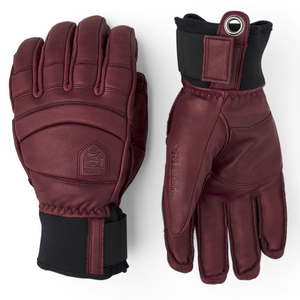
- Shell Material: Impregnated cow hide
- Insulation: Foam and synthetic
- Lining: Removable Bemberg/polyester with G-Loft
- Cuff Style: Under-the-cuff with neoprene closure
The Hestra Fall Line earns its reputation as one of the warmest options in the lineup, thanks to a durable impregnated cow hide shell that resists moisture and wear while aging beautifully. The removable Bemberg and polyester liner with G-Loft insulation traps heat effectively, making these gloves a solid pick for long days in cold, harsh conditions.
Outseam stitching keeps the fingers comfortable and improves dexterity, while the included wrist leashes prevent losing a glove mid-run. The neoprene cuff and velcro closure seal out snow reliably, though the removable liner setup takes a bit more effort to dry overnight compared to simpler designs.
- Pros: Excellent warmth, removable liner, durable leather construction
- Cons: Bulkier fit, liner takes longer to dry
2. Black Diamond Guide

- Shell Material: Goat leather palm with nylon shell
- Waterproofing: GORE-TEX insert with Plus Warm technology
- Insulation: 170g PrimaLoft Gold / 133g PrimaLoft Gold Eco
- Cuff: High gauntlet with drawcord closure
Built for guides and mountaineers, the Black Diamond Guide is the warmest glove in Black Diamond’s lineup and is designed for multi-day missions in brutal alpine weather. The tough goat leather palm paired with a reinforced nylon shell holds up against rock, ice, and heavy tool use without sacrificing flexibility.
A GORE-TEX Plus Warm insert keeps hands dry through storms while staying breathable, and the wool lining retains warmth even when damp. The removable liner adds versatility, and a padded knuckle patch protects against impacts, though the high gauntlet cuff can feel excessive for casual resort days.
- Pros: Maximum warmth, GORE-TEX waterproofing, reinforced durability
- Cons: Heavier build, overkill for mild conditions
3. Kinco Premium Ski Gloves

- Back of Hand: Golden premium suede pigskin
- Palm: Full grain pigskin with reinforced patches
- Lining: HeatKeep thermal lining
- Cuff: Omni-Cuff adjustable design
The Kinco Premium Ski Glove is a workhorse option built from golden pigskin that stays soft and flexible even after getting wet. Reinforced suede patches sewn with extra-strength Draylon thread cover the high-wear areas of the palm and fingers, giving this glove serious longevity under heavy use.
The HeatKeep thermal lining adds reliable warmth, and the Omni-Cuff design lets the wrist material sit inside or outside the glove for better temperature regulation. It ships with Nikwax waterproofing wax for extra protection, though the smaller sizes skip finger patches, slightly reducing durability at that range.
- Pros: Rugged build, budget-friendly, adjustable Omni-Cuff
- Cons: Less refined fit, small sizes lack reinforcement
See the Kinco Premium Ski Gloves
4. Flylow Ridge
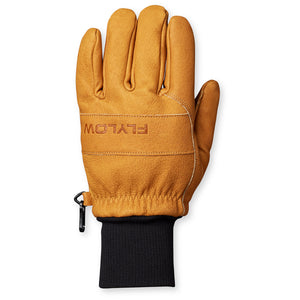
- Shell Material: Pigskin leather with PFAS-free DWR finish
- Insulation: 180g back of hand / 100g palm recycled Greenloft
- Lining: Polyester
- Cuff: Nylon
The Flylow Ridge takes a more sustainability-minded approach with a PFAS-free DWR finish on its pigskin leather shell, cutting down on harmful chemicals without giving up water resistance. The recycled Greenloft insulation is dialed in with more fill on the back of the hand and less in the palm, balancing warmth with dexterity.
This setup makes it a versatile choice for resort days and backcountry laps alike, with a simple polyester lining and nylon cuff keeping the design lightweight. It’s not the warmest glove here, so cold-sensitive skiers may want a warmer layer underneath on the coldest days.
- Pros: Eco-conscious materials, good dexterity, versatile warmth
- Cons: Not the warmest option, simpler cuff design
5. Hestra Wakayama
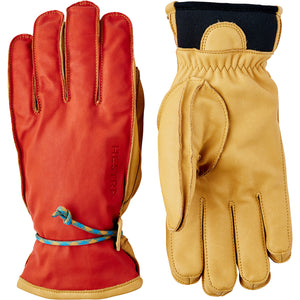
- Shell Material: Impregnated cow hide
- Insulation: Wool
- Lining: Removable wool terry
- Cuff: Elastic wrist with paracord adjustment
The Hestra Wakayama leans into natural materials, pairing a wear-resistant impregnated cow hide shell with a removable wool terry lining for warmth that performs well even in damp conditions. The wool insulation offers a classic, breathable feel that many skiers prefer over synthetic fill.
An elastic wrist combined with a paracord adjustment gives a snug, customizable fit that keeps snow out without a bulky cuff. It’s rated as “warmer” rather than “warmest,” making it best suited to moderate cold rather than extreme alpine exposure.
- Pros: Natural wool warmth, adjustable wrist fit, durable leather
- Cons: Not ideal for extreme cold, wool liner needs care
6. Dakine Excursion Gore-Tex
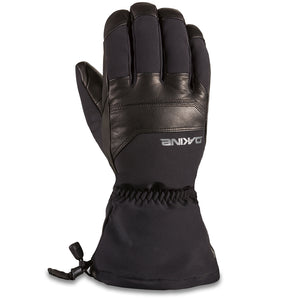
- Shell Material: Goat leather, nylon, and elastane blend
- Membrane: GORE-TEX Active waterproof/breathable
- Insulation: 170g PrimaLoft Gold
- Lining: 360g wool blend
The Dakine Excursion Gore-Tex is built for fast-paced, high-output days, combining a 4-way stretch soft shell with a goat leather palm for a flexible, durable fit. The GORE-TEX Active membrane keeps things windproof and breathable while staying true to its guaranteed-dry promise, even during aerobic backcountry missions.
PrimaLoft Gold insulation paired with a heavy wool blend lining delivers strong warmth-to-weight performance, and the one-hand cinch gauntlet makes for quick adjustments on the move. The stretch shell trades a bit of abrasion resistance for its lightweight, packable feel.
- Pros: Breathable GORE-TEX Active, lightweight stretch shell, strong warmth
- Cons: Less rugged than full leather gloves, premium price point
See the Dakine Excursion Gore-Tex
7. Hestra Ergo Grip CZone Vernum
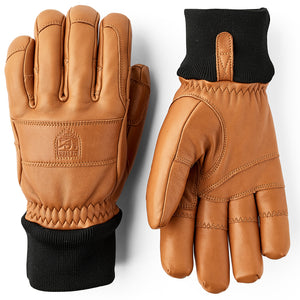
- Shell Material: Impregnated cow hide
- Membrane: CZone waterproof/breathable, four-layer construction
- Insulation: Foam and synthetic
- Cuff: Rib knit with Ergo Grip fit
The Hestra Ergo Grip CZone Vernum stands out for its close, natural fit, built with minimal excess material and seams placed to follow the hand’s ergonomics. This makes it one of the more precise-feeling gloves here, ideal for skiers who prioritize pole feel and control over bulk.
The four-layer CZone membrane keeps hands dry and breathable, while foam insulation and a brushed polyester lining add comfortable warmth without excess bulk. The rib knit cuff and included wrist leashes round out a practical design, though the close fit runs less roomy than bulkier alpine gloves.
- Pros: Precise ergonomic fit, breathable CZone membrane, good dexterity
- Cons: Less roomy fit, moderate rather than maximum warmth
See the Hestra Ergo Grip CZone Vernum
How to Choose Leather Snowboard Gloves
Picking the right pair of leather snowboard gloves can feel like a big decision. With so many brands, styles, and features out there, it is easy to get lost. But here is the good news: leather gloves are one of the best investments you can make for your winter sports gear. They are tough, comfortable, and they look great. However, not all leather gloves are the same. Some are built for extreme cold, while others focus on dexterity. Some are waterproof, and some are not. This guide will walk you through every important factor so you can choose the perfect pair for your needs. By the end, you will know exactly what to look for and what to avoid.
Why Choose Leather Over Synthetic Materials?
Before we dive into the details, let us talk about why leather is a top choice for snowboard gloves. Synthetic gloves are cheaper, but they often lack the durability and feel of leather. Leather breathes better, which means your hands sweat less. It also molds to your hand shape over time, giving you a custom fit. Plus, real leather handles wind and abrasion much better than most man-made fabrics. If you ride often, leather gloves will save you money in the long run because they last much longer.
Key Factors to Consider
When you start shopping, keep these main points in mind. They will help you compare different models and find the one that fits your riding style.
1. Leather Type and Quality
Not all leather is created equal. The most common types used in snowboard gloves are goatskin, cowhide, and pigskin. Goatskin is soft and strong, making it a favorite for backcountry riders. Cowhide is thicker and heavier, great for resort riding where you need extra protection. Pigskin is breathable and stays soft even after getting wet. Look for full-grain or top-grain leather for the best durability. Avoid bonded or split leather, as they wear out quickly.
2. Waterproofing and Breathability
Snowboard gloves need to keep water out. Wet hands get cold fast. Many leather gloves come with a waterproof membrane like Gore-Tex or Hipora. These membranes block moisture while letting sweat escape. Some gloves also have a DWR (durable water repellent) coating on the outside leather. This helps water bead up and roll off. Remember, leather is naturally porous, so without a good membrane or treatment, it will soak through on wet days.
3. Insulation and Warmth
Insulation is what keeps your fingers toasty. Gloves use materials like Thinsulate, PrimaLoft, or down. Thinsulate is thin but warm, which helps with dexterity. PrimaLoft is great because it stays warm even when damp. The amount of insulation matters too. For mild days (around 30°F), look for 40 to 60 grams. For very cold days (below 10°F), go for 100 grams or more. Some gloves have removable liners, which let you adjust warmth based on the weather.
4. Fit and Dexterity
A good fit is crucial. Gloves that are too tight restrict blood flow and make your hands colder. Gloves that are too loose let in cold air and make it hard to grab your board or adjust bindings. Try them on with thin liner gloves if you plan to wear those. You should be able to make a fist comfortably. Your fingertips should barely touch the end of the glove. Remember, leather will stretch a little, so a snug but not tight fit is best.
5. Cuff Style and Closure
Gloves come with either a short cuff or a gauntlet (long) cuff. Short cuffs are lighter and fit under your jacket sleeve. They are good for park riders who need more movement. Gauntlet cuffs go over your jacket and have a drawstring or strap to seal out snow. This is the warmer option and is great for deep powder days. Also, check the closure system. Velcro straps are easy to use, while buckle or lace systems give a more precise fit.
6. Palm and Finger Reinforcement
Snowboarders use their hands a lot when getting up from the snow. This can wear out the palm area quickly. Look for gloves with extra leather patches or Kevlar stitching in high-wear areas. Some gloves have reinforced thumbs and index fingers too, which helps with grip when you are carrying your board. These small details make a big difference in how long your gloves last.
Comparing Popular Leather Glove Features
To make your choice easier, here is a simple comparison table of common features found in leather snowboard gloves. Use this as a quick reference when you are in a shop or browsing online.
| Feature | Best For | What to Look For |
|---|---|---|
| Leather Type | Durability vs. softness | Goatskin (soft), Cowhide (tough), Pigskin (breathable) |
| Waterproof Membrane | Wet/slushy conditions | Gore-Tex, Hipora, or similar brand |
| Insulation Weight | Temperature range | 40-60g (mild), 100g+ (cold) |
| Cuff Length | Riding style | Short (park/freestyle), Gauntlet (powder/freeride) |
| Reinforcement | Longevity | Extra leather or Kevlar on palm and fingers |
Mittens vs. Gloves – Which One Is Better?
This is a common debate. Mittens keep your fingers together, which shares body heat and makes them warmer. They are a great choice if your hands get cold easily. However, you lose some finger movement. Gloves give you more dexterity for buckling boots, zipping pockets, and using your phone. If you ride in very cold areas, mittens might be the way to go. For mild to moderate cold, gloves are more practical. Some brands offer “lobster” gloves, which split your fingers into two groups – a good middle ground.
Care and Maintenance Tips
Buying good leather gloves is only half the battle. You need to take care of them so they last. Here are some simple rules to follow.
- Dry them properly: After a ride, stuff your gloves with newspaper and let them air dry at room temperature. Never put them near a fire or on a heater – heat damages leather.
- Clean them gently: Use a damp cloth to wipe off dirt. For deep cleaning, use a special leather cleaner. Avoid harsh soaps.
- Apply waterproofing wax: At the start of each season, treat your gloves with a leather waterproofing balm. This restores the DWR coating and keeps the leather soft.
- Store them loosely: Do not cram them into a tight bag. Store them with a little space so they keep their shape.
Common Mistakes to Avoid
Even experienced riders make these errors. Let us go through them so you do not make the same mistakes.
- Buying without trying: Sizes vary between brands. Always try them on with the liner you plan to use.
- Ignoring the membrane: Leather alone is not waterproof. If you ride in wet snow, you need a membrane.
- Over-insulating: Too much insulation makes your hands sweat, and sweat freezes, making you colder. Choose insulation based on your local weather.
- Forgetting about touchscreen compatibility: Many new gloves have special fingertips for phones. If you use your phone on the mountain, look for this feature.
- Skipping the warranty: Good brands stand behind their products. Check the warranty before you buy – it is a sign of quality.
Budget Considerations
Leather snowboard gloves range from about $50 to over $300. What do you get for the higher price? Expensive gloves usually have better leather, premium membranes, and smarter designs. They also last longer. If you ride only a few times a year, a mid-range pair ($80–$120) is fine. If you are a season pass holder, invest in top-tier gloves ($150+). They will pay for themselves in comfort and durability. Also, keep an eye out for end-of-season sales – you can get great deals on high-end models.
Final Checklist Before You Buy
Here is a quick list to take with you when you go shopping. Check off each item to make sure you have covered everything.
- ✔ Leather type matches your needs (goatskin, cowhide, or pigskin)
- ✔ Has a waterproof/breathable membrane
- ✔ Insulation level fits your typical weather
- ✔ Fit is snug but not tight (test with liners)
- ✔ Cuff style suits your riding (short or gauntlet)
- ✔ Reinforced palm and fingers for extra durability
- ✔ Touchscreen compatible (if you use your phone often)
- ✔ Good warranty and brand reputation
Choosing the best leather snowboard gloves does not have to be hard. Focus on the factors that matter most to you – whether that is warmth, dexterity, or durability. Remember, the right gloves will make your rides more enjoyable and keep your hands safe from the cold. Take your time, try on different pairs, and do not be afraid to ask questions. With the information in this guide, you are now ready to make a smart choice. Happy riding, and stay warm out there