Best Park Skis of 2026
Park skiing is all about fun, tricks, and style. The right skis make a big difference on jumps and rails. Park skis are lighter, more flexible, and built to handle hard landings. Whether you’re hitting your first box or spinning off big kickers, good skis help you progress. In this guide, we picked the best options for all levels. We looked at durability, flex, pop, and edge control. Some are great for beginners. Others suit experienced freestyle skiers.
1. Atomic Bent 90
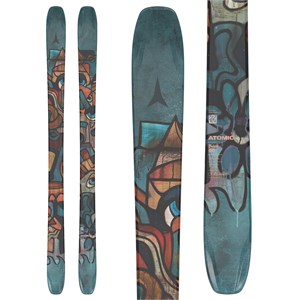
- Rocker Type: All Mountain Rocker (20% tip / 70% camber / 10% tail)
- Core: Light Woodcore made from poplar
- Sidewalls: Dura Cap Sidewall hybrid construction
- Edges: Resist Edge Park with 1.3° base and 3° side angles
The Atomic Bent 90 is a versatile park-inspired ski that confidently crosses into all-mountain terrain. With HRZN 3D tips and tails, it delivers a lively, playful feel that encourages butters, smears, and creative lines. The Light Woodcore keeps things responsive while maintaining solid dampness, giving the ski stability even when conditions turn choppy. Many riders appreciate how well the Bent 90 balances freestyle personality with dependable carving performance.
On hardpack, the camber underfoot offers strong edge hold, while the partial twin-tip design adds maneuverability in tight spaces. The Dura Cap construction adds durability without adding unnecessary weight, making it a great option for riders who push their gear in the park or trees. For intermediate to advanced skiers looking for a fun, do-everything ski that still shines during park laps, the Bent 90 hits a sweet spot of performance and style.
- Pros: Playful yet stable, durable edges, lightweight core, versatile across terrain
- Cons: Not ideal for deep powder, lacks stiffness for high-speed charging
2. Season Kin
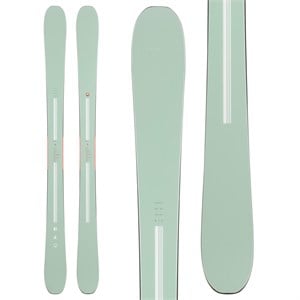
- Rocker Type: Entry Rocker / Symmetric Camber / Exit Rocker
- Core: Full Poplar Wood Core
- Sidewalls: 360° ABS Sidewalls
- Base: Sintered 7500 Base
The Season Kin is built for skiers who treat every turn as a chance to get expressive. With a smooth flex and full twin-tip shape, the ski feels intuitive from the first lap, allowing beginners and seasoned park riders alike to explore terrain with confidence. The sub-100mm waist and deeper sidecut encourage snappy, quick transitions that make groomers, side hits, and park laps equally enjoyable.
Durability is a standout feature, thanks to triaxial fiberglass construction, a tough nylon topsheet, and a high-grade sintered base. The Kin holds up well to rail sessions and variable snow, making it an excellent daily driver for anyone who prioritizes longevity. The 360° ABS sidewalls improve damping and stability, giving the ski a more composed feel at speed. With the added bonus of Season’s lifetime free waxing and annual tune, the Kin delivers strong long-term value for freestyle-oriented riders.
- Pros: Playful flex, durable build, easy to control, lifetime service benefits
- Cons: Not ideal for high-speed carving, limited flotation in deep snow
3. Faction Prodigy 1
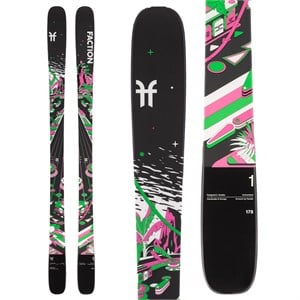
- Rocker: Tip 315mm / Camber 3mm / Tail 250mm (@178)
- Core: Poplar and Ash Wood Core
- Laminates: Carbon Rubber Stomp Pad for impact absorption
- Edges: XL 2.5mm edges for extra durability
The Faction Prodigy 1 is a park-first ski that still performs well around the mountain. With an 88mm-ish waist and a reinforced Ash element in the core, it resists the abuse of rails and hefty landings. The carbon rubber stomp pad soaks up shock from hard landings and preserves skier comfort after repeated big hits.
Its elliptical sidecut allows quick pivots and responsive turn initiation while the full twin construction keeps switch riding natural. These skis suit riders who spend most days in the park but want something that will still carve and float adequately across the resort. Built tough and lively, the Prodigy 1 is a reliable park partner.
- Pros: Durable for park abuse; great pop and shock absorption.
- Cons: Narrower appeal off-jump; not ideal for deep powder days.
4. Faction Studio 1
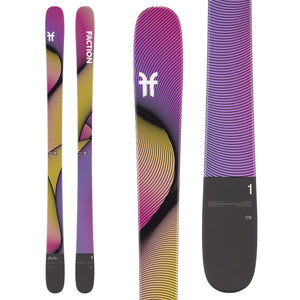
- Rocker: Rocker – Camber – Rocker profile
- Core & Laminate: Poplar core with full carbon weave
- Protection: Carbon Rubber Stomp Pad and 7mm XL sidewalls
- Base & Edges: Sintered UHMW base; XL 2.5mm edges
The Faction Studio 1 is a competition-grade park ski built to handle high-impact lines and big air. The full carbon weave gives it a snappy, stable chassis that resists deformation under heavy landings, while the lightweight poplar core keeps swing weight low so spins and tweaks feel natural. The stomp pad and thick sidewalls help the ski survive repeated punishment.
These are skis for serious park riders who want a dependable twin tip with aggressive pop, precise response, and long edge life. They aren’t the softest beginner-friendly option, but intermediate-to-advanced freestylers will appreciate how the Studio 1 balances resilience with playfulness for park laps and big features.
- Pros: Competition-level durability and pop; low swing weight.
- Cons: Stiffer feel may be unforgiving for beginners; pricier build.
5. Line Skis Tom Wallisch Pro
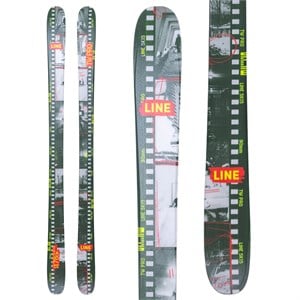
- Rocker Profile: 5mm Tip / 4mm Camber / 5mm Tail
- Core: Maple Macroblock Core
- Laminates: Carbon Ollieband for pop
- Base & Edges: Sintered 1.7mm base, Fatty Edge 2.5mm x 2.2mm
The Tom Wallisch Pro is a purpose-built freestyle weapon that still manages to feel intuitive for everyday park laps. The symmetric flex and Maple Macroblock core give balanced response whether you press, butter, or stomp landings. The Carbon Ollieband down the center adds a noticeable snappiness that translates to extra pop off kickers and a playful feel on rails.
Underfoot the Capwall construction and beefy Fatty Edge deliver durability and solid edge hold when you need it, while the sintered Fatty Base keeps speed and resilience through repeated sessions. If you’re an advanced rider chasing consistent pop and a fully twin tip that thrives in the park yet tolerates everything else, these skis are a very polished, performance-first pick.
- Pros: Outstanding pop and balance; durable edges; twin-tip freedom.
- Cons: Geared to advanced riders; slightly heavy for long skin tracks.
See the Line Skis Tom Wallisch Pro
6. Rossignol Sprayer Skis
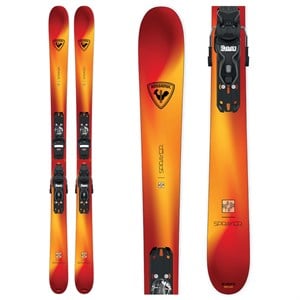
- Rocker Type: All-Terrain Rocker (70% camber / 30% tip)
- Core: Poplar Wood Core
- Construction: Cap construction for durability
- Bindings: Includes Xpress 10 GW (DIN 2.5–10)
The Rossignol Sprayer is a budget-friendly, do-it-all freestyle ski that punches above its price. Its All-Terrain Rocker profile balances hard-snow precision with soft-snow playfulness, making it comfortable on groomers, forgiving in variable snow, and lively in the park. The poplar core and fiberglass layup keep weight reasonable while offering a predictable flex for intermediate-to-advanced skiers.
Cap construction makes these skis resilient to dings and easy to live with through a season of laps. The included Xpress 10 GW bindings make this a convenient package for riders moving up from rental gear. For skiers who want an affordable twin-tip that can dabble in the park without sacrificing everyday mountain performance, the Sprayer is a solid, sensible choice.
- Pros: Great value package; versatile rocker; durable cap build.
- Cons: Not as lively as carbon builds; advanced riders may want stiffer options.
See the Rossignol Sprayer Skis
7. Line Skis Chronic 101
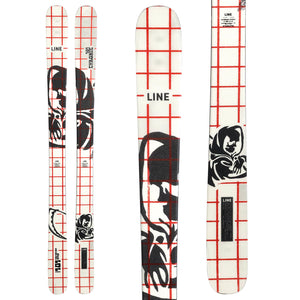
- Rocker Profile: 11mm Tip / 2mm Camber / 10mm Tail
- Core: Aspen Veneer Core
- Sidecut: 5-Cut™ Geometry for varied turn shapes
- Base: Fatty Base | Sintered 1.7mm
The Chronic 101 is the wider, more playful sibling that somehow became a daily driver for many riders. Its generous tip and tail rocker deliver confidence in soft snow and easy turn initiation on groomers, while the modest camber underfoot holds an edge when you charge. The Aspen veneer core keeps the ski lively without being chattery, and the 5-Cut sidecut makes turn shapes feel natural and fun.
Whether you’re doing park laps, cruising the frontside, or enjoying a fresh small dump, these skis excel as an all-mountain freestyler. They’re forgiving enough for progressing freestylers yet responsive enough to keep experienced riders smiling. If you want a single pair that covers park play and everyday mountain duties, the Chronic 101 hits that sweet spot.
- Pros: Extremely versatile; fun feel; good edge durability.
- Cons: Wider waist may feel sluggish on very hard groomers.
8. Elan Playmaker 91
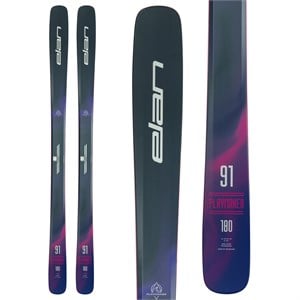
- Rocker: Surf Rocker for bi-directional flotation
- Core: Tubelite Wood Core with carbon tubes
- Shape: Trapezoid 3D Shape to reduce weight
- Base: Sintered UHMW Base
The Elan Playmaker 91 is a nimble, lightweight all-mountain freestyle ski that blends pop and stability. The unique TubeLite core uses hollow carbon tubes to stiffen and rebound without excess weight, giving the ski a lively, responsive character. Surf Rocker adds float in softer snow while preserving confident behavior on firmer snow.
This ski balances playful park tendencies with groomer-friendly tracking, making it a reliable option for riders who want one ski for laps, small park features, and surprise powder. The reduced swing weight and 360˚ sidewall provide predictable edge pressure and solid durability, so it handles a season of mixed riding without complaint.
- Pros: Lightweight yet powerful; stable rebound; great for mixed days.
- Cons: Not the best choice for deep powder or hard charging at high speed.
9. Völkl Revolt 104
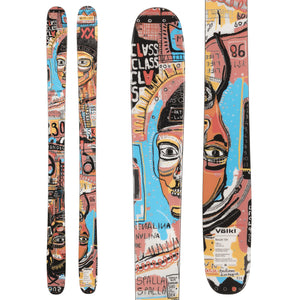
- Rocker Type: Tip & Tail Rocker with camber underfoot
- Sidecut: 3D Radius Sidecut
- Core: Multilayer Beech/Poplar Woodcore
- Base: P-Tex 2100 Sintered Base
The Völkl Revolt 104 blends freestyle looseness with freeride performance, making it an ideal choice for skiers who want a playful yet capable all-mountain ride. Its surfy feel makes it fun in soft snow, while the mix of beech and poplar in the core provides a strong platform for landings and speed. The Rocker/Camber/Rocker profile adds agility, easy pivoting, and supportive carving, allowing riders to adapt effortlessly to different snow conditions.
With its 3D Radius Sidecut, the Revolt 104 feels stable on long, sweeping turns but can also snap into quick arcs when navigating trees or tighter terrain. The full sidewall construction maximizes power transfer, giving advanced skiers the precise control they need on steeper lines. Creative skiers who enjoy playful skiing but still require dependable performance in mixed or deep conditions will find the Revolt 104 to be a reliable and inspiring tool.
- Pros: Versatile sidecut, playful yet stable, strong woodcore, great in soft snow
- Cons: Requires skill to get the most out of it, not ideal for beginners
10. Armada ARV 88
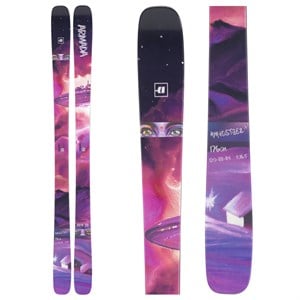
- Rocker Type: AR Freestyle Rocker
- Core: 100% Poplar Wood Core
- Sidewalls: w3Dgewall 3D molded sidewalls
- Edges: 2.5 Impact Edge
The Armada ARV 88 is the narrowest and stiffest ski in the ARV lineup, tuned for riders who want precise performance on hardpack and in the park. Its stiff flex profile offers excellent edge hold, making it ideal for pipe riding, carving, and charging down firm groomers. The AR Freestyle Rocker blends rocker and camber to give the ski responsive energy while keeping turn initiation smooth and predictable.
The w3Dgewall construction significantly boosts durability, especially around the critical binding interface, ensuring the ski stands up to heavy park abuse. Combined with oversized 2.5 Impact Edges and a fast S7 base, the ARV 88 is built for long-term performance. Skiers who spend most of their time in the park or prefer a stiff, locked-in feel on harder snow will appreciate the confidence this ski delivers.
- Pros: Excellent edge hold, stiff and stable, highly durable sidewalls, ideal for pipe and groomers
- Cons: Too stiff for beginners, limited performance in deep snow
11. Faction Prodigy 0
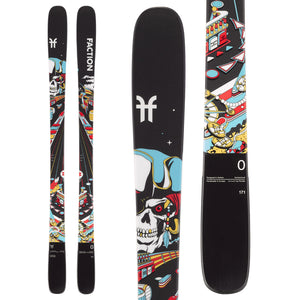
- Rocker Type: Rocker/Camber/Rocker
- Core: Silver Fir and Beech Wood Core
- Sidewalls: Microcap Full Strength Sidewall
- Edges: XL 2.5mm edges
The Faction Prodigy 0 is a forgiving yet capable freestyle ski designed to help skiers progress with confidence. Its softer flex and lightweight core make it easy to maneuver, whether you’re buttering through the park or exploring mellow all-mountain terrain. The Rocker/Camber/Rocker profile adds stability underfoot while keeping turn initiation smooth and playful, helping newer riders develop better control and technique.
Durability is a major strength, with the Microcap sidewall blending cap and sandwich construction for added longevity. The XL 2.5mm edges are noticeably beefy, built to withstand rails, boxes, and frequent tune cycles. Despite being targeted at beginner-intermediate riders, the Prodigy 0 is fun enough for more experienced skiers who want a soft, easygoing park ski. It’s a reliable, confidence-building option for developing freestyle skills without sacrificing durability.
- Pros: Easy to control, lightweight feel, durable edges, forgiving flex
- Cons: Lacks stability at high speed, not ideal for advanced freeride terrain
12. Line Skis Blend
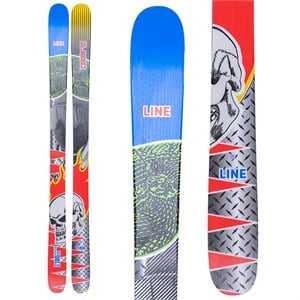
- Rocker Profile: 4mm tip / 4mm camber / 4mm tail
- Sidecut: 5-Cut multi-radius design
- Core: 100% Aspen Core
- Edges: Fatty Edge (2.5mm x 2.2mm)
The Line Blend remains a freestyle favorite thanks to its ultra-buttery flex and creative-focused design. With symmetric flex and soft tips and tails, the ski encourages playful riding, smooth butters, and easy slarving across the mountain. The Aspen core keeps the ski lightweight and responsive, while the subtle camber underfoot provides enough support for stability during bigger landings. Riders who love experimenting with presses and jib-focused tricks will find the Blend incredibly intuitive.
The 5-Cut sidecut design gives the ski an adaptable turning radius, making it comfortable on groomers and capable of transitioning between turn shapes effortlessly. Reinforced with a Carbon Olliband, the Blend has extra pop for takeoffs without sacrificing its signature loose feel. The Fatty Base and Fatty Edge construction dramatically extend the ski’s lifespan, especially for park riders who hit rails daily. The Blend is a top choice for freestyle skiers who value creativity above all else.
- Pros: Extremely playful, soft flex for butters, durable edges, versatile turning feel
- Cons: Soft flex limits high-speed stability, not ideal for aggressive big-mountain riding
How to Choose Park Skis? A Guide for Freestyle Skiers
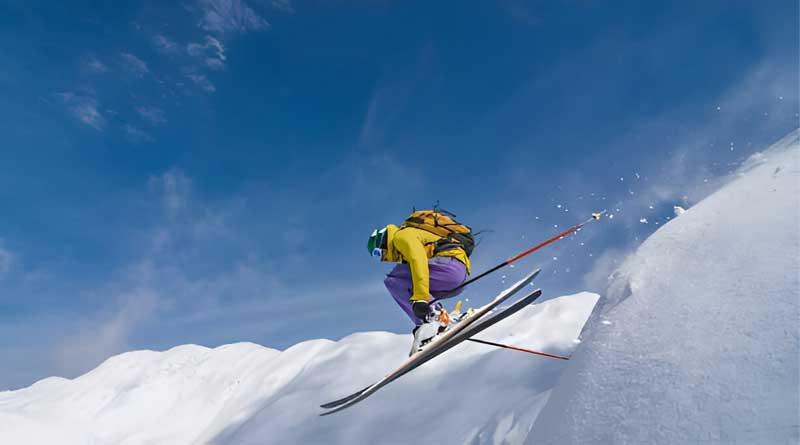
If you’re looking to take your skiing into the terrain park, choosing the right pair of skis can make all the difference. Park skiing involves jumps, rails, spins, and a variety of tricks that demand a ski designed specifically for freestyle. Whether you’re just starting out or looking to upgrade, this guide will help you understand the key features to look for and how to match a park ski to your style and ability.
1. Understanding Park Skis
Park skis, also known as freestyle skis, are designed to be used in terrain parks and pipe features. These skis are built to be durable, flexible, and maneuverable, allowing skiers to ride switch (backward), take off and land tricks smoothly, and handle impact from rails and jumps. Unlike powder or carving skis, park skis are typically twin-tipped, meaning both ends curve upward to allow switch skiing and landing in both directions.
2. Ski Length and Flex
Length:
Choosing the right length is essential. Most skis should be somewhere between your chin and the top of your head when standing upright. Shorter skis are more maneuverable and better for jibbing (rails and boxes), while longer skis provide more stability at higher speeds and on big jumps.
Flex:
Flex refers to how soft or stiff the ski feels. Softer skis are easier to press and butter, making them great for rail-heavy skiers and beginners. Stiffer skis offer better support for bigger jumps and more aggressive skiing. Look for a balanced flex if you want a do-it-all park ski.
3. Camber and Rocker Profiles
The profile of a ski affects how it behaves on snow.
- Camber: Traditional camber underfoot provides pop and edge control. It’s great for carving into jumps and holding an edge on hard snow.
- Rocker (Tip and Tail): Rocker at the tips and tails helps with flotation, easier turn initiation, and smoother landings.
- Rocker-Camber-Rocker (Hybrid): Most skis use this shape, combining the best of both worlds — stability and playfulness.
Beginners will often benefit from a slight rocker, which reduces the chance of catching an edge. More advanced skiers might prefer full camber for control and pop.
4. Twin Tip Shape
All true park skis are twin-tipped, allowing skiers to ride and land tricks both forward and backward (switch). Symmetrical twin tips, which have the same dimensions in the tip and tail, are ideal for people who spend equal time skiing switch. Directional twin tips are slightly different in shape at the tip and tail and suit riders who spend more time skiing forward but still want freestyle capability.
5. Core and Construction
The ski’s core affects its durability, flex, and overall feel.
- Wood Cores: Most quality skis use poplar, aspen, or maple wood cores. These woods are lightweight, durable, and have good energy return (pop).
- Composite Cores: These are usually found in budget skis and offer lighter weight but less durability and feel.
- Laminates and Reinforcements: Look for skis with additional fiberglass or carbon layers, which can help stiffen the ski and improve strength for bigger impacts.
- Sidewalls: Park skis often use sidewall or cap constructions, or a hybrid. Sidewall construction offers better power transfer and durability, while cap construction is lighter and more forgiving.
6. Edges and Durability
Because park skiing involves frequent contact with rails, boxes, and hard landings, edge strength is crucial.
- Thicker Edges (e.g., 2.5 mm edges): Designed to withstand the wear and tear of hitting metal features.
- Detuned Tips and Tails: Prevents catching on rails. Many park skiers file down the edges near the tips and tails themselves for safety.
- Reinforced Edges and Underfoot Protection: Some skis come with extra materials underfoot to handle the pressure from rails and bindings.
If you plan to ski rails often, durability should be your top priority. Look for skis marketed as “park-specific” or with features like “Resist Edge” or “Impact Edge.”
7. Width and Sidecut
- Waist Width: Most skis have a waist width between 84 mm and 98 mm. Narrower skis are better for rails and quick spins. Wider skis offer more stability for jumps and allow some all-mountain use.
- Sidecut Radius: A shorter turning radius means quicker turns and better maneuverability in the park. Most park skis have a medium to short radius to make them agile.
8. Mounting Position
Park skis are typically mounted closer to center than traditional skis. A true center mount is best for switch skiing and tricks. If you’re using your park skis for all-mountain riding too, consider mounting them slightly back from center to improve performance in deeper snow and at higher speeds.
9. Bindings Compatibility
Always make sure your bindings match the ski’s waist width and are suited for freestyle skiing. Many skiers prefer lightweight bindings with elastic travel to prevent pre-release during landings. Look for bindings with shock absorption features if you’re planning big landings.
10. Park Ski vs. All-Mountain Ski
You might wonder if you need a dedicated park ski or if your all-mountain ski can do the job. While some all-mountain skis are playful enough for light park use, a true park ski will perform much better on features. If you want a ski that can handle park and the rest of the mountain, look for a versatile freestyle ski with a waist around 90–95 mm and moderate rocker.
11. Top Brands and Models to Consider
Some of the most popular and reliable park ski brands include:
- Armada (ARV series)
- Line (Chronic, Blend)
- Faction (Prodigy, CT series)
- Volkl (Revolt series)
- K2 (Reckoner, Poacher)
- Rossignol (Black Ops, Trixie)
- Atomic (Bent 85, Bent Chetler Mini)
Each brand offers something different in terms of flex, feel, and durability, so it’s best to read reviews or demo a few pairs if possible.
12. Final Thoughts
Choosing the right park ski is about finding the right balance of weight, flex, durability, and shape for your style and skill level. Beginners should focus on playful, soft-flexing skis that are forgiving and easy to control. Intermediate and advanced riders may want something stiffer with better edge hold and pop for bigger features and more technical tricks.
Your ideal park ski will feel like an extension of your body—balanced, responsive, and fun. Don’t stress too much about finding the “perfect” ski on the first try. Like any piece of gear, the more time you spend with it, the more you’ll learn what works best for you.
Happy shredding!