Best Downhill Ski Boots of 2025
Finding the best downhill ski boots can make or break your time on the slopes. The right pair gives you comfort, control, and confidence, whether you’re carving fast turns or cruising at a steady pace. With so many options out there, it can feel overwhelming to choose the right fit. That’s why we’ve put together this guide to highlight the top ski boots for different needs and skill levels. From beginners to advanced skiers, these boots will help you enjoy every run.
1. Tecnica Mach1 MV 120
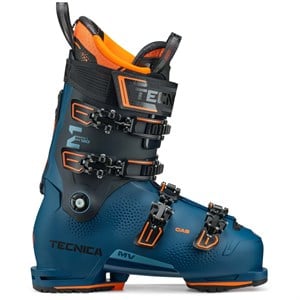
- Flex: 120, a stiff flex for expert skiers.
- Last: 100mm, a mid-volume last for average feet.
- Liner: C.A.S. Performance Liner with Celliant insulation for warmth and customizability.
- Sole: GripWalk ISO 23223 Soles for enhanced traction.
The Tecnica Mach1 MV 120 is a ski boot that has stood the test of time, consistently evolving to meet the demands of advanced skiers. With its C.A.S. Shell and Performance C.A.S. Liner, it offers a custom fit that feels great right out of the box while allowing for further personalization by a bootfitter. The T-Drive rear spine ensures a consistent, progressive flex, providing a powerful and precise connection to your skis. This boot is known for its perfect marriage of aggressive downhill performance and all-day comfort, making it a favorite for those who spend long days charging on the mountain. Reviewers rave about its comfort and ability to handle hard, fast skiing on groomed trails.
Beyond its powerful on-piste performance, the Mach1 MV 120 includes thoughtful features that enhance the user experience. The Lift Lock Buckles are a simple yet ingenious addition, keeping the buckles open automatically when you’re taking the boots on or off, which is a massive convenience, especially in cold conditions. The Quick Instep design, with its softer plastic, makes getting into and out of the boots pain-free. These features, combined with the excellent fit and a stiff flex, make the Tecnica Mach1 MV 120 a go-to choice for serious skiers who want a high-performance boot without sacrificing comfort.
Pros & Cons
- Pros: Excellent blend of performance and comfort, highly customizable fit, convenient Lift Lock buckles.
- Cons: May be too stiff for less aggressive or lighter skiers.
See the Tecnica Mach1 MV 120 See the Women’s Mach1 MV 105
2. Lange Shadow 130 LV GW
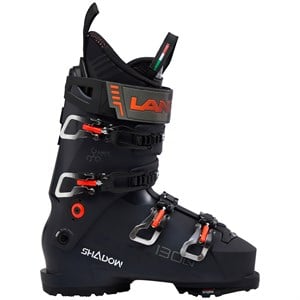
- Flex: 130, a very stiff flex for advanced to expert skiers.
- Last: 97mm, a narrow, low-volume fit for slender feet.
- Shell: Dual Core and Suspension Blade Dual Pivot technologies.
- Liner: Auxetic Technology liner for a responsive fit.
The Lange Shadow 130 LV GW is a high-performance ski boot engineered for expert skiers who demand precision and power. What sets this boot apart is Lange’s innovative Dual Core Technology, which involves injecting two different plastic durometers simultaneously to create a boot that is both stiff where you need it—in the spine and heel—and comfortable in areas that wrap around your foot. This results in a boot that offers an incredible, progressive feel on the snow, making it highly responsive and powerful. The Suspension Blade Dual Pivot design further enhances this by providing superior energy transfer and better feedback from the snow, allowing for more precise control with less effort. This boot truly lives up to its reputation as a standout in the expert-level category.
With a narrow 97mm last, the Lange Shadow 130 LV GW is designed for skiers with thin, low-volume feet, ensuring a snug, high-performance fit that eliminates slop and maximizes power transmission. The Auxetic Technology in the liner complements this fit by expanding and contracting in three dimensions to perfectly follow the natural contours of your foot. The boot’s very stiff 130 flex is ideal for aggressive skiers who charge hard and require immediate ski response. This boot is a game-changer for those who are serious about their on-piste performance and want a boot that feels like a natural extension of their body. It is the perfect blend of power, precision, and a custom-like fit for the most demanding of skiers.
Pros & Cons
- Pros: Exceptional power transfer, unique and progressive feel, ideal for expert skiers with narrow feet.
- Cons: The narrow last may not be suitable for wider feet.
See the Lange Shadow 130 LV GW See the Women’s Shadow 115 LV GW
3. Atomic Hawx Ultra XTD 120 BOA GW
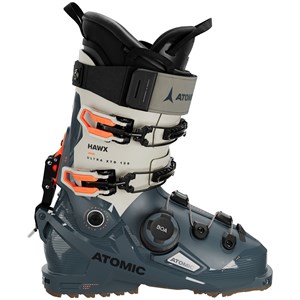
- Flex: 120, a stiff flex for aggressive skiing.
- Last: 98mm, a narrow and low-volume touring fit.
- Closure: BOA Fit System for precise, even pressure distribution.
- Walk Mode: Free/Lock 4.5 Mechanism with 54° range of motion.
The Atomic Hawx Ultra XTD 120 BOA GW is the perfect boot for the freeride skier who wants a single boot for both aggressive resort skiing and backcountry touring. This boot is a slightly softer version of the popular 130, hitting a sweet spot that makes it incredibly versatile. With a narrow 98mm last, it offers a precise, performance-oriented fit, but its Memory Fit technology allows for full shell and cuff customization, making it surprisingly adaptable for a wider range of foot shapes. The BOA Fit System in the lower closure is a standout feature, providing an incredibly even and fine-tuned pressure distribution across the forefoot and instep, which is a major upgrade in both comfort and performance. The boot’s True Flex Polyurethane maintains a consistent flex in all temperatures, ensuring reliable performance in any conditions.
For touring, the Hawx Ultra XTD 120 doesn’t disappoint. The Free/Lock 4.5 Mechanism offers an impressive 54-degree range of motion, and the Frictionless Pivot ensures natural movement for effortless ascents. The liner is packed with features, including a Mimic Platinum Liner that is heat-moldable and includes 3M™ Thinsulate™ Insulation for warmth. The boot’s Energy Backbone provides extra strength and lateral power transmission for excellent edge grip on the descent. This is a boot that truly delivers on its promise of being a do-it-all machine, offering the precision of a high-performance alpine boot with the uphill efficiency of a dedicated touring boot.
Pros & Cons
- Pros: Versatile for both resort and touring, excellent BOA Fit System, highly customizable with Memory Fit.
- Cons: Narrow last may require customization for many skiers.
See the Atomic Hawx Ultra XTD 120 See the Women’s Hawx Ultra XTD 115
4. Nordica Sportmachine 3 100
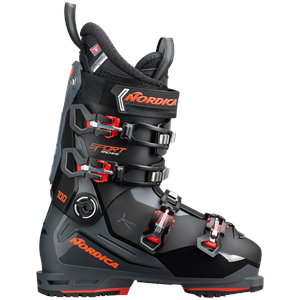
- Flex: 100, a medium flex for intermediate to advanced skiers.
- Last: 102mm, a medium-wide fit for average to high-volume feet.
- Fit: Tri-Fit Technology with Adjustable Cuff Profile (ACP).
- Liner: 3D Black Cork Fit Primaloft Liner.
The Nordica Sportmachine 3 100 is a fantastic option for skiers who prioritize comfort and a forgiving fit while still wanting enough performance to progress. With a generous 102mm last, this boot offers a medium-wide fit that accommodates wider-than-average feet and higher-volume calves, making it comfortable right out of the box. The Tri-Fit Technology and the new 3D Black Cork Fit Primaloft Liner are game-changers, offering easy customization for both the shell and liner to achieve a truly personalized fit. The cork liner, in particular, molds to your foot’s shape, providing a snug and supportive feel without being overly restrictive. The Adjustable Cuff Profile (ACP) is a great feature that allows you to quickly and easily adjust the upper boot to better fit your calf shape, further enhancing comfort and fit.
The 100 flex index provides a smooth and progressive feel, making it an ideal choice for intermediate and advanced skiers who want to confidently navigate a variety of terrain, from groomed cruisers to more challenging black diamonds. The Tri-Force Construction combines a rigid spine with a softer foot wrap, which improves both power transfer and overall comfort. The Easy Entry Instep is another thoughtful addition, using softer plastic in the instep area to make putting the boots on and taking them off a breeze. This boot is all about making your time on the mountain as comfortable and enjoyable as possible, allowing you to focus on your skiing rather than your feet. It’s a reliable, comfortable, and performance-oriented boot that helps skiers take their skills to the next level.
Pros & Cons
- Pros: Wide, comfortable fit; highly customizable; easy to get on and off; great for progression.
- Cons: Not stiff enough for aggressive expert skiers.
See the Nordica Sportmachine 3 100 See the Women’s Sportmachine 3 85
5. Tecnica Cochise 120 DYN
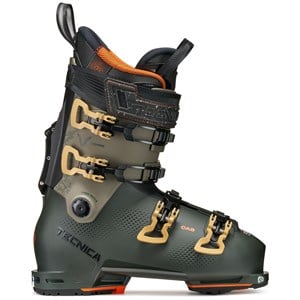
- Flex: 120, a stiff flex for expert skiers.
- Last: 99mm, a performance average fit.
- Walk Mode: T-RIDE Walk Mechanism for an excellent range of motion.
- Fit: C.A.S. Shell and Performance C.A.S. Liner for customization.
The Tecnica Cochise 120 DYN is a true hybrid, expertly blending the power and precision of an alpine boot with the lightweight and touring-friendly features of a backcountry boot. Its standout feature is the T-RIDE Walk Mechanism, a walk mode that is so robust it feels like a traditional alpine boot on the downhill. This is thanks to a co-molded Carbon rear spine that provides incredible response and power transmission, allowing you to charge big lines with confidence. The 99mm last is a great performance average fit, offering a snug feel without being overly restrictive, and the C.A.S. Shell and Performance C.A.S. Liner mean you can dial in the fit perfectly for your foot, minimizing pressure points and maximizing comfort.
For touring, the T-RIDE system provides an impressive range of motion, making ascents more efficient and less fatiguing. The boots come equipped with Dynafit® Certified Tech Fittings and GripWalk Soles, ensuring they are compatible with both alpine and touring bindings and provide excellent traction for hiking. The lightweight magnesium buckles and inverted toe buckle are smart design choices that further improve the boot’s functionality. The Tecnica Cochise 120 DYN is a no-compromise boot for the advanced-to-expert skier who wants one pair of boots to handle everything from resort laps to long backcountry tours. It delivers a perfect combination of downhill performance and uphill mobility, making it a favorite for adventurous skiers everywhere.
Pros & Cons
- Pros: Exceptional downhill performance for a touring boot, great walk mode, excellent fit customization.
- Cons: Hybrid design may not be as stiff as a dedicated alpine boot.
See the Tecnica Cochise 120 DYN See the Women’s Cochise 105 DYN
6. K2 BFC 90
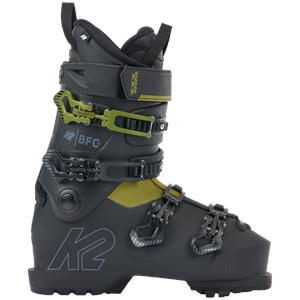
- Flex: 90, a medium flex for beginner to intermediate skiers.
- Last: 103mm, a wide and high-volume fit.
- Entry: FastFIT Instep for easy on and off.
- Liner: CushFit Plus Liner for enhanced comfort.
The K2 BFC 90 is designed for one thing: comfort. Aimed at intermediate skiers who are tired of cramped feet, this boot features a very generous 103mm last, offering a wide and high-volume fit that feels great right out of the box. The FastFIT Instep uses a softer TPU material in the instep area, which makes putting the boots on and taking them off incredibly easy and painless—a huge bonus on cold days. The CushFit Plus Liner is another key component, made with a blend of open cell and EVA foam that provides both comfort and support, ensuring your feet feel cushioned throughout the day without sacrificing a solid connection to your skis. This boot is all about making the ski experience more enjoyable by eliminating the discomfort often associated with ski boots.
While comfort is its main selling point, the K2 BFC 90 still offers enough performance for progression. The 90 flex is a medium stiffness, perfect for beginner and intermediate skiers who are working on their technique and don’t need a super-stiff, aggressive boot. The Fully Heat Moldable shell and cuff allow for a truly custom fit, so even with its wide last, you can still get a precise feel. The GripWalk Outsoles are a great addition, providing better traction and comfort when you’re walking around the lodge or parking lot. The K2 BFC 90 is a fantastic choice for recreational skiers who want a forgiving, comfortable, and user-friendly boot that will help them build confidence and skills on the mountain without the distraction of foot pain.
Pros & Cons
- Pros: Exceptionally comfortable and wide fit, easy to put on and take off, good for progression.
- Cons: Too soft for advanced and expert skiers who need a stiff boot.
See the K2 BFC 90 See the Women’s BFC 85
7. Lange XT3 Free 120 MV GW
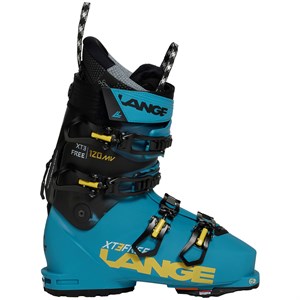
- Flex: 120, a stiff flex for advanced to expert skiers.
- Last: 100mm, an average width fit.
- Walk Mode: Active Power V-Lock with 53° range of motion.
- Shell: Dual Core Technology for a blend of power and comfort.
The Lange XT3 Free 120 MV GW is the perfect boot for skiers who want to tackle both in-bounds resort skiing and backcountry touring with one high-performance boot. This model delivers a well-fitting 100mm last, ideal for average-volume feet. The Dual Core Technology in the shell is a key innovation, providing a powerful, snappy feel on the descent by strategically placing a harder plastic in the spine and heel for stiffness and a softer plastic around the foot for comfort. The Active Power V-Lock walk mode provides a generous 53-degree range of motion, making for an effortless, natural stride on the skin track. The Friction Free Hinge further enhances this, ensuring your uphill efforts are as efficient as possible without resistance.
The Dual 3D Full Liner is 100% customizable and uses three types of high-density foam to provide a precise and firm fit that is ready to be thermo-molded to your foot’s unique shape. On the descent, the Natural Stance with a lower ramp angle gives you better balance and more efficient power transfer, reducing quad fatigue and improving control. The GripWalk Soles and Dynafit Tech Inserts make this boot fully compatible with modern alpine and touring bindings, providing versatility without compromise. The Lange XT3 Free 120 MV GW is a standout choice for expert skiers who demand uncompromising downhill performance and want the freedom to explore beyond the chairlifts.
Pros & Cons
- Pros: Excellent blend of downhill power and touring efficiency, great fit customization, well-balanced stance.
- Cons: Stiff flex may not be suitable for less experienced skiers.
See the Lange XT3 Free 120 See the Women’s XT3 Free 115
8. Salomon Shift Pro 120
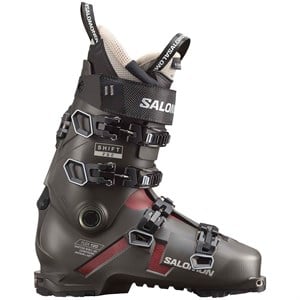
- Flex: 120, a stiff flex for expert skiers.
- Last: 100mm, a medium last with customization up to 106mm.
- Walk Mode: Surelock Ski Walk Mechanism with 53° range of motion.
- Liner: My Custom Fit 4D Liner for seamless comfort.
The Salomon Shift Pro 120 is the ultimate boot for the modern freeride skier who needs a single boot that can perform in any situation. It’s designed to be a true do-it-all machine, with a powerful 120 flex that can drive wide skis and a well-hidden, low-profile Surelock Ski Walk Mechanism that makes it easy to transition from ski mode to walk mode. The boot’s Custom Shell HD heat molding system is a game-changer, allowing for a quick and easy fit personalization that can expand the 100mm last to accommodate a wider forefoot. This, combined with the My Custom Fit 4D Liner, which features a seamless design, ensures a perfect, pressure-point-free fit that also provides improved warmth and precision. The Core-Frame Construction reinforces the boot where it counts, providing enhanced terrain feedback and maximum power transmission without adding unnecessary weight.
For uphill travel, the Surelock mechanism and two additional Hiking Hooks on the buckles offer an impressive range of motion and mobility, making ascents more comfortable and efficient. The Integrated Tech Inserts make it compatible with touring bindings, while the GripWalk Outsoles and Midgrip Sole provide excellent traction on rocky or icy terrain. The Salomon Shift Pro 120 is the perfect boot for the adventurous skier who wants to have the option to hike to a peak or just lap the resort without sacrificing performance. It’s a testament to modern ski boot design, proving that you don’t have to choose between downhill power and uphill capability.
Pros & Cons
- Pros: Exceptional versatility, highly customizable fit, effective walk mode and tech inserts.
- Cons: The walk mechanism might be complex to use initially.
See the Salomon Shift Pro 120 See the Women’s Shift Pro 110
How to Choose Downhill Ski Boots
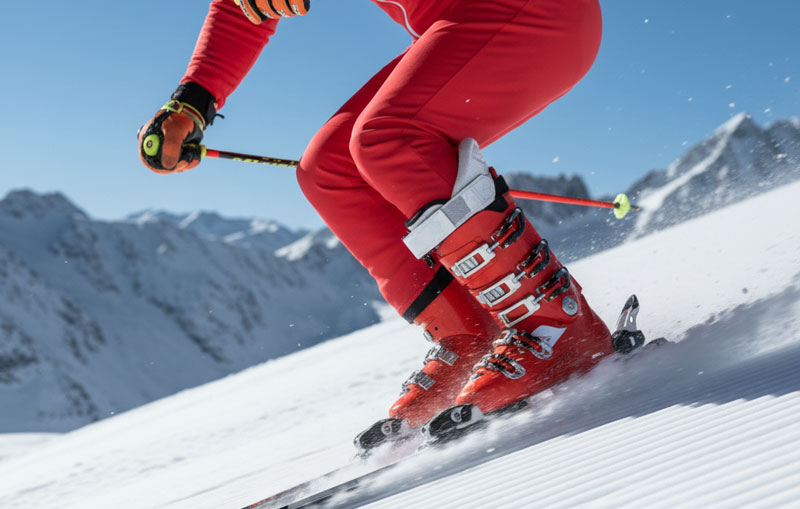
Choosing the right downhill ski boots is one of the most critical decisions a skier can make. Unlike skis, which can be rented or borrowed with relative ease, ski boots are a highly personal piece of equipment. A well-fitting boot provides the necessary control, comfort, and performance for an enjoyable day on the slopes, while a poorly-fitting one can lead to pain, blisters, and a miserable experience. This article will guide you through the process of selecting the perfect pair of downhill ski boots, covering everything from fit and flex to key features and common mistakes to avoid. 🎿
The Importance of a Proper Fit
Fit is everything when it comes to ski boots. It’s the single most important factor that determines your comfort and your ability to control your skis. A good fit ensures a direct connection between your leg and the ski, allowing for precise turns and effortless maneuverability. A boot that is too loose will cause your foot to slide around, leading to a loss of control and potential blisters. A boot that is too tight can cause a range of problems, from numb toes to sharp, localized pain. The goal is a snug, but not constricting, fit that holds your foot and ankle firmly in place without cutting off circulation.
Shell Fit: The First Step
The first step in finding the right fit is to determine your shell size. This is the size of the plastic outer boot before the liner is inserted. To check for shell fit, remove the liner from the boot and slide your foot into the empty shell. Push your toes forward until they touch the front of the boot. You should be able to fit one or two fingers (about 1.5-2 cm) between your heel and the back of the shell. This gap indicates the boot is the correct length. If you can fit more than two fingers, the boot is likely too big. If you can’t fit a finger at all, it’s too small. This initial check is crucial as it ensures the basic length is correct before you get into the finer details of the fit.
Understanding Flex and Stiffness
The flex of a ski boot refers to its forward stiffness. The flex index is a numerical rating that indicates how much resistance the boot offers when you bend your ankle forward. The higher the number, the stiffer the boot. Choosing the right flex is essential for performance and comfort, and it’s primarily determined by your skill level, weight, and skiing style.
Flex Ratings and Skier Type
- Beginner and Intermediate Skiers (Flex 60-90): These skiers generally benefit from a softer flex. A softer boot is more forgiving and easier to flex, which is ideal for learning proper technique and for a less aggressive, more comfortable skiing style.
- Advanced Skiers (Flex 90-120): Advanced skiers need a stiffer boot to transfer power efficiently from their legs to their skis. A stiffer boot provides more responsiveness and control, which is essential for skiing at higher speeds and on challenging terrain.
- Expert and Professional Skiers (Flex 120+): The stiffest boots are reserved for expert skiers, racers, and those who demand the highest level of performance. These boots offer maximum power transmission and control but are less forgiving and can be uncomfortable for prolonged use.
It’s also important to consider your weight. A heavier skier will need a stiffer boot to get the same level of support as a lighter skier. Similarly, a more aggressive skiing style that involves a lot of forward pressure on the shins will require a stiffer boot to prevent over-flexing.
Key Features to Consider
Beyond fit and flex, modern ski boots come with a range of features that can enhance your comfort and performance. Understanding these features will help you narrow down your options.
Liner and Customization
The liner is the soft, inner part of the boot. Most modern boots come with heat-moldable liners. When heated, these liners conform to the shape of your foot, creating a custom fit. This process, often done by a professional boot fitter, can significantly improve comfort and performance. It’s a key feature to look for, as it can solve minor fit issues and provide a truly personalized feel. Some boots even have customizable shells that can be heat-molded or stretched in specific areas to alleviate pressure points.
Last Width
The ‘last’ is the width of the boot at its widest point, usually across the forefoot. Ski boot lasts typically range from narrow (around 97 mm) to wide (over 102 mm). The right last width depends on the shape of your foot. If you have a narrow foot, a narrow last will provide a better fit and more control. If you have a wide foot, a wider last will be more comfortable and prevent cramping. Trying on different boots with varying last widths is the best way to determine what works for you.
Walk Mode and Grip Soles
Many all-mountain and touring boots feature a “walk mode.” This is a lever on the back of the boot that unlocks the cuff, allowing for a greater range of motion and making walking to and from the lifts much easier. If you plan to do any hiking, backcountry skiing, or just want more comfort while walking around the resort, a boot with a walk mode is a great choice. Additionally, many boots now come with grip soles, which provide better traction on slippery surfaces than traditional flat soles.
The Ski Boot Fitting Process: A Practical Guide
To ensure you get the best fit, it’s highly recommended to visit a professional ski boot fitter. Here’s a step-by-step guide to what that process looks like:
- Consultation: The boot fitter will ask you about your skiing ability, style, and any past fit issues. They’ll also measure your feet, checking for length, width, and arch shape.
- Shell Check: As mentioned earlier, the fitter will perform a shell fit to ensure the boot is the correct length for your foot.
- Initial Try-On: You’ll try on the boot with the liner and buckle it up. The fitter will check for pressure points and areas where the fit is not ideal.
- Customization: If needed, the fitter will perform heat molding on the liner or shell to achieve a custom fit. This is often the most important part of the process.
- Stance and Alignment: A good boot fitter will also check your stance and alignment, making sure your boots are set up correctly to match the natural angle of your legs and feet. This can be critical for performance and injury prevention.
Be patient during this process. A proper boot fitting can take a significant amount of time, but the investment is well worth it for the comfort and performance you’ll gain on the mountain. Remember, a boot may feel tight at first, but it should never be painful. The “comfortably snug” feeling is what you’re looking for. By following these guidelines and working with a professional, you’ll be well on your way to finding the perfect pair of downhill ski boots for a season of comfortable and confident skiing. ⛷️