
Best Ski Hats & Beanies of 2026
Staying warm on the slopes starts with the right ski hat or beanie. The best ones keep your head cozy, fit comfortably under a helmet, and wick away sweat while you ride. Whether you prefer soft merino wool, lightweight fleece, or a chunky knit for extra warmth, there’s a style for every skier. In this guide, we’ve picked the best ski hats and beanies to keep you warm, dry, and stylish all season long — from high-performance options to casual ones for après-ski comfort.
1. REI Co-op Lightweight Logo Beanie

- Hat Style: Beanie
- Fabric: 70% acrylic/30% wool
- Visor/Brim: No
- Head Circumference: 21.5-23.5 inches
The REI Co-op Lightweight Logo Beanie is a practical choice for skiers who want comfortable coverage without the bulk of a heavy winter hat. Its acrylic-wool blend provides a balance of softness, warmth, breathability, and stretch, making it suitable for both active days on the slopes and casual wear around town. The lightweight construction also makes it easy to pack into a ski jacket pocket or backpack when temperatures change.
With a head circumference range of 21.5 to 23.5 inches, this beanie is designed to provide a secure fit for many users without feeling overly restrictive. The absence of a brim keeps the design simple and versatile, while the wool content adds useful warmth for cold-weather activities. Overall, it is a straightforward option for skiers who prefer a lightweight beanie that can transition easily from the mountain to everyday winter use.
Pros:
- Lightweight and breathable construction
- Acrylic-wool blend provides warmth and stretch
- Versatile for skiing and everyday wear
- Easy to pack and carry
Cons:
- No brim for additional sun protection
- May provide less insulation than a heavy winter beanie
See the REI Co-op Lightweight Logo Beanie
2. Carhartt Iconic

- Hat Style: Cold-weather beanie
- Fabric: 100% acrylic rib knit
- Cuff: Fold-up cuff
- Construction: Thick, stretchy rib knit
The Carhartt Iconic Beanie is built around a classic cold-weather design that prioritizes warmth, durability, and a secure fit. Its 100% acrylic rib-knit construction is thick enough to provide useful insulation while retaining the stretch needed for comfortable everyday wear. The fold-up cuff allows the wearer to adjust how the hat sits on the head and adds another layer of coverage around the ears, which can be especially useful during cold ski days.
One of the strongest practical features is its durable knit construction, which is designed to hold its shape through repeated use. The sewn-on Carhartt patch gives the beanie its recognizable workwear styling, while the straightforward design makes it suitable for skiing, hiking, commuting, or casual winter activities. It is a particularly practical choice for anyone who wants a substantial beanie that can handle regular cold-weather use without complicated features.
Pros:
- Thick and durable acrylic knit
- Fold-up cuff allows fit adjustment
- Stretchy and comfortable construction
- Suitable for work and outdoor activities
Cons:
- Thicker construction may feel warm during high-output activity
- No moisture-wicking or quick-drying specifications provided
3. Wmcaps Winter Beanie

- Material: Stretchy polyester knit with soft-spun finish
- Lining: Fleece-lined for wind protection and comfort
- Fit: One size fits most (highly stretchable)
- Use: Multi-activity—skiing, running, everyday wear
The Wmcaps Winter Beanie is a straightforward, budget-friendly option built for everyday winter use. The exterior knit is soft and stretchy, while the fleece lining blocks wind and prevents itching. It holds shape through washing and the elasticity makes it comfortable for most head sizes. The cuff can be pulled down for extra ear coverage, giving flexible warmth on cold days.
This hat is designed for function first: it’s not premium merino, but it’s warm, light, and versatile. It pairs well with casual winter outfits and performs reliably on outdoor activities where you need a simple, warm cap. If you want an inexpensive, practical beanie that’s easy to replace and comfortable for active use, this one delivers solid value.
Pros:
- Very affordable and durable
- Fleece lining adds wind protection and comfort
- Stretchy fit suits many head sizes
Cons:
- Polyester knit lacks the natural feel of wool
- Not ideal for high-exertion activities where breathability matters most
4. REI Co-op Polartec Fleece Beanie

- Hat Style: Beanie
- Fabric: Polartec recycled fleece
- Moisture Wicking: Yes
- Quick Drying: Yes
The REI Co-op Polartec Fleece Beanie is designed for winter days when additional warmth is needed without relying on a bulky hat. Its Polartec recycled fleece construction provides a soft insulating layer while remaining appropriate for active outdoor use. The fleece material is particularly useful for skiing because it can provide warmth while helping manage moisture during periods of movement and changing weather conditions.
Moisture-wicking and quick-drying properties make this beanie well suited to active winter activities. These features can help move moisture away from the head and allow the material to dry more quickly when exposed to perspiration or light moisture. The brim-free beanie design keeps the profile simple and makes it easy to wear under other winter gear. For skiers looking for a fleece option with performance-focused fabric properties, this model offers a practical combination of warmth, moisture management, and packability.
Pros:
- Warm Polartec fleece construction
- Uses recycled fleece fabric
- Moisture-wicking performance
- Quick-drying material
Cons:
- No brim for sun protection
- May be less suitable for extremely cold conditions without additional head protection
See the REI Co-op Polartec Fleece Beanie
5. Smartwool Merino Beanie
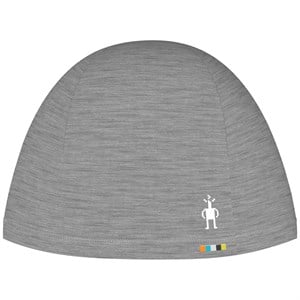
- Material: 88% Merino Wool / 12% Recycled Nylon
- Fit: Bulk-Free Fit
- Construction: Recycled Nylon Core with 100% Merino Next-to-Skin
- Finish: Cleanly finished seams for low bulk
The Smartwool Merino Beanie hits the sweet spot between warmth and low bulk. The merino-heavy blend feels soft against skin and avoids the scratchiness typical of traditional wool. Because it uses a recycled nylon core, the beanie holds its shape well while the merino next-to-skin keeps odor and moisture under control. The finished seams and the overall slim profile make it perfect under a helmet or for layering with a hood.
On cold mornings it provides reliable insulation without feeling bulky or overheating during aerobic outings. The knit hangs close to the head so it’s not floppy, and the fabric breathes enough for variable activity levels. For anyone wanting a versatile, sustainably-minded everyday winter hat that also stands up to outdoor use, this is an easy, comfortable pick.
Pros:
- Soft, non-itchy merino next-to-skin
- Low-bulk seams and helmet-friendly fit
- Good moisture management and odor control
Cons:
- Not as windproof as lined beanies
- Less robust for heavy-duty wet snow without a liner
See the Smartwool Merino Beanie
6. Skida Alpine Hat – Women’s
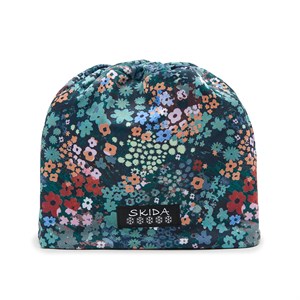
- Outer: 92% Polyester / 8% Spandex with MAX-Dri
- Lining: 100% Polyester medium-weight fleece
- Fit: S/M 20″–22.5″, M/L 22.5″–25″
- Sun Protection: UPF 50+
The Skida Alpine Hat for women blends a stretchy, printed outer with a cozy fleece lining — a mix that balances style, moisture control and warmth. The MAX-Dri outer sheds sweat and dries quickly while the fleece lining adds a comfortable barrier against wind and cold. The hat’s cut and fabric stretch make it easy to get a snug, flattering fit without pressure points.
It’s especially handy for days when you need sun protection as well as warmth: the UPF 50+ rating gives peace of mind on bright, reflective slopes. The two size ranges cover most heads and the low-profile silhouette fits well under hoods and helmets. If you want a technical-looking hat that’s also cute and functional for resort or town use, this one does both well.
Pros:
- Lightweight fleece lining for warmth
- Quick-dry outer with MAX-Dri tech
- UPF 50+ sun protection
Cons:
- Printed outer may show wear with heavy use
- Sizing can be snug for larger heads even in M/L
See the Skida Alpine Hat – Women’s
7. Smartwool Thermal Merino Reversible Cuffed

- Material: Smartwool Merino 250 base layer fabric (merino wool)
- Weight: Thin, lightweight—weighs 2.1 oz
- Design: Double layered for extra warmth, reversible cuff
- Performance: Moisture-wicking and odor-resistant
The Smartwool Thermal Merino Reversible Cuffed hat is essentially a merino base-layer for your head: thin, warm, and superb at moisture management. It uses Smartwool’s Merino 250 fabric so the hat breathes well and resists odor during multi-day use. Because it’s double layered but still lightweight, it works for both active days and casual cold-weather wear.
The reversible cuff adds styling flexibility and the clean seams keep the profile low under helmets and hoods. It’s a great pick if you want merino’s natural temperature regulation without bulk. For travelers and multi-day backcountry users who need quick-drying, odor-resistant gear, this beanie is a very practical, comfortable choice.
Pros:
- Excellent moisture control and odor resistance
- Lightweight but warm double-layered construction
- Reversible cuff for styling options
Cons:
- Thin profile may not suit extreme wind without extra shell
- Premium price for a simple design
See the Smartwool Thermal Merino Reversible
8. Arc’teryx Bird Head Toque

- Material: 50% Merino Wool / 50% Acrylic blend
- Lining: Polyester fleece lining
- Performance: Moisture-wicking and quick-drying
- Style: Large Arc’teryx logo on front
The Arc’teryx Bird Head Toque pairs a superfine merino/acrylic blend with a fleece lining for a comfortable, warm beanie that also looks modern on the slopes. The fabric blend gives softness and thermal retention while the fleece lining adds a little extra wind resistance and plush comfort. The large logo makes it a clear brand statement and the cut sits nicely on most heads.
This toque works well as an everyday winter hat and doubles as a resort-appropriate beanie for après. The merino blend helps regulate warmth and the quick-drying properties mean it handles stop-and-go activity without getting soggy. If you want a stylish, comfortable beanie from a performance brand, this is a reliable choice.
Pros:
- Soft merino/acrylic blend with lining for warmth
- Quick-drying and breathable
- Clean, branded look for town or resort
Cons:
- Logo-forward styling may not suit minimalists
- Blend less insulating than 100% merino in very cold, wet conditions
See the Arc’teryx Bird Head Toque
9. Patagonia Beanie Hat
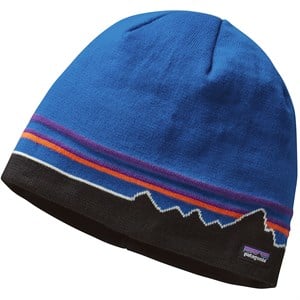
- Material: 96% Recycled Polyester / 4% Spandex
- Sustainability: Made with recycled polyester
- Fit: Stretchy polyester/spandex blend for snug fit
- Use: Everyday cold-weather and casual wear
The Patagonia Beanie Hat is a classic casual cap built from recycled materials that feel soft and resilient. The recycled polyester/spandex blend gives it shape retention and a comfortable, close fit. It isn’t a technical merino beanie, but it provides dependable warmth for commuting, traveling, and short outdoor stints while keeping Patagonia’s sustainability focus.
Its simple look and comfortable stretch make it easy to throw on with any winter outfit. It layers well under helmets and hoods and washes cleanly without losing shape. For shoppers who prioritize recycled fabrics and a dependable, no-fuss beanie, this Patagonia option is a solid everyday pick.
Pros:
- Made from recycled materials
- Soft, stretchy fit that keeps shape
- Good value for casual use
Cons:
- Less odor control than merino options
- Not designed for intense cold or high-output activity
10. Patagonia Powder Town
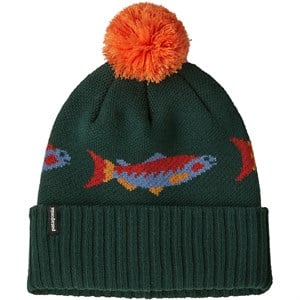
- Material: 96% Recycled Polyester / 4% Spandex
- Style: Casual, logo-forward powder-town design
- Fit: Stretchy, comfortable everyday fit
- Sustainability: Uses recycled materials
The Patagonia Powder Town beanie leans into brand identity with a fun, casual design made from recycled materials. The polyester/spandex blend stretches well and feels soft while offering reliable everyday warmth. It’s not a technical insulating beanie, but it’s comfortable for town, travel, and short outdoor stints.
If you like a more graphic, statement beanie and care about recycled content, this one fits the bill. The fit is easy and forgiving, and it layers well under helmets for light use. For skiers who want a casual, recognizable beanie to wear off the mountain, it’s a great option.
Pros:
- Recycled materials and comfortable fit
- Casual, recognizable style for après or town
- Holds shape and washes well
Cons:
- Less technical for high-exertion or very cold days
- Poly blend lacks natural insulation of wool
How to Choose Ski Hats & Beanies
When you’re out on the slopes, keeping your head warm is just as important as wearing the right jacket or gloves. Ski hats and beanies play a key role in maintaining body heat, managing moisture, and ensuring overall comfort in freezing conditions. But with so many options available—from thick wool beanies to lightweight synthetic hats—it can be difficult to know what to look for. This guide breaks down everything you need to consider when choosing the perfect ski hat or beanie for your next trip.
Understanding the Importance of a Good Ski Hat
Your head is one of the main areas where heat escapes, especially when you’re active in cold weather. A well-designed ski hat helps retain warmth while also managing sweat and moisture. It acts as an insulating layer that keeps you comfortable throughout long days on the slopes or during après-ski downtime. The right hat can also protect your ears and forehead from windburn and frostbite, ensuring your focus stays on skiing, not shivering.
Material Matters: What Your Beanie Is Made Of
The fabric of your ski hat affects how warm, breathable, and durable it is. Different materials perform better in certain conditions, so it’s worth understanding what each one offers before you buy.
Merino Wool
Merino wool is a top choice for skiers because it provides excellent warmth without bulk. It’s naturally moisture-wicking, odor-resistant, and breathable, which makes it ideal for active use. Unlike traditional wool, merino is soft and non-itchy, so it feels comfortable directly against the skin. It’s great for cold, dry conditions, though it can be less wind-resistant than some synthetics unless double-layered or lined.
Synthetic Fabrics
Polyester, nylon, and spandex blends are common in technical beanies. These materials dry quickly, manage moisture well, and offer a snug, stretchy fit. They’re perfect for skiers who generate a lot of body heat and sweat, as they help regulate temperature. Many synthetic beanies also include fleece linings for extra warmth and comfort on windy days.
Acrylic
Acrylic beanies are popular for casual wear and après-ski style. They’re soft, lightweight, and affordable. However, acrylic doesn’t breathe as well as merino or polyester, so it’s better suited for low-exertion activities or mild winter weather. Some high-quality acrylic hats blend in other fibers like wool for added performance.
Fleece
Fleece-lined beanies or full-fleece hats offer exceptional warmth and softness. They’re wind-resistant, easy to care for, and work well for those who run cold. However, fleece alone can be too warm and less breathable for intense skiing, so many brands use it as an inner layer beneath a more technical outer shell.
Fit and Comfort
Choosing the right fit can make or break your ski day. A hat that’s too tight can cause discomfort or headaches, while one that’s too loose won’t trap heat effectively. Look for a snug but flexible fit that stays in place during activity. Stretchy materials like spandex and merino wool blends adjust naturally to head shapes, making them reliable for most skiers.
Consider whether you’ll wear your hat under a helmet or on its own. Thin, low-profile beanies work best under helmets, while thicker, fleece-lined versions are great for après-ski or walking around the resort. Many brands offer “bulk-free” designs that layer comfortably without pressure points.
Features That Enhance Performance
Beyond warmth and fit, small design features can make a big difference in how your hat performs on the mountain.
Moisture-Wicking Technology
Look for hats labeled as “moisture-wicking” or “breathable.” These features help draw sweat away from your skin, preventing heat loss caused by damp fabric. Materials like merino wool and advanced polyester blends excel at keeping you dry during intense activity.
Wind and Water Resistance
For extra protection, some beanies include windproof panels or water-repellent coatings. These are especially useful in blustery, snowy conditions where regular knits might allow cold air through. However, they can reduce breathability slightly, so balance is key depending on your activity level.
Reversible and Cuffed Designs
Reversible beanies offer two looks in one, which can be handy for travel. Cuffed designs provide an extra layer of warmth over the ears, and they let you adjust coverage to suit the temperature. A cuffed merino or fleece-lined hat can make a noticeable difference on windy chairlifts.
UPF Protection
While not essential in every hat, some lightweight beanies—especially those made for spring skiing—include UPF 50+ sun protection. Snow reflects UV rays, so even in winter, your skin is exposed. A UPF-rated hat helps prevent sunburn on sunny, high-altitude days.
Style and Versatility
Ski hats come in a range of styles, from sleek and minimal to bold and patterned. Your choice depends on how you plan to use it. Technical beanies are designed for performance, while casual knit styles are better for après-ski and everyday wear. Some skiers prefer neutral tones that match their gear, while others enjoy bright prints or pom-pom designs that stand out on the slopes.
If you often move between skiing and social settings, a versatile design can save you from packing multiple hats. Look for options that balance performance features with casual style, like those from Patagonia, Skida, or Smartwool.
Layering with Helmets and Hoods
Many skiers wear helmets for safety, and not all hats fit comfortably underneath. If you use a helmet, go for a thin, bulk-free beanie that won’t bunch or create pressure points. Merino and lightweight synthetic hats are excellent choices for this purpose. Avoid thick, heavily lined styles under helmets—they can cause discomfort or reduce airflow.
Alternatively, if you prefer wearing just a hat on warmer spring days, a thicker fleece-lined beanie offers the right mix of warmth and breathability. Some skiers also layer a thin beanie under a hooded jacket for flexible warmth control during variable conditions.
Durability and Maintenance
A high-quality ski hat should last multiple seasons with proper care. Merino wool requires gentle washing—usually by hand or in a wool-safe cycle—but rewards you with long-term durability and odor resistance. Synthetics are easier to care for, often machine-washable, and quick-drying. Avoid using hot water or harsh detergents on any beanie, as these can break down fibers and cause shrinkage.
Sustainability and Eco-Friendly Options
As more brands move toward sustainability, you’ll find eco-conscious options that perform just as well as traditional materials. Hats made from recycled polyester, organic wool, or responsibly sourced merino are widely available. Look for certifications like ZQ Merino or bluesign® approval, which indicate environmentally responsible production.
Price and Value
Ski hats range from budget-friendly polyester caps to premium merino or brand-name beanies. While you can find solid options under $30, higher-end hats often justify their price with better materials, fit, and performance features. Think of it as an investment in comfort—especially if you ski often or spend long days in cold weather.
Final Tips for Choosing the Right Ski Hat
- Start by identifying your primary use—skiing, après-ski, or everyday wear.
- Choose materials that match your activity level: merino for warmth and breathability, synthetics for sweat-heavy days.
- Ensure a snug but comfortable fit that covers your ears fully.
- If you wear a helmet, opt for a thin, seamless beanie.
- Consider sustainability—recycled or responsibly sourced materials offer both performance and peace of mind.
Conclusion
A good ski hat or beanie is more than just a winter accessory—it’s essential gear for comfort, warmth, and protection on the mountain. Whether you prefer the natural feel of merino wool, the technical performance of synthetics, or the casual look of a knit acrylic hat, the best choice depends on your needs and conditions. Take the time to assess material, fit, and features, and you’ll find a hat that keeps you warm, dry, and stylish all season long.