Best Freeride Skis of 2025
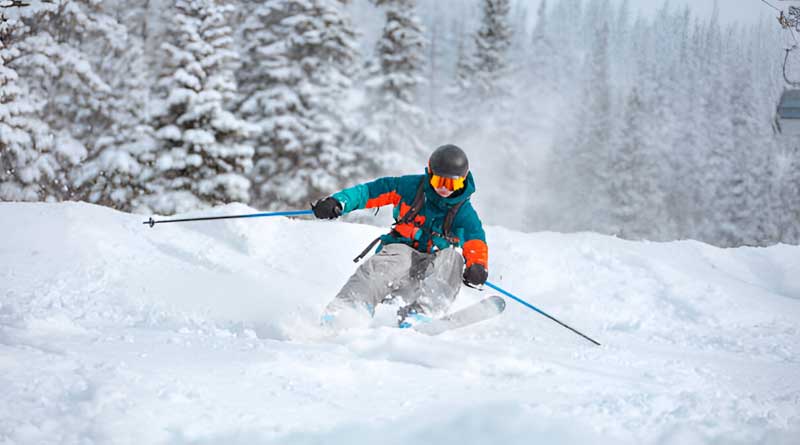
Choosing the right freeride skis can transform your days on the mountain, giving you the confidence to explore big lines, deep snow, and mixed terrain. Freeride skis are designed to handle powder, steep descents, and unpredictable conditions, making them perfect for adventurous skiers who want freedom beyond groomed runs. They usually have wider waists for better float, stable construction for control, and shapes that balance power with playfulness. With so many great options available, it can feel overwhelming to pick the right pair. In this guide, we highlight the best freeride skis to help you find the perfect match for your style.
1. Atomic Bent 110
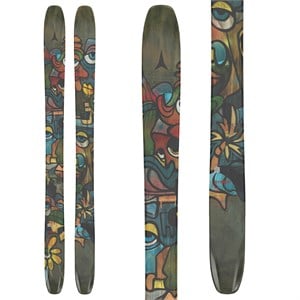
- HRZN 3D Bent Tip and Tail: A full wrap tip and tail profile for playful skiing, especially in freestyle terrain.
- Light Woodcore: Made from poplar wood to optimize weight without sacrificing shock absorption or stability.
- Dura Cap Sidewall: Combines power transmission from a sidewall with the durability of a cap construction.
- Powder Rocker: 25% tip rocker, 50% camber, and 25% tail rocker for a balanced feel in all conditions.
The Atomic Bent 110 is the “Goldilocks” of the Bent family, perfectly bridging the gap between a dedicated powder ski and a versatile all-mountain performer. With a highly adaptable 110mm waist, these skis feel right at home whether you’re floating through fresh backcountry powder or carving through resort chop. The lightweight poplar wood core provides a nimble and responsive feel, while the HRZN 3D tips and tails add a playful, surfy character that makes slashes and smears feel effortless. It’s a ski that delivers an energetic ride without feeling overly demanding, making it a fantastic choice for advanced to expert skiers who want one ski that can handle a wide range of conditions and terrain.
This ski truly excels in its versatility. It’s a go-to for those deep days when you want to feel that uninhibited float, but it’s also stable and predictable enough to handle variable snow and groomed runs. The combination of a directional shape and the Powder Rocker profile means you get solid edge hold on firmer snow while maintaining exceptional flotation when the snow gets soft. The result is a ski that feels powerful and confident underfoot, yet remains light and agile. This makes it a great option for skiers who like to explore the entire mountain, from carving clean arcs on corduroy to dropping into steep, powdery bowls.
Pros:
- Excellent versatility for a wide range of snow conditions.
- Lightweight and nimble feel for easy maneuverability.
- HRZN 3D technology provides great float and a playful, surfy ride.
Cons:
- May not be as stable as a ski with more metal at high speeds or in very firm conditions.
- The playful nature might feel less precise for skiers who prefer a more traditional, hard-charging ski.
2. Blizzard Rustler 10
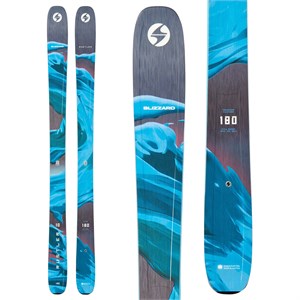
- TrueBlend Freeride Core: A unique blend of beech, poplar, and paulownia woods that precisely tunes the ski’s flex.
- FluxForm: Two pieces of Titanal run the length of the ski, providing edge grip and dampening.
- Rocker Camber Rocker: Rocker at the tip and tail for flotation and easy handling, with camber underfoot for edge grip.
- Sintered Graphite Base: A high-quality base that’s fast and durable in a variety of conditions.
The Blizzard Rustler 10 has earned a near-legendary status among skiers, and for good reason. It’s a true one-ski-quiver for anyone who skis in a location that gets regular snowfall but isn’t always dumping a foot of fresh. With its 102mm waist (104mm in longer lengths), it strikes a masterful balance between a powder ski and a frontside carver. The TrueBlend Freeride Core, a labor-intensive construction of different wood types, allows Blizzard to fine-tune the flex, giving the ski a perfect balance of power and playfulness. This results in a ski that feels both damp and stable on hardpack, yet nimble and surfy in soft snow. It’s no wonder it’s a top choice for so many shop employees who have access to a huge selection of gear.
What sets the Rustler 10 apart is its ability to handle just about anything you throw at it. The FluxForm Titanal pieces provide incredible dampening and a solid, planted feel when you’re charging through crud or groomers, while the rockered tip and tail keep the ski maneuverable and forgiving. This makes it equally capable of carving clean, fast turns on the frontside as it is of slarving through trees and powder. It’s a ski that rewards a confident, aggressive skier but won’t punish you for being playful or skiing switch. For the skier who wants one versatile tool to do it all, the Rustler 10 is an exceptional choice.
Pros:
- Outstanding versatility for all-mountain conditions.
- Excellent combination of stability and playfulness.
- Damp and powerful feel thanks to the FluxForm Titanal.
Cons:
- Not a dedicated powder ski for the deepest days.
- Can feel a bit heavy compared to lighter, more freestyle-oriented skis.
3. Atomic Maverick 115 CTI
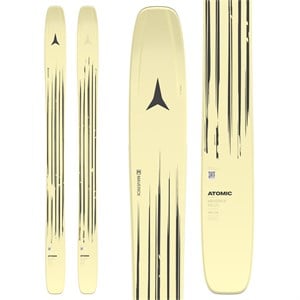
- CTI Powered: Infusion of both Carbon and Titanal for agility and stability in demanding terrain.
- Power Woodcore: A blend of poplar and ash that provides a lively yet stable feel.
- HRZN 3D Maverick / Maven Tip: A reinforced tip that adds stability and smoothness when charging hard.
- Powder Rocker: 30% tip rocker, 50% camber, and 20% tail rocker designed for exceptional float and control.
The Atomic Maverick 115 CTI is an absolute powerhouse built for the skier who lives for big mountain lines and high-speed freeride. Inspired by the skis used by top athletes on the Freeride World Tour, these skis are designed to deliver unwavering confidence in the toughest conditions. The CTI Powered laminate, which combines carbon and Titanal, gives the ski a level of agility and stability that lets you charge through formidable terrain without a second thought. Whether you’re dropping into a steep, chopped-up face or blasting through crud at full speed, the Maverick 115 CTI will feel solid and predictable underfoot.
The wide 115mm waist combined with the generous Powder Rocker profile ensures these skis are right at home in deep snow, offering effortless floatation that feels almost telepathic. However, thanks to the CTI construction and the HRZN 3D tip, they also feel remarkably stable and damp on firm snow, allowing you to transition seamlessly from powder to hardpack without losing control. This ski is for the experienced skier who wants a tool that can handle anything the mountain throws at them, from fresh pow to tracked-out chop and everything in between. You just have to be ready to hang on and enjoy the ride.
Pros:
- Extremely stable and confident at high speeds.
- Excellent combination of flotation and dampening.
- Durable construction built to handle demanding freeride terrain.
Cons:
- The 115mm waist is not ideal for frontside carving on a daily basis.
- Can feel too stiff or demanding for less aggressive skiers.
See the Atomic Maverick 115 CTI
4. Salomon QST 106
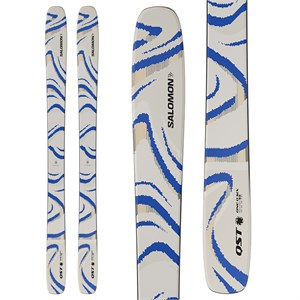
- Full Poplar Woodcore: Provides a powerful rebound and excellent ski-to-snow contact while filtering vibrations.
- Cork Damplifier: An insert in the tips and tails that absorbs vibrations and dampens the ride while keeping weight low.
- Basalt & Fiberglass Fiber: A full-length fiber blend that maximizes performance and ensures superior edge grip.
- Freeride Rocker Profile: 25% tip rocker, camber underfoot, and 17% tail rocker for a balanced freeride feel.
The Salomon QST 106 has earned its spot as an all-mountain icon, especially in snow-rich areas. This ski is the quintessential daily driver for a reason: it’s incredibly capable and versatile. The new construction for this year, featuring a basalt and fiberglass blend around a stout poplar core, brings a fresh level of performance. This combination provides both stability and a lively feel, allowing the ski to handle everything from firm groomers to fresh snow with ease. What truly sets the QST 106 apart is the Cork Damplifier inserts in the tips and tails. These inserts are incredibly effective at reducing chatter and vibrations, creating a smooth and composed ride even when the snow gets choppy and unpredictable.
This ski feels confident and planted, yet remains agile and easy to maneuver. The freeride rocker profile makes turn initiation simple and helps the ski float in soft snow, while the strong core and Basalt/Fiberglass laminate give you the power and edge hold you need to carve on hardpack. It’s a ski that performs admirably in a wide range of conditions, making it a fantastic choice for skiers who want a single ski to do it all, without compromising on performance. The QST 106 is a reliable partner for any on-mountain adventure, whether you’re seeking out fresh stashes or simply enjoying the resort.
Pros:
- Iconic all-mountain versatility that excels in a variety of conditions.
- Cork Damplifier technology provides a smooth, chatter-free ride.
- Strong core and laminate blend offer both stability and liveliness.
Cons:
- May not feel as powerful or damp as skis with metal laminates.
- The medium turning radius might not appeal to skiers who prefer very quick, tight turns.
5. Lib Tech Hemi 102
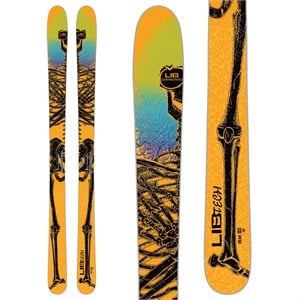
- Freestyle/Freeride Contour: Rocker at both ends and camber in the middle for a playful, surfy feel.
- Triax and Biax Fiberglass: A combination of fiber laminates that provides a medium flex and responsive feel.
- Magna Traction Edges: A serrated edge profile that offers exceptional hold on firm snow, even when detuned.
- Sintered UHMW Base: A fast, durable base material that holds wax well for speed in a variety of snow conditions.
The Lib Tech Hemi 102 is the all-mountain version of the Hemi series, designed for skiers who want to bring a freestyle, park-like mentality to the entire mountain. It’s a ski that turns the whole resort into a playground, excelling in everything from variable chop to firm groomers. The early rise profile at both the tip and tail gives it a fun, surfy feel that’s perfect for slashing turns, buttering, and getting creative with the terrain. The combination of Triax and Biax fiberglass, along with a Basalt Web laminate, provides a medium flex that is both poppy and forgiving, making it easy to pop off natural features and absorb bumps.
What truly sets this ski apart is the Mervin Made philosophy and the unique Magna Traction™ edges. These serrated edges provide a surprisingly strong grip on firm snow, allowing you to confidently hold an edge even when the conditions are less than ideal. This means you can detune the edges for park and urban use without sacrificing grip when you need it. The Hemi 102 is built for the skier who values fun and creativity over pure speed and straight-line stability. It’s a ski that rewards a playful approach, encouraging you to hit every side hit and butter through every transition.
Pros:
- Playful, surfy feel that turns the whole mountain into a terrain park.
- Magna Traction edges provide excellent grip on firm snow.
- Durable construction with a focus on freestyle and freeride performance.
Cons:
- The playful nature may feel less stable at very high speeds.
- Not ideal for skiers who prefer a more traditional, hard-charging ski.
6. Salomon QST Blank
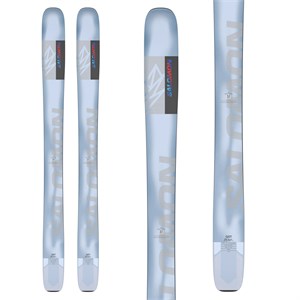
- C/FX Carbon Weave: A fiber layer of carbon and flax that combines strength with dampening.
- Full Poplar Woodcore: Offers a blend of stability and powerful rebound from tip to tail.
- Cork Damplifier: Highly absorptive cork inserts in the tip and tail to reduce vibrations.
- Freeride Rocker Profile: A generous 28% tip rocker and 25% tail rocker for superior float in powder.
The Salomon QST Blank arrived on the scene with a huge amount of buzz, and for good reason—it’s a truly exceptional freeride ski. Designed for skiers who live for the deepest days and most challenging conditions, the Blank is a tool that can tame anything the mountain throws at it. Its wide platform and substantial Freeride Rocker profile (28% tip, 25% tail) make it an absolute master in deep snow, offering a surfy, effortless feel that’s hard to match. It floats like a boat, but it’s not a one-trick pony. The combination of C/FX Carbon Weave and Cork Damplifier technology gives this ski a surprising level of stability and composure.
This construction allows the Blank to handle everything from formidable mank and tracked-out crud to crusty leftovers with confidence. The C/FX weave blends carbon’s strength and low weight with flax’s dampening properties, creating a ski that feels both lively and powerful. The Cork Damplifier inserts in the tips and tails are the secret sauce, soaking up vibrations and creating a smooth, chatter-free ride, no matter the speed or conditions. The Blank is built for the skier who demands top-tier performance on the best days and still needs a ski that can handle the variable conditions that come with big mountain skiing. It’s a freeride dream come true.
Pros:
- Exceptional float and performance in deep snow.
- C/FX and Cork Damplifier technologies provide a smooth, damp ride.
- Highly capable of handling variable and challenging snow conditions.
Cons:
- The wide waist and substantial rocker can make it feel cumbersome on groomers.
- Better suited for advanced to expert skiers who will push its limits.
7. Faction Prodigy 3
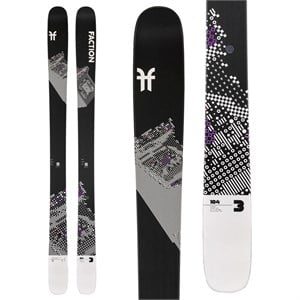
- Lightweight Poplar Wood Core: Provides a light, lively feel that’s perfect for freestyle and freeride skiing.
- Elliptical Sidecut: A longer radius underfoot for easy pivoting and shorter radii in the tip and tail for quick turn initiation.
- Rocker-Camber-Rocker: A balanced profile with generous tip and tail rocker for flotation and camber underfoot for edge hold.
- XL 2.5mm Edges: Extra thick edges that add durability and strength for a longer-lasting ski.
The Faction Prodigy 3 is a soft snow ski designed for the freerider with a freestyle mindset. With a wide 106mm waist and significant rocker in both the tip and tail, this ski is built for those deep days when you want to get creative with your lines. It’s wide enough to keep you afloat in powder, but the shape and flex are tailored for playfulness. The lightweight poplar wood core gives the ski a poppy, energetic feel that makes it easy to butter, slash, and spin off natural features. It’s a ski that encourages you to seek out every side hit and natural transition, turning the entire mountain into your personal park.
While its heart is in the park and deep powder, the Prodigy 3 is surprisingly capable on other terrain. The combination of a rockered profile and an elliptical sidecut means it can still hold a respectable edge on groomed runs, getting you back to the lift without feeling helpless. The XL 2.5mm edges add durability, so you don’t have to worry about dinging them up when exploring. This ski is perfect for intermediate to advanced skiers who want a playful, soft-snow-focused ski that’s just as happy being ridden switch as it is pointed straight down the fall line. It’s a versatile and fun-loving ski that’s all about making the most of every opportunity.
Pros:
- Excellent playful feel for freestyle-oriented freeride skiing.
- Generous rocker and waist width for great flotation in soft snow.
- Durable construction with extra thick edges for longevity.
Cons:
- May not feel as stable or powerful as a ski with metal in it.
- The playful nature can make it less precise for hard carving.
8. Rossignol Sender 106
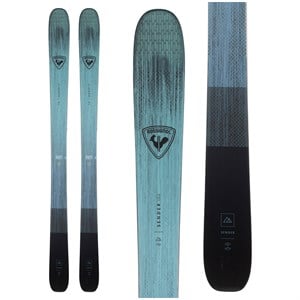
- Air Tip: Reduces swing weight at the tip for effortless maneuverability and natural floatation.
- Titanal Beam: Enhances power underfoot for increased edge grip and energy transfer.
- Carbon Alloy Matrix: A unique fiber weave that delivers high-definition power, stability, and dampening.
- Rectangular Full Sidewall: Provides optimized edge grip, precision, and power transmission from core to edge.
The Rossignol Sender 106 is an incredibly capable ski designed for the advanced to expert skier who wants a tool that can handle anything the mountain throws at them. This ski blends technologies from Rossignol’s race-oriented and freeride lines to create a mid-fat ski that is both powerful and surprisingly agile. The combination of a lightweight paulownia core with a Titanal Beam and a Carbon Alloy Matrix laminate results in a ski that feels damp and stable at high speeds, while still being lively and maneuverable. This allows you to float through powder in the morning and then charge through choppy, tracked-out snow in the afternoon with equal confidence.
What makes the Sender 106 so special is its refined blend of power and playfulness. The Titanal Beam and Double LCT construction provide a solid platform underfoot for excellent edge grip and power transmission, while the Air Tip and Twin Rocker profile keep the ski feeling light and nimble. The Progressive Sidecut also allows for a variety of turn shapes, giving you the freedom to smear and drift or lay down clean carves depending on the conditions. This is a ski for the confident rider who wants to explore all aspects of the mountain, from big mountain lines to tight tree runs, with a ski that can keep up with their demands.
Pros:
- Excellent combination of stability and agility.
- High-tech construction provides powerful edge grip and dampening.
- Versatile enough for both powder and hardpack.
Cons:
- The long turning radius may feel less nimble for tight turns in technical terrain.
- The stiffer nature may be less forgiving for intermediate skiers.
How to Choose Your Next Freeride Skis
Freeride skiing has exploded in popularity, and with it, the market for freeride-specific skis. Stepping away from the groomed runs and into the world of powder, trees, and steep lines requires a different kind of tool. But with so many options, how do you know which freeride ski is right for you? This guide will break down the key factors you need to consider to find your perfect match. From ski shape to construction, we’ll help you navigate the jargon and get you on the right path to freeride bliss.
Understanding the Core Concepts
What is a Freeride Ski?
At its heart, a freeride ski is designed for off-piste skiing—that is, everything beyond the groomed runs. This includes powder, crud, slush, and variable snow. While a resort ski focuses on carving and edge hold on hardpack, a freeride ski prioritizes flotation, stability in challenging conditions, and a more playful, surfy feel. They are typically wider underfoot than all-mountain skis and feature a different rocker profile to enhance performance in soft snow.
Key Ski Characteristics to Consider
Choosing a freeride ski isn’t a one-size-fits-all process. Your ideal ski will depend on several factors, including your skiing style, where you ski, and your personal preferences.
1. Waist Width
The waist width is the measurement of the ski at its narrowest point, under the binding. This is arguably the most important number to look at when choosing a freeride ski.
- 100-110mm: This is the sweet spot for many freeride skiers. Skis in this range are incredibly versatile. They are wide enough to provide excellent float in powder but are still manageable on groomed runs and in variable conditions. If you’re looking for a do-it-all freeride ski, this is the width to start with.
- 110-120mm: These are dedicated powder skis. They offer maximum flotation on the deepest days. They excel in soft snow and feel surfy and playful. However, they can feel sluggish and cumbersome on hardpack or when conditions are not ideal.
- 120mm+: These are specialized skis for deep powder and heli-skiing. They are often reserved for skiers who live in a powder-rich environment or are seeking the ultimate floatation on the deepest days of the year.
2. Rocker and Camber
Rocker and camber refer to the ski’s profile when viewed from the side. This is a critical factor for a ski’s performance.
- Camber: This is the traditional ski shape, where the middle of the ski rises off the ground. When you pressure the ski, it flattens out, providing excellent edge hold and pop. Many freeride skis have some camber underfoot to maintain solid performance on firm snow.
- Rocker (also called Early Rise): This is the opposite of camber, where the tip and/or tail of the ski rise off the ground. This profile makes the ski feel shorter and more maneuverable, and it helps it plane on top of powder. Most freeride skis feature a significant amount of tip rocker, and many also have tail rocker.
- Rocker/Camber/Rocker: This is the most common profile for modern freeride skis. It combines rocker at the tip for flotation and easy turn initiation, camber underfoot for stability and edge grip, and rocker at the tail for a more forgiving, surfy feel and easy release from turns.
3. Ski Shape: Directional vs. Twin Tip
The shape of the ski’s tail also plays a major role in its performance.
- Directional: These skis have a flat or minimally-raised tail. They are designed to be skied forwards and excel at stability and power. They are great for skiers who prioritize speed and charging through variable terrain.
- Twin Tip: These skis have a fully raised tail, similar to a freestyle ski. This shape allows for easy switch skiing (backwards) and a more playful, forgiving feel. Twin tips are great for skiers who like to spin, butter, and ski with a more creative, park-inspired style.
4. Flex and Construction
A ski’s flex and internal construction determine its stiffness and how it will perform under pressure.
- Core Material: Most ski cores are made from wood. Different woods are used to achieve specific performance characteristics. For example, poplar or paulownia create a light, poppy feel, while beech or ash are used for a stiffer, more powerful core.
- Metal (Titanal) Laminates: The addition of a thin sheet of metal, usually Titanal, to the ski’s core adds significant stability, dampness, and power. Metal skis are typically heavier and require more effort to turn, but they excel in stability at high speeds and in choppy snow. They are ideal for aggressive skiers.
- Carbon Laminates: Carbon fiber is used to add stiffness and pop without adding much weight. Skis with carbon are often lighter and more responsive than metal skis, making them a great choice for backcountry freeride or for skiers who prefer a more energetic feel.
- Fiberglass: Fiberglass is a staple in most ski constructions, providing torsional stiffness and rebound. The amount and type of fiberglass can be tuned to give the ski a specific flex pattern.
Matching the Ski to Your Style
The Hard-Charger
If you’re a former racer or a strong, aggressive skier who loves to go fast and carve on anything, look for a ski with a wider waist (100-110mm), a directional shape, and some kind of metal laminate (like Titanal) for stability. A stiffer flex will give you the confidence to hit top speeds and blast through crud.
The All-Mountain Explorer
If you want a versatile ski that can handle fresh snow but also perform well on groomed runs, a ski with a waist width around 100-106mm is perfect. A rocker/camber/rocker profile will provide a great balance of float and edge hold. Look for a ski with a blend of wood and carbon for a lively yet stable feel.
The Playful Freestyle Freerider
If you love to butter, spin, and hit side hits, a more playful ski is for you. Look for a ski with a twin-tip shape, a soft to medium flex, and a generous amount of tip and tail rocker. A lighter construction, often with a wood core and carbon, will make it easy to maneuver and pop off features.
Putting It All Together
To make the best choice, consider where you do most of your skiing. If you’re at a resort that gets frequent, heavy snowfall, a wider, powder-oriented ski (110mm+) might be a great option. If you live in a place with more variable conditions or you want one ski to rule them all, something in the 100-106mm range will be your best bet.
Don’t be afraid to read reviews and watch videos, but remember to prioritize what you need from a ski. The “best” ski is the one that best suits your personal skiing style and the conditions you’ll be riding. By understanding these key characteristics, you’ll be well-equipped to make an informed decision and find the freeride ski that will unlock a new level of adventure for you on the mountain. Happy shredding!