Best Freestyle Skis of 2026
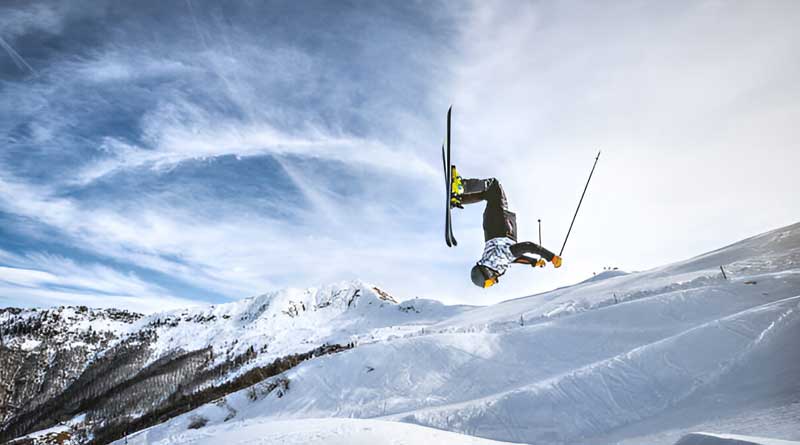
Freestyle skiing is all about creativity, style, and having fun on the mountain, and the right skis can take your tricks to the next level. Freestyle skis are built to handle jumps, rails, spins, and playful riding in the park or all over the resort. They are usually lighter, more flexible, and twin-tipped, making it easier to land tricks and ski switch with confidence. In this guide, we look at the best freestyle skis to match your skills and style.
1. Season Kin
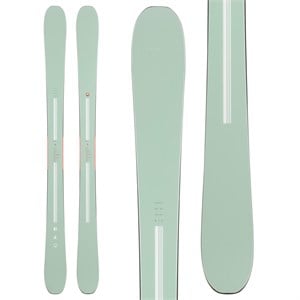
- Terrain: Park & Pipe, All-Mountain
- Ability Level: Intermediate-Advanced
- Core Material: Poplar Wood
- Turning Radius: Short
The Season Kin Skis are designed for riders who prioritize expression and fluid movement across the entire mountain. Featuring a smooth flex and full-height twin tips, these skis provide effortless control whether you are navigating tight glades or hitting features in the park. The deep sidecut and sub-100mm waist width make for snappy, intuitive turns that appeal to both progressing beginners and seasoned veterans looking for a playful ride.
Beyond performance, the Kin is built for extreme durability with heavy-duty topsheets and sintered bases. A unique benefit of this model is the Lifetime Season Pass, which includes unlimited waxes and annual tunes to keep your gear in peak condition. This combination of longevity and a versatile, energetic wood core makes it an excellent investment for dedicated skiers who spend every possible day on the snow.
Pros: Excellent durability, lifetime tuning service, very agile turning.
Cons: Short turn radius might feel twitchy at extreme speeds.
2. Line Skis Blend
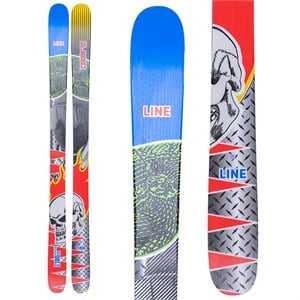
- Rocker Type: Rocker/Camber/Rocker
- Core: 100% Aspen Wood
- Edge: 2.5mm x 2.2mm Fatty Edge
- Flex: Symmetric Butter Zone
The Line Skis Blend remains a staple for freestyle enthusiasts who refuse to be confined to the park boundaries. With its signature Butter Zone flex pattern in the tips and tails, this ski is a master of slarving and creative presses. The Aspen wood core paired with Carbon Ollieband reinforcement provides the necessary pop to boost off natural hits while remaining light and nimble underfoot for technical rail maneuvers.
Despite its soft, playful extremities, the Blend is surprisingly capable on the rest of the mountain thanks to the 5-Cut geometry. This tech blends five different radiuses into the sidecut for an intuitive feel across various turn shapes. To handle the abuse of freestyle riding, Line equipped these with extra thick Fatty Edges and bases, ensuring they withstand heavy impacts and frequent tuning throughout their lifespan.
Pros: Superior buttering ability, high-impact durability, predictable symmetric flex.
Cons: Can feel unstable during high-speed carving on very firm snow.
3. Armada Edollo 91
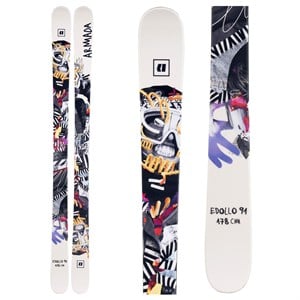
- Ability Level: Advanced-Expert
- Core: Poplar Ash Core
- Base: Comp Series Sintered
- Sidewall: AR50 with W3Dgewall
Henrik Harlaut’s signature Armada Edollo 91 is a precision-engineered tool for the most demanding freestyle skiers. Re-engineered to be lighter and poppier, it features the AR Nose Rocker which allows for effortless nose butters without sacrificing edge hold on the approach. The blend of lightweight poplar and high-density ash stringers creates an incredibly lively feel, providing the power needed for boosting out of large transitions.
The construction is notably robust, utilizing the AR50 Sidewall and W3Dgewall technology to balance weight reduction with extreme durability. Heat-treated 2.5 Impact Edges are designed to resist cracking on rails, while the Comp Series base offers maximum speed for clearing big kickers. This is a high-performance ski meant for advanced riders who want to mimic the creative and explosive style of one of skiing’s icons.
Pros: Elite-level pop, specialized nose butter profile, very fast base.
Cons: Tail stiffness may be unforgiving for intermediate park learners.
4. Rossignol Sprayer Pro
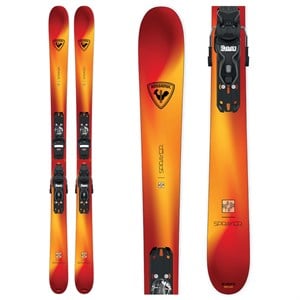
- Terrain: All-Mountain, Park
- Binding: Xpress 10 GW Included
- Tail Type: Partial Twin Tip
- Construction: Cap Construction
The Rossignol Sprayer Pro is the ideal entry point for younger skiers and teenagers looking to transition from traditional carving to the world of freestyle. This package comes with Xpress 10 bindings, making it a convenient and cost-effective setup for growing athletes. The lightweight poplar wood core ensures the ski remains easy to maneuver, allowing developing riders to build confidence without being weighed down by heavy materials.
Designed with a focus on progression, the All-Terrain Rocker provides a balanced mix of precision on hardpack and playfulness in softer snow. The cap construction enhances durability against chips and scratches, which is essential for those just starting to explore park features. While it is a “tweener” ski, it offers enough performance for intermediate riders to explore the entire mountain with a focus on fun and agility.
Pros: Includes high-quality bindings, very lightweight, forgiving for learning tricks.
Cons: Lacks the stability needed for heavy expert-level freestyle use.
5. Atomic Bent 90
- Shape: Directional with HRZN 3D
- Edge Angle: 1.3° Base / 3° Side
- Core: Light Woodcore (Poplar)
- Base: High-Density Sintered
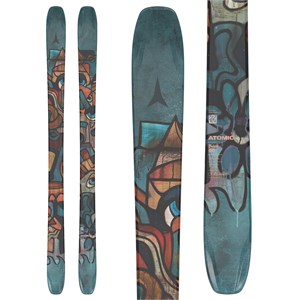
The Atomic Bent 90 has quickly become a favorite for those who want a ski that looks as good as it performs. While it excels in the park, its directional shape and All Mountain Rocker make it a surprisingly capable daily driver for various snow conditions. The HRZN 3D tech in the tip and tail provides extra surface area for better float and a more playful feel when buttering or navigating through crud.
Durability is a key focus here, with Resist Edges specifically designed to handle the grind of rails and boxes. The Dura Cap Sidewall construction offers a smart blend of power transmission underfoot and protective capping on the top edges. Whether you are following the artistic vision of Chris Benchetler or just looking for a snappy, lightweight ride, the Bent 90 delivers a versatile experience that bridges the gap between park and peak.
Pros: Lightweight and easy to spin, excellent graphics, great versatility.
Cons: Thinner profile may struggle in very deep powder conditions.
6. Armada ARV 100
- Waist Width: 100mm
- Sidewall: w3Dgewall Injected
- Laminate: Ash Binding Insert
- Base: S7 Sintered
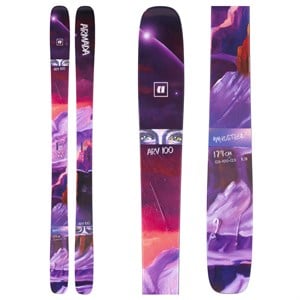
The Armada ARV 100 is the versatile mid-wide powerhouse of the ARV lineup, designed for skiers who treat the entire mountain like a playground. Its 100mm waist provides enough platform for mixed conditions and soft snow, while the AR Freestyle Rocker ensures it remains nimble enough for technical park laps. The inclusion of the w3Dgewall construction creates a mechanical bond between the core and sidewall, significantly increasing durability while reducing overall weight.
Reliability is built into the foundation with ash binding inserts that provide superior screw retention for high-impact landings. The 2.5mm Impact Edges are oversized and heat-treated to survive the rigors of urban and park features. With its predictable poplar core and low-maintenance S7 base, the ARV 100 is a dependable choice for intermediate to advanced riders who need one pair of skis to handle everything from morning groomers to afternoon park sessions.
Pros: Extremely durable sidewall tech, solid binding retention, great all-mountain width.
Cons: Might feel a bit wide for dedicated, narrow-track park specialists.
7. Salomon Depart .01
- Rocker Profile: 23% Tip / 18% Tail
- Core: Karuba/Poplar Full Wood
- Reinforcement: Ti Binding Insert
- Fiber: Basalt Superlight
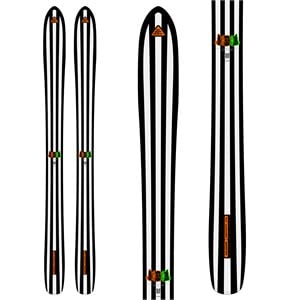
The Salomon Depart 1.0 is a tribute to the creative roots of freestyle skiing, designed for what Salomon calls “post-park” exploration. This ski features a generous rocker profile and a snappy 15m turn radius, making it incredibly responsive when navigating natural features or tight terrain. The karuba and poplar wood core is reinforced with basalt fibers, providing a unique blend of energy and vibration dampening that feels both lively and stable.
A Titanal insert underfoot ensures that despite its playful nature, the Depart 1.0 can still hold a serious edge on hardpack. This is a ski for the advanced rider who wants to break away from traditional park laps and find new ways to express themselves across the whole mountain. Its semi-sandwich sidewalls provide great power transmission where it counts, making it a statement piece for those who value style and unconventional performance.
Pros: Refreshing creative shape, excellent energy return, strong edge hold underfoot.
Cons: Specific freestyle geometry might feel unusual for traditional carvers.
8. Line Skis Chronic 101
- Sidecut: 5-Cut Geometry
- Core: Aspen Veneer
- Edge: 2.5mm x 2.2mm Fatty Edge
- Turning Radius: Short
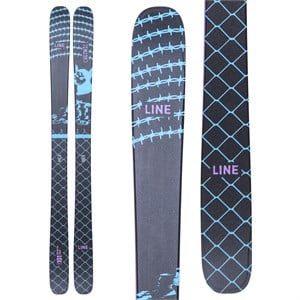
The Line Skis Chronic 101 is the wider sibling of the legendary Chronic, offering a “Jekyll and Hyde” personality that handles the park and the steep backcountry with equal aplomb. Its 101mm waist provides the stability needed for larger features and variable snow, yet the short turning radius ensures it remains incredibly nimble. The Aspen Veneer core is lightweight and engaged, giving the ski a snappy feel that responds instantly to rider input.
Construction-wise, this ski is built to be “damn fine” and durable. It features Thick-Cut Sidewalls for better edge pressure and the Fatty Base and Edge combo to ensure it survives repeated rail grinds and tunes. Whether you are a freestyle veteran looking for more surface area or a traditional skier wanting to loosen up your style, the Chronic 101 offers a friendly, high-performance platform for all-mountain domination.
Pros: Versatile waist width, reduced swing weight, very durable edges.
Cons: Thicker sidewalls add a bit of weight compared to narrower models.
9. Armada Kimbo 95
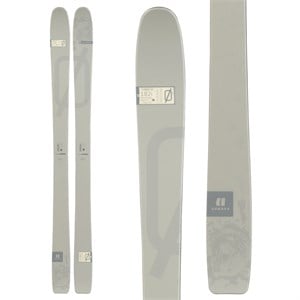
- Flex: 4 Tip / 5 Waist / 6 Tail
- Sidewall: AR75 (75% Sidewall)
- Edge: 2.5 Impact Edge
- Rocker Type: AR Freestyle Rocker
Kim Boberg’s signature Armada Kimbo 95 is a specialized freestyle tool that defies expectations by blending a soft, buttery flex with serious carving capabilities. The progressive flex pattern—softer in the tip and stiffer in the tail—allows for effortless presses and stylish maneuvers while maintaining stability on landings. Its 95mm waist is widely considered the “sweet spot” for park riding, offering enough platform without feeling sluggish edge-to-edge.
The AR75 Sidewall construction provides excellent pressure under the boot for laying down trenches on the way to the jump line, while the capped tips and tails reduce hookiness. Equipped with Armada’s oversized 2.5 Impact Edges and a fast S7 base, this ski is built for high-performance durability. It is a fantastic choice for intermediate to advanced riders who want a smooth, predictable ride that can handle both the creative and technical sides of park skiing.
Pros: Perfect flex for butters, excellent edge grip, very low swing weight.
Cons: Limited to park and pipe focus compared to wider ARV models.
10. Line Skis Blend TBL
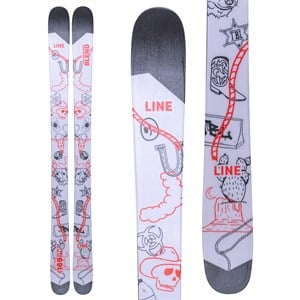
- Core: Aspen Wood
- Laminate: Carbon Ollieband
- Stance: 40mm Back from Center
- Edge: Fatty Edge 2.5mm
The Line Skis Blend TBL is the signature model for Taylor Lundquist, featuring a unique graphic on the classic Blend chassis. At 98mm underfoot, it is a versatile freestyle ski that feels right at home on large park features and creative lines across the mountain. The 100% Aspen wood core provides a light and nimble feel, while the Carbon Ollieband adds the necessary tension for explosive pop during takeoffs and transitions.
What sets this ski apart is the Butter Zone flex pattern and Symmetric Flex, allowing for identical performance whether riding forward or switch. The Capwall construction offers a hybrid benefit: precision and power underfoot with a lightweight, durable cap in the extremities. This model is perfect for fans of Taylor Lundquist or any rider seeking a stylish, high-performance ski that excels at buttering, pressing, and taming the modern terrain park.
Pros: Iconic styling, highly playful flex, great for switch riding.
Cons: Soft tips can dive in heavy, wet snow if pushed too hard.
How to Choose Freestyle Skis: A Comprehensive Guide
Choosing the right pair of skis is a crucial step for any skier, but for those venturing into the world of freestyle, the decision takes on a new layer of complexity. Freestyle skiing, which includes everything from hitting jumps and rails in the park to performing tricks on natural terrain, requires a ski that is playful, durable, and versatile. The right ski can significantly boost your confidence and progression, while the wrong one can hold you back. This guide will walk you through the key factors to consider when selecting your next pair of freestyle skis, ensuring you find the perfect match for your style and skill level.
What are Freestyle Skis?
Freestyle skis, also known as park and pipe skis, are specifically designed to excel in a terrain park environment but are also highly adaptable for all-mountain fun. They are characterized by a few key features that set them apart from traditional alpine skis. The most noticeable is the twin-tip design, where both the tip and the tail of the ski are turned up. This allows a skier to ride and land backward (switch) with ease, which is fundamental to freestyle skiing. Freestyle skis also tend to have a more centered mounting point compared to all-mountain skis, which improves balance for spinning and switch riding. They are built to be more durable to withstand the wear and tear of sliding on rails and boxes, often featuring robust edges and sidewalls.
Key Factors to Consider
1. Ability Level
Your skill level is the most important factor to consider. Beginners should look for skis that are forgiving and easy to maneuver, while advanced skiers will need more specialized and responsive equipment. An intermediate skier may want a ski that can handle a variety of conditions as they progress.
- Beginner: Look for a ski with a softer flex and a forgiving profile. A ski that is easy to turn and less demanding will help you build confidence and master the basics of switch riding and small jumps.
- Intermediate: As you progress, you’ll want a ski that balances playfulness with stability. Look for a medium flex and a waist width that offers versatility for both park and all-mountain skiing.
- Advanced/Expert: At this level, you can choose a ski that is more specialized. If you spend all your time in the park, a narrower, stiffer ski might be ideal. For big mountain freestyle, a wider ski with a stable platform is key.
2. Ski Width (Waist)
The waist width of a ski (measured in millimeters underfoot) directly impacts its performance. A narrower waist is quicker from edge to edge and ideal for groomers and park features, while a wider waist provides better flotation in soft snow and stability at high speeds.
- Under 95mm: These skis are quick, agile, and perfect for park and pipe. They are easy to spin and are excellent on groomed snow. Examples include the K2 Reckoner 92 or the Rossignol Black Ops 98.
- 95mm – 105mm: This is the sweet spot for a do-it-all freestyle ski. They are wide enough to handle a bit of fresh snow but still nimble enough for park laps. They offer the best versatility for skiers who want to ride the whole mountain. The Season Kin and Elan Playmaker 91 fall into this category.
- Over 105mm: These are considered big mountain freestyle skis. They are built for stability on large landings and excel in powder, but can feel sluggish on hardpack and in the park.
3. Ski Length
Choosing the right ski length is crucial for performance and control. A longer ski offers more stability at high speeds and on landings, while a shorter ski is more maneuverable and easier to spin.
- Park Skiing: Freestyle skiers often choose a ski that is slightly shorter than their height. This makes spinning and maneuvering on rails much easier.
- All-Mountain Freestyle: For a hybrid ski, choose a length that is closer to your height. This provides a good balance of stability for all-mountain riding and maneuverability for freestyle tricks.
4. Rocker Profile
The rocker profile (or camber) describes the ski’s natural curve. It’s a critical factor that influences how a ski feels and performs on different types of snow.
- Full Camber: A traditional profile that provides excellent edge grip and pop. Less common in modern freestyle skis but good for pipe skiing and firm snow.
- Full Rocker: The ski is completely curved up. This is great for powder but offers less stability and edge hold on hardpack.
- Rocker/Camber/Rocker (RCR): The most popular profile for freestyle skis. It combines a cambered section underfoot for stability and pop with rocker at the tip and tail for easy turn initiation and a playful feel. This is the ultimate versatile profile for a freestyle ski.
A good understanding of these features will help you narrow down your choices. For example, a beginner park skier might look for a ski with a narrower waist (around 90mm), a soft-to-medium flex, and a Rocker/Camber/Rocker profile. An expert skier who loves to hit big jumps might opt for a ski closer to 100mm, with a stiffer flex and the same RCR profile for maximum stability on landings.
Additional Features to Look For
Core and Construction
The core of a ski is its heart and soul, determining its weight, feel, and durability. Freestyle skis typically feature a wood core, often made of poplar or aspen, which provides a lively and poppy feel. Some skis, like the Elan Playmaker 91, incorporate carbon or other laminates to add strength and reduce weight. The sidewall construction is also important; full sidewalls provide better edge grip and power transmission, while cap construction can be lighter and more forgiving. TwinTech and similar constructions are designed to increase durability and prevent damage from rail slides and other impacts.
Mounting Point
The mounting point of your bindings is key. While many skiers prefer a traditional mount for carving, a more centered “freestyle” or “true center” mount is standard for park and pipe skiing. This mounting point places the skier’s boot directly in the middle of the ski’s running surface, which makes spinning and switch riding feel more natural and balanced.
Choosing a Package
For those new to the sport, buying a ski and binding package can be a great, cost-effective option. The Rossignol Sprayer, for example, comes with bindings and is an excellent choice for beginners looking to get into freestyle skiing without breaking the bank. These packages take the guesswork out of pairing skis with compatible bindings.
Final Advice
Once you’ve considered all these factors, the best way to make a final decision is to read reviews and, if possible, demo different pairs of skis. A ski’s “feel” is subjective, and what works for one person may not work for another. Pay attention to feedback on flex, pop, and versatility. The right freestyle ski is one that not only matches your technical needs but also inspires you to get creative and have fun on the mountain.
In summary, freestyle skiing is about expression and fun, and your skis should be an extension of that. By understanding your ability, preferred terrain, and the technical specifications of each ski, you can confidently choose a pair that will help you progress and make the entire mountain your playground.