Best Insulated Ski Jackets of 2025
When you’re out on the slopes, staying warm is just as important as staying safe. The cold, wind, and snow can make skiing uncomfortable if you don’t have the right gear, which is why choosing the right insulated ski jacket is so important. Unlike shell jackets, insulated jackets give you built-in warmth with padding or down, so you don’t have to rely only on layering. They’re designed to keep you cozy while still being breathable, waterproof, and flexible enough for active movement. In this guide, we’ll explore the top insulated ski jackets that combine comfort, protection, and performance for every type of skier.
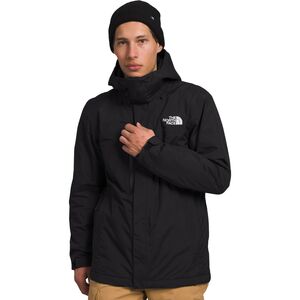
1. The North Face Freedom Insulated
-
Waterproofing: DryVent membrane for breathable, waterproof protection
-
Insulation: Heatseeker Eco synthetic insulation for lightweight warmth
-
Features: Snap-away powder skirt, mesh-lined pit vents, and AquaGuard chest pocket
-
Hood: Helmet-compatible for storm-day coverage
The North Face Freedom is built for skiers and snowboarders who want reliable warmth and protection without compromising on style. Thanks to its DryVent membrane, the jacket keeps you dry in wet conditions while still allowing moisture to escape, making it ideal for long days on the slopes. The Heatseeker Eco insulation ensures lightweight yet effective warmth, so you won’t feel bulky while moving. Practical features like a snap-away powder skirt keep snow out on deep days, and mesh-lined pit vents allow quick cooling when you start working up a sweat. The design is both functional and stylish, with smart storage options like the AquaGuard zip chest pocket, perfect for keeping media devices safe.
Comfort is another highlight of this jacket, with a fit that feels tailored yet roomy enough for layers. The helmet-compatible hood adds extra coverage on stormy days, while the multiple pockets are a real bonus for carrying essentials. One minor drawback is the waist strap—though it’s intended for a more secure fit, some may find it a bit uncomfortable and unnecessary, especially when the rest of the jacket holds shape well. Overall, the Freedom blends warmth, style, and practicality, making it a solid choice for anyone who spends hours in cold, snowy conditions.
Pros: Warm insulation, waterproof and breathable, stylish design, great storage options
Cons: Waist strap can feel uncomfortable, fit may be slightly bulky for some
See The North Face Freedom See the Women’s Freedom
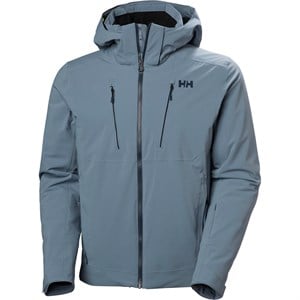
2. Helly Hansen Alpha 4.0
-
Waterproofing: Helly Tech® Performance with fully taped seams
-
Insulation: PrimaLoft® with Life Pocket+ to preserve phone battery
-
Fabric: 85% polyamide, 15% elastane with stretch construction
-
Hood: Detachable, helmet-compatible with fold-away hi-vis brim
The Helly Hansen Alpha 4.0 is designed for skiers who want a mix of sleek style and reliable performance. Its Helly Tech® Performance membrane provides excellent waterproofing and breathability, making it well-suited for unpredictable mountain conditions. The PrimaLoft® insulation keeps you warm without feeling overly bulky, while the articulated sleeves ensure freedom of movement on the slopes. One standout feature is the Life Pocket+, which uses special insulation to keep your phone battery alive in the cold—a thoughtful touch for long ski days. Add in practical extras like a ski pass pocket, brushed hand pockets, and a powder skirt, and you’ve got a jacket that’s both functional and comfortable.
Fit-wise, the Alpha 4.0 offers a regular cut, though some may find it runs slightly large, making it easy to add layers underneath. The detachable, helmet-compatible hood is great for storm protection but can be removed on clear days for a cleaner look. The jacket’s styling is modern and versatile, with subtle branding and even a touch of fur trim for extra flair. Comfort, warmth, and storage all come together to make this jacket a strong contender for all-day skiing. While the sizing may feel a bit roomy for those in-between sizes, the overall balance of warmth, protection, and sleek design makes the Alpha 4.0 a reliable and stylish choice for skiers.
Pros: Excellent waterproofing, warm insulation, phone-protecting Life Pocket+, sleek design with versatile features
Cons: Runs slightly large, higher price point compared to similar models
See Helly Hansen Alpha 4.0 See the Women’s Alphelia
3. TACVASEN Ski Jacket

-
Design: Hooded stitching color with fleece lining for warmth and comfort
-
Closure: Double zipper with detachable hood and adjustable drawstring
-
Storage: 2 concealed zipper pockets, 1 chest pocket, 1 internal pocket
-
Use: Ideal for skiing, snowboarding, hiking, cycling, and winter sports
The TACVASEN Ski Jacket is a budget-friendly yet high-performing winter coat that delivers warmth and comfort in harsh conditions. Its fleece lining feels soft against the skin while providing excellent insulation, making it perfect for freezing temperatures. The hood is detachable and adjustable, giving you flexibility depending on the weather, and the double zipper design adds durability and extra protection from wind and snow. Multiple pockets, including internal and chest storage, make it practical for carrying essentials when out on the slopes or simply walking in the cold. The jacket’s stylish stitching color design adds a nice touch to its rugged functionality, making it versatile for both sports and casual wear.
One of the standout qualities of this jacket is just how warm it is, often compared to walking around in a personal heat cocoon. Many users highlight how it performs exceptionally well in extreme cold, even during long walks, snow shoveling, or sleet storms, without ever feeling chilly. The fleece lining and fur-trimmed hood trap heat effectively, sometimes even feeling too warm. Despite its affordability, the jacket’s quality rivals higher-priced options, making it a smart buy for anyone who wants reliable protection without overspending. With its combination of warmth, comfort, and durability, the TACVASEN Ski Jacket proves to be a winter essential that easily outperforms expectations.
Pros: Extremely warm and comfortable, affordable price, versatile design, plenty of storage pockets
Cons: Can feel too hot at times, zipper head positioned on the left may take adjustment
See the TACVASEN Ski Jacket See the Women’s TACVASEN Ski Jacket
4. REI Co-op Powderbound Insulated

-
Waterproofing: Peak 2-layer laminate with DWR, critically seam-sealed
-
Insulation: 80 g synthetic in core, 60 g in sleeves for mobility
-
Features: Helmet-friendly hood, pit zips, articulated elbows, powder skirt
-
Storage: Multiple pockets including lift pass, goggles, and media port
The REI Co-op Powderbound Insulated jacket is a well-rounded ski companion built to balance warmth, weather protection, and movement. Its Peak 2-layer waterproof/breathable laminate shields against snow and rain while still allowing sweat to escape, making it reliable in changing alpine conditions. The smart use of insulation—thicker in the core and lighter in the sleeves—keeps you warm while preserving flexibility for active skiing or snowboarding. A helmet-compatible hood, high collar lined with soft tricot, and shaped cuffs designed for gloves all contribute to all-day comfort. With features like pit zips for quick cooling and a snap-away powder skirt, the Powderbound is engineered for versatile mountain performance.
Practicality shines with this jacket, as REI has included plenty of storage for essentials, from a lift pass pocket on the wrist to a drop-in goggles pocket inside. The handwarmer pockets are lined in brushed tricot for added comfort, while the media port makes it easy to stay connected. Sustainability also plays a role here, with Fair Trade Certified™ construction and bluesign®-approved materials. On the downside, the Velcro at the cuffs feels insufficient, leaving an awkward flap when tightened, which may annoy detail-oriented users. Despite this minor issue, the Powderbound offers excellent warmth, durability, and thoughtful design at a solid value, making it a dependable choice for skiers and snowboarders who want protection without overspending.
Pros: Warm and well-insulated, great waterproofing, plenty of storage, sustainable construction
Cons: Velcro cuffs poorly designed, slightly bulky for lightweight seekers
See the REI Co-op Powderbound Insulated See the Women’s Powderbound Insulated
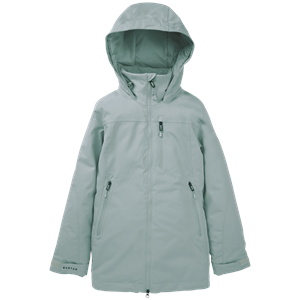
5. Burton Lelah – Women’s
-
Waterproofing: DRYRIDE Durashell™ 2L | 10,000 mm / 5,000 g breathability
-
Insulation: ThermacoreECO 100 g synthetic insulation, 90% recycled fibers
-
Lining: Taffeta Living Lining® for automatic climate control
-
Fit: Slim fit with tailored silhouette, hip-length coverage
The Burton Lelah Women’s Jacket blends sleek styling with practical performance, making it just as useful in town as it is on the slopes. With DRYRIDE Durashell™ fabric, it delivers reliable waterproofing and breathability while still feeling soft and flexible. The ThermacoreECO insulation provides plenty of warmth without being bulky, and the Living Lining® adjusts automatically to changing conditions, helping regulate body temperature throughout the day. Its slim, tailored fit offers a flattering silhouette while leaving space for layering, and the powder skirt and storm-ready features ensure snow and cold winds stay out. Deep, functional pockets add everyday convenience, whether you’re skiing, hiking, or walking the dog.
Users praise its comfort and versatility, especially how it blocks wind and wet conditions while remaining lightweight and warm. The long cut provides extra coverage, and details like mesh-lined vents and a jacket-to-pant interface enhance functionality on the slopes. Storage is excellent, with pockets designed for goggles, passes, and essentials, keeping everything organized. A small drawback is the oversized hood, which works well with helmets but can obstruct vision when tightened without one. Despite that, the Lelah strikes a great balance of style, sustainability, and reliable protection, making it an excellent choice for women who want a jacket that performs well in both urban and alpine settings.
Pros: Warm yet lightweight, flattering slim fit, excellent pocket design, wind and water resistant
Cons: Oversized hood can be impractical without a helmet, limited Velcro adjustment on cuffs
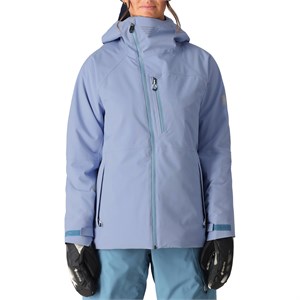
6. 686 Hydra Insulated – Women’s
-
Waterproofing: infiDRY® 20K / 20K breathable with fully taped Bemis® seams
-
Insulation: 60 g synthetic insulation, 85% recycled content
-
Features: Helmet-compatible hood, powder skirt, pit vents, adjustable cuffs and hem
-
Storage: Multiple internal pockets for phone, goggles, lip balm, tissues, and ski pass
The 686 Hydra Insulated Jacket is a feature-rich women’s snowboard jacket designed for riders who want maximum protection and versatility. With its 20K waterproofing and breathability, it keeps you dry through heavy snow, sleet, and even wet spring conditions. The 60 g recycled insulation provides warmth without excessive bulk, making it a solid choice for moderate winter days or layered use in colder weather. Fully taped seams, a powder skirt, and the Pant Jacket Connect™ system keep snow sealed out, while mesh-lined vents and Vader™ Vents regulate airflow when things heat up. Its tailored yet comfortable fit, paired with a helmet-compatible hood and glove-friendly adjustments, makes it reliable for long days on the mountain.
Riders appreciate the jacket’s thoughtful pocket system, which includes specialized compartments for essentials like tissues, lip balm, and goggles, plus a media pocket with audio cord routing. The honeycomb fleece lining at the collar adds comfort, while Lycra wrist gaiters and thumb loops provide extra coverage, though taller users may find the thumb holes a bit snug. The jacket’s stylish design and color options add personality without sacrificing function, though the zipper can sometimes stick, raising concerns about durability. Overall, the Hydra balances technical performance with rider-focused features, making it a dependable and stylish choice for snowboarders looking for all-season versatility.
Pros: Excellent waterproofing and breathability, plenty of specialized storage, stylish fit and design, strong snow-sealing features
Cons: Insulation may feel light in very cold weather, zipper can stick, thumb holes tight for taller riders
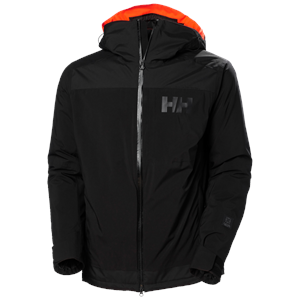
7. Helly Hansen Powdreamer 2.0
-
Waterproofing: Helly Tech® Performance, fully seam sealed
-
Insulation: 100% recycled polyester insulation and lining
-
Features: Adjustable powder skirt, articulated sleeves, mechanical stretch fabric
-
Storage: Multiple chest and hand pockets with goggle wipe and ski pass pocket
The Helly Hansen Powdreamer 2.0 is a versatile ski and snowboard jacket built to handle unpredictable mountain weather while keeping you comfortable and mobile. Its Helly Tech® Performance membrane offers strong waterproofing and breathability, ensuring you stay dry in heavy snow or wet conditions. The insulation, made from 100% recycled polyester, provides lightweight warmth without bulk, while articulated sleeves and 2-way mechanical stretch fabric allow for unrestricted movement. Ventilation openings add breathability on warmer days or during high activity, making it a jacket you can count on across a variety of winter adventures. Designed with functionality in mind, it also features an adjustable powder skirt and a soft tricot chin guard for added comfort.
Storage is a standout feature, with multiple pockets including chest and hand compartments, a ski pass pocket, and even a built-in goggle wipe. The brushed lining inside the hand pockets adds a touch of warmth and comfort, perfect for cold chairlift rides. With its regular fit, the Powdreamer 2.0 layers easily, though many users recommend sizing up for extra room with midlayers. The jacket performs well in cold conditions and transitions smoothly to travel use, as noted by those taking it from Iceland to Colorado ski trips. While it’s warm and well-constructed, the fixed hood may feel restrictive for those who prefer a detachable option. Overall, the Powdreamer 2.0 strikes a great balance of warmth, durability, and thoughtful design, making it a reliable choice for serious winter adventures.
Pros: Excellent waterproofing and breathability, sustainable recycled materials, great storage options, comfortable stretch design
Cons: Fixed hood not removable, may require sizing up for layering
See the Helly Hansen Powdreamer 2.0
How to Choose Insulated Ski Jackets?
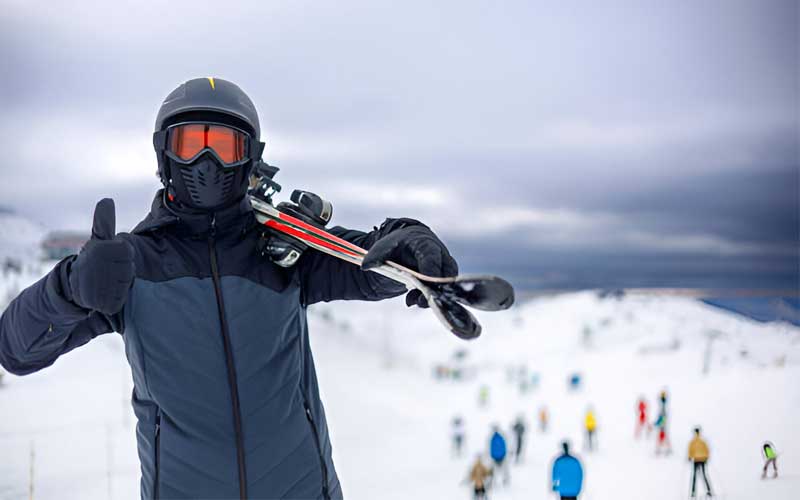
When you’re heading to the mountains, the right ski jacket can make or break your day on the slopes. Insulated ski jackets are a popular choice for skiers and snowboarders who want built-in warmth along with weather protection. They combine waterproof shells with insulation layers to keep you warm, dry, and comfortable in cold, snowy conditions. But with so many different designs, features, and materials on the market, choosing a ski jacket can feel overwhelming. This guide will break down what to look for, so you can pick the perfect jacket for your needs and budget.
Understanding Insulation
Insulated ski jackets combine two key components: an outer shell that protects you from snow and wind, and insulation that keeps your body heat trapped inside. Unlike shell jackets, which rely on separate layers underneath for warmth, insulated jackets provide built-in protection against the cold.
They’re ideal for skiers who run cold, spend a lot of time in chilly conditions, or simply prefer the convenience of having warmth built right into their outerwear. However, not all insulated jackets are created equal—different types of insulation, waterproofing technologies, and features can greatly impact performance.
Types of Insulation
There are three main types of insulations used in ski jackets:
Synthetic Insulation
Synthetic insulation, such as PrimaLoft or Thermacore, is made from polyester fibers designed to mimic down. It retains warmth even when wet, dries quickly, and is generally more affordable. Synthetic insulation is also easy to wash and durable, making it a solid choice for most skiers.
Down Insulation
Down insulation comes from the soft under-feathers of ducks or geese. It is incredibly warm and lightweight, offering excellent compressibility. Down is perfect for dry, cold conditions, but it loses much of its insulating power when wet. Jackets with down insulation often use water-resistant treatments to help counter this drawback, but they may not be the best option for very wet climates.
Hybrid Insulation
Some jackets combine down and synthetic insulation. These “hybrid” designs put down in areas where maximum warmth is needed, like the core, and synthetic insulation in places prone to moisture, like the arms and shoulders. This gives you the best of both worlds: warmth, durability, and performance in variable conditions.
Waterproofing and Breathability
Since skiing involves snow, wind, and sometimes rain, waterproofing is a must-have feature. Most ski jackets use a waterproof membrane, such as Gore-Tex, Helly Tech, or DRYRIDE, to prevent snow and water from soaking through. Look for a waterproof rating measured in millimeters (mm):
-
5,000 mm – 10,000 mm: Suitable for light snow and casual skiing.
-
10,000 mm – 20,000 mm: Good for most skiers and snowboarders, handling moderate to heavy snow.
-
20,000 mm and above: Best for harsh, wet climates and extended backcountry trips.
Breathability is equally important, since skiing is an active sport and you’ll work up a sweat. A jacket with good breathability allows moisture from inside (like sweat) to escape, so you don’t overheat or feel clammy. Breathability is measured in grams (g/m²):
-
5,000 g/m²: Adequate for casual use.
-
10,000 g/m² – 15,000 g/m²: Suitable for most skiers.
-
20,000 g/m² and above: Excellent for high-intensity skiing or backcountry use.
Fit and Comfort
The right fit ensures both comfort and performance. Ski jackets typically come in three main fits:
-
Slim Fit: Tailored and close-fitting, good for skiers who want a sleek look and reduced bulk.
-
Regular Fit: A balanced cut that allows layering without being too baggy.
-
Loose Fit: Roomier and more relaxed, often preferred by snowboarders or those who prioritize mobility.
When trying on a jacket, make sure you have enough room for base and mid-layers underneath. The sleeves should be long enough to cover your wrists when you reach forward, and the hem should fall below your waist to keep out snow.
Stretch fabrics and articulated sleeves also improve comfort, giving you more freedom of movement.
Key Features to Look For
Insulated ski jackets often come with extra features designed to improve performance on the slopes. Some of the most useful include:
-
Powder Skirt: An elastic band inside the jacket that seals out snow from below.
-
Helmet-Compatible Hood: Larger hoods that fit over ski helmets for storm protection.
-
Pit Zips (Vents): Zippered vents under the arms to release heat when you’re working hard.
-
Wrist Gaiters and Cuff Adjustments: Help seal out snow and keep gloves secure.
-
Pockets: Look for a ski pass pocket, goggle pocket, media pocket, and handwarmer pockets.
-
Taped Seams: Fully or critically taped seams prevent water from leaking through stitching.
-
Adjustable Hem and Hood: Allow you to customize fit and improve protection in wind and snow.
Durability and Materials
The face fabric of a ski jacket plays a big role in durability. Nylon and polyester are the most common, often paired with a DWR (durable water repellent) finish. For sustainability, many brands now use recycled materials and PFC-free water repellent coatings.
If you’re skiing regularly or in challenging terrain, a tougher face fabric will last longer and resist abrasions from gear, chairlifts, or falls.
Sustainability Considerations
More skiers are considering eco-friendly options when buying gear. Many brands now use recycled insulation and fabrics, bluesign®-approved materials, and Fair Trade Certified™ production. These jackets reduce environmental impact without sacrificing performance.
If sustainability is important to you, check the product details for certifications and material sourcing.
Price Range
Insulated ski jackets can range from budget-friendly to premium.
-
Budget ($100 – $200): Basic waterproofing, synthetic insulation, and limited features. Suitable for beginners or casual skiers.
-
Mid-Range ($200 – $400): Better waterproofing, improved breathability, and more features like pit zips and powder skirts. Ideal for most recreational skiers.
-
Premium ($400+): Top-tier waterproofing (like Gore-Tex), advanced insulation, and full feature sets. Best for serious skiers or those tackling extreme conditions.
Who Should Choose an Insulated Jacket?
An insulated jacket is best for skiers who:
-
Run cold and want built-in warmth.
-
Ski in cold or variable weather.
-
Prefer a simple layering system without relying heavily on mid-layers.
-
Value convenience and comfort for resort skiing.
Those who ski in mild or very wet climates may prefer a shell jacket instead, layering according to conditions.
Tips for Choosing the Right Jacket
-
Consider your climate: If you ski in very cold regions, look for heavier insulation. For milder conditions, a lightly insulated jacket with good ventilation may be better.
-
Think about layering: Make sure the jacket has room for base and mid-layers.
-
Check the waterproof rating: Higher waterproof ratings are worth it if you ski in wet snow or rain.
-
Focus on features: Prioritize features you’ll use most—such as a powder skirt or media pocket—without paying extra for things you won’t need.
-
Try it on with gear: If possible, wear it with your helmet, gloves, and layers to ensure comfort and compatibility.
Conclusion
Choosing the right insulated ski jacket comes down to balancing warmth, waterproofing, breathability, and features that match your skiing style. Whether you’re a casual skier who values comfort and affordability, or a dedicated rider looking for top-of-the-line protection, there’s a jacket out there to fit your needs.
Pay attention to insulation type, waterproof ratings, fit, and extra features like powder skirts and helmet-compatible hoods. Don’t forget to consider sustainability if that matters to you, and make sure your jacket has the right mix of durability and comfort for long days in the snow.
With the right ski jacket, you’ll stay warm, dry, and ready to enjoy every run, no matter what winter throws your way.