Best Kids’ Ski Jackets of 2027
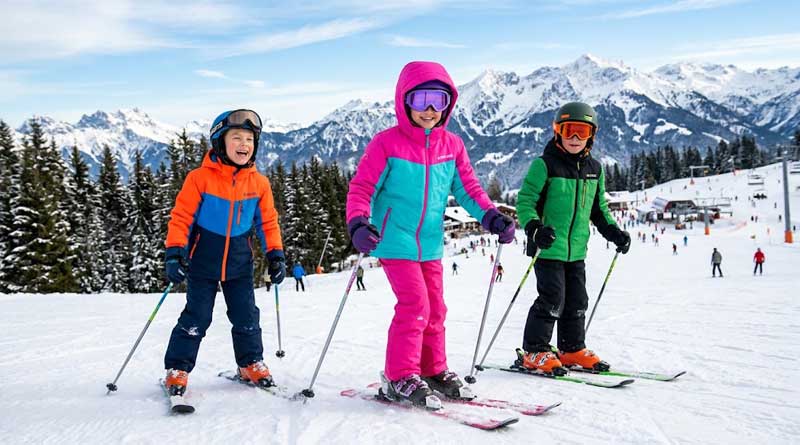
Finding the right ski jacket for your kids can feel overwhelming, but it doesn’t have to be. The best kids’ ski jackets keep them warm, dry, and comfortable on the mountain, so they can focus on having fun. We’ve rounded up eight top-rated options from trusted brands like Columbia, Patagonia, and The North Face. Whether you need a budget-friendly pick, a versatile 3-in-1 design, or maximum warmth for cold days, this guide will help you choose the perfect jacket for your little skier.
1. REI Co-op Timber Mountain

- Fabric: 100% recycled polyester (bluesign certified)
- Waterproofing: 2-layer waterproof/breathable laminate
- Insulation: Synthetic polyester (120 g lower body; 80 g upper body, hood, collar, sleeves)
- Weight: 1 lb. 5.2 oz.
The REI Co-op Timber Mountain is a dependable, budget-friendly choice for families who want solid winter protection without breaking the bank. The waterproof and windproof shell handles wet snow and gusty lift rides, while synthetic insulation paired with a fleece-lined upper body traps warmth where kids need it most. Thumbholes and a powder skirt seal out snow during tumbles, and the two-way zipper adds convenience for quick bathroom breaks and temperature control.
Parents will appreciate that the shell and lining are made from bluesign-certified recycled polyester, making this one of the more eco-conscious options in its price range. The 120 g insulation in the lower body adds extra warmth for seated chairlift rides, while the lighter 80 g in the sleeves keeps arms mobile for skiing and playing. It runs warmer than average and fits true to size, though the fleece lining can feel bulky for layering. Overall, it is a well-rounded jacket for resort days and sledding adventures alike.
- Pros: Affordable, fully waterproof and windproof, eco-friendly recycled materials
- Cons: Fleece lining adds bulk, limited color options, slightly heavier than some competitors
2. The North Face Freedom Insulated – Girls’

- Fabric: 151 g/m² DryVent 100% recycled polyester with non-PFC DWR finish
- Waterproofing: Seam-sealed DryVent 2-layer shell
- Insulation: 150 g Heatseeker 90% postconsumer recycled polyester
- Back Length: 25 inches
The North Face Freedom Insulated jacket lives up to its name with a versatile design that handles everything from first chair to last run. The seam-sealed DryVent shell is fully waterproof and windproof, while 150 g of Heatseeker insulation places it firmly in the warmest category, making it a great pick for cold-weather resorts and kids who run chilly. Zippered pockets keep small essentials secure, and the powder skirt prevents snow from sneaking up during wipeouts.
The 25-inch back length offers generous coverage, and the non-PFC DWR finish reflects growing demand for environmentally responsible outerwear. The recycled polyester construction throughout, including the 90% postconsumer recycled insulation, gives eco-minded parents peace of mind. The jacket fits comfortably over a midlayer without feeling restrictive, and the hood fits well over a helmet. It is on the pricier side and runs warmest, so it may be overkill for mild spring skiing, but for dedicated winter use it is hard to beat.
- Pros: Warmest rating, fully seam-sealed waterproof shell, recycled materials throughout
- Cons: Premium price, may be too warm for mild conditions, limited availability in some sizes
3. Columbia Mighty Mogul III Insulated – Boys’

- Fabric: 100% Omni-Tech plain weave 2L polyester
- Waterproofing: Omni-Tech waterproof/breathable fabric, critically seam sealed
- Insulation: 150 g Microtemp XF II (85% recycled polyester/15% polyester)
- Back Length: 23 inches
The Columbia Mighty Mogul III is built for boys who ski hard and refuse to slow down. The Omni-Tech shell is waterproof and critically seam sealed, keeping moisture out during snowy days, while 150 g of Microtemp XF II insulation delivers a warmer rating that handles frigid lift rides. The thermal-reflective lining helps retain body heat, and thumbholes keep sleeves in place and wrists covered when gloves shift.
A powder skirt seals out snow during falls, and the 23-inch back length provides solid coverage without restricting movement. The insulation is mostly recycled, which is a nice touch at this price point, and the jacket is lightweight enough for active kids to move freely. It fits true to size with room for a fleece underneath on the coldest days. The main drawbacks are the lack of a removable liner and limited color choices, but for straightforward, warm, waterproof performance, the Mighty Mogul III is an excellent value.
- Pros: Warm 150 g insulation, waterproof and critically seam sealed, thermal-reflective lining
- Cons: Not a 3-in-1 design, limited color options, hood not helmet-compatible
4. Columbia Bugaboo IV Interchange 3-in-1 – Girls’

- Fabric: 100% polyester
- Waterproofing: Omni-Tech waterproof/breathable
- Insulation: Synthetic; removable 250 g polyester fleece liner
- Back Length: 21 inches
The Columbia Bugaboo IV Interchange is the ultimate versatile jacket for girls who face changing mountain weather. Wear the waterproof Omni-Tech shell alone on mild days, the cozy 250 g fleece liner on its own for apres-ski, or zip them together for a warmest-rated combo that handles deep winter storms. The Omni-Heat reflective lining bounces body heat back for extra warmth without added bulk, making this a smart choice for families who want one jacket to cover multiple seasons and conditions.
The 21-inch back length is on the shorter side, so taller kids may want to size up for coverage. The fleece liner is soft and warm, and the shell is fully windproof and waterproof for stormy days. Parents love the flexibility of a 3-in-1 system, which extends the usable life of the jacket as kids grow and seasons change. Downsides include the shorter back length, no powder skirt listed, and the fact that the combined system can feel bulky. Still, for sheer versatility and value, the Bugaboo IV is hard to beat.
- Pros: Versatile 3-in-1 design, warmest rating, Omni-Heat reflective lining
- Cons: Shorter 21-inch back length, no powder skirt listed, bulky when fully assembled
5. Columbia Whirlibird III Interchange 3-in-1

- Fabric: 100% nylon
- Waterproofing: Omni-Tech waterproof/breathable technology
- Insulation: Synthetic; removable 100% polyester liner
- Back Length: 23 inches
The Columbia Whirlibird III Interchange is a workhorse 3-in-1 jacket that adapts to whatever the mountain throws at your kid. The Omni-Tech nylon shell is waterproof and windproof, and the removable polyester liner adds synthetic insulation for cold days. Wear the shell as a rain jacket in spring, the liner as a cozy fleece alternative in fall, or combine them for full winter protection. Extendable cuffs are a standout feature, letting the sleeves grow with your child for years of use.
A powder skirt keeps snow out during crashes, and the 23-inch back length offers balanced coverage. The nylon shell is durable and easy to wipe clean, while the liner provides a warmer rating that suits most winter resort days. The 3-in-1 design makes this jacket a smart investment for growing kids, and the extendable cuffs stretch the value even further. Drawbacks include a slightly boxy fit and the lack of thumbholes, but for families who want one jacket to do it all across multiple seasons, the Whirlibird III is a practical, durable choice.
- Pros: Versatile 3-in-1 design, extendable cuffs grow with kids, waterproof and windproof shell
- Cons: Boxy fit, no thumbholes, liner less cozy than fleece, weight unavailable
6. Patagonia Powder Town Insulated

- Fabric: H2No Performance Standard 2-layer, 150-denier 100% recycled polyester plain weave
- Waterproofing: H2No waterproof/breathable barrier with DWR finish
- Insulation: 100 g Thermogreen 100% recycled polyester
- Weight: 1 lb. 12.1 oz.
The Patagonia Powder Town Insulated jacket is a premium pick for families who prioritize sustainability and performance. The H2No Performance Standard 2-layer shell is fully waterproof, windproof, and built from 150-denier recycled polyester for serious durability. Thermogreen 100% recycled insulation provides a warmest rating, and the brushed tricot lining at the collar and chin guard adds comfort against the skin. A RECCO reflector is integrated for avalanche rescue compatibility, a feature rarely found in kids’ jackets.
Thumbholes and a powder skirt seal out snow, and the helmet-compatible hood stays put during active skiing. At 1 lb. 12.1 oz., it is on the heavier side, but that weight reflects the robust construction and warm insulation. Patagonia’s ironclad guarantee and repair program add long-term value. The main downsides are the high price and the heavier weight, which may tire smaller kids. For families who ski often and want a jacket that lasts through multiple seasons and siblings, the Powder Town is a worthy investment.
- Pros: Warmest rating, fully recycled construction, RECCO reflector
- Cons: High price, heavier weight, limited color availability
7. Helly Hansen Summit Insulated

- Fabric: Shell: 100% polyester; shell 2: 100% polyamide
- Waterproofing: HELLY TECH Performance 3
- Insulation: PrimaLoft Black Eco 100% recycled polyester
- Weight: 1 lb. 8.7 oz.
The Helly Hansen Summit Insulated jacket brings serious Norwegian weather expertise to kids’ outerwear. The HELLY TECH Performance 3 construction is fully waterproof, windproof, and breathable, keeping kids dry inside and out during wet snowstorms and rainy lift rides. PrimaLoft Black Eco insulation, made entirely from recycled polyester, delivers a warmest rating with excellent warmth-to-weight ratio, and the recycled polyester lining adds a soft next-to-skin feel.
A powder skirt and 25-inch back length provide generous coverage, and the hood is designed to fit over a helmet for full protection on storm days. At 1 lb. 8.7 oz., it is reasonably lightweight for its warmth level, making it a good choice for active kids who generate heat while skiing. The jacket fits true to size with room for a midlayer, and the construction feels durable and well-made. The main drawbacks are the premium price and limited availability, but for harsh winter conditions, the Summit delivers reliable, eco-conscious performance.
- Pros: Warmest rating, fully recycled PrimaLoft insulation
- Cons: Premium price, limited availability, no thumbholes listed
8. Columbia Liftline Insulated – Girls’

- Fabric: Omni-Tech rebound stretch 100% polyester
- Waterproofing: Omni-Tech waterproof/breathable
- Insulation: 100 g Microtemp XF II (85% recycled polyester/15% polyester)
- Back Length: 21 inches
The Columbia Liftline Insulated jacket is a streamlined, sporty choice for girls who want warmth without bulk. The Omni-Tech rebound stretch fabric is waterproof and windproof while allowing freedom of movement, and the Omni-Heat reflective lining traps body heat for a warmer rating. With 100 g of Microtemp XF II insulation, it strikes a nice balance between warmth and mobility, making it ideal for active skiers who are constantly on the move.
A powder skirt keeps snow out during falls, and the attached hood adds protection on cold, windy days. The 21-inch back length is shorter than some competitors, so taller girls may want to size up for more coverage. The stretch fabric is a standout feature, allowing unrestricted arm movement for pole plants and chairlift acrobatics. The jacket fits true to size and layers well over a base layer and fleece. Drawbacks include the shorter back length and lack of thumbholes, but for girls who prioritize mobility and a sleek fit, the Liftline is an excellent choice at a reasonable price.
- Pros: Stretch fabric for mobility, Omni-Heat reflective lining, waterproof and windproof
- Cons: Shorter 21-inch back length, no thumbholes, may run small for layering
How to Choose Kids’ Ski Jackets
Choosing a ski jacket for your child is one of the most important gear decisions you will make before hitting the slopes. Kids feel the cold faster than adults, they play harder in the snow, and they grow out of clothing quickly. A good jacket keeps them warm, dry, and happy, which means more time skiing and less time complaining. A poor choice leads to shivering, soggy layers, and an early trip to the lodge. This guide walks you through everything you need to know, from waterproofing and insulation to fit, features, and budget, so you can pick the right jacket with confidence.
Why a Dedicated Ski Jacket Matters
It is tempting to send a child out in a regular winter coat, but ski jackets are built differently. They are designed to handle wet snow, wind, and long days outdoors. A dedicated ski jacket offers waterproof protection, wind resistance, insulation that works when damp, and features like powder skirts and helmet-compatible hoods. These details make a real difference on the mountain. A standard puffy coat may keep a child warm on the walk to school, but once it gets wet from snow, it loses much of its insulating power and becomes heavy and cold.
Understand Waterproofing
Waterproofing is the most important feature of any ski jacket. Snow melts when it touches body heat, and wet fabric pulls warmth away from the body fast. Look for jackets that clearly state they are waterproof, not just water-resistant. Water-resistant jackets can handle light snow but will soak through during a full day of skiing or playing in wet snow.
Waterproof Ratings and Technology
Many jackets list a waterproof rating in millimeters, such as 10,000 mm or 15,000 mm. The higher the number, the more water pressure the fabric can withstand before leaking. For kids’ resort skiing, a rating of 10,000 mm or higher is a good target. You will also see brand-specific technologies such as DryVent from The North Face, Omni-Tech from Columbia, H2No from Patagonia, and HELLY TECH from Helly Hansen. These are all reliable waterproof and breathable systems.
Seam Sealing and DWR
Waterproof fabric is only part of the story. Seams are the weakest point, so look for critically seam-sealed or fully seam-sealed jackets. Critically seam sealed means the most exposed seams are taped, which is fine for most kids’ use. Fully seam sealed offers maximum protection. Also look for a durable water repellent (DWR) finish, which makes water bead up and roll off the surface. DWR wears off over time but can be refreshed with a spray-on or wash-in treatment.
Choose the Right Insulation
Insulation keeps kids warm, but more is not always better. The right amount depends on where you ski, how cold it gets, and how active your child is. Kids’ ski jackets generally fall into three warmth categories: warmer, warm, and warmest. A jacket rated warmer is a good all-around choice for most winter resort days. Warmest options are best for very cold climates or kids who chill easily.
Synthetic vs. Down Insulation
Synthetic insulation, such as polyester fill, is the most common choice for kids’ ski jackets. It is affordable, easy to care for, and continues to insulate even when damp. Many brands now use recycled synthetic insulation, which is a great eco-friendly option. Down insulation offers excellent warmth for its weight but loses insulating power when wet and costs more. For most families, synthetic insulation is the practical pick.
Insulation Weight
Insulation is often measured in grams, such as 100 g or 150 g. Higher numbers mean more warmth and more bulk. A jacket with 80 to 100 g of insulation suits active kids and milder climates, while 120 to 150 g is better for cold days and less active children. Keep in mind that a heavily insulated jacket can make an active child overheat, so match the insulation to your child’s activity level and your local weather.
Decide Between a Shell and an Insulated Jacket
A shell jacket has no insulation of its own. It relies on layers underneath to provide warmth. Shells are versatile because kids can add or remove midlayers as conditions change, and they work well for spring skiing and active kids who run hot. An insulated jacket has built-in warmth, which is simpler for kids and parents alike. It is a good choice for cold climates and for children who do not want to fuss with layers. Many families find an insulated jacket easier for young kids, while older, more active skiers may prefer a shell plus layers.
Consider 3-in-1 Jackets
A 3-in-1 jacket, also called an interchange jacket, comes with a waterproof outer shell and a removable insulated liner. The liner can be worn alone on mild days, the shell can be worn alone in wet weather, or the two can be zipped together for full winter warmth. This design is extremely versatile and can extend the jacket’s usefulness across seasons. It is a smart choice for growing kids because the jacket adapts as the weather changes. The trade-off is that 3-in-1 jackets can feel bulkier and may not fit as precisely as a single-purpose jacket.
Get the Fit Right
Fit is critical for warmth and mobility. A jacket that is too small restricts movement and leaves no room for layers. A jacket that is too big lets cold air circulate and can be unsafe if it interferes with movement. Aim for a fit that allows a base layer and a light midlayer underneath without feeling tight. The child should be able to raise their arms, bend over, and move freely. Check the sleeve length and the back length, since kids’ proportions vary. Some jackets offer extendable cuffs or grow-with-me features that add length as your child grows, which is a great way to get more seasons out of one jacket.
Key Features to Look For
Beyond waterproofing and insulation, certain features make a big difference in comfort and safety on the slopes.
- Powder skirt: An elastic inner skirt that seals out snow during falls and deep-snow play. Essential for skiing.
- Helmet-compatible hood: The hood should fit over a ski helmet or be removable. A hood that does not fit over a helmet is useless on the mountain.
- Thumbholes or wrist gaiters: These keep sleeves in place and stop snow from getting into gloves.
- Zippered pockets: Secure pockets for ski passes, snacks, and small items. Look for a dedicated pass pocket on the sleeve.
- Two-way zipper: Makes bathroom breaks and temperature control much easier for kids.
- Reflective details: Improve visibility in low light and snowy conditions.
- RECCO reflector: A passive rescue reflector found on some premium jackets. It helps rescue teams locate a person in an avalanche, though it is not a substitute for proper safety gear.
Compare Jacket Types at a Glance
| Jacket Type | Best For | Warmth | Versatility |
|---|---|---|---|
| Insulated Jacket | Cold climates, younger kids, simple layering | High | Moderate |
| Shell Jacket | Active kids, mild climates, layering flexibility | Low (depends on layers) | High |
| 3-in-1 Interchange | Changing weather, growing kids, multi-season use | Medium to High | Very High |
Think About Durability and Care
Kids are hard on gear. They fall, slide, crawl, and drag their jackets through snow and mud. Look for durable face fabrics, reinforced areas, and solid stitching. A higher denier fabric, such as 150-denier polyester, resists abrasion better than a thin fabric. Caring for the jacket properly also extends its life. Wash it according to the manufacturer’s instructions, usually with a technical wash rather than regular detergent, and refresh the DWR finish when water stops beading. Avoid fabric softeners, which can clog the breathable membrane.
Set a Budget
Kids’ ski jackets range widely in price. Budget-friendly jackets from brands like Columbia and REI Co-op offer solid waterproofing and warmth at reasonable prices. Mid-range options add better fabrics and more features. Premium jackets from Patagonia, Helly Hansen, and The North Face cost more but often include superior construction, recycled materials, and generous warranties or repair programs. Because kids grow fast, many families buy one size up or choose jackets with extendable cuffs. Buying last season’s colors or shopping end-of-season sales can also save significant money.
Final Tips Before You Buy
- Check the return policy, especially for online purchases.
- Read the warmth rating and match it to your local climate.
- Confirm the hood fits over your child’s ski helmet.
- Make sure there is room for a base layer and midlayer.
- Look for recycled materials if sustainability matters to you.
- Have your child try the jacket on with their ski layers and gloves.
A well-chosen ski jacket keeps your child comfortable and safe, and it makes family ski days far more enjoyable. Focus on waterproofing first, then match the insulation and features to your climate and your child’s activity level. With the right jacket, your little skier can focus on the fun instead of the cold.