Best Lift-Friendly Ski Backpacks of 2026
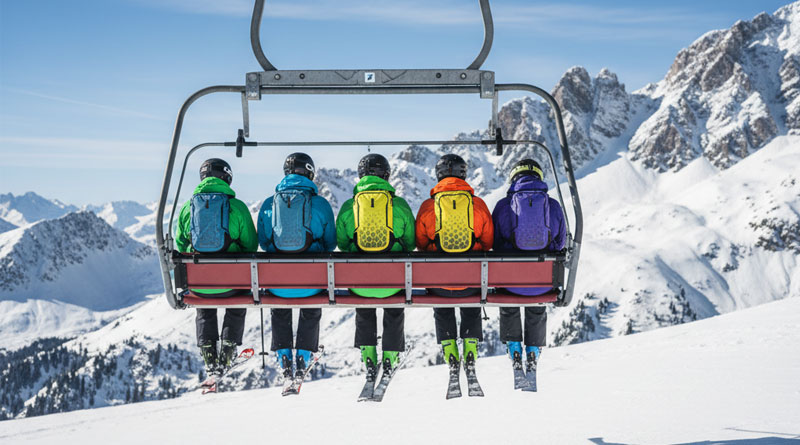
Choosing the right ski backpack can make a big difference on the mountain, especially when you spend time riding chairlifts. A lift-friendly ski backpack is designed to stay comfortable, compact, and secure without getting in the way. These packs are built with low-profile shapes, smart strap systems, and enough storage for your gear without feeling bulky. In this guide, we’ll look at the best lift-friendly ski backpacks that balance comfort, durability, and performance. So you can enjoy smooth, hassle-free days on the slopes.
1. Osprey Glade 12L
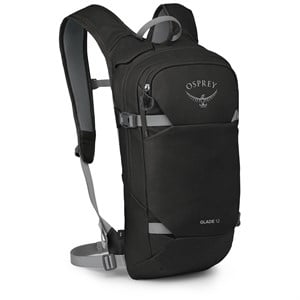
- Material: 420D NanoTough, bluesign® APPROVED recycled 210D nylon
- Volume: 12L
- Ski/Snowboard Carry: Diagonal ski carry, vertical or horizontal snowboard carry
- Hydration: Includes Osprey Hydraulics LS 2.5L reservoir with an insulated harness sleeve
The Osprey Glade 12L is a fantastic choice for those who want a lightweight and low-profile pack for a day on the slopes. Its slim design is perfect for cruising around the resort and riding lifts without getting snagged. The pack’s most notable feature is the included 2.5L hydration reservoir with an insulated harness sleeve, which is designed to keep your water from freezing. The pack also offers flexible carry options for skis or a snowboard. This makes it easy to hike to a favorite powder stash. It’s a great minimalist pack for quick trips, where you only need to carry the essentials like water, snacks, and an extra layer.
Users appreciate the pack’s sleek look and how light it feels, even when full. It has plenty of space for a day trip, and the soft-lined pocket is a nice touch for protecting goggles. However, some users have noted that the hydration hose can still freeze in extremely cold conditions, despite the insulation. The pack’s straps are also a bit long and can get caught on chairlifts. This is a minor but potentially frustrating design flaw. Overall, the Osprey Glade 12L is a well-designed pack that provides great functionality for its size, with only a few minor issues to consider.
2. Dakine Heli Pro 24L

- Volume: 24L
- Dimensions: 23” x 12” x 6” (58 x 30 x 15cm)
- Ski/Snowboard Carry: Diagonal/A-frame ski carry, vertical snowboard carry
- Safety: Rescue whistle on sternum strap, DK Impact Spine Protector compatible (sold separately)
The Dakine Heli Pro 24L is a versatile ski and snowboard pack that strikes a great balance between resort use and backcountry exploration. It’s designed to be low-profile enough for riding chairlifts comfortably, with a minimal number of straps to reduce the risk of snagging. The pack is well-equipped for backcountry adventures, featuring a dedicated front pocket for avalanche tools like a shovel and probe. Backpanel access to the main compartment is a convenient feature. It allows you to get to your gear without having to take everything out.
Users love how the pack hugs their back, making it easy to ride the lift without it feeling bulky. It’s also praised for its thoughtful design, including a fleece-lined goggle pocket and a deployable helmet carry. The pack’s design is focused on minimizing external clutter, which is a significant plus for anyone worried about getting caught on a chairlift. While some packs have an excess of straps, the Dakine Heli Pro keeps it simple and streamlined. This makes it a reliable and secure choice for both resort and off-piste skiing.
3. Dakine Heli Pro 24L – Women’s
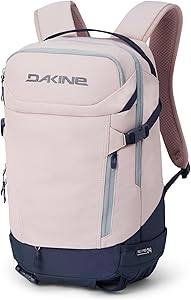
- Material: 100% Recycled Polyester
- Volume: 24L
- Fit: Women’s-specific fit with a 38mm padded hipbelt
- Ski/Snowboard Carry: Diagonal or A-Frame ski carry, vertical or horizontal snowboard carry
The Dakine Heli Pro 24L for women is a stylish and functional pack designed for female skiers and snowboarders. This pack maintains a lightweight and low-profile design, perfect for navigating the slopes. It features a women-specific fit and includes a padded hipbelt for comfort, along with a rescue whistle on the sternum strap for safety. The pack is well-organized, with a fleece-lined goggle pocket and a dedicated snow tools pocket, making it easy to access essential gear when you need it most.
For a day on the mountain, this pack offers plenty of space for layers, snacks, and a hydration bladder. One user, a self-proclaimed “pudgy grandma,” found that even though some of the specialized straps and pockets were a mystery to her, the pack was still incredibly comfortable and fit a surprising amount of stuff. She particularly loved the front snap, which made it easy to wear and felt secure. The pack’s versatile carry options for skis and a snowboard, along with its back-panel access, make it a great choice for both resort and backcountry use.
4. CamelBak SnoBlast

- Volume: 20L (1,220 cu. in.)
- Hydration: 2L CamelBak Crux reservoir included with Therminator™ harness insulation
- Ski Carry: External straps for A-frame ski carry
- Features: Snow-shedding material, expansion panel for extra storage, Lift Access QR Harness
The CamelBak SnoBlast is designed for long days on the slopes, offering a generous 20L of space for gear, along with an included 2L hydration reservoir. The pack is made with water-repellent Snow Shield™ material to keep your belongings dry, and a Therminator™ harness is meant to protect the drinking tube from freezing. A unique feature is the Lift Access QR Harness, which lets you easily swing the pack around on a chairlift for quick access to your belongings. The pack also has an expansion panel to provide more storage if needed.
While the pack’s storage capacity is a big plus, some users have found the insulation to be less effective than advertised, with the water inside freezing on cold days. One user had to resort to wrapping the bladder in a towel as a makeshift solution. The pack’s design also has some usability issues, such as a complicated three-zipper system to access the main compartment, which is difficult to use with gloves. The insulated tube compartment is also prone to unzipping itself, making it hard to keep the tube protected. Additionally, the left strap can twist when you take the pack off one shoulder. This makes it awkward to put back on. These design quirks can make the pack frustrating to use, despite its excellent storage capacity.
5. Dakine Poacher RAS 18L
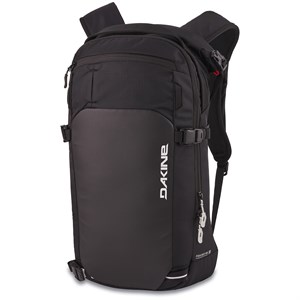
- Material: 100% Recycled High Density Nylon
- Volume: 18L
- Safety: Mammut Removable Airbag System 3.0 compatible, DK Impact Spine Protector compatible (both sold separately)
- Ski/Snowboard Carry: Diagonal and A-Frame ski/splitboard carry, vertical snowboard carry
The Dakine Poacher RAS 18L is a compact and highly functional backpack designed for single-day backcountry adventures or for use on lift-accessed terrain. Despite its smaller size, it’s packed with features, including a dedicated snow tool pocket, side and hipbelt pockets for quick access, and a fleece-lined goggle pocket. The pack’s snug, low-profile fit is great for aggressive skiing and snowboarding. One of its most significant features is its compatibility with the Mammut Removable Airbag System 3.0, providing an extra layer of safety for off-piste excursions.
This backpack is a testament to thoughtful design. It manages to fit a remarkable amount of functionality into a minimalist frame, making it a favorite for those who want to carry essentials without unnecessary bulk. The reverse-pull waist belt and snow-shedding backpanel enhance comfort and ease of use. The ability to carry skis or a snowboard in multiple configurations adds to its versatility. This pack is a solid choice for anyone seeking a reliable, streamlined pack that still offers essential safety and organization features for a day of shredding.
See the Dakine Poacher RAS 18L
How to Choose Lift-Friendly Ski Packs?
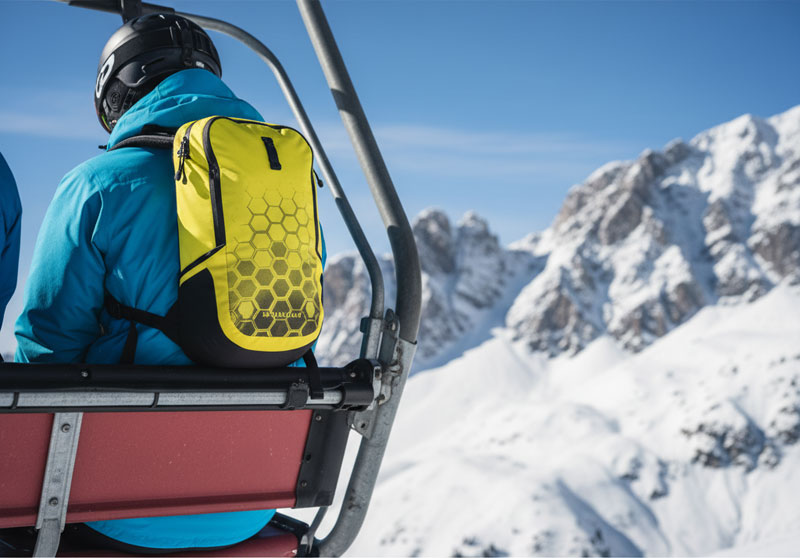
Heading to the slopes for a day of shredding fresh powder is an exhilarating experience, but it requires the right gear. Beyond your skis, boots, and jacket, one piece of equipment often overlooked but critically important is your ski backpack. Not just any backpack will do; for a seamless day on the mountain, you need one specifically designed to be “lift-friendly.”
A poorly chosen backpack can turn a relaxing chairlift ride into an awkward, uncomfortable, and even dangerous ordeal. So, how do you navigate the market and find the perfect pack for your needs? This guide will walk you through the essential features and considerations for choosing a ski backpack that is as comfortable on the chairlift as it is on the slopes.
The Anatomy of a Lift-Friendly Backpack
A great ski backpack is a master of compromise. It needs to be large enough to carry your essentials—water, snacks, extra layers, and safety gear—yet sleek enough to not get snagged on the lift. It should be comfortable to wear while skiing, but also easy to manage while getting on and off the chair. Here are the key features that define a truly lift-friendly design.
Profile and Shape
The most crucial aspect of a lift-friendly pack is its profile. Traditional backpacks often have a bulky, rounded shape that can get caught on the chairlift. Look for packs with a low-profile, teardrop, or trapezoidal shape. These designs sit flush against your back and are less likely to snag on the backrest of the chair. A narrow profile is also beneficial, preventing the pack from bumping into your riding partner. Some packs even have a hinged design that allows the bottom to fold up, making them even more compact on the lift. Avoid packs with excessive external pockets, straps, or dangling components that can catch on the machinery.
Strap and Suspension System
While on the lift, a bulky backpack can be a pain, literally. It can push you forward, making it difficult to lean back and relax. To combat this, many lift-friendly packs have a specific suspension system. Look for a pack with a flexible or minimalist back panel. Some advanced designs feature a stiffened lumbar area and a softer upper section, allowing the pack to conform to your back without pushing you off the seat. Padded shoulder straps are a given for comfort while skiing, but ensure they are easily adjustable.
The sternum strap and hip belt should also be a consideration. While a hip belt is great for distributing weight on the slopes, a bulky one can be uncomfortable on the lift. Many lift-friendly packs feature a simple, stowable hip belt or a minimal webbing strap instead of a full, padded one.
Hydration and Organization
Staying hydrated is key on the mountain, and a well-designed pack makes it easy. Look for a dedicated hydration sleeve and a port for the hose. Critically, the hose should be insulated to prevent water from freezing. The best designs route the hose through one of the shoulder straps, keeping it accessible and protected from the cold.
For organization, internal pockets are better than external ones. They keep the profile sleek and prevent items from falling out. A separate, fleece-lined goggle pocket is a fantastic feature, as is a designated spot for your avalanche safety gear, such as a shovel and probe, if you plan on backcountry or off-piste skiing.
Sizing and Capacity: Finding the Right Balance
A common mistake is choosing a pack that is either too big or too small. A pack that is too large will be bulky and unwieldy, while one that is too small won’t carry your essentials. The key is to assess your typical day on the mountain.
For the Resort Skier
If you’re primarily a resort skier sticking to groomed runs, a small to medium-sized pack (10-20 liters) is likely all you need. This size is perfect for carrying a water bottle or hydration bladder, some snacks, a spare pair of gloves, and a few small personal items. A low-profile, minimalist design in this size range will be incredibly comfortable on the lift and barely noticeable while you’re skiing. Brands like Osprey, Dakine, and Deuter offer excellent options in this category.
For the Side-Country or Backcountry Adventurer
If you plan on venturing off-piste or into the backcountry, your needs change. You’ll require more space for avalanche safety gear (shovel, probe, beacon), an extra layer, and more food and water. A pack in the 20-30 liter range is a good starting point. Look for packs with a dedicated avalanche tool pocket.
These pockets are often bright red or have a specific zipper pull to make them easy to find in an emergency. Additionally, you’ll want a pack with a diagonal or A-frame ski carry system for when you need to hike with your skis on your back. While this feature is not “lift-friendly,” it is essential for the type of skiing you’ll be doing. Look for brands known for their technical packs, such as Mammut, Arc’teryx, and Black Diamond.
Final Tips Before You Buy
Before you make a purchase, consider these final tips. First, try the pack on with your ski jacket. What feels comfortable with a t-shirt might feel tight and restrictive with a bulky jacket on. Check how easy it is to access pockets and zippers while wearing gloves. Many packs feature glove-friendly zipper pulls. Second, read reviews from other skiers.
They can offer valuable insights into how a pack performs in real-world conditions. Third, don’t be swayed by a pack with dozens of features you’ll never use. The best pack for you is the one that meets your specific needs without unnecessary bulk or complexity. By focusing on profile, suspension, and capacity, you can find a ski backpack that enhances your day on the mountain, making every chairlift ride a moment of relaxation and every run a pure joy.