Best Mogul Snowboards of 2026
Navigating mogul fields requires a specialized blend of agility, edge control, and precise torsional flex. Moguls—often referred to as bump fields—demand rapid edge-to-edge transitions, shock absorption, and stable tracking through uneven, tightly packed terrain. While dedicated mogul boards are rare, choosing an all-mountain snowboard with the right flex profile, sidecut, and core construction can transform a jarring ride into a fluid experience. In this guide, we review top-tier options built to absorb chatter, maintain strong edge hold, and weave effortlessly through tough mogul lines.
1. Season Primer
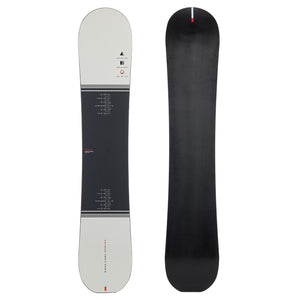
- Terrain: All-Mountain
- Ability Level: Beginner-Intermediate
- Rocker Type: Rocker/Camber/Rocker
- Flex Rating: Soft
The Season Primer is designed as a forgiving, entry-friendly option that excels when navigating un-groomed snow and tight bumps. Its soft flex pattern allows riders to bend the board effortlessly, absorbing unexpected terrain changes without throwing the rider off balance.
Featuring a Rocker/Camber/Rocker profile, it combines central stability with catch-free tip and tail sections. This makes pivoting in narrow mogul troughs much easier, reducing the risk of catching an edge while learning quick directional changes.
Pros:
- Very forgiving flex for quick maneuvers
- Catch-free rocker profile aids fast turns
Cons:
- Lacks high-speed stability
- Less edge hold on hardpack iced moguls
2. Burton Instigator PurePop Camber
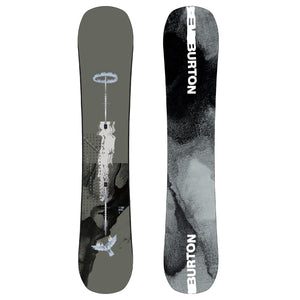
- Terrain: All-Mountain
- Ability Level: Beginner-Intermediate
- Rocker Type: Flat/Camber/Flat
- Flex Rating: Soft
Burton’s Instigator PurePop Camber delivers an ideal balance of snap and playfulness needed for technical line adjustments. The PurePop profile uses subtle flat zones outside the feet, giving riders instant pop while maintaining a catch-free entry into mogul turns.
The lightweight Super Fly 800G core, combined with a 5mm taper, allows the board’s tail to drop smoothly. This feature aids quick steering through narrow bump valleys while the Cruise Control Tune keeps edge engagement predictable.
Pros:
- PurePop camber provides energetic snap
- 5mm taper eases quick tail releases
Cons:
- Soft flex limits dampening at high speeds
- Extruded base requires frequent glide maintenance
3. Arbor Element
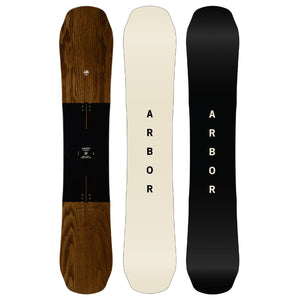
- Terrain: All-Mountain
- Ability Level: Beginner-Intermediate
- Rocker Type: Rocker
- Flex Rating: Medium
The Arbor Element uses a continuous rocker profile that makes pivot turns through moguls remarkably smooth. The center-focused contact point scheme reduces hang-ups, letting the rider pivot the board on a dime inside tight bump pockets.
Built with a wood and bamboo core blend, this board offers excellent natural vibration dampening. The medium flex gives enough stability to absorb impacts while remaining supple enough to conform to irregular snow mounds.
Pros:
- Full rocker design makes pivoting effortless
- Bamboo core offers excellent chatter reduction
Cons:
- Less edge drive on icy mogul walls
- Lacks the spring profile of full camber
4. Salomon Craft
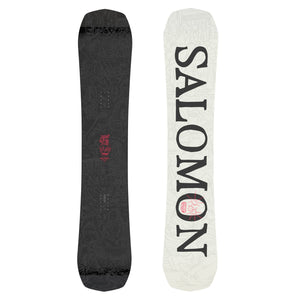
- Terrain: Freestyle, All-Mountain
- Ability Level: Intermediate-Advanced
- Rocker Type: Rocker/Camber/Rocker
- Flex Rating: Medium
The Salomon Craft is a versatile performer that excels in technical terrain thanks to its hybrid Rocker/Camber/Rocker profile. Underfoot camber ensures solid edge hold on firm moguls, while rockered tips allow for effortless maneuvering between bumps.
Featuring cork sidewalls integrated into the wood core, the board absorbs heavy vibrations and chatter from bumpy conditions. This vibration dampening reduces rider fatigue, allowing for precise line choices throughout long resort runs.
Pros:
- Cork inserts absorb chatter exceptionally well
- Versatile hybrid rocker profile balances grip and agility
Cons:
- Requires active rider input in tight spots
- Twin shape is less optimal for pure directional carving
5. Burton Process
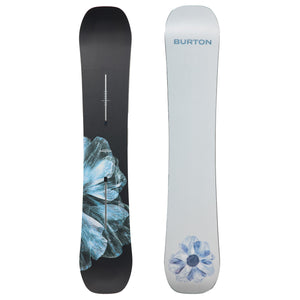
- Terrain: Freestyle, All-Mountain
- Ability Level: Intermediate-Advanced
- Rocker Type: Rocker/Camber/Rocker
- Flex Rating: Soft
The Burton Process is built around a lightweight core profile that significantly lowers swing weight. This lightweight construction allows for quick, reactionary turns when navigating sudden moguls and changing terrain features.
Equipped with Frostbite Edges, the board bites firmly into icy mogul faces. Combined with a soft flex rating and Squeezebox core profiling, energy transfers smoothly from under the bindings out to the tips for controlled maneuvering.
Pros:
- Reduced swing weight for instant directional changes
- Frostbite edges provide extra grip on hard pack
Cons:
- Soft flex can feel chattery at top speeds
- Channel mounting system requires specific hardware
6. CAPiTA Outerspace Living
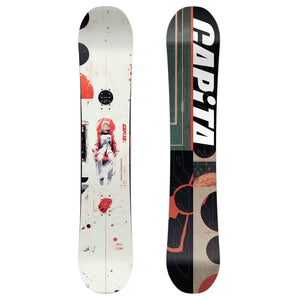
- Terrain: All-Mountain
- Ability Level: Intermediate-Advanced
- Rocker Type: Rocker/Camber/Rocker
- Flex Rating: Medium
The CAPiTA Outerspace Living features the Resort V3 profile, offering a raised camber section underfoot paired with elevated contact points. This setup gives riders exceptional control on hard snow while keeping turn initiation smooth and catch-free in moguls.
Constructed with Carbon Boosters and a Multizone Dual Core, it delivers high energy return without adding stiffness. The 0.5-inch setback directional twin shape provides the right balance of nose float and tail control in variable conditions.
Pros:
- Carbon additives provide responsive snap
- Versatile profile thrives in variable terrain
Cons:
- Medium flex demands consistent leg input
- Sintruded base needs regular conditioning
7. Burton Counterbalance
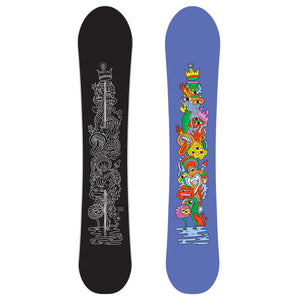
- Terrain: All-Mountain
- Ability Level: Intermediate-Advanced
- Rocker Type: Rocker/Camber
- Flex Rating: Medium
Designed for riders who prefer aggressive directional lines, the Burton Counterbalance features a Directional Camber bend. The rockered nose lifts easily over mogul crests, while the cambered tail offers powerful edge engagement through tight turns.
With an 8mm taper and 45-degree Carbon Highlights, this board delivers rapid torsional response. The tapered tail sits lower in snow, letting you change directions instantly inside narrow mogul tracks without catching the rear edge.
Pros:
- 8mm taper allows quick turn completions
- Carbon highlights enhance edge responsiveness
Cons:
- Directional shape limits switch riding ease
- Requires strong technique in tight spots
8. Arbor Rain
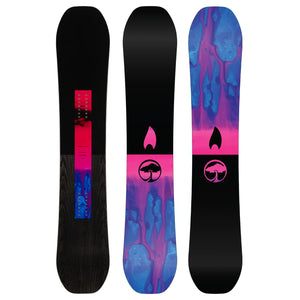
- Terrain: Freestyle, All-Mountain, Freeride
- Ability Level: Intermediate-Advanced
- Rocker Type: Camber
- Flex Rating: Stiff
The Arbor Rain is a powerful board engineered for expert riders who demand ultimate precision in technical terrain. Its full camber profile ensures maximum edge power, locking into firm mogul walls where softer boards might slip.
Featuring a stiff flex and a hybrid Wood/Bamboo core, this deck offers high stability and dampness. It powers through heavy snow mounds and chop, making it ideal for aggressive riders tackling steep bump runs at speed.
Pros:
- Full camber profile gives unmatched edge grip
- Stiff, bamboo-reinforced core drives through heavy chop
Cons:
- Stiff flex is unforgiving on technique errors
- Requires significant rider effort in tight turns
How to Choose the Ideal Snowboard for Moguls
Riding moguls on a snowboard requires a unique combination of quick edge engagement, torsional flexibility, and shock absorption. Unlike open groomers where wide-radius carves dominate, mogul fields present an unpredictable landscape of snow mounds, narrow troughs, and variable snow consistency. Selecting the right board involves understanding how specific design features—such as profile, flex, shape, and dampening materials—interact with uneven terrain.
Understanding Rocker and Camber Profiles
The bend or camber profile of a snowboard dictates how its edges contact the snow and how energy is stored and released. Each profile type offers distinct performance characteristics when navigating bump fields.
Rocker/Camber/Rocker (Hybrid Profile)
Hybrid profiles feature traditional camber between the feet with rockered sections at the tip and tail. This arrangement is widely considered optimal for mogul riding because it combines edge hold with agility. Camber underfoot ensures your edges bite securely into the firm sides of a mogul, while early-rise tips prevent the nose and tail from catching as you transition between troughs.
Full Camber
Full camber boards provide maximum stability, edge hold, and spring. However, they demand precise technique in moguls. The extended contact points can hook unexpectedly on the crest of a bump if your timing is off, making full camber better suited for advanced riders who prioritize edge hold over forgiveness.
Continuous Rocker
Continuous rocker profiles lift the tip and tail off the snow, creating a central pivot point. This makes turning and spinning in tight spaces extremely easy. The trade-off is reduced edge grip on icy mogul faces, as less edge surface engages the snow.
Evaluating Board Flex Patterns
Flex rating determines how easily a snowboard bends under your weight and force. In moguls, flex impacts both turning ease and physical fatigue.
| Flex Level | Mogul Performance | Best Ability Level |
|---|---|---|
| Soft (1 – 3) | Easiest turn initiation, highly forgiving, absorbs bumps well at low speeds. Lacks high-speed stability. | Beginner to Intermediate |
| Medium (4 – 6) | Optimal balance of pop, chatter dampening, and edge stability across variable conditions. | Intermediate to Advanced |
| Stiff (7 – 10) | Maximum edge hold and power through heavy snow. Demands precise control and increases fatigue in tight bumps. | Advanced to Expert |
Snowboard Shape and Taper
The outline of the board affects how quickly it enters and exits turns inside a mogul trough.
Directional Twin
A directional twin shape features a symmetrical nose and tail outline, but may include a subtle setback stance or slight flex offset. This offers a balanced feel, allowing riders to make quick directional corrections while keeping enough tail length to support landing off bump tops.
Tapered Directional
Tapered boards feature a nose that is wider than the tail. This design allows the tail to sink slightly and slide out of turns more naturally, making it easier to maneuver through tight bump lines without catching the rear contact point.
Core Construction and Vibration Dampening
Mogul fields generate constant high-frequency chatter and heavy impacts. Core materials play a major role in mitigating this force before it reaches your legs.
- Wood Cores: Standard wood cores (poplar, paulownia) offer natural snap and consistency.
- Bamboo Additives: Bamboo enhances board liveliness while providing natural shock absorption.
- Cork and Rubber Inserts: Dampening inserts near sidewalls or underfoot absorb chatter, keeping the board stable on firm snow.
- Carbon Reinforcement: Carbon stringers increase torsional response without adding extra weight, allowing for instant edge-to-edge transitions.
Matching Ability Level to Board Characteristics
Selecting a board aligned with your current skill level ensures safer progression and a more enjoyable experience in variable terrain.
Beginner to Intermediate Riders
Look for softer to medium flex boards with a Rocker/Camber/Rocker or Flat-to-Rocker profile. Forgiving edges and lighter swing weights help build confidence when learning to link turns between bumps.
Intermediate to Advanced Riders
Select medium flex boards featuring hybrid camber profiles and advanced core profiling. These features support faster edge transitions, superior edge hold on firm snow, and efficient vibration dampening through chattery terrain.