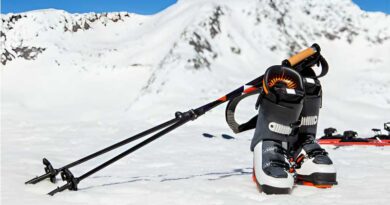

Best Ski Gloves for Cold Hands of 2025
Skiing in cold weather can be fun, but it quickly becomes uncomfortable if your hands get cold. The right gloves can make all the difference, keeping your fingers warm, dry, and ready for action. If you struggle with cold hands, choosing gloves with the right insulation, waterproofing, and fit is key. In this guide, we’ve rounded up the best ski gloves for cold hands, so you can focus on the slopes instead of your freezing fingers. From high-performance options for extreme cold to budget-friendly picks that still deliver warmth, there’s something here for everyone. Stay warm, ski longer, and enjoy every moment on the mountain.
1. Oyuki Sencho GORE-TEX
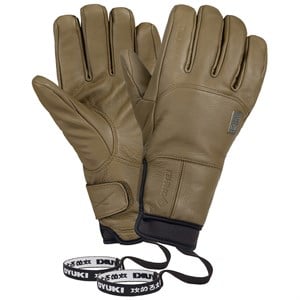
Shell Material: Premium Water-Resistant Goatskin Leather
Membrane: GORE-TEX Waterproof Breathable Insert – “Guaranteed to Keep You Dry™”
Insulation: 200g PrimaLoft® Gold (top) / 133g PrimaLoft® Eco Grip (palm)
Lining: Soft Tricot Lining
The Oyuki Sencho GORE-TEX Gloves are crafted for riders who demand a mix of durability, warmth, and premium feel. Made entirely from water-resistant goatskin leather, these gloves exude quality while offering excellent weather protection. The GORE-TEX insert ensures complete waterproofing and breathability, keeping your hands dry in heavy snow or wet conditions. Inside, PrimaLoft® Gold insulation on the top delivers impressive warmth without adding bulk, while the Eco Grip insulation in the palm offers excellent grip and dexterity, even in freezing temperatures.
Practicality is a core strength here. The adjustable double-layer cuff creates a secure seal against snow, while Grip Control technology ensures reliable handling of ski poles, shovels, or tools. Rounded finger construction enhances comfort and movement, making them ideal for long days on the slopes. The gloves are also equipped with wrist leashes, so you won’t lose them mid-run, and subtle design elements like the Yuki Hanko patch add a stylish, authentic touch. With their robust build and functional features, the Oyuki Sencho GORE-TEX Gloves are built to last multiple seasons without compromising performance.
Pros:
- Exceptional waterproofing and breathability with GORE-TEX membrane
- Warm yet lightweight thanks to PrimaLoft® Gold insulation
- Full leather construction for durability and premium feel
- Secure fit with double-layer cuff and wrist leashes
Cons:
- Leather requires occasional maintenance to preserve water resistance
- Slightly pricier than synthetic-based alternatives
2. Burton GORE-TEX
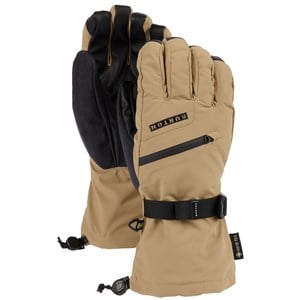
Shell Material: DRYRIDE 2-Layer Waterproof Fabric
Membrane: GORE-TEX Waterproof / Breathable Membrane
Insulation: Thermacore™ Eco Insulation
Lining: Removable Screen Grab® Liner with Brushed Microfiber
The Burton GORE-TEX Gloves are a versatile choice for all-weather riding, blending warmth, weatherproofing, and adaptability. The DRYRIDE 2-Layer fabric is breathable, waterproof, and quick-drying, while the GORE-TEX membrane locks out wind and moisture for reliable comfort. Thermacore™ Eco Insulation keeps your hands warm without restricting movement, and insulation distribution is optimized for warmth where you need it most. The removable liner offers flexibility for milder days or après-ski activities, making these gloves a season-long companion.
Function-packed, these gloves feature Screen Grab Toughgrip™ technology on the palm for full touchscreen control without exposing your hands to the cold. The extended gauntlet design offers extra coverage in deep snow, while the hidden heater/vent pocket adds customizable warmth. Additional touches like the soft nose wipe on the thumb, adjustable wrist cinch, and bluesign® approved materials make them both practical and eco-conscious. With Burton’s ergonomic pre-curved fit, your hands stay nimble and ready for action.
Pros:
- Excellent weatherproofing with GORE-TEX membrane
- Removable liner for year-round versatility
- Full touchscreen compatibility
- Extended cuff coverage for deep snow protection
Cons:
- Bulkier than minimalist glove designs
- Gauntlet style may feel large for some users
3. Hestra Fall Line 5-Finger Gloves
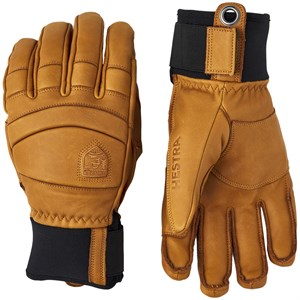
Shell Material: Impregnated Cowhide Leather
Insulation: Foam and G-Loft® Synthetic Fill
Lining: Removable Bemberg/Polyester Liner
Cuff Style: Neoprene Cuff with Velcro Closure
The Hestra Fall Line 5-Finger Gloves combine heritage craftsmanship with modern mountain performance. The impregnated cowhide leather shell offers outstanding durability and weather resistance, developing a rich patina over time. Inside, G-Loft® insulation and foam padding trap warmth efficiently without sacrificing dexterity, making them a reliable choice for both skiing and snowboarding in cold conditions. The removable liner allows for easy drying and adaptability in changing weather.
Comfort is a key highlight, with outseams for better grip and a neoprene cuff that fits snugly under your jacket sleeve. A Velcro closure provides a secure fit, while the included wrist leashes prevent loss during active use. The gloves’ rugged yet refined build ensures they hold up under heavy mountain use, while still offering a timeless style. Designed for riders who value both performance and classic leather aesthetics, the Fall Line gloves deliver season after season.
Pros:
- Premium leather construction for durability
- Removable liner for easy drying and versatility
- Excellent grip and dexterity from outseam design
- Snug under-cuff fit with secure closure
Cons:
- Requires leather care for longevity
- Not as waterproof as synthetic-shelled gloves
See the Hestra Fall Line 5-Finger Gloves
4. ihuan Winter Waterproof Ski Gloves

Shell Material: Waterproof Polyester with Microfiber Leather Palm
Insulation: Thick Fleece Lining
Cuff Style: Adjustable Windproof Cuff
Touchscreen Compatibility: Conductive Fabric on Fingertips
The ihuan Winter Waterproof Ski Gloves are a lightweight, versatile option for cold-weather activities beyond the slopes. The outer shell resists water while the fleece lining provides soft warmth, making them ideal for temperatures between 20°F and 32°F. The adjustable cuff helps block snow and wind, while the microfiber leather palm improves grip and abrasion resistance, ensuring security while driving, hiking, or shoveling snow.
Designed for practicality, these gloves feature touchscreen-compatible fingertips so you can answer calls, take photos, or operate GPS without removing them. Their light weight makes them comfortable for long wear, while the non-bulky profile enhances dexterity. While not intended for extreme mountain conditions, they perform well for everyday winter tasks and recreational snow activities, offering a balance between function and affordability.
Pros:
- Lightweight and comfortable for all-day wear
- Touchscreen capability for convenience
- Adjustable cuff to block wind and snow
- Good grip with microfiber leather palm
Cons:
- Not suited for extreme cold or wet cuffs
- Less insulation than heavy-duty ski gloves
See the ihuan Winter Waterproof Ski Gloves
5. Rivmount Winter Waterproof Snow Gloves

Shell Material: Waterproof Polyester with PU Leather Palm
Insulation: Soft Fleece Lining
Touchscreen Compatibility: Conductive Fabric on All Fingers
Safety Features: Reflective Patterns for Night Visibility
The Rivmount Winter Waterproof Snow Gloves combine style, warmth, and tech-friendly design. The waterproof fabric and fleece lining ensure hands stay warm and dry during winter sports or daily commutes. The adjustable cuff seals out cold air and snow, while the PU leather palm with anti-slip texture provides excellent grip for driving, skiing, or carrying gear.
All fingers are touchscreen compatible, allowing you to operate your phone or devices without removing the gloves. Reflective detailing adds safety for evening activities, and the included buckle keeps the gloves paired for easy storage. With a lightweight yet warm build, they’re ideal for a range of winter activities from sledding to commuting, offering practicality in both urban and mountain settings.
Pros:
- Waterproof and windproof outer shell
- Full-hand touchscreen functionality
- Enhanced grip from PU leather palm
- Reflective safety elements for night use
Cons:
- Not heavily insulated for sub-zero temps
- Cuffs are less protective than gauntlet designs
See the rivmount Winter Waterproof Snow Warm Gloves
6. SIMARI Winter Gloves

Material: 95% Polyester / 5% Spandex
Lining: Warm Flannel with Elastic Cuff
Grip: Silicone Particles on Palm and Fingers
Touchscreen Compatibility: All Fingers
The SIMARI Winter Gloves are a flexible, lightweight solution for cold-weather sports and outdoor activities. The polyester-spandex blend offers a snug fit, while the flannel lining adds warmth without restricting movement. The elastic cuff provides a secure seal to help retain heat, making them comfortable for cycling, running, and driving in cool to moderately cold conditions.
Silicone grip patterns across the palm and fingers improve handling of tools, phones, and sports equipment. Touchscreen compatibility across all fingers means you can operate devices with ease, and reflective detailing improves nighttime safety. While they’re not meant for heavy snow or extreme cold, they excel in active use thanks to their dexterity, grip, and comfort.
Pros:
- Touchscreen-ready on all fingers
- Lightweight and flexible for active sports
- Strong grip with silicone particles
- Reflective safety design
Cons:
- Limited insulation for harsh winter temps
- Not fully waterproof for wet snow use
7. Carhartt A511 Gloves

Shell Material: Durable Polytex with Softshell Trim
Palm: Reinforced PU for Grip and Longevity
Insulation: Ultrasoft Synthetic Fill
Membrane: Waterproof Insert
The Carhartt A511 Gloves are built for durability and everyday winter use. The polytex shell with softshell trim resists wear, while the reinforced PU palm adds grip and protection during work or outdoor activities. A waterproof insert keeps hands dry in snow and slush, and the ultrasoft insulation provides steady warmth without excessive bulk.
Inside, a performance wicking lining pulls moisture away from the skin to maintain comfort during active use. Features like the integrated nose wipe add small but useful touches for cold-weather practicality. These gloves are a dependable choice for those needing a balance between work-ready toughness and winter warmth, whether on the job or enjoying weekend outdoor activities.
Pros:
- Rugged build for work and outdoor use
- Waterproof insert keeps hands dry
- Comfortable, warm insulation
- Moisture-wicking lining for active comfort
Cons:
- Less dexterous than sport-specific gloves
- Bulkier feel compared to lightweight options
How to Choose Ski Gloves for Cold Hands?
For skiers with cold hands, choosing the right gloves is more than just about comfort — it’s about performance, safety, and enjoying your time on the slopes without distraction. Cold fingers can quickly ruin a great day in the mountains, and in severe cases, they can even lead to frostbite. The good news? The right gloves can make a big difference. In this guide, we’ll cover the key factors you need to consider to keep your hands warm, dry, and functional, even in harsh winter conditions.
1. Understand Why Your Hands Get Cold
Before choosing ski gloves, it’s worth understanding why your hands get cold in the first place. Low temperatures, high wind, and moisture are the obvious culprits, but circulation also plays a big role. If your gloves are too tight, they can restrict blood flow and make your hands feel colder. Similarly, gloves that allow snow or water to seep in will quickly lose warmth. Your personal physiology also matters — some people just naturally have colder hands and need more insulation than others.
2. Prioritize Warmth and Insulation
For cold hands, insulation should be your top priority. Ski gloves typically use either synthetic insulation or down insulation:
-
Synthetic insulation (like PrimaLoft® or Thinsulate™) stays warm even when wet, dries quickly, and offers a good warmth-to-weight ratio. It’s the most common choice for ski gloves.
-
Down insulation is incredibly warm and lightweight but loses insulating power when wet, so it’s best used in very cold, dry conditions.
If you often ski in temperatures below freezing, look for gloves with high insulation weight (e.g., 150–200g on the back of the hand) while still allowing for dexterity in the fingers.
3. Choose Between Gloves and Mittens
For the coldest hands, mittens are often warmer than gloves. That’s because your fingers share warmth in a single compartment, reducing heat loss. However, mittens sacrifice some dexterity, which can make tasks like adjusting bindings or using a phone more challenging.
A good middle ground is a lobster mitt — a hybrid design that groups fingers together for warmth but keeps the index finger separate for better control. If you prefer gloves for handling poles and gear, consider glove-liner combos for added warmth without too much bulk.
4. Focus on Waterproofing and Breathability
Keeping your hands dry is just as important as insulation. Wet hands lose heat rapidly, so your gloves need a waterproof membrane. Common options include:
-
GORE-TEX® – Highly waterproof, windproof, and breathable. Premium choice for wet and snowy climates.
-
Polyurethane (PU) membranes – Often used in budget gloves; good for moderate moisture but may be less breathable.
-
Proprietary membranes – Many brands have their own waterproof technologies (e.g., Burton DRYRIDE™, Hestra CZone™) with varying performance.
Breathability matters too. When your hands sweat inside the gloves, that moisture can chill you when you stop moving. A good membrane should let vapor escape while blocking snow and rain.
5. Fit and Dexterity Matter
Warmth isn’t just about insulation — fit plays a big role. Gloves that are too tight restrict circulation, making your fingers cold faster. Too loose, and you’ll lose heat to air gaps. A good ski glove should fit snugly around the palm and fingers while allowing you to move your hand comfortably.
Also think about dexterity. Thicker gloves can be warm, but if they make it impossible to grip poles or adjust zippers, they’ll be frustrating to use. Try them on with your ski poles to ensure you can still hold them naturally.
6. Look for Cuff Styles That Seal Out Snow
The cuff style affects both warmth and convenience:
-
Gauntlet cuffs extend over your jacket sleeve and cinch shut to block snow. They’re ideal for deep powder and storm days.
-
Under-cuff styles fit inside your jacket sleeve for a lower-profile look and better range of motion. Best for milder days or less snow.
For cold hands, gauntlet-style gloves generally provide better protection against snow entering your gloves, especially in falls or during powder runs.
7. Extra Features for Cold Hands
Some features are especially helpful if your hands tend to get cold:
-
Removable liners – Let you add or replace insulation and dry gloves faster overnight.
-
Heater pockets – Small zippered compartments for inserting disposable hand warmers.
-
Wrist leashes – Prevent you from dropping gloves on the lift.
-
Touchscreen compatibility – Useful if you don’t want to remove gloves to use your phone.
-
Leather construction – Adds durability and natural water resistance when treated, though it requires maintenance.
8. Consider Heated Gloves
If you’ve tried everything and still suffer from cold hands, heated gloves can be a game changer. These gloves use battery-powered heating elements to keep your fingers warm for hours. Modern heated gloves have adjustable settings, rechargeable batteries, and are designed to be waterproof and durable.
While they’re more expensive and slightly heavier than traditional gloves, for skiers with chronically cold hands, they can make the difference between cutting the day short and skiing from first chair to last.
9. Layering Can Boost Warmth
Layering isn’t just for your body — it works for your hands too. A thin liner glove worn inside your main gloves can add noticeable warmth. Liners made from merino wool or synthetic blends wick moisture and add insulation without too much bulk.
If you choose to layer, make sure your outer gloves are sized to accommodate liners without becoming too tight.
10. Match Gloves to Your Skiing Conditions
Not all ski days are the same, and neither are ski gloves. For very cold climates like the Rockies or interior Canada, choose heavily insulated, waterproof gloves or mittens. In milder or wetter areas like the Pacific Northwest, prioritize waterproofing and breathability, possibly with removable liners for flexibility.
It’s worth owning more than one pair — for example, a heavily insulated mitten for cold, stormy days and a lighter, breathable glove for spring skiing.
11. Don’t Forget Maintenance
Even the best gloves won’t keep you warm if they’re wet, dirty, or losing their waterproof coating. Leather gloves should be treated with a waterproofing balm periodically. Fabric gloves can benefit from a DWR (Durable Water Repellent) spray to restore water resistance. Always dry gloves thoroughly after use — but avoid placing them directly on high heat sources, which can damage the materials.
12. Try Before You Buy
If possible, try on different styles in-store before committing. Wear them for a few minutes, make a fist, grip ski poles, and see if any pressure points develop. A glove that feels fine at first might start restricting circulation after a few runs.
If you’re buying online, check size charts carefully and read reviews from people with similar hand measurements and cold sensitivity.
Final Thoughts
For skiers with cold hands, the right gloves can be the difference between enjoying the mountain and cutting the day short. Focus on insulation, waterproofing, fit, and the right features for your needs. Don’t be afraid to invest in quality — a well-made glove can last multiple seasons, keeping your hands warm, dry, and ready for whatever winter throws at you.
And remember, while gloves are essential, overall warmth starts with your whole body. If your core and head are cold, your hands will be too. Dress in layers, stay dry, and pair your gloves with good circulation-boosting habits. With the right preparation, cold hands don’t have to stop you from having your best days on the slopes.