Best Ski Gloves With Wrist Guards of 2026
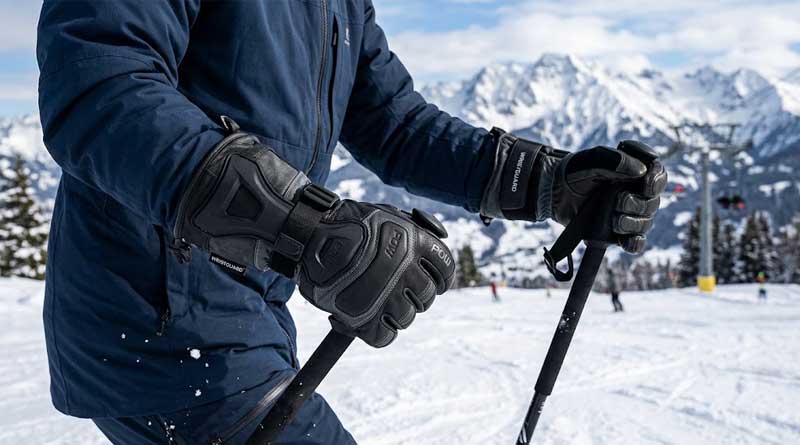
When hitting the slopes, protecting your wrists is as critical as keeping your hands warm. Ski gloves with integrated wrist guards offer the perfect blend of safety and comfort, reducing the risk of fractures during falls. Whether you are a beginner learning to carve or an expert tackling steep terrain, the right pair provides impact resistance, waterproofing, and dexterity. This article reviews top-rated models, breaking down their features, pros, and cons, so you can make an informed choice before your next winter adventure.
1. devembr Ski Mittens Undercuff

Wrist & Palm Protection: Detachable wrist guards + leather palm reinforcement.
Insulation: Thermal lining for extreme cold.
Touchscreen & Pocket: Smartphone-compatible thumb + zipper pocket for pass/keys.
Waterproof/Windproof: Undercuff design + waterproof insert + anti-slip rubber grip.
These mittens are a fantastic option for skiers who prioritize warmth and wrist safety. The detachable splints provide solid support, while the premium leather palm adds durability and abrasion resistance. The undercuff fit seamlessly seals out snow, and the thermal lining keeps fingers toasty even in sub-zero conditions. Touchscreen compatibility is responsive, and the back-of-hand pocket is surprisingly handy for lift tickets or cash.
On the downside, the mittens feel slightly bulky, which may reduce fine motor control for some users. The zipper pocket is small and may not fit larger smartphones. However, for recreational skiers and snowboarders, the balance of protection, warmth, and convenience is excellent. They are a reliable, well-constructed choice for winter sports enthusiasts.
Pros: Superior warmth; detachable wrist guards; good touchscreen response; durable leather palm.
Cons: Bulkier fit; small zipper pocket; limited color options.
2. MORXPLOR Low Profile Wrist Guard

Double-Side Protection: Detachable guards for wrist & back of hand.
Insulation: 160g 3M Th-insulate for lightweight warmth.
Touchscreen & Pocket: Sensitive index/thumb + zipper pocket + anti-lost button.
Waterproof/Breathable: 5-layer soft-shell + TPU membrane.
MORXPLOR gloves stand out with their low-profile design and dual-sided wrist protection, covering both the palm and back of the hand. The 160g 3M insulation provides excellent warmth without excessive bulk, making them ideal for active skiers who need mobility. The touchscreen works well, and the anti-lost button is a thoughtful touch to keep pairs together. The five-layer construction effectively repels moisture while allowing sweat to escape, keeping hands dry all day.
Some users may find the wrist guards slightly rigid, though they do soften with use. The sizing runs a bit small, so consider ordering up. Additionally, the zipper pocket is snug for larger items. Overall, these gloves offer great value for those seeking a balance between protection, dexterity, and warmth, especially for snowboarding and backcountry touring.
Pros: Low-profile guards; 3M insulation; good breathability; anti-lost feature.
Cons: Stiff guards initially; small sizing; pocket too tight for large phones.
3. OutdoorMaster Thermal Mitten

Insulation: 140g cotton + adjustable wrist strap.
Waterproof/Windproof: TPU membrane + water-repellent shell.
Touchscreen & Nose Wipe: Leather thumb + soft nose-wipe panel.
Pockets & Anti-lost: Double zipper pockets + anti-lost buckles + wrist straps.
OutdoorMaster delivers a versatile mitten that excels in cold, wet conditions. The 140g insulation paired with a TPU waterproof membrane creates a reliable thermal barrier, while the adjustable cuffs and drawstring ensure a snug, snow-proof seal. The thumb touchscreen works accurately, and the clever nose-wipe panel is a small but appreciated detail for frosty days. Double zipper pockets offer ample storage for cards, keys, or hand warmers.
The mittens are quite thick, which can make gripping poles or zippers less precise. The PU leather palm, while durable, may feel slick on some surfaces. Nonetheless, for resort skiing or casual snowboarding, these mittens provide outstanding warmth, protection, and convenience at a competitive price point. They are a solid all-around choice.
Pros: Excellent warmth; dual waterproof layers; nose-wipe panel; generous storage.
Cons: Bulky; less grip; touchscreen only on thumb.
4. Dakine Wristguard Gloves

Sizes: XS to XXL, gauntlet length.
Insulation: Hi Loft synthetic (110/230g) + 300g fleece lining.
Waterproof: DK Dry insert + DWR-treated shell.
Wrist Support: Removable rigid nylon plates (backhand & palm) + Rubbertec palm.
Dakine brings its trusted reputation to these wristguard gloves, offering a full range of sizes for a precise fit. The Hi Loft insulation and fleece lining deliver serious warmth for long mountain days, while the DK Dry insert keeps moisture out effectively. The integrated rigid nylon plates provide excellent impact protection without sacrificing natural wrist movement. The one-hand cinch gauntlet closure and adjustable strap ensure a secure, customized fit.
These gloves are on the pricier side, and the XX-Large size may still feel snug for some. The nylon plates can feel stiff initially, though they break in over time. The Rubbertec palm enhances grip but may wear faster on rough surfaces. Overall, Dakine offers premium protection and durability, making them ideal for aggressive skiers and riders who demand high performance.
Pros: Great fit range; excellent warmth; rigid support plates; durable construction.
Cons: Expensive; stiff plates; palm wear over time.
5. MCTi Pro Wrist Support Gloves

Patented Wrist Guard: Nylon shell + PU foam, contours to wrist.
Abrasion Resistance: EN388 Level 3 (3000 Martindale cycles).
Insulation: Thinsulate 3M C40 + 120gsm polyester, resists -30°C.
Waterproof: Multi-layer membrane, hydrostatic pressure ≥10,000mm.
MCTi Pro gloves are engineered for extreme conditions, featuring a patented wrist guard that contours anatomically for superior dynamic protection compared to flat plates. The high-density abrasion layer survives 3,000 Martindale cycles, ensuring long-lasting durability. With Thinsulate 3M C40 and 120gsm polyester, they handle -30°C effortlessly, while the slim palm design maintains dexterity. The waterproof membrane exceeds industry standards, keeping hands dry in wet snow.
These gloves are quite stiff out of the box and require a break-in period. The touchscreen function works, but the screen responsiveness is average. The cuffs are snug, making them difficult to layer over bulky jackets. However, for backcountry skiers or those in extreme cold, the protection and warmth are unmatched. They are a serious investment for safety and performance.
Pros: Anatomical wrist support; extreme cold rating; high abrasion resistance; excellent waterproofing.
Cons: Stiff; average touchscreen; tight cuffs.
6. devembr Snowboarding Gloves

Wrist & Palm Protection: Detachable guards + PU leather palm.
Warmth: Thermal lining for cold weather.
Touchscreen & Pocket: Full touchscreen compatibility + zipper pocket.
Dexterity/Waterproof: Anti-slip rubber + waterproof insert + adjustable cuffs.
These devembr gloves offer a more dexterous alternative to the mitten version, with the same detachable wrist guards and thermal lining. The PU leather palm provides good abrasion resistance, while the anti-slip rubber between thumb and index enhances grip for poles and zippers. The touchscreen works across all fingers, making it easy to use devices without removing gloves. Adjustable drawstrings and wrist straps seal out wind and snow effectively.
The insulation is adequate but not as thick as some competitors, so they may not suit extreme cold. The zipper pocket is small, and the PU leather may show wear after heavy use. Nonetheless, for moderate conditions and skiers who value finger mobility, these gloves strike a nice balance between protection, warmth, and functionality.
Pros: Good dexterity; full touchscreen; adjustable fit; reliable wrist guards.
Cons: Moderate warmth; small pocket; PU leather durability.
How to Choose the Best Ski Gloves with Wrist Guards
Selecting the ideal ski gloves with wrist guards involves more than just picking a color or brand. The right pair should offer a harmonious blend of protection, warmth, dexterity, and durability, tailored to your specific skiing style and the conditions you typically encounter. This comprehensive guide will walk you through every critical factor, ensuring you invest in gloves that enhance both your performance and safety on the mountain.
1. Understand Wrist Guard Types
Wrist guards are the core feature of these gloves, and they come in different designs. The most common are detachable splints made of rigid plastic or nylon, which can be removed for washing or when not needed. Some gloves feature contoured foam inserts that mold to your wrist bones, offering a more anatomical fit and better impact absorption. Others incorporate dual-sided plates that protect both the palm and the back of the hand, providing comprehensive support during falls. Consider whether you prefer a low-profile guard that fits discreetly or a more robust system that offers maximum protection, as this will affect the glove’s overall bulk and feel.
2. Evaluate Insulation and Warmth
Warmth is paramount, and it is determined by the type and weight of insulation. Down insulation is lightweight and compressible but loses its thermal properties when wet. Synthetic insulations like Thinsulate, 3M, or PrimaLoft are more common in ski gloves because they retain warmth even when damp, dry quickly, and are less expensive. Look for insulation weights measured in grams (e.g., 140g, 160g, 230g). Higher gram ratings mean more warmth but also more bulk. For extremely cold climates (below -20°C), opt for gloves with at least 200g of insulation. For mild to moderate conditions, 100-150g provides a good balance of warmth and dexterity.
3. Check Waterproofing and Breathability
Waterproofing is essential to keep your hands dry from snow melt and sweat. Most gloves feature a waterproof membrane such as Gore-Tex, TPU, or proprietary inserts like Dakine’s DK Dry. Look for a hydrostatic head rating of at least 10,000mm for reliable protection. Breathability is equally important; a membrane that allows moisture vapor to escape prevents your hands from becoming clammy. Gloves with a DWR (durable water repellent) coating on the outer shell add an extra layer of protection against light precipitation. Ensure the glove’s shell is made of water-resistant materials like nylon, polyester, or leather.
4. Assess Dexterity and Grip
You need to be able to grasp ski poles, adjust bindings, zip pockets, and use your phone. Dexterity is influenced by the glove’s cut (pre-curved fingers allow better natural movement), the thickness of the insulation, and the flexibility of the materials. Grip is enhanced by silicone prints, rubberized patches, or textured leather on the palm and fingers. Look for anti-slip materials between the thumb and index finger, as this area is critical for gripping. Mittens offer less dexterity than gloves but provide more warmth, while gloves with articulated fingers offer superior control.
5. Touchscreen Compatibility
Almost all modern ski gloves include touchscreen-compatible fingertips, usually on the thumb and index finger. The technology uses conductive materials that allow the touchscreen to register your finger’s touch. Test the sensitivity if possible; some gloves have limited responsiveness, requiring firm presses. Full-finger touchscreen capability is preferable for easy use without removing gloves. Note that touchscreen functionality can degrade over time with wear and washing.
6. Fit and Sizing
A proper fit is crucial for both warmth and safety. Gloves that are too tight restrict circulation and reduce dexterity, while oversized gloves allow cold air in and make gripping difficult. Measure your hand circumference around the widest part of your palm (excluding the thumb) and compare with the brand’s size chart. Many gloves offer adjustable wrist straps, drawstring cuffs, and gauntlet closures to customize the fit and seal out snow. Try to wear the gloves with the same base layer gloves you plan to use for the most accurate fit.
7. Durability and Materials
The outer shell material determines how well the gloves withstand abrasion from poles, ice, and falls. Leather (goat, cow, or synthetic PU) is durable and provides good grip but requires maintenance. Nylon or polyester shells are lighter, dry faster, and are often more affordable. Reinforced palms with extra layers or silicone prints extend the glove’s lifespan. Check for double stitching and high-quality zippers on pockets. Abrasion resistance ratings, like EN388, indicate how well the glove resists wear.
8. Storage Pockets and Convenience Features
Zippered pockets on the back of the hand or wrist are convenient for storing lift passes, keys, credit cards, or small hand warmers. Some gloves feature multiple pockets or a dedicated pass pocket on the gauntlet. Anti-lost buttons or clips help keep pairs together when not in use. Wrist leashes prevent you from dropping a glove while taking it off on the lift. Consider how many small items you typically carry and whether the pocket placement is accessible without removing the glove.
9. Price and Value
Prices for ski gloves with wrist guards range from budget-friendly (under $50) to premium (over $150). More expensive gloves generally offer advanced insulation, better waterproofing, more durable materials, and superior wrist protection systems. However, mid-range options (around $60-$100) often provide excellent value for recreational skiers. Consider how often you ski and in what conditions. If you ski frequently or in extreme cold, investing in a higher-end pair is worthwhile. For occasional resort skiing, a mid-tier glove will serve you well.
10. Maintenance and Care
To prolong the life of your gloves, always follow the manufacturer’s care instructions. Many gloves are machine washable but require air drying. Avoid using fabric softeners, as they can damage waterproof membranes. Reapply DWR treatments periodically to maintain water repellency. Store gloves in a cool, dry place, and never leave them on a heater, as extreme heat can degrade materials.
Comparison Table: Key Features at a Glance
| Product | Guard Type | Insulation (g) | Waterproof Rating | Touchscreen | Pockets |
|---|---|---|---|---|---|
| devembr Mittens | Detachable | Thermal lining | Insert | Thumb | 1 zipper |
| MORXPLOR | Detachable (dual) | 160g 3M | TPU membrane | Index/thumb | 1 zipper |
| OutdoorMaster | Adjustable strap | 140g cotton | TPU + DWR | Thumb | 2 zippers |
| Dakine | Rigid nylon plates | 110/230g | DK Dry + DWR | No | None |
| MCTi Pro | Anatomical foam | Thinsulate + 120g | ≥10,000mm | Yes | 1 zipper |
| devembr Gloves | Detachable | Thermal lining | Insert | Full | 1 zipper |
Key Considerations Checklist
- Protection: Do the guards cover both palm and backhand? Are they removable?
- Climate: Will you ski in wet, cold, or moderate conditions?
- Activity level: Are you a recreational skier or aggressive backcountry rider?
- Fit: Does the glove allow natural finger movement without excess bulk?
- Durability: Is the palm reinforced for abrasion resistance?
- Convenience: Do you need touchscreen, pockets, or anti-lost features?
By carefully evaluating each of these factors, you can confidently choose a pair of ski gloves with wrist guards that will keep you safe, warm, and comfortable on every run. Remember, the best glove is the one that fits your unique needs and the specific demands of your winter sports adventures.