Best Ski Helmets with Speakers of 2026
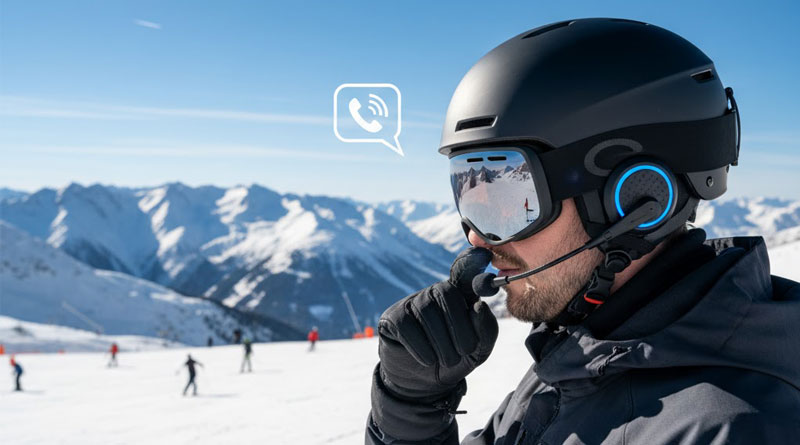
Skiing is more fun when you can enjoy your favorite music or take calls without removing your gloves. That’s where ski helmets with built-in speakers come in. These helmets combine safety, comfort, and great sound, keeping you protected while adding entertainment to your ride. Whether you love carving down slopes with upbeat tunes or staying connected with friends, the right helmet can make a big difference. In this guide, we’ll explore the best ski helmets with speakers for comfort, sound quality, and style.
1. Sena Latitude

- Intercom: Connect up to four helmets
- Talk time: Up to 8 hours, 3-hour recharge
- Range: Working distance up to 1 km (0.6 miles)
- Features: Pair to phone for music, GPS and calls
The Sena Latitude blends the clarity of a Bluetooth headset with helmet-ready protection. On the slopes the one-to-one HD intercom feels impressively clear — voices come through with good presence and minimal wind fuzz when paired properly. Battery life is competitive: an eight-hour talk time comfortably covers a long day of runs, and the three-hour recharge means you can top up between sessions. The intercom range (about one kilometre in open terrain) is perfectly usable for keeping in touch with a small group while spreading out on wide runs or meeting points.
Physical comfort and ventilation are strong suits. The active ventilation system with 18 vents regulates airflow well so you stay comfortable on warmer days or during climbs. Pairing with a smartphone is straightforward: music, turn-by-turn nav and calls route cleanly to the helmet speakers. If you want a no-frills, reliable audio helmet system focused on clear intercoms and practical battery life, the Sena Latitude is a practical choice for skiers who value group communication and simple smartphone integration.
- Pros: Clear HD intercom, solid battery life, good ventilation, easy phone pairing
- Cons: Range limited in tree-covered terrain; not the lightest option
2. LIVALL RS1
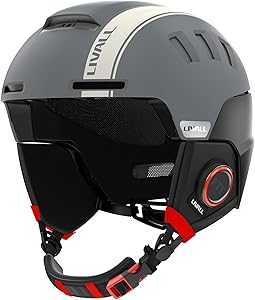
- Fit & sizes: M 54–58cm, L 57–61cm; adjustable dial
- Weight: M 700g / L 750g
- Safety: Patented fall detection + SOS via app
- Connectivity: Bluetooth speakers, PTT walkie-talkie
The LIVALL RS1 puts a safety-first spin on Bluetooth ski helmets. It’s noticeably light for a tech-packed helmet and the dial-fit system lets you get a snug, stable fit without fiddling. The standout feature is fall detection with SOS alerting through the LIVALL app — that real-time emergency notification can be reassuring when skiing alone or in remote areas. Audio performance is pleasant for slope use: the integrated speakers and windproof microphone support clear two-way chats, PTT-style group communication, and music playback without overly isolating you from ambient slope sounds.
App integration extends the helmet’s usefulness beyond audio: you can log mileage, speed, altitude and runs which riders who track performance will appreciate. Call handling and single-click answers are handy when you need hands-free control with gloves on. The RS1 won’t beat high-end audio helmets for pure sound fidelity, but its safety features, lightweight construction, and intuitive connectivity make it a compelling choice for recreational skiers who want tech that prioritizes wellbeing and simple group communication.
- Pros: Fall detection + SOS, lightweight, app features, easy communications
- Cons: Speaker fidelity modest; app required for full features
3. OutdoorMaster Kelvin II

- Set: Helmet + OutdoorMaster Bluetooth headset included
- Protection: ABS shell with EPS foam
- Playback: Up to 15 hours playtime, IP45 rated
- Controls: Three glove-friendly buttons + built-in mic
Kelvin II is a practical, value-packed combo for the audio-minded skier. The included OutdoorMaster headset fits neatly into the helmet’s ear pockets and delivers long battery life — about fifteen hours of playback — so you won’t worry about running out of music mid-day. Controls are designed for cold hands: three large, glove-friendly buttons handle volume, tracks and calls reliably. The IP45 rating and cold-resistant materials mean the headset keeps working in typical winter conditions without flaky connections or rapid battery drain.
On the protection side the ABS shell and EPS foam are standard and sensible — not lightweight race-spec, but robust and confidence inspiring for general resort use. Venting across 14 vents helps regulate temperature while removable liners and ear muffs make the fit customizable. If you want a straightforward, durable helmet plus a headphone set built for skiing and snowboarding with long playback times, the Kelvin II package is a smart, budget-friendly option that delivers dependable audio performance and comfortable fit.
- Pros: Long battery life, glove-friendly controls, durable build, good ventilation
- Cons: Not the lightest shell; audio not audiophile-grade
See the OutdoorMaster Kelvin II
4. Odoland Ski Helmet (Audio Compatible)
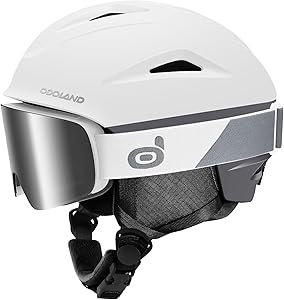
- Set: Helmet + goggles included
- Vents: 10 air vent holes, Flow-Tech goggle vents
- Fit: Detachable lining, removable earmuffs, adjustable band
- Safety: Shockproof, penetration resistant build
The Odoland helmet and goggles combo is aimed at budget-conscious riders who want a complete pack-and-go solution. The helmet is audio compatible (fits aftermarket Bluetooth modules) so you can add speakers later without buying a bespoke audio model. Fit adjustments are generous: a removable plush liner, soft chin band, and adjustable straps make it simple to dial in comfort for long days on the hill. The goggles’ Flow-Tech vents reduce fogging nicely and pair well with the helmet’s ten vents to keep vision clear.
Construction meets basic safety certifications and feels solid for recreational use. The removable components and included carry bag add practical convenience for travel and storage. If you already own or plan to buy a Bluetooth headset, Odoland provides a roomy, comfortable platform that won’t break the bank. It’s not a high-end audio helmet out of the box, but as an adaptable, affordable set that covers protection, anti-fog goggles, and comfort, it’s a solid pick for casual skiers and snowboarders.
- Pros: Complete helmet + goggle set, adjustable fit, good ventilation, affordable
- Cons: No built-in speakers; requires separate audio module
5. TurboSke Ski Helmet (Audio Compatible)

- Standards: ASTM standard certified
- Size: S (51–55cm / 20–21.75″) with dial-fit
- Features: Removable liners & ear pads, goggle ventilation channel
- Specials: Lightweight, adjustable strap and good ventilation
TurboSke’s audio compatible helmet is focused on practical comfort and everyday durability. The dial-fit system makes getting a repeatable, snug fit effortless; the fleece-lined liners and ear pads are removable and washable, which is a convenience many riders appreciate after a long season. Ventilation channels keep airflow moving and the goggle ventilation channel helps prevent fog during active days and quick temperature swings. Its ASTM certification signals it meets reasonable safety benchmarks for recreational skiing and snowboarding.
Because it’s audio compatible rather than having built-in electronics, you can choose the Bluetooth module that fits your budget and audio tastes. That flexibility is useful if you want to upgrade speakers later or swap headsets between helmets. The TurboSke is a solid, no-nonsense helmet that balances protection, comfort and style — especially suitable for teens and adults who want a reliable, budget-friendly shell ready for aftermarket audio accessories.
- Pros: Washable liners, good ventilation, certified protection, adaptable for audio
- Cons: No built-in speakers; aftermarket module needed for audio
How to Choose Ski Helmets with Speakers
Skiing has evolved beyond just gliding down snowy slopes—it’s now an experience enhanced by technology. Among the latest innovations, ski helmets with built-in speakers have become a must-have for riders who love staying connected, listening to music, or chatting with friends on the mountain. But not all helmets with speakers are made equal. Choosing the right one involves understanding the balance between safety, comfort, and audio performance. Here’s a detailed guide on how to pick the perfect ski helmet with speakers for your next snow adventure.
Understanding the Basics
A ski helmet with speakers integrates Bluetooth technology or wired audio systems into the ear pads, allowing you to listen to music, take phone calls, or communicate with fellow skiers without removing your gloves or pulling out your phone. These helmets are designed to combine head protection and convenience, keeping you safe while you enjoy entertainment or maintain group coordination on the slopes.
Why Choose a Helmet with Built-in Speakers?
The main advantage of having speakers in your helmet is the seamless experience it provides. You don’t have to deal with separate earbuds that can fall out or become uncomfortable under your helmet. Many models also feature built-in microphones for hands-free calls or group intercoms, which are especially useful in areas with no mobile signal. This hands-free communication ensures safety and focus on the ride.
Key Factors to Consider
1. Safety Standards
Before thinking about music or Bluetooth features, safety should be your top priority. Always ensure the helmet meets international safety certifications such as ASTM F2040, CE EN1077, or Snell RS-98. These standards verify that the helmet can absorb impacts and protect your head during a fall. Even with audio systems included, the helmet must not compromise on safety materials like ABS shells and EPS foam liners.
2. Audio Quality and Connectivity
Sound quality can make or break your experience. Helmets with speakers vary from basic wired audio systems to high-quality Bluetooth setups. Look for helmets offering Bluetooth 5.0 or later for stable connections and low latency. Some advanced models even allow group intercom functionality, enabling direct helmet-to-helmet communication without a phone. For example, Sena Latitude helmets can connect up to four riders in real-time.
If you prefer listening to music, check for stereo sound and clear bass. Noise cancellation or wind-resistant microphones are valuable additions if you plan to take calls while riding. Remember, though, to keep volume at safe levels—you should still be able to hear surrounding sounds, such as other skiers or safety announcements.
3. Battery Life and Charging Time
Battery life is an essential aspect of Bluetooth helmets. Most models offer between 8 to 20 hours of playtime on a single charge. The best helmets strike a balance between battery longevity and reasonable charging times—ideally recharging in three hours or less. If you spend full days on the slopes or enjoy back-to-back sessions, aim for a model with long talk and standby times to avoid mid-day power issues.
4. Comfort and Fit
A well-fitting helmet should feel snug but not tight. Many ski helmets with speakers include adjustable dials for fine-tuning the fit. Check for removable and washable liners, soft chin straps, and padded ear covers to enhance comfort. Because speakers are often integrated into the ear pads, the padding should not press too hard against your ears. Lightweight helmets are ideal for long sessions, reducing neck strain while maintaining good insulation.
5. Ventilation
Temperature regulation is crucial on the slopes. Helmets with adjustable ventilation systems help manage airflow, preventing overheating during intense activity. Active vents can be opened or closed depending on conditions. A helmet with around 10–18 vents offers good balance between warmth and breathability. Proper airflow also prevents goggle fogging, especially when paired with a compatible goggle venting system.
6. Durability and Build Quality
The materials used in your ski helmet determine its longevity and protection level. The most common construction includes an ABS hard shell with an in-mold EPS foam liner, which absorbs impact efficiently. Some premium models use hybrid designs combining both for added protection and reduced weight. Ensure that the audio components are well-sealed against moisture and cold to prevent malfunction in extreme weather.
Types of Ski Helmets with Speakers
1. Built-in Bluetooth Helmets
These models have integrated Bluetooth modules and speakers, meaning everything is ready to go out of the box. They’re convenient and have neatly concealed wiring for a clean look. Helmets like the Sena Latitude or LIVALL RS1 fall into this category, offering group intercoms, hands-free calls, and long battery life. They tend to cost more but provide the most seamless experience.
2. Audio-Compatible Helmets
If you already own Bluetooth headphones designed for snow sports, you can choose an audio-compatible helmet. These helmets come with removable ear pads that allow you to insert your preferred speaker kit. This approach is more flexible and often cheaper. Brands like TurboSke and Odoland offer this option for those who want to customize their setup.
Extra Features Worth Considering
1. Intercom Functionality
Some helmets enable intercom connections between multiple users. This feature is excellent for groups or families who want to stay in touch while skiing in different areas. Range varies by model—some offer 500 meters, while advanced ones reach up to 1 km or more in open terrain.
2. App Integration
Certain brands like LIVALL include mobile apps that track performance metrics such as speed, distance, and altitude. These apps can also provide emergency SOS alerts and GPS tracking, adding a safety layer for solo riders.
3. Voice Control
Voice assistant integration (like Siri or Google Assistant) allows you to change music, answer calls, or check directions without touching buttons. This feature keeps your hands on your poles and your attention on the slopes.
Price and Value for Money
Ski helmets with speakers can range anywhere from $80 to $300, depending on the brand and features. Entry-level models usually have basic audio or wired options, while premium helmets include advanced Bluetooth connectivity, intercoms, and integrated microphones. When evaluating price, consider the total package: safety certification, audio quality, comfort, and ease of use. Spending a bit more on a reliable model often ensures better performance and longer life.
Maintenance and Care Tips
To extend the life of your ski helmet, always store it in a cool, dry place after use. Remove the liners and ear pads for washing when necessary. Keep electronic components dry—avoid direct contact with snow or moisture during cleaning. Recharge your helmet fully before storing it for long periods, and check all connections regularly for wear or damage.
Top Recommendations
For those seeking an all-in-one solution, the Sena Latitude offers crystal-clear group intercoms and strong battery life. If safety features are a priority, the LIVALL RS1 stands out with its fall detection and SOS alerts. Meanwhile, the OutdoorMaster Kelvin II delivers excellent value with a reliable Bluetooth headset and good ventilation. For riders who want flexibility, the TurboSke and Odoland audio-compatible helmets provide solid protection with the option to add your preferred audio kit later.
Final Thoughts
Choosing the right ski helmet with speakers isn’t just about listening to music—it’s about finding the perfect mix of safety, performance, and convenience. Prioritize certified protection and comfort first, then evaluate audio features like Bluetooth connectivity, battery life, and microphone clarity. Whether you’re cruising groomed runs or exploring backcountry trails, the right helmet will keep you connected, entertained, and—most importantly—safe.
Ultimately, the best ski helmet with speakers is the one that suits your skiing style, fits your head comfortably, and integrates technology that enhances your experience without distracting you from the joy of the ride.