Best Ski Socks for Cold Feet of 2027
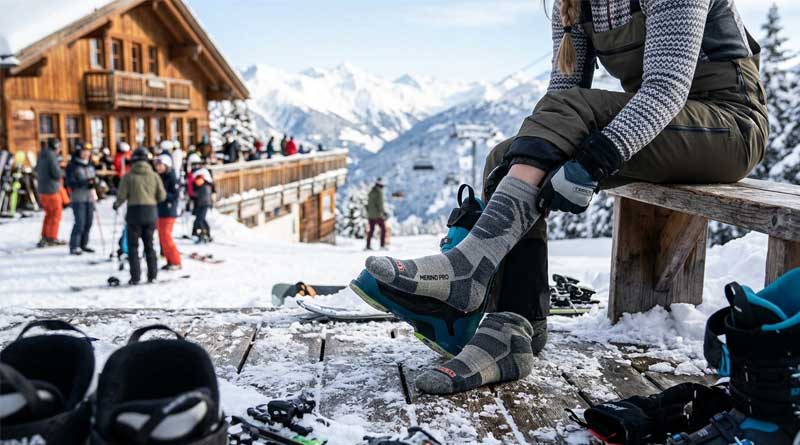
Cold feet can turn an exciting day on the slopes into a miserable experience. Proper ski socks play a critical role in keeping your feet warm, dry, and protected from blisters while skiing or snowboarding. Merino wool blends stand out for their natural temperature regulation, moisture-wicking ability, and odor resistance. Key features such as targeted cushioning, seamless toes, and knee-high coverage help maintain comfort inside tight ski boots. This guide examines top-rated options designed for cold weather performance so you can select the right pair for lasting warmth and support during winter sports.
1. Cirorld Thermal Socks

- Material: High-content merino wool with full cushion
- Toe Construction: Advanced seamless knitting technology
- Length: Knee-high (24 cm sock, 40.5 cm leg)
- Key Feature: Breathable mesh for moisture control
These socks deliver reliable warmth through a substantial merino wool content combined with all-round cushioning that traps heat and softens the impact of ski boots. The seamless toe design eliminates common friction points that often lead to blisters during long days of snowboarding or skiing in freezing temperatures. Moisture management stands out thanks to the mesh structure that promotes airflow while the wool rapidly absorbs and releases sweat, keeping feet dry even during intense activity.
The knee-high length fully covers the lower leg and stays in place with an elastic cuff, creating a protective barrier between skin and boot shell. Suitable for skiing, snowboarding, hiking, and even casual home use, these socks offer solid value for anyone seeking consistent cold-weather performance without excessive bulk.
- Pros: Excellent warmth retention, seamless comfort, strong moisture wicking, versatile for multiple activities
- Cons: May feel thick for users preferring ultralight options, limited color variety in some packs
2. OutdoorMaster Thermolite

- Insulation: Thermolite hollow-core fiber technology
- Wool Content: 30% merino wool with LYCRA elastic
- Design: Targeted compression zones and thick terry loops
- Fit: Over-the-calf with seamless toe
Thermolite hollow-core fibers create an insulating air layer that locks in body heat while remaining lightweight, outperforming standard fibers in cold conditions. Combined with 30% merino wool, the socks regulate temperature, wick moisture, and resist odor throughout a full day on the mountain. The three-layer yarn construction enhances overall warmth without adding unnecessary weight.
Targeted cushioning on the sole absorbs impact and reduces slipping inside boots, while compression zones support the foot, ankle, and calf. This design helps protect the Achilles tendon and limits toe swelling common in forward-leaning ski positions. The over-the-calf height and non-slip cuff keep the socks securely in place, making them a strong choice for active cold-weather sports.
- Pros: Superior heat retention from hollow fibers, good support zones, lightweight feel, seamless comfort
- Cons: Wool percentage lower than pure merino options, may require careful washing to maintain loft
3. Smartwool Ski Zero Cushion

- Durability: Indestructawool technology in high-wear zones
- Fit System: 4 Degree Elite with strategic stretch and mesh
- Toe: Virtually seamless flat knit construction
- Cushion Level: Zero cushion for close boot fit
Indestructawool technology reinforces areas that experience the most abrasion, helping these socks survive repeated long days of skiing without thinning or developing holes. The 4 Degree Elite Fit System combines strategic stretch with mesh panels that enhance breathability and reduce the chance of blisters by keeping the sock smoothly against the skin.
A virtually seamless toe further minimizes irritation inside ski boots. The zero-cushion design creates a precise, low-volume fit preferred by skiers who want maximum control and feel for the boot. These socks prioritize durability and performance fit over maximum padding, making them ideal for intermediate to advanced skiers seeking a reliable, long-lasting option.
- Pros: Exceptional durability, precise performance fit, strong breathability, low blister risk
- Cons: Minimal cushioning may feel less plush for beginners, higher price point
4. Pure Athlete Ultra Light Ski Socks

- Composition: 38% nylon, 33% merino wool, 23% acrylic, 4% spandex, 2% lycra
- Construction: Dense 200-needle knit for warmth without bulk
- Fit: Elastic top band to prevent sliding
- Breathability: Strategic mesh zones on foot top
These ultra-light socks use a dense 200-needle machine knit that packs warmth into a thin profile, avoiding the bulk that can cause pressure points inside modern ski boots. The 33% merino wool content provides natural temperature regulation and moisture wicking so feet stay dry and comfortable even during high-output runs. Strategic mesh panels on the top of the foot further improve airflow without sacrificing heat retention.
An elastic band at the cuff keeps the socks securely in place throughout the day. Designed specifically for skiing and snowboarding, they suit riders who prefer a close-to-the-foot feel and reduced volume. Note that the thin construction prioritizes lightness over maximum insulation, so they perform best in moderate cold or when paired with well-insulated boots.
- Pros: Very light and low-volume, good moisture management, stays in place, durable dense knit
- Cons: Not ideal for extreme cold, less cushioning than thicker models
5. Anlisim Merino Wool Socks

- Composition: 70% merino wool, 23% polyester, 5% spandex, 2% nylon
- Pack: Three pairs included
- Support: Wide compression cuff and arch support
- Cushion: Full cushioning for shock absorption
With a high 70% merino wool content, these socks excel at temperature regulation and moisture control across a range of winter conditions. The three-pair pack offers solid value, and the available sizes cover a wide range of men’s and women’s feet. Wide compression zones in the cuff and arch improve circulation, reduce fatigue, and keep the sock from shifting inside the boot.
Full cushioning absorbs impact while the reinforced construction helps prevent blisters. Ventilation fabric releases excess heat so feet remain dry and odor-resistant during skiing, snowboarding, or hiking. These socks balance warmth, support, and everyday durability, making them a practical choice for both dedicated skiers and multi-activity winter users.
- Pros: High wool content, multi-pack value, strong arch support, effective moisture wicking
- Cons: Compression may feel firm for some users, limited extreme-cold insulation
6. SB SOX Merino Wool Ski Socks

- Material: High-quality merino wool blend
- Coverage: Knee-high full calf length
- Reinforcement: Reinforced heel and toe
- Properties: Moisture-wicking and odor-resistant
These socks rely on a merino wool blend to deliver softness and consistent warmth ideal for skiing and snowboarding. The knee-high design provides complete calf coverage that adds insulation and creates a smooth interface with ski boots. Reinforced heel and toe areas increase durability so the socks hold up through repeated hard use on the mountain.
Natural moisture-wicking keeps feet dry while the odor-resistant qualities of merino wool maintain freshness during long sessions. The lightweight yet insulating construction works well for a variety of cold-weather outdoor activities. Clear size guidance based on U.S. shoe sizes helps ensure a proper fit across men’s and women’s ranges.
- Pros: Soft merino comfort, full calf coverage, durable reinforcements, good odor control
- Cons: Less specialized cushioning than some ski-specific models, may need careful sizing
7. Hylaea Knee High Socks

- Technology: Thermolite combined with merino wool
- Cushioning: Thick terry loops in forefoot, heel, and toe
- Support: Compressive arch band
- Sizes: Medium, Large, and X-Large options
Thermolite technology paired with merino wool creates a highly effective moisture-wicking and insulating system that keeps feet at a natural temperature. Thick terry loops in key impact zones absorb shock and minimize friction, while additional padding on the shin protects against boot pressure. The compressive arch band holds the sock firmly in place during dynamic movement.
These knee-high socks suit a wide range of activities beyond skiing, including hiking, hunting, and cold-weather work. The moderate compression and targeted cushioning make them comfortable for all-day wear. Multiple size options improve the chance of finding a precise fit for different foot shapes and boot volumes.
- Pros: Effective Thermolite insulation, good shock absorption, secure arch support, versatile use
- Cons: Can feel bulky in tight-fitting boots, wool blend requires gentle care
8. CS CELERSPORT Wool Ski Socks

- Fabric: Premium wool-blend for warmth and breathability
- Cushioning: Strategic padding in shin and calf areas
- Durability: Cushioned bottom for varied terrain
- Sizes: Medium, Large, and X-Large
A premium wool-blend fabric locks in warmth while allowing enough breathability to prevent clamminess during extended skiing or snowboarding sessions. Strategic cushioning focused on the shin and calf areas reduces pressure and impact from rigid boot shells, helping to limit fatigue and bruising on challenging terrain.
The cushioned sole adds comfort and longevity across different trail conditions. These socks work well for skiing, snowboarding, hiking, and other cold-weather outdoor activities. The multi-size range accommodates a broad spectrum of foot sizes, making them a practical option for mixed groups or families.
- Pros: Solid warmth-to-breathability balance, targeted shin protection, durable cushioning, good size selection
- Cons: Less merino-focused than pure-wool alternatives, padding may reduce boot sensitivity
9. Sandsuced Merino Wool Ski Socks

- Composition: 70% merino wool, 23% polyester, 5% spandex, 2% nylon
- Pack: Three pairs of knee-high socks
- Protection: Full cushioning with reinforced heel and toe
- Support: Wide compression zones with arch and ankle support
A high 70% merino wool content delivers reliable temperature regulation and moisture control that keeps feet fresh and odor-free. The three-pair pack provides good value for regular skiers. Full cushioning improves shock absorption, while the reinforced heel and thickened toe reduce the risk of blisters and grinding against boot liners.
Wide compression zones around the cuff, arch, and ankle enhance stability and help protect against common issues such as plantar fasciitis strain or Achilles irritation. These features combine to give confident support on the slopes. The socks also serve well as gifts for outdoor enthusiasts thanks to their practical performance and multi-pair packaging.
- Pros: High wool percentage, multi-pack convenience, strong compression support, effective blister protection
- Cons: Compression level may feel restrictive for some, limited color options in certain listings
10. Darn Tough Socks

- Toe: Seamless advanced knitting technology
- Insulation: High-content merino wool with full cushion
- Moisture: Breathable mesh structure for air circulation
- Length: Knee-high with high elastic cuff
These socks emphasize seamless toe construction that reduces friction and blister risk during prolonged snowboarding or skiing in cold conditions. High merino wool content combined with all-round cushioning provides substantial warmth and a snug fit that also absorbs moisture effectively. The mesh structure promotes airflow to help maintain a balanced foot temperature.
Knee-high coverage keeps the lower leg insulated, and the elastic cuff prevents the socks from slipping down over time. The design suits a range of winter outdoor activities and can transition to casual or home use. Overall durability and comfort make these a dependable option for skiers who value consistent performance and reduced irritation inside their boots.
- Pros: Seamless toe comfort, strong warmth and cushioning, reliable stay-up fit, versatile for multiple uses
- Cons: Description focuses heavily on thickness which may not suit low-volume boots, care instructions important for wool longevity
How to Choose the Best Ski Socks for Cold Feet
Selecting the right ski socks requires careful attention to materials, fit, cushioning, height, and intended use. Cold feet often result from poor moisture management, inadequate insulation, or improper sock volume that creates pressure points or restricts circulation inside ski boots. Understanding the key variables helps match a sock to both your physiology and the conditions you typically encounter on the mountain.
Understand Material Composition
Merino wool remains the gold standard for ski socks because of its unique combination of properties. It wicks moisture away from the skin, regulates temperature by trapping warm air while still allowing excess heat to escape, and naturally resists odor-causing bacteria. Most quality ski socks blend merino with synthetic fibers such as nylon, polyester, or acrylic to improve durability, elasticity, and drying speed.
Look for wool percentages between 30% and 70%. Higher wool content generally improves warmth and moisture handling but can increase cost and require more careful washing. Synthetic fibers add abrasion resistance in high-wear zones such as the heel and toe. Hollow-core fibers like Thermolite create additional insulating air pockets while keeping overall weight low. Avoid pure cotton socks entirely. Cotton absorbs sweat and holds it against the skin, leading to rapid heat loss and increased blister risk in cold, damp conditions.
Evaluate Cushioning and Padding Levels
Cushioning affects both comfort and boot fit. Full-cushion socks place terry loops or denser knit throughout the sole, heel, and sometimes the shin. This style suits recreational skiers, those with sensitive feet, or anyone who spends long hours standing in lift lines. Targeted cushioning places extra padding only in high-impact or high-pressure zones such as the ball of the foot, heel, and shin while leaving other areas thinner for better breathability and a closer fit.
Zero-cushion or ultra-light socks minimize volume so the foot sits closer to the boot liner. Advanced skiers often prefer this approach because it improves sensitivity and control. However, zero-cushion designs offer less protection against boot pressure and cold conducted through the sole. Consider your boot volume and personal preference for padding when choosing. Trying socks on with your actual ski boots is the most reliable way to judge whether the cushion level feels correct.
Matching Cushion to Boot Type
High-volume recreational boots pair well with medium to full cushion socks. Low-volume performance boots generally work better with light or zero-cushion designs. Overly thick socks in a tight boot can restrict circulation and actually make feet colder by reducing blood flow.
Prioritize Fit and Construction Details
A well-fitting ski sock should feel snug without binding or creating wrinkles. Look for features such as a seamless or nearly seamless toe that eliminates a common source of irritation. Elastic or compressive cuffs keep the sock from sliding down during aggressive turns or long days. Arch support bands help the sock stay oriented correctly and can reduce fatigue on the plantar fascia.
Height matters. Over-the-calf or knee-high socks provide continuous coverage under the boot cuff and help seal out snow and cold air. Crew-height socks leave a gap that can allow cold to reach the lower leg. Size charts based on U.S. shoe size give a starting point, but individual foot shape varies. Some brands offer distinct men’s and women’s lasts or more granular size ranges.
Assess Moisture Management and Breathability
Even in freezing temperatures, feet produce sweat. Effective ski socks must move that moisture away from the skin and allow it to evaporate or transfer into the boot liner. Merino wool and certain synthetic yarns excel at this. Mesh panels or open-knit zones on the top of the foot and instep further improve airflow without sacrificing insulation on the sole and heel.
Poor moisture management leads to damp socks that lose insulating ability and increase the chance of blisters. Multi-day trips or high-output skiing make moisture handling especially important. Some socks incorporate additional treatments or yarn structures specifically aimed at faster drying and odor control.
Consider Durability and Reinforcement
Ski socks face repeated abrasion from boot liners, sharp edges of buckles, and the mechanical stress of flexing. Reinforced heels and toes, denser knit in high-wear zones, and specialized durability technologies extend the useful life of a pair. Indestructawool-style constructions intentionally place tougher yarns where abrasion is greatest.
Expect quality ski socks to last multiple seasons with proper care. Turning socks inside out before washing, using mild detergent, and air drying rather than machine drying help preserve the wool and elastic components. A multi-pack can be economical if you rotate pairs and allow thorough drying between uses.
Match Socks to Your Activity Level and Conditions
Recreational skiers who spend time in mild to moderate cold may prioritize comfort and moderate cushioning. Aggressive or all-day skiers in deeper cold benefit from higher insulation, better moisture control, and secure fit. Snowboarders often appreciate extra shin padding because of the different pressure points created by soft boots and forward lean.
For mixed use that includes hiking, snowshoeing, or resort walking, choose versatile socks that balance warmth with the ability to perform outside of ski boots. Some designs transition reasonably well to casual winter wear or as recovery socks after a day on the hill.
Compare Key Features Across Options
| Feature | Why It Matters | What to Look For |
|---|---|---|
| Wool Content | Warmth, moisture control, odor resistance | 30% to 70% merino preferred |
| Cushion Level | Comfort versus boot fit and sensitivity | Full, targeted, or zero depending on preference |
| Height | Coverage under boot cuff and cold protection | Over-the-calf or knee-high |
| Seamless Toe | Reduced blister risk | Flat or virtually seamless construction |
| Reinforcements | Longevity under abrasion | Heel, toe, and high-wear zone strengthening |
| Compression or Support | Stability and circulation | Arch bands, calf compression, stay-up cuffs |
Practical Buying Checklist
- Confirm the sock height reaches well above your boot cuff.
- Check the material breakdown for adequate merino or equivalent insulating fiber.
- Decide on cushion level based on your boots and personal comfort preference.
- Verify size using the brand’s shoe-size chart and consider trying pairs if possible.
- Look for seamless or low-profile toe seams.
- Evaluate whether a multi-pack or single pairs better suit your usage frequency.
- Read recent user feedback specifically about warmth retention and durability after multiple washes.
- Consider care requirements and whether the socks can be machine washed and dried without rapid degradation.
Additional Tips for Cold Feet
Even the best socks cannot compensate for boots that are too tight or too loose. Ensure your ski boots fit correctly and that you are not over-tightening buckles in a way that cuts off circulation. Layering thin liner socks under a thicker outer sock is generally counterproductive because the added volume often restricts blood flow. Instead, choose a single high-quality ski sock matched to the conditions.
Keep a dry pair available for the end of the day. Changing into fresh socks after skiing helps feet recover and prevents prolonged dampness. For extremely cold days, some skiers use chemical toe warmers, but these should be used cautiously and never in a way that creates excessive heat or moisture buildup inside the boot.
Finally, remember that individual responses to cold vary widely. What keeps one skier comfortable may leave another chilled. Start with well-regarded merino-blend designs that incorporate the features outlined above, then refine based on your own experience on the mountain. Proper ski socks form a small but essential part of a complete cold-weather system that includes appropriate base layers, insulation, and properly fitted boots.
By focusing on material quality, appropriate cushioning, secure fit, and proven moisture management, you can significantly reduce the chance of cold feet and enjoy longer, more comfortable days skiing or snowboarding. The products reviewed earlier illustrate a range of approaches from ultra-light performance designs to heavily cushioned, high-wool options. Matching those characteristics to your specific needs will produce the best results.