Best Ski Touring Backpacks of 2025
Ski touring is all about freedom, adventure, and exploring the mountains at your own pace, but the right gear makes all the difference. A reliable backpack is one of the most important pieces of equipment you’ll need, carrying everything from safety gear and extra layers to snacks and water. The best ski touring backpacks are designed to be lightweight, comfortable, and practical, with features that make long days in the backcountry easier. In this guide, we’ll look at the top choices available today.
1. Black Diamond Cirque 35

- Frame Type: Frameless
- Capacity: 35 L (2,136 cu in)
- Materials: 210D nylon with Dynex grid
- Carry Options: Diagonal / A-frame / Vertical snowboard
The Black Diamond Cirque 35 is a purpose-built, mid-capacity alpine pack made for fast approaches and technical lines. The roll-top design expands or compresses as needed, and the lightweight 210-denier nylon with Dynex grid keeps the weight down while resisting abrasion. Its multiple carry options (diagonal, A-frame, vertical) and quick-deploy PickPocket™ piolet system make transitions smooth when terrain gets steep. An external avalanche-tool pocket with drain holes plus a quick side zipper to the main compartment makes retrieving skins, crampons, or tools simple on the move.
Comfort-wise, the Cirque balances low weight with usable padding: stretch-woven shoulder straps and a padded hipbelt help during long shuttles. Interior organization is minimal but sensible — an interior sleeve, exterior zip pocket, and radio/hydration routing cover essentials without adding bulk. If you want a no-nonsense, durable pack for serious backcountry days where weight and function matter, the Cirque 35 is a strong choice.
- Pros: Lightweight, durable build; excellent carry options; quick tool access; good volume range.
- Cons: Minimal internal organization; no raincover; less padding for long load-haul days.
See the Black Diamond Cirque 35
2. Black Diamond Dawn Patrol 32

- Frame Type: Frameless
- Capacity: 32 L (≈1,953 cu in)
- Fabric: 100% postconsumer recycled polyester
- Access: Panel / back-panel zip access
The Dawn Patrol 32 is a versatile all-day backcountry pack designed to handle long tours and mixed objectives. Its 32-liter capacity is roomy enough for extra layers, food, water, and an avy kit while keeping a slim, contoured profile. The separate, easy-access avalanche-safety pocket and oversized insulated shoulder pocket make organizing emergency gear and hydration intuitive. Built from recycled materials, the Dawn Patrol balances eco-conscious construction with snow-shedding performance.
The suspension is form-fitting and body-hugging, which reduces bounce on steep climbs and helps when you’re cutting fresh skin tracks. Zippered back-panel access speeds mid-trip retrievals, and multiple external attachment points let you carry skis, splitboard, helmet, or piolets without fuss. If you want a dependable, well-featured pack for varied backcountry days that prioritizes organization and comfort over ultralight minimalism, the Dawn Patrol 32 delivers.
- Pros: Great organization; insulated shoulder pocket; sustainable materials; comfortable fit.
- Cons: Slightly heavier than ultralight rivals; no included raincover.
See the Black Diamond Dawn Patrol 32
3. Dakine Heli Pro 24L – Women’s
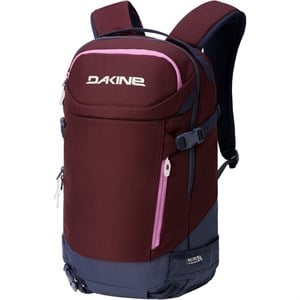
- Capacity: 24 L
- Fit: Women’s specific fit with 38mm padded hipbelt
- Materials: 100% recycled polyester
- Carry: Diagonal/A-frame ski and vertical/horizontal snowboard
The Dakine Heli Pro 24L for women is a low-profile performance pack engineered for fast laps, skin trips, and aggressive resort-to-backcountry days. Despite the modest 24 liters, it punches above its weight with specialized pockets — a fleece-lined goggle pocket, shovel sleeve, and internal mesh storage — so small items stay tidy and accessible. The women-specific harnessing and padded hipbelt provide secure load transfer without excess bulk, which is ideal when you want nimble movement and quick transitions.
Carry options are smart and flexible: diagonal or A-frame ski carry and multiple snowboard orientations let you adapt to terrain and approach style. The pack’s back-panel zip entry and quick-stash exterior pocket keep essentials reachable, while hydration compatibility and a rescue whistle add practical safety touches. If your days are fast, technical, and you value a streamlined, female-specific fit, the Heli Pro 24L is an efficient, well-thought-out companion.
- Pros: Female-specific fit; excellent pocketing; lightweight; eco-friendly fabric.
- Cons: Limited volume for multi-day gear; no internal sleeve for larger tools.
See the Dakine Heli Pro 24L – Women’s
4. Ortovox Switchback 32L
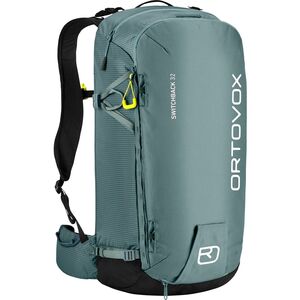
- Volume: 32 L
- Back System: Full Contact Light
- Access: Top and back-panel entry
- Carry: A-frame, diagonal, and quick-attach with carabiner
The Ortovox Switchback 32L is built for climbers and backcountry riders who want a comfortable, organization-forward pack for long days. Its Full Contact Light back system provides a close, stable fit that keeps the load secure through technical climbing and steep skin tracks. Multiple access points (top and back panel) make mid-trip retrievals painless, and the range of ski-carry options — A-frame, diagonal, or quick carabiner attachment — lets you tailor the carry method to the objective.
Pocketing is practical: shoulder-strap stow and internal stash compartments keep small tools and navigation gear reachable. Ice-axe accommodations and dedicated loops mean the Switchback adapts well to mixed alpine objectives. Overall, the pack strikes a balance between supportive suspension and alpine functionality, making it a strong pick for riders and mountaineers who need a 32-liter workhorse that won’t bog them down.
- Pros: Stable fit; smart access points; versatile carry options; alpine-ready features.
- Cons: Slightly bulkier than pared-down touring packs; fewer external pockets for fast access.
See the Ortovox Switchback 32L
5. Dakine Poacher RAS 18L
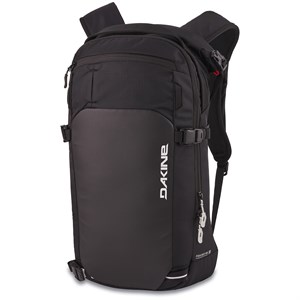
- Capacity: 18 L (≈1,342 cu in)
- Compatibility: Mammut Removable Airbag System 3.0 ready
- Materials: 100% recycled high-density nylon
- Carry: Diagonal/A-frame ski and vertical snowboard
The Dakine Poacher RAS 18L is a lean, purpose-built pack for lift-assisted or heli missions where agility and a low profile matter. Though compact, it still supports full ski or snowboard carry and offers dedicated tool storage — a fleece-lined goggle pocket and shovel sleeve keep essentials organized. The Poacher’s molded, snow-shedding backpanel and padded hipbelt deliver a secure, comfortable ride whether you’re popping off a helicopter or unloading at the chair.
Its standout feature is compatibility with Dakine’s RAS for Mammut’s removable airbag system, giving riders an option to add active safety without sacrificing the pack’s slim silhouette. The deployable helmet carry and hipbelt pockets are thoughtful touches for resort-to-backcountry days. If you want a compact, burly pack that prioritizes performance and airbag readiness, the Poacher is a solid, confidence-inspiring choice.
- Pros: Airbag-system compatible; compact and secure fit; great pocketing for essentials; durable materials.
- Cons: Very limited capacity for longer tours; airbag sold separately; not ideal for heavy loads.
See the Dakine Poacher RAS 18L
How to Choose Touring Ski Packs
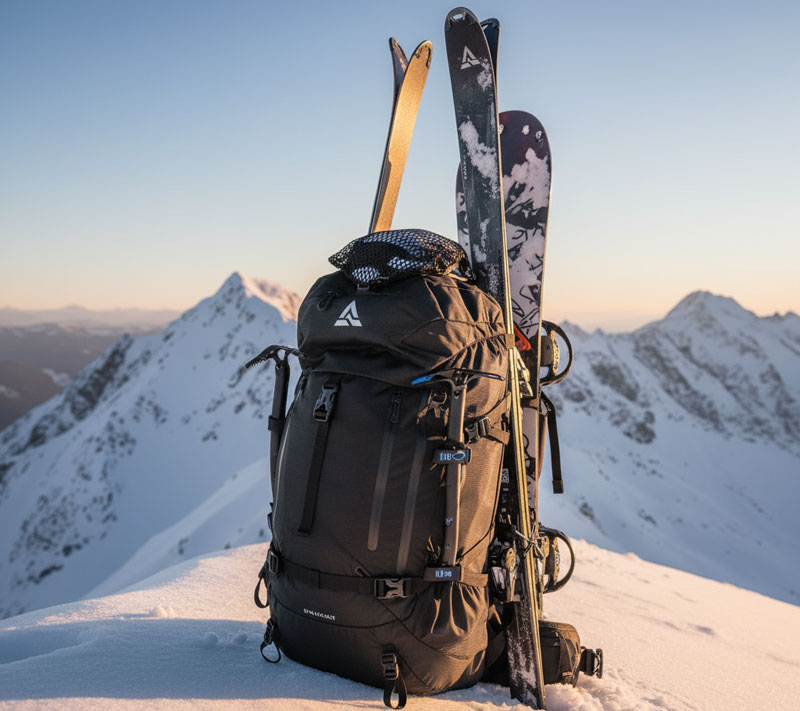
Touring ski packs are an essential piece of gear for anyone who spends time in the backcountry. Whether you are heading out for a short dawn patrol lap, a full-day tour, or a multi-day hut trip, having the right pack can make the difference between an enjoyable adventure and a frustrating struggle. Ski touring packs are designed with specific features to carry skis, snowboards, avalanche gear, and other backcountry essentials, while also offering comfort and durability. Choosing the right one requires careful consideration of size, features, fit, and intended use. This article will guide you through the key factors to help you select the best ski touring pack for your needs.
Understanding Ski Pack Volume
The first step in choosing a ski touring pack is determining the right size. Pack capacity is measured in liters, and the correct volume depends on the type of trips you plan to take.
Small Packs (15–25L)
These are best for short tours, sidecountry missions, or lift-assisted days when you only need to carry the basics. A small pack fits your avalanche safety gear, water, snacks, and perhaps an extra layer. Their compact design makes them lightweight and ideal for aggressive skiing where freedom of movement is crucial.
Medium Packs (25–35L)
The sweet spot for most ski tourers, medium packs provide enough capacity for a full day in the backcountry. They comfortably fit avalanche gear, extra clothing, food, water, and some technical equipment like crampons or a harness. These packs strike a balance between weight and versatility, making them the most popular choice for day tours.
Large Packs (35–45L and above)
If you’re planning multi-day hut trips, expeditions, or need to carry climbing hardware and a sleeping system, a larger pack is essential. These models provide ample storage but are heavier and bulkier. Choosing one with a supportive suspension system helps manage the extra weight comfortably.
Carrying Systems and Access
A ski touring pack should offer multiple ways to carry skis, snowboards, and technical equipment. The carrying system not only ensures convenience but also impacts balance and safety when moving through steep terrain.
Ski Carry Options
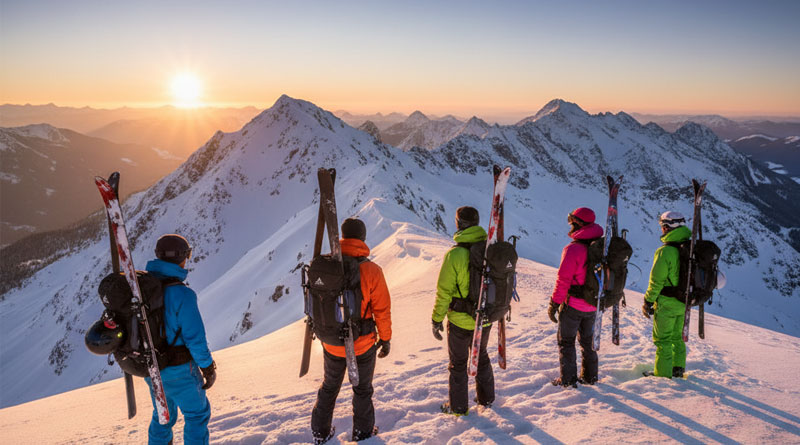
The most common methods are diagonal and A-frame carries. A diagonal carry allows you to quickly strap skis across the back of the pack, useful for short bootpacks. The A-frame carry, where skis are attached to both sides, distributes weight more evenly and is better for longer ascents. Some packs also offer vertical snowboard carry options, ensuring versatility for splitboarders.
Snowboard Carry
For snowboarders and splitboarders, vertical carry systems are essential. Look for packs that include reinforced straps and stable attachment points to handle the wider board without shifting.
Back Panel and Top Access
Easy access to gear is crucial in the backcountry. Many ski packs feature back-panel zippers, allowing you to open the main compartment without unloading skis or snowboards. Roll-top or top-zip entry can be lighter and more weather resistant but may require more effort to reach buried items.
Avalanche Safety Gear Storage
A dedicated avalanche gear pocket is a must-have for touring packs. This compartment is designed for your shovel, probe, and sometimes a snow saw, ensuring quick and organized access during emergencies. Look for packs with reinforced sleeves to protect against sharp shovel blades and drainage holes to prevent water buildup from melting snow.
Fit and Comfort
A ski pack should fit like a technical backpack, hugging the body to minimize shifting while skiing or climbing. Comfort becomes especially important on long tours where you’ll be carrying the pack for many hours.
Torso Length and Adjustability
Most packs come in different torso sizes or have adjustable harness systems. Choosing the right fit prevents back strain and improves load stability. Be sure to try on packs with weight in them to test how they carry under real conditions.
Hipbelts and Shoulder Straps
A padded hipbelt transfers weight from your shoulders to your hips, which is essential for heavier loads. Look for models with hipbelt pockets for quick access to small items like snacks or a compass. Contoured, padded shoulder straps with breathable materials help reduce fatigue during long climbs.
Back Panel Design
Snow-shedding back panels are critical in ski packs. These reduce snow buildup, keeping the pack dry and preventing extra weight. Some packs feature molded or mesh panels for improved airflow, adding comfort during strenuous uphill sections.
Hydration Compatibility
Staying hydrated is crucial in cold environments, and many ski touring packs are hydration compatible. This means they have an internal sleeve for a bladder and routing for the hose. Insulated shoulder pockets or sleeves help prevent freezing, which is particularly useful on long tours in low temperatures. If you prefer bottles, look for side pockets or hipbelt holsters for quick access.
Helmet and Tool Carry
Helmets and climbing tools can take up valuable pack space if not stored externally. Many modern ski packs include stowable helmet carries, either mesh or strap systems, that secure your helmet on the outside. For ice axes and piolets, look for packs with reinforced loops or quick-deploy carry systems, allowing safe and easy storage during mixed alpine objectives.
Weight vs. Durability
Touring packs must balance low weight with durability. Ultralight models shed extra features and use thin fabrics to keep weight minimal, which is ideal for fast-and-light missions. However, if you ski aggressively, carry heavy loads, or often travel through rocky terrain, a pack with reinforced fabrics like ripstop nylon or Dynex grids will last longer. Choosing the right balance depends on your skiing style and priorities.
Special Features
Airbag Compatibility
Some ski touring packs are compatible with avalanche airbag systems. These packs are heavier and more expensive but offer added safety in avalanche terrain. If you frequently ski in high-risk zones, an airbag-ready pack can be a wise investment.
Spine Protectors
Certain packs include or are compatible with impact spine protectors. This feature is particularly useful for resort skiers who frequently ski in trees or terrain parks and want added protection.
Eco-Friendly Materials
Many brands are shifting toward sustainable fabrics, using recycled polyester or nylon. While this may not affect performance directly, it supports environmentally conscious choices in outdoor gear.
Practical Tips for Choosing
When shopping for a ski touring pack, try to match the features to your most common type of skiing. For example, if you mostly do half-day missions near the resort, a 20L pack with minimal extras may be perfect. If your trips are longer, or you carry technical gear like ropes and crampons, aim for 30–40L packs with strong suspension systems. Always test how the pack feels loaded, as comfort varies between models even with the same capacity.
Conclusion
Choosing the right ski touring pack involves more than just picking a size. You need to consider carrying systems, avalanche gear access, comfort, hydration compatibility, and durability. Think about the type of skiing you do most often, the length of your trips, and whether you value lightweight performance or all-around durability. A well-chosen pack enhances safety, comfort, and efficiency, letting you focus on enjoying the mountains. Investing time in selecting the right touring ski pack will pay off with years of reliable use and countless memorable days in the backcountry.