
Best Watches for Skiing of 2026
Skiing is more fun and safer when you have the right gear, and a good watch can make a big difference on the slopes. The best ski watches do more than just tell time — they track your runs, measure altitude, and help you navigate in the mountains. Many also handle cold weather, show maps, and monitor your fitness. Whether you ski at resorts or explore the backcountry, a reliable watch can help you stay on track, stay safe, and make the most of your day in the snow.
1. Garmin Fenix 8

- Battery Life: Up to 29 days smartwatch mode, up to 68 hours all satellite systems mode
- Connectivity: Garmin Connect App, Garmin Messenger, Smart Notifications via Bluetooth
- Payments: Garmin Pay contactless payments at participating providers
- Music: Offline playlists from Spotify, Deezer or Amazon Music with subscription
The Garmin Fenix 8 is built for anyone who wants a true multisport companion without sacrificing smart features. It pairs safety tools like incident detection and live location sharing with everyday conveniences such as stock tracking and Connect IQ customization, making it feel just as useful on a mountain trail as it does at your office desk.
Battery performance is where this watch really stands out, with modes stretching from a couple of days of heavy GPS use to over four months in expedition settings. Garmin Share adds a nice social layer for swapping routes and workouts with friends, though newcomers to the ecosystem may need time to explore its dense menu structure.
Pros:
- Exceptional battery flexibility across multiple modes
- Strong safety and tracking features
- Deep customization through Connect IQ
Cons:
- Music requires a paid streaming subscription
- Feature set can feel overwhelming for beginners
See the Garmin Fenix 8 See the Garmin Fenix 8 Pro
See the Garmin Fenix 8 Sapphire See the Garmin Fenix 8 Solar Sapphire
2. Apple Watch Ultra 3
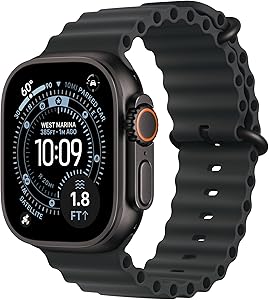
- Build: Titanium case with sapphire crystal display, water resistant to 100m
- Health Tools: ECG, AFib detection, blood oxygen readings, Vitals app tracking
- Battery Life: Up to 42 hours normal use, up to 72 hours in Low Power Mode
- Connectivity: Cellular with 5G, calls and streaming without an iPhone nearby
Apple Watch Ultra 3 is a rugged adventure watch that doesn’t compromise on Apple’s signature health tracking. The titanium build and sapphire display make it genuinely durable, while features like fall detection, crash detection, and Check In give an added layer of reassurance for solo runners, hikers, and travelers.
The brighter display and customizable Action Button make quick interactions easy mid-activity, and cellular independence means you can leave your phone behind entirely. The main tradeoff is ecosystem lock-in, since most of its smart features only work fully when paired with an iPhone, limiting appeal for Android users.
Pros:
- Rugged titanium and sapphire construction
- Comprehensive health and emergency features
- Full cellular independence with 5G
Cons:
- Requires an iPhone for full functionality
- Shorter battery life than dedicated outdoor watches
3. Garmin Instinct 3 Solar

- Battery Life: Up to 40 days smartwatch mode, unlimited with solar
- Display Size: 1.1 inches (50mm)
- Water Resistance: 100 meters
- Sensors: Pulse oximeter, compass, altimeter, wrist-based HRM
The Garmin Instinct 3 Solar is built for adventurers who need a watch that can keep up with demanding conditions. Its metal-reinforced bezel and scratch-resistant lens give it a rugged, durable feel, while the built-in flashlight adds practical value for early morning or late night outings. The solar charging feature is a standout, allowing extended use without constant recharging, which is ideal for multi-day trips.
Beyond durability, this watch offers a full suite of multisport tracking tools including VO2 max estimates, recovery advising, and pace alerts. The pressure-based altimeter and compass make it reliable for navigation, while Bluetooth and ANT+ connectivity allow easy pairing with fitness accessories. It balances toughness with smart functionality effectively.
Pros:
- Solar charging extends battery life significantly
- Rugged, reinforced build quality
- Built-in flashlight for low-light use
Cons:
- No touchscreen display
- Smaller screen compared to competitors
4. SUUNTO 9 Peak Pro

- Battery Life: 40 hours best GPS mode, 70 hours endurance, 300 hours tour mode
- GPS Accuracy: Uses four satellite systems for reliable tracking in tough terrain
- Durability: Titanium, stainless steel and sapphire glass, 100m waterproof
- Features: 97 sport modes with turn-by-turn navigation and weather alerts
SUUNTO 9 Peak Pro combines Finnish craftsmanship with serious endurance credentials, offering one of the most flexible battery systems on this list. A full charge in just an hour, plus the ability to top up quickly before a long session, makes it practical for athletes who don’t want to plan their training around charging cycles.
With 97 sport modes and multi-satellite GPS, it handles everything from trail running to mountaineering with confidence, and integration with Strava and Training Peaks keeps data flowing into your existing routine. The tradeoff is a smaller companion app ecosystem compared to Garmin or Apple.
Pros:
- Fast charging with flexible battery modes
- Military-grade durability and materials
- Wide range of sport modes
Cons:
- Smaller app ecosystem than major competitors
- Interface can feel less polished than rivals
5. Casio Pro Trek PRW3500

- Power: Tough Solar charging with LED backlight for low-light visibility
- Sensors: Digital compass, altimeter, barometer and thermometer built in
- Durability: 200m water resistance and low-temperature resistance to -10°C
- Case: 55mm case diameter with mineral glass and black IP finish
The Casio Pro Trek PRW3500 takes a refreshingly analog approach compared to the smartwatches on this list, relying on Tough Solar power instead of daily charging. This makes it an appealing choice for people who want reliable navigation tools without worrying about battery anxiety on extended trips.
Its sensor suite covers the essentials for outdoor navigation, including altimeter, barometer, compass, and thermometer readings, all backed by solid water and cold resistance. What it lacks is any smart connectivity, health tracking, or app integration, so it suits traditionalists more than tech-forward athletes.
Pros:
- Solar powered, no charging required
- Excellent low-temperature durability
- Useful outdoor sensor suite
Cons:
- No smartphone connectivity or app support
- Lacks fitness and health tracking features
See the Casio Pro Trek PRW3500
6. COROS NOMAD

- Display: 1.3-inch Memory in Pixel screen for high sunlight visibility
- Battery Life: 50 hours in GPS mode, up to 22 days of daily use
- Build: Dual-layer polymer and aluminum alloy bezel for lightweight strength
- Navigation: Free preloaded global maps with real-time weather data
COROS NOMAD stands out for its built-in Adventure Journal, letting users record voice notes, photos, and tagged locations during activities, which turns the watch into a genuine outdoor logbook rather than just a data tracker. It’s a thoughtful touch for hikers, anglers, and explorers who like documenting their trips.
Its MIP display holds up well in direct sunlight, and the lightweight bezel keeps it comfortable over long days outdoors. Battery life comfortably covers extended trips, and preloaded maps mean no extra downloads before heading out. The niche journaling focus, however, may not appeal to purely performance-driven athletes.
Pros:
- Unique Adventure Journal feature
- Long battery life for extended trips
- Free preloaded global maps
Cons:
- Less focused on structured training metrics
- Smaller brand ecosystem than Garmin or Apple
7. Garmin Forerunner 265

- Battery Life: Up to 13 days smartwatch mode, up to 20 hours GPS-only mode
- Payments: Garmin Pay contactless payments at participating providers
- Music: Offline playlists from Spotify, Deezer, Amazon Music or YouTube Music
- Safety: Incident detection and manual live location sharing
The Garmin Forerunner 265 is a lighter, more running-focused alternative to Garmin’s rugged Fenix line, offering a solid balance of smart features and training tools without the bulk. It’s a good fit for runners who want reliable safety tracking and music playback without paying for a premium multisport watch.
Everyday usability is a strength here, with smart notifications, contactless payments, and a wide music service selection covering most listeners’ preferences. Battery life is respectable for a running-focused watch, though it falls well short of the Fenix or Suunto models when it comes to multi-day expedition use.
Pros:
- Lightweight and running-focused design
- Wide music streaming service support
- Reliable safety and tracking tools
Cons:
- Shorter battery life than expedition watches
- Fewer outdoor-specific sensors than Fenix models
8. Garmin Forerunner 965

- Battery Life: Up to 23 days smartwatch mode, up to 31 hours GPS-only mode
- Storage: 32 GB memory with full color built-in mapping
- Health Tracking: Sleep Coach, Body Battery, Pulse Ox and Nap Detection
- Training Tools: Race Predictor for 5K, 10K, half and full marathon paces
The Garmin Forerunner 965 steps up from the 265 with full-color mapping and a much deeper health tracking suite, making it a strong choice for serious runners who want detailed insight into recovery as well as performance. Race Predictor and training load metrics give structured guidance for race preparation.
Sleep Coach and Body Battery add meaningful context to daily readiness, while 32GB of storage and 30-plus built-in activities cover cross-training needs beyond running. Battery life extends impressively to 23 days in smartwatch mode, though the added mapping and health features come at a higher price point than the 265.
Pros:
- Full color built-in mapping
- Extensive health and recovery tracking
- Long smartwatch mode battery life
Cons:
- Higher price than the Forerunner 265
- Larger case size may not suit smaller wrists
9. Garmin Forerunner 970

- Display Size: 1.4 inches, bright touchscreen
- Battery Life: Up to 15 days smartwatch mode
- Water Resistance: 50 meters
- Extra Features: Built-in LED flashlight, microphone and speaker
The Garmin Forerunner 970 is designed for performance-driven runners and triathletes who want premium features in a sleek package. The bright touchscreen display makes navigation intuitive, while the built-in LED flashlight adds unexpected utility for night runs. The inclusion of a microphone and speaker allows for hands-free communication, a feature not commonly found in running watches.
Its preloaded road and topo maps combined with visual map display make route planning straightforward, and the pulse oximeter, VO2 max estimate, and recovery advising tools cater well to serious athletes tracking long-term progress. With ANT+ and Bluetooth connectivity, it integrates smoothly with power meters, cadence sensors, and heart rate monitors for a comprehensive training setup.
Pros:
- Bright, responsive touchscreen
- Preloaded maps for easy navigation
- Built-in speaker and microphone
Cons:
- Shorter battery life than solar models
- Lower water resistance rating
10. Garmin Forerunner 570

- Display Size: 1.4 inches (47mm), touchscreen
- Battery Life: Up to 11 days smartwatch mode
- Water Resistance: 50 meters
- Extra Features: Built-in microphone and speaker
The Garmin Forerunner 570 is tailored for runners preparing for their next race, offering a bright touchscreen display paired with advanced training features. It strikes a nice balance between size and functionality, available in both 42mm and 47mm options to suit different wrist sizes. The built-in microphone and speaker add convenience for notifications and calls without reaching for a phone.
This watch covers essential training metrics including VO2 max estimate, recovery advising, and heart rate target zones, all supported by a reliable wrist-based HRM and pulse oximeter. Programmable routes and waypoint tracking make it suitable for structured training plans, while Bluetooth and ANT+ compatibility ensure smooth pairing with external sensors for a more detailed performance overview.
Pros:
- Available in two size options
- Bright touchscreen display
- Solid training and recovery metrics
Cons:
- No preloaded maps
- Shorter battery life than Instinct 3 Solar
Watches for Skiing: The Ultimate Guide to Choosing the Right Timepiece
Skiing is an exhilarating winter sport that combines speed, precision, and endurance. Whether you’re carving down alpine slopes or exploring backcountry trails, the right gear can make a world of difference. One essential yet often overlooked piece of equipment is a reliable skiing watch. These watches are designed to handle freezing temperatures, track performance metrics, and help you navigate safely through snowy environments. In this guide, we’ll explore what makes a great skiing watch, the key features to look for, and some of the best models available today.
Why You Need a Skiing Watch
Unlike regular wristwatches, skiing watches are built to withstand harsh mountain conditions. They don’t just tell time — they serve as your on-wrist assistant during your runs. From altitude tracking to GPS navigation and avalanche warnings, these devices can enhance your skiing experience and improve safety.
Modern skiing watches also integrate fitness tracking, making them ideal for athletes who want to monitor their heart rate, calories burned, and recovery times. In remote areas where weather changes rapidly, some watches can even provide storm alerts and temperature readings, keeping you one step ahead of the elements.
Key Features to Look For
1. GPS and Navigation
GPS functionality is crucial for skiers who venture into the backcountry or unfamiliar ski resorts. A good skiing watch should provide accurate positioning, mapping, and route tracking. Many high-end models use multi-band GNSS (Global Navigation Satellite System) for better accuracy, even in areas with poor satellite visibility. This ensures you can always find your way back, even when visibility drops.
2. Altimeter, Barometer, and Compass (ABC Sensors)
The ABC sensors are standard in most advanced outdoor watches. The altimeter helps track elevation changes, the barometer monitors weather patterns, and the compass assists with orientation. These sensors work together to give you a complete picture of your environment. For skiers, knowing your altitude can help you gauge vertical descent, while the barometer can warn you about incoming storms.
3. Temperature and Weather Tracking
Skiing in the mountains often means facing unpredictable weather. A good skiing watch can measure temperature and provide weather updates in real time. Some models even sync with smartphone apps to give you hyperlocal forecasts. This can be vital for safety when sudden snowstorms or drops in temperature occur.
4. Durability and Build Quality
Your watch must endure extreme cold, moisture, and occasional impacts. Look for models with rugged build quality, scratch-resistant sapphire glass, and waterproofing of at least 100 meters. A metal or reinforced polymer case ensures long-lasting durability, while comfortable yet tough straps made from silicone or fabric can handle icy conditions.
5. Battery Life
Battery life is a major consideration for long ski trips. A watch that dies mid-run can leave you without essential data or navigation. Choose a model that offers extended battery life in GPS mode and even better endurance in smartwatch mode. Solar charging options, found in some high-end models, can be a great advantage during long days on the slopes.
6. Smartwatch Features
Modern skiing watches often include smartwatch features such as notifications, music control, and fitness tracking. These features add convenience without compromising performance. You can receive calls or texts, track your daily activity, and sync data to fitness platforms like Strava or Garmin Connect.
Top Skiing Watch Recommendations
1. Garmin Fenix 7 Series
The Garmin Fenix 7 is widely regarded as one of the best watches for skiing and outdoor adventures. It features multi-band GPS, preloaded ski resort maps, and an accurate altimeter-barometer-compass system. The watch automatically detects ski runs, tracks total descents, and even counts your laps. With a battery life of up to 18 days in smartwatch mode and solar charging options, it’s built for extended trips. Its durable titanium or stainless steel body and sapphire glass make it resistant to scratches and impacts.
2. Suunto Vertical
Suunto is known for its precision in outdoor sports, and the Suunto Vertical is no exception. It offers offline maps, advanced altitude tracking, and weather forecasting. The barometer provides real-time pressure readings to alert you of approaching storms. It’s also water-resistant up to 100 meters and designed to function in freezing conditions. The Suunto Vertical’s battery can last up to 85 hours in GPS mode, making it ideal for multi-day skiing expeditions.
3. Coros Vertix 2
The Coros Vertix 2 combines performance, durability, and long battery life. It’s equipped with dual-frequency GPS, ensuring superior accuracy in mountainous regions. The titanium bezel and sapphire crystal display can withstand severe weather. It also offers 140 hours of battery life in GPS mode — one of the longest in its class. Its temperature and altitude sensors make it a reliable companion for both ski touring and resort skiing.
4. Apple Watch Ultra 2
While not a traditional outdoor watch, the Apple Watch Ultra 2 has proven capable on the slopes. It offers precision dual-frequency GPS, a large and bright display for easy readability, and ski tracking via third-party apps like Slopes and Snoww. Its rugged titanium casing, water resistance up to 100 meters, and temperature tolerance make it a viable option for recreational skiers. The Ultra 2 also includes heart rate tracking, ECG, and oxygen monitoring, making it ideal for fitness-oriented users.
Tips for Using a Skiing Watch
1. Calibrate Sensors Before Each Trip
To get accurate altitude and barometric readings, always calibrate your watch before hitting the slopes. This ensures the data is consistent with your environment and prevents misleading readings.
2. Protect the Battery in Cold Conditions
Cold weather can drain your watch battery faster. Try wearing it under your glove or jacket cuff to keep it warm. Avoid exposing it to the cold for extended periods when not in use.
3. Use Dedicated Skiing Modes
Most advanced watches have specific skiing or snowboarding modes. These settings optimize GPS tracking, record runs, and automatically detect lifts. Using these modes ensures your data is accurate and useful for post-ride analysis.
4. Sync Your Data
Syncing your skiing data to a companion app lets you review performance metrics, compare runs, and share progress with friends. It also allows you to back up your data for future reference.
How to Choose the Right Watch for You
When selecting a skiing watch, consider your skill level and skiing style. If you mostly ski at resorts, a mid-range GPS watch with mapping and run tracking might suffice. However, if you explore remote backcountry terrain, opt for a high-end model with full navigation capabilities and extended battery life. Fitness-focused users may prefer a smartwatch-style device that offers both health tracking and skiing metrics.
Budget is another factor — premium watches like the Garmin Fenix 7 or Suunto Vertical can be expensive, but they offer unmatched durability and features. More affordable models, such as the Garmin Instinct 2 or older Suunto models, still provide reliable performance for casual skiers.
Conclusion
A skiing watch is more than a timepiece — it’s a safety tool, a performance tracker, and a companion for your mountain adventures. The best models combine durability, precision, and intelligent features that enhance every run. Whether you’re tracking your vertical drop, navigating backcountry trails, or monitoring your heart rate, the right skiing watch will elevate your experience and keep you safe in the unpredictable alpine environment. Choose wisely, and your watch will serve you faithfully through countless snowy descents.