Best Snowboard Masks & Balaclavas of 2025
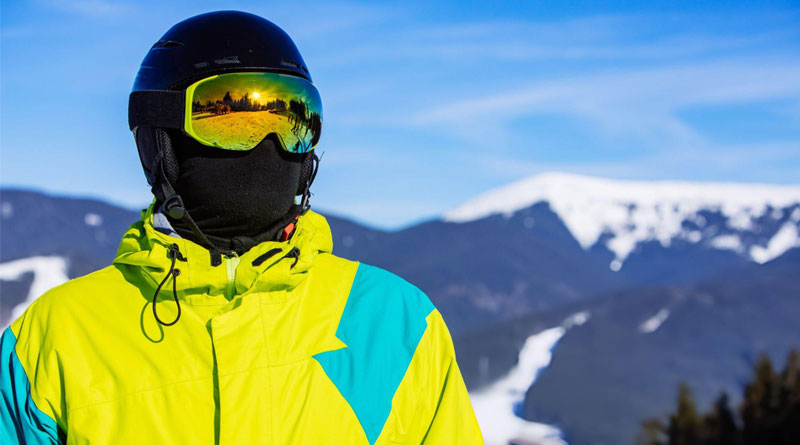
When hitting the slopes, staying warm and protected is just as important as having the right board. Snowboard masks and balaclavas keep your face shielded from cold wind, snow, and sun while letting you breathe easily. They also help prevent frostbite and make long days on the mountain more comfortable. Whether you prefer a full-face balaclava or a lightweight mask, choosing the right one can make a big difference. In this guide, we’ll explore the best snowboard masks and balaclavas for every type of rider.
1. BlackStrap The Hood
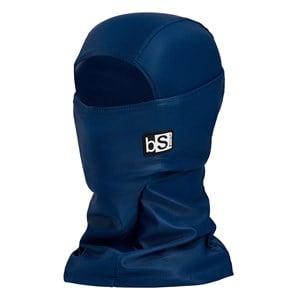
- Material: TREO performance knit (4-way stretch)
- Protection: UPF 50+ (≈98% UV block)
- Fit: Helmet-friendly ergonomic, one size fits most
- Tech: Dri-Flo moisture wicking; ExoHinge mobility
The BlackStrap The Hood is a low-profile balaclava designed for active riders who demand breathable coverage without bulk. The TREO knit sits softly next to skin and stretches in four directions so the hood moves with your head instead of fighting it. Dri-Flo keeps moisture moving away during aerobic approaches and the ExoHinge construction prevents fabric from shifting when you turn your head or shoulder-check. The UPF 50+ rating is a useful added benefit for sunny high-alpine days when reflected radiation from snow becomes a real concern.
Use it under a helmet for everyday resort laps or pull it up to full face coverage when sleet and spindrift roll in. Because it’s lightweight and quick-drying, it layers well under thicker shells for storm days and performs solo on cool spring mornings where overheating would be an issue with heavier options. Overall, The Hood is a versatile, low-bulk piece that prioritizes comfort, mobility, and sun protection for riders who want reliable coverage without heat buildup.
- Pros: Lightweight, breathable, excellent UV protection
- Cons: Single-layer in places; less warm in extreme cold
2. BlackStrap The Expedition Hood
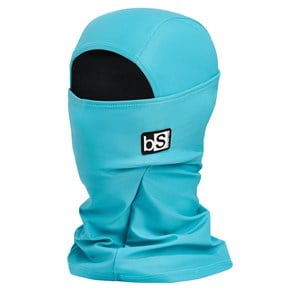
- Material: TREO performance knit, dual-layer in front
- Warmth: Full 360° PERFA wind-rated dual layer lining
- Fit: Helmet-compatible ergonomic fit; one size
- Tech: Dri-Flo wick + ExoHinge for mobility
The Expedition Hood takes the core comfort of the TREO knit and adds deliberate windproofing where it matters. A dual-layer front and a PERFA wind-rated lining cut penetrating gusts and keep face temperature steadier on bitter, exposed approaches. Despite the added protection, the ExoHinge geometry preserves mobility so you don’t feel restricted when looking over your shoulder or sizing up terrain. Dri-Flo continues to manage moisture so sweat won’t pool on longer efforts.
It’s best described as a midweight face layer built for blustery days and long tours where wind is the primary enemy. Under a helmet it sits comfortably and doesn’t bunch, and when worn solo it provides robust coverage without feeling clumsy. If your typical outings include windy ridgelines, glacier travel, or extended chairlift descents in variable conditions, the Expedition Hood is a sensible, well-balanced option that prioritizes protection while keeping movement and breathability intact.
- Pros: Excellent wind protection, comfortable under helmet
- Cons: Slightly thicker—can feel warm on milder days
See the BlackStrap The Expedition Hood
3. Fuinloth Balaclava Ski Mask

- Material: Lightweight stretch synthetic (quick-dry)
- Versatility: Wear as balaclava, gaiter, headband, mask
- Protection: Sun, wind, dust, and sweat management
- Care: Machine washable, wrinkle resistant
The Fuinloth Balaclava is a budget-oriented, highly adaptable face layer that’s ideal for multisport users. Thin, stretchy fabric lets you convert it between a full balaclava, neck gaiter, or headband in seconds, and the breathable weave keeps air moving during aerobic efforts. Because it’s lightweight and packable, it’s an excellent option to stash in a daypack for unexpected wind or dust on trail runs, bike rides, or travel days.
Fit is forgiving and unisex, so it pairs well with helmets and hats without uncomfortable bunching. It won’t replace insulated, windproof options for deep-winter mountaineering, but for warm-to-cool conditions and dusty or sunny environments it gives solid, functional coverage at a very accessible price. If you want a simple, low-commitment face layer that’s easy to care for and versatile across activities, the Fuinloth is a practical staple.
- Pros: Very versatile, inexpensive, easy care
- Cons: Not warm enough for severe cold; thin material
See the Fuinloth Balaclava Ski Mask
4. Achiou Ski Mask

- Material: Ice silk fabric (lightweight, breathable)
- Ventilation: Air-vent panels for breathability
- Fit: Extreme elasticity; unisex, multiple colors
- Use: Multi-sport—skiing, motorcycling, hiking, cosplay
The Achiou Ski Mask emphasizes airflow and comfort with a soft ice silk fabric that feels pleasant against skin. Vent panels improve breathability, which makes the mask a sensible choice for long sessions where overheating could become an issue. Its high elasticity and stretch mean it stays put across different head sizes and can be configured as a face mask, scarf, or headband depending on the day.
It’s most useful in mild cold, windy, or dusty conditions where breathability is more important than heavy insulation. For riders who need a comfortable, lightweight face layer that performs across many activities—commuting, trail days, or casual winter play—the Achiou balances price and functionality. It’s not intended for storm-level protection, but for everyday use it’s reliable, breathable, and comfortable.
- Pros: Very breathable, comfortable fit, affordable
- Cons: Limited warmth in freezing conditions
5. Oyuki Proclava
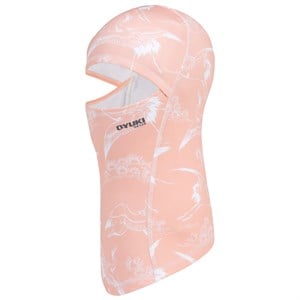
- Material: 85% Polyester / 15% Spandex
- Fit: Low-profile, one size fits most
- Warmth: Medium warmth for wet, cool conditions
- Function: Pull-up design—balaclava to neck gaiter
The Oyuki Proclava strikes a practical balance between slim under-helmet fit and useful protection for damp, cool climates. The polyester-spandex blend provides stretch for a snug, non-bunching profile and sheds light moisture so the piece stays comfortable in drizzly conditions. Its low bulk makes it easy to layer under helmets and hoods while still contributing meaningful wind resistance compared to a thin gaiter.
Because it uses a pull-up design rather than a hinged construction, you operate coverage with stretch rather than toggles, which keeps the silhouette clean but requires a bit more deliberate adjustment. On wet Pacific-Northwest style days it’s particularly useful: it blocks wind, retains moderate warmth, and won’t trap moisture the way heavier insulated materials can. For daily riders who want a tidy, effective under-helmet layer, the Proclava is a sensible upgrade over the thinnest gaiters.
- Pros: Warm and low-profile, comfortable under helmets
- Cons: Not a hinged design; limited for extreme cold
6. The North Face Freedom
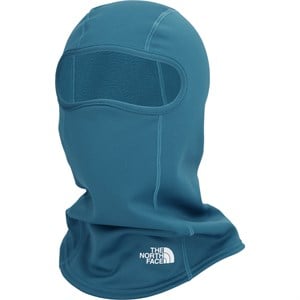
- Material: 93% recycled polyester / 7% elastane fleece
- Comfort: Brushed fleece back for next-to-skin softness
- Fit: Under-helmet fit, low-profile
- Feature: Heat transfer logo, durable construction
The North Face Freedom fleece balaclava is an uncomplicated insulation piece for cold, wet days when you need dependable warmth. Brushed fleece interior makes exposed skin feel cozy and the elastane blend gives just enough stretch to prevent bunching under helmets. Built with recycled content, it’s a solid option for riders who want a warm, responsibly made midlayer that won’t fail on long, cold days.
It’s best used as a mid- to cold-weather piece rather than a high-output ventilation layer. Breathability is reasonable for a fleece, but during steep climbs you’ll notice more heat buildup than with thinner, more technical fabrics. For downhill-focused days, cold commutes, or when you simply want reliable warmth without fuss, the Freedom delivers a comfortable, durable option that’s easy to wear and maintain.
- Pros: Very warm, comfortable fleece feel
- Cons: Less breathable during high-output activities
See the The North Face Freedom
7. Smartwool Merino 250
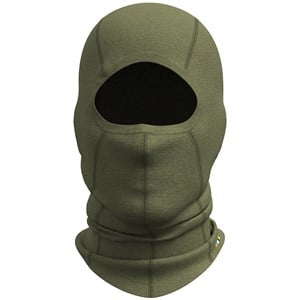
- Material: 100% Merino wool, NTS Mid 250 interlock
- Thermal: Heavier baselayer fabric for cold days
- Construction: Single-layer interlock knit
- Fit: One size fits most; good peripheral vision
The Smartwool Merino 250 balaclava uses natural fibers to deliver warmth, breathability, and odor control in one package. The midweight NTS 250 interlock provides insulation without clammy buildup and feels naturally soft against skin. Merino’s moisture management excels during sustained aerobic efforts, meaning you can ascend comfortably without the fabric getting damp and cold.
Its single-layer construction keeps bulk down so it layers cleanly under helmets and goggles, and the merino fiber’s odor resistance is a big plus on multi-day trips. The Merino 250 is pricier than synthetic alternatives and requires gentler washing, but for alpine missions or multi-hour winter travel where temperature regulation and comfort matter, it’s a premium, naturally performing choice that rewards proper care.
- Pros: Natural warmth, excellent moisture control
- Cons: Higher price; needs gentler washing
8. The North Face Base
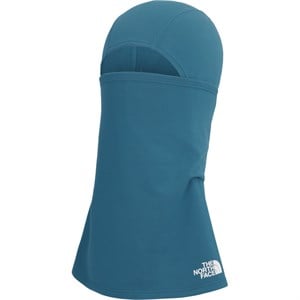
- Material: 88% recycled polyester / 12% elastane with FLASHDRY™
- Design: Hinged construction for adjustability
- Protection: UPF 40+ on covered areas; double-layer front
- Fit: Helmet and goggle compatible; reflective logo
The North Face Base Balaclava pairs FLASHDRY™ moisture control with a hinged construction to create a highly adaptable face layer. The hinged design makes switching between full-coverage and a neck gaiter quick and simple, which is useful on variable days when climbs and descents alternate frequently. Double-layering across the front adds protection where you need it most without turning the whole piece into a heavy insulation block.
It breathes well on climbs yet provides enough coverage for chilly descents, making it a reliable all-rounder for backcountry tours and resort laps. The recycled fabric and helmet-friendly fit are welcome practical touches, and the reflective logo adds a small safety benefit for low-light commutes. If you want a moisture-managing, adjustable face layer that performs across a wide range of mountain conditions, the Base is a sensible pick.
- Pros: Adjustable hinged fit, good moisture control
- Cons: UPF only on covered parts; may feel thin for deep cold
9. BlackStrap The Team Hood
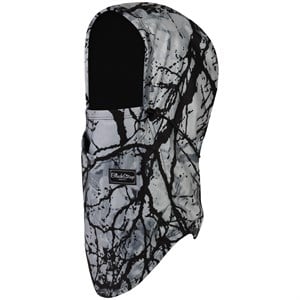
- Material: TREO performance knit with Dri-Flo
- Warmth: Full 360° PERFA wind-rated dual layer lining
- Fit: Over-or-under-helmet compatible; ergonomic
- Protection: UPF 50+ and odor-resistant finish
The Team Hood brings together sun protection, wind resistance, and breathable performance for riders who need a dependable all-day hood. TREO knit and Dri-Flo wick moisture while the PERFA lining adds wind-blocking where you want it. The UPF 50+ and odor-resistant finish are particularly useful on longer, exposed outings where sun and repeated wear become factors.
Sporty in appearance and practical in use, the hood fits comfortably over or under helmets and stays in place during movement. It’s especially appealing for multi-day sessions and team outings where consistent comfort and low odor are priorities. If you want a durable, versatile hood that handles sweat, sun, and wind without fuss, the Team Hood is a strong, well-rounded choice.
- Pros: Versatile fit, great UV and wind protection
- Cons: Can be warm in mild conditions
See the BlackStrap The Team Hood
10. Arc’teryx Rho
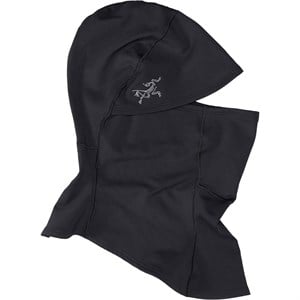
- Material: Torrent™ (84% polyester / 16% elastane)
- Design: Hinged construction; low-profile helmet compatible
- Cert: bluesign approved materials
- Construction: Flatlock seams and Polygiene® odor control
The Arc’teryx Rho is a technically minded balaclava that combines a brushed microfleece feel with a minimalist, performance-first construction. Torrent™ fabric breathes well during climbs and still traps warmth on descents, while flatlock seams reduce irritation under helmets. The hinged design lets you move quickly between neck gaiter and full-coverage positions, which is handy during changing exertion levels or when you want quick ventilation.
Arc’teryx’s focus on durable, responsibly sourced materials shows through in the Rho’s fit and finish. It won’t overheat easily during sustained efforts and still offers enough protection on cold descents. The Rho is pricier than basic options, but for backcountry skiers and alpine climbers who value technical fabric performance, low-bulk fit, and long-term durability, it’s a premium, well-executed choice.
- Pros: Technical fabric, excellent fit under helmets
- Cons: Pricier than basic options
How to Choose Snowboard Masks & Balaclavas
When it comes to snowboarding, protecting your face and neck from cold winds, snow, and sun is just as important as keeping your body warm. A good snowboard mask or balaclava not only shields your skin from harsh weather but also helps regulate temperature and prevent frostbite. With countless styles and materials on the market, choosing the right one can be tricky. This guide breaks down everything you need to know about selecting the best snowboard masks and balaclavas for your next ride.
Understanding the Purpose of Snowboard Masks and Balaclavas
Snowboard masks and balaclavas are designed to protect your face, neck, and sometimes your head from the cold, wind, and sun exposure. They also help keep you dry and comfortable when you’re riding through snow or facing harsh mountain conditions. In extreme cold, these accessories can be the difference between a fun session and an early trip back to the lodge.
Balaclavas generally cover the entire head and neck, leaving openings for the eyes, nose, and mouth. Masks, on the other hand, may only cover the lower part of the face. Both types can be worn under helmets or goggles for added protection and comfort.
Types of Snowboard Masks and Balaclavas
Full Balaclavas
Full balaclavas offer maximum coverage, wrapping around the entire head, neck, and face. They’re ideal for extremely cold conditions and are often used at higher altitudes. Many come with adjustable openings or flexible fabrics that allow you to pull them down when you need ventilation.
Half Masks
Half masks, or face masks, cover just the lower face — typically from the nose down to the chin. They’re great for riders who prefer to wear a beanie or helmet without extra bulk around the head. These masks are easy to remove or adjust, making them ideal for milder weather conditions.
Neck Warmers and Gaiters
Neck gaiters provide coverage for the neck and can be pulled up over the mouth or nose when needed. They’re versatile and lightweight, perfect for layering. Many snowboarders pair them with goggles and helmets for flexible protection that doesn’t restrict movement.
Convertible Designs
Some masks and balaclavas are designed to be multi-functional. They can transform from a full balaclava into a half mask, neck gaiter, or even a beanie. These designs are perfect for changing weather conditions and riders who like versatility.
Choosing the Right Material
Fleece
Fleece is a popular material for snowboard masks because it’s warm, soft, and insulating. It provides excellent comfort in freezing conditions but may be too warm for spring snowboarding or high-intensity riding.
Merino Wool
Merino wool is a natural fiber known for its warmth, breathability, and moisture-wicking ability. It’s also odor-resistant, making it a great choice for long days on the slopes. Merino wool balaclavas strike an excellent balance between comfort and performance.
Synthetic Fabrics
Polyester, spandex, and nylon blends are commonly used for snowboard masks because they offer stretch, durability, and quick-drying properties. These materials are ideal for layering under helmets and goggles without feeling bulky.
Windproof and Waterproof Materials
For extreme weather conditions, consider masks made with windproof or waterproof panels. These help block icy gusts and prevent moisture from soaking through, keeping your face dry and warm even during blizzards.
Fit and Comfort
A good fit is essential when choosing a snowboard mask or balaclava. It should fit snugly without feeling tight or restricting movement. Look for stretchy materials that conform to your face and neck shape. Avoid designs with seams that might cause pressure points under your helmet or goggles.
Many modern masks come with ergonomic panels, flatlock seams, and laser-cut ventilation holes for enhanced comfort. These features help reduce irritation and make breathing easier while preventing your goggles from fogging up.
Breathability and Ventilation
Breathability is one of the most important factors to consider, especially during intense riding sessions. Masks that trap moisture can quickly become uncomfortable and lead to condensation inside your goggles. Choose designs with mesh panels around the mouth and nose area for easy airflow.
Some high-performance balaclavas also incorporate moisture-wicking liners that draw sweat away from your skin, helping you stay dry and warm throughout the day.
Compatibility with Helmets and Goggles
Since most snowboarders wear helmets and goggles, make sure your mask or balaclava works well with both. The material should fit comfortably under your helmet without bunching up, and it shouldn’t interfere with the seal of your goggles.
Thin, stretchy materials like polyester or merino wool work best for layering. If you use a full balaclava, ensure that it allows easy adjustment so you can move the mouthpiece down when not needed.
Weather Conditions and Riding Style
Cold and Windy Conditions
In freezing temperatures or high-altitude environments, opt for full-coverage balaclavas made of fleece, merino wool, or windproof materials. These provide superior insulation and block wind effectively.
Mild or Spring Conditions
For warmer weather, a lightweight synthetic mask or neck gaiter will do the trick. Look for breathable materials that prevent overheating while still offering UV protection from the sun’s rays.
Freestyle and Park Riding
Freestyle riders who spend time in the park may prefer lighter, more flexible masks that don’t restrict movement or airflow. Half masks and neck gaiters are popular choices since they’re easy to pull down when you need more ventilation.
Moisture Management and Odor Control
Since snowboarding is a high-intensity sport, sweat and moisture management are key. Choose fabrics with good moisture-wicking properties to keep your skin dry. Synthetic blends and merino wool excel at pulling sweat away from the body while maintaining warmth.
Odor control is another consideration, especially if you’re wearing the same gear for multiple days. Merino wool naturally resists odor buildup, while some synthetic options come with antimicrobial treatments to keep them fresh longer.
Design and Aesthetic Preferences
While function should always come first, style matters too. Snowboard masks come in a range of colors, patterns, and prints to match your outfit or express your personality. Reflective accents can add visibility in low-light conditions, while minimalist designs work well for those who prefer a clean look.
Some brands also offer masks with adjustable features such as drawcords or removable panels, allowing you to customize coverage and comfort throughout the day.
Durability and Maintenance
Look for masks made from durable fabrics that can withstand frequent washing and exposure to snow, sweat, and sun. Reinforced stitching and high-quality elastic materials ensure long-term use. Always follow the manufacturer’s care instructions to maintain performance and extend the life of your gear.
Final Tips for Choosing the Right Snowboard Mask or Balaclava
When choosing a snowboard mask or balaclava, prioritize fit, breathability, and material quality. Make sure it complements your helmet and goggles, and choose the level of coverage based on the weather conditions you typically ride in. For all-around performance, consider a merino wool or moisture-wicking synthetic option that offers both warmth and ventilation.