
Best Snowboarding Hydration Packs of 2025
Staying hydrated is just as important as having the right gear when you’re out on the slopes. The best snowboarding hydration packs make it easy to carry water, snacks, and essentials without slowing you down. They’re designed to handle cold weather, prevent water from freezing, and stay comfortable while you ride. Whether you’re carving through powder or exploring backcountry trails, a good hydration pack keeps you fueled and ready for more runs. In this guide, we’ll explore the top hydration packs for snowboarders this season.
1. CamelBak Powderhound 12

- Gear Capacity: 12 liters
- Liquid Capacity: 2 liters (68 fl. oz.)
- Weight: 1 lb. 2.2 oz.
- Ski/Snowboard Carry: Yes (Diagonal/Vertical)
The CamelBak Powderhound 12 is a purpose-built snow pack designed for dedicated riders who need a balance of hydration, storage, and on-mountain convenience. Its 12-liter capacity is the sweet spot for carrying an extra layer, snacks, and essential safety gear without feeling bulky. The pack is loaded with winter-specific features, including a Snowshed back panel that prevents snow from sticking and a Therminator harness that zips the drinking tube into an insulated sleeve, effectively stopping your water supply from freezing on cold days. It also includes specialized storage compartments designed to hold avalanche safety equipment, making it a viable option for accessible backcountry adventures. The entire pack is constructed with Snow Shield material to keep your gear dry and protected from the elements.
One of the standout features is the Lift Access QR harness. This clever design allows you to easily swing the pack around to your front while on the chairlift, giving you quick access to your pockets or the main compartment without having to take the pack off completely. For those who earn their turns, external straps provide a secure system for carrying a snowboard vertically or skis diagonally. The included 2-liter Crux reservoir is easy to fill and features a leak-proof on/off lever. With a removable stability belt and an adjustable sternum strap, the Powderhound 12 provides a secure, customized fit for a full day of riding.
- Pros: Insulated hydration tube, dedicated avalanche gear storage, convenient lift-access harness, external board/ski carry.
- Cons: Frameless design may not be ideal for very heavy loads, might be too large for minimalists.
See the CamelBak Powderhound 12
2. N NEVO RHINO Backpack

- Liquid Capacity: 1.5 liters
- Weight: 5 oz. (140g)
- Material: Highly elastic perforated fabric
- Pockets: Two front elastic pockets, zippered phone pocket
While primarily designed as a running vest, the N NEVO RHINO offers an intriguing option for the minimalist snowboarder or cross-country skier who values lightweight freedom above all else. Tipping the scales at a mere 5 ounces, this pack is virtually unnoticeable on your back. It’s constructed from a highly elastic and perforated fabric that prioritizes breathability and a snug, body-hugging fit, eliminating the bounce and sway common with traditional backpacks during dynamic movements. The adjustable chest and waist webbing ensure it can be cinched down for a secure fit on a wide range of body types, preventing any chafing or shifting as you ride. The focus here is on unrestricted mobility and core temperature regulation.
The hydration system includes a 1.5-liter leakproof bladder housed in a dedicated compartment. A key advantage of the vest design is the front-facing storage. Two large elastic pockets are perfectly positioned to hold soft flasks, gloves, or snacks, while a secure zipper pocket keeps your phone accessible for quick photos on the lift. While it lacks snow-specific features like an insulated hydration tube, its low-profile design allows it to be worn under a shell jacket in colder weather to prevent freezing. For spring riding or high-exertion activities, its supreme breathability and accessibility make it a comfortable and practical choice.
- Pros: Extremely lightweight and breathable, secure and bounce-free fit, accessible front pockets for phone and flasks.
- Cons: No insulated hydration tube, limited gear capacity, fabric may not be as durable as dedicated snow packs.
3. CamelBak Zoid Snow

- Gear Capacity: 1 liter
- Liquid Capacity: 2 liters (70 fl. oz.)
- Weight: 1 lb. 2 oz.
- Key Feature: Lift Access QR Harness
The CamelBak Zoid Snow is the perfect solution for resort riders who want to stay hydrated without the bulk of a traditional backpack. Its ultra-slim, low-profile design is engineered to be completely unobtrusive, allowing you to ride the chairlift without needing to take it off or feel like you’re being pushed forward. With just one liter of gear capacity, it’s strictly for the essentials: a phone, wallet, keys, and maybe a small snack fit comfortably in the secure zippered pocket. The primary focus of the Zoid is its efficient 2-liter Crux reservoir, which provides ample water for a full day of lapping the lifts. It incorporates CamelBak’s best snow technology to ensure your water keeps flowing even when the temperature drops.
Like its larger siblings, the Zoid features a Therminator harness with an insulated sleeve to protect the drinking tube from freezing, while the Snowshed back panel material prevents snow from caking on. The Lift Access QR Harness adds a layer of convenience, letting you swing the pack to your front to easily grab your phone or wallet. It’s an ideal choice for snowboarders who typically ride with their pockets full but are tired of carrying a clunky water bottle or paying resort prices for drinks. The Zoid delivers pure, streamlined hydration, letting you stay out on the slopes longer without ever weighing you down.
- Pros: Very slim and lift-friendly, insulated hydration tube, lightweight and comfortable, convenient QR harness for access.
- Cons: Extremely limited gear capacity, no external carry options for gear.
4. MARCHWAY Tactical Molle Hydration Pack
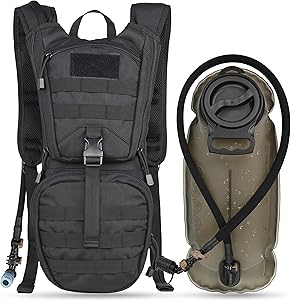
- Liquid Capacity: 3 liters
- Material: 1000 Denier water-repellent nylon
- Weight: N/A (Pack Only)
- Key Feature: MOLLE webbing system
For the snowboarder who prioritizes durability and capacity over anything else, the MARCHWAY Tactical Molle Hydration Pack is a formidable choice. Constructed from heavy-duty 1000 Denier nylon, this pack is built to withstand serious abuse, from sharp snowboard edges to rough backcountry terrain. Its main selling point is the massive 3-liter (100 oz) BPA-free bladder, which holds more water than most dedicated snow packs, making it ideal for long, strenuous days or backcountry tours where refills aren’t an option. The ergonomic design features adjustable shoulder, chest, and waist straps to cinch the load down and minimize bounce, while the foam-padded shoulder straps and air mesh back panel provide comfort and ventilation.
While it lacks a thermally insulated drinking tube, its ruggedness is complemented by practical storage. Beyond the main compartment, two external pockets offer organized space for tools, snacks, and personal items. The defining feature is the military-style MOLLE webbing system covering the exterior, which allows for near-limitless customization. You can easily attach extra pouches, gear clips, or straps to carry anything you need. This versatility makes it a strong contender for backcountry riders or anyone who is exceptionally hard on their gear and needs a pack that is guaranteed to last season after season, even if it means sacrificing some snow-specific luxuries.
- Pros: Extremely durable 1000D nylon construction, large 3L water capacity, MOLLE system for modular expansion.
- Cons: Not snow-specific (lacks an insulated hose), heavier than nylon sport packs, tactical aesthetic may not appeal to all riders.
See the MARCHWAY Tactical Molle Hydration Pack
5. CamelBak SnoBlast

- Gear Capacity: 20 liters
- Liquid Capacity: 2 liters (68 fl. oz.)
- Weight: 2 lbs. 4 oz.
- Ski/Snowboard Carry: Yes (A-frame for skis)
The CamelBak SnoBlast is the ultimate pack for snowboarders who believe in being prepared for a full day on the mountain, from the first chair to the last. With a massive 20-liter gear capacity, this pack has more than enough room for extra layers, a full lunch, goggles, gloves, and a helmet. An innovative expansion panel can be unzipped to provide even more storage when needed. The pack is engineered for accessibility, featuring a unique 3-zipper design that allows the side of the pack to open up, giving you immediate access to gear buried at the bottom. This eliminates the frustrating need to empty your entire bag to find one small item, a huge convenience on the slopes.
Of course, the SnoBlast includes all of CamelBak’s signature winter features. The 2-liter Crux reservoir is protected by a Therminator harness, which insulates the drinking tube to prevent freezing. The pack’s exterior uses water-repellent Snow Shield material and a Snowshed back panel that keeps snow from sticking. For riders who venture off-piste, external straps allow for an A-frame ski carry. Despite its large capacity, cargo compression straps and the Lift Access QR Harness ensure a secure, comfortable fit that is still manageable on the chairlift. It’s the perfect choice for the all-day resort rider, instructor, or parent who carries gear for the whole crew.
- Pros: Huge and expandable gear capacity, insulated hydration system, excellent access with 3-zipper design, lift-friendly harness.
- Cons: Heaviest pack on this list, may be too large for casual use, description only specifies A-frame ski carry.
6. Unigear Hydration Pack
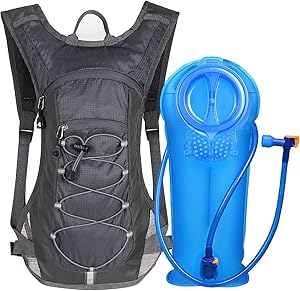
- Liquid Capacity: 2 liters (70 fl. oz.)
- Weight: 1.1 lbs (with bladder)
- Fit: Adjustable for chest sizes 27″ to 50″
- Material: Splash-resistant nylon
The Unigear Hydration Pack presents a lightweight, versatile, and budget-friendly option for casual snowboarders or for those riding in milder spring conditions. While not a dedicated snow pack, its highly adjustable design makes it a standout choice for fit and comfort. With adjustable shoulder, chest, and waist straps, it can be tailored to fit a wide spectrum of body sizes, from teenagers to adults, ensuring a snug, bounce-free experience during active riding. Weighing just over a pound with the included 2-liter bladder, its compact and aerodynamic profile is designed to reduce load and minimize drag, allowing for comfortable, unrestricted movement on the slopes. The exterior is made of a splash-resistant nylon that can handle light snow and moisture.
The pack comes complete with a 70-ounce BPA-free bladder, which is ample for a day of resort riding. The screw cap is wide enough to add ice cubes, a nice feature for warmer days. Storage is minimal, with a small front pocket designed to hold just the essentials like keys, a wallet, or a couple of energy bars. While it lacks critical cold-weather features such as an insulated hydration tube, its low price point and excellent adjustability make it a compelling choice for beginners, occasional riders, or anyone looking for a simple hydration solution for fair-weather days without investing in specialized, expensive gear. It’s a solid multi-sport pack that can easily pull double duty on the mountain.
- Pros: Highly adjustable to fit a wide range of body types, very affordable, lightweight and compact design.
- Cons: No insulation for the drinking tube, very limited gear storage, material is not as robust as premium snow packs.
See the Unigear Hydration Pack
7. CamelBak Bootlegger

- Gear Capacity: 0 liters
- Liquid Capacity: 1.5 liters (50 fl. oz.)
- Weight: 8.4 ounces
- Key Feature: Designed to be worn under a jacket
For the absolute minimalist who wants nothing more than water on the slopes, the CamelBak Bootlegger is the ultimate stealth solution. This pack is designed with a single purpose: to provide hydration in the slimmest, most unobtrusive package possible. With zero gear capacity, its entire design is focused around the 1.5-liter Crux reservoir. The key feature is its incredibly low-profile shape, which is specifically engineered to be worn comfortably underneath your ski or snowboard jacket. This provides the best possible defense against your water freezing, as it uses your own body heat as a constant source of insulation. Weighing a mere 8.4 ounces, you will genuinely forget you are even wearing it.
Despite its simplicity, the Bootlegger is thoughtfully designed for on-snow performance. The reservoir compartment, tube, and bite valve are all insulated to further protect your water supply from the cold during the brief moments it’s exposed to the elements. To ensure a secure, bounce-free fit that doesn’t shift as you ride, it features dual-adjustable sternum straps for a customized and stable carry. Dual tube traps keep the hose and bite valve exactly where you want them between sips. The Bootlegger is the perfect choice for the rider who carries their phone and wallet in their pockets and wants a completely unencumbered hydration system that is fully integrated and protected from the winter cold.
- Pros: Extremely low-profile and lightweight, can be worn under a jacket for maximum freeze protection, fully insulated system.
- Cons: Absolutely no gear storage, smaller 1.5L water capacity.
8. Gregory Nano 18 H2O

- Gear Capacity: 18 liters
- Liquid Capacity: 3 liters (101 fl. oz.)
- Weight: 1 lb. 2.9 oz.
- Back Panel: Perforated foam for ventilation
The Gregory Nano 18 H2O is a versatile daypack that, while designed for hiking, has the capacity and features to be an excellent choice for snowboarding. Its main advantage is the generous storage and hydration capabilities. The pack offers a spacious 18 liters of gear capacity, easily accommodating extra layers, lunch, and other essentials for a long day. It comes equipped with a high-quality 3-liter Hydro reservoir, the largest on this list, ensuring you won’t run dry. The reservoir is housed in its own dedicated zippered compartment, separating it from the rest of your gear and making refills simple. A perforated foam back panel promotes airflow, keeping your back cooler during strenuous runs or side-country hikes.
The pack is designed for comfort, with padded shoulder straps and a magnetic sternum buckle that’s easy to operate with gloves on. Storage is well-organized with a top zippered pocket for valuables, a side stash pocket, and a mesh side pocket for additional items. Gregory has also focused on sustainability, using recycled materials to reduce the pack’s carbon footprint. The primary drawback for cold-weather use is the lack of an insulated hydration tube, which could lead to freezing. However, for spring snowboarding or for riders willing to purchase an aftermarket insulation sleeve, the Nano 18 offers outstanding capacity, comfort, and all-around utility that extends far beyond the ski resort.
- Pros: Large gear and water capacity, dedicated hydration compartment, comfortable and breathable back panel, made with recycled materials.
- Cons: No insulated hydration hose, lacks a built-in ski/snowboard carry system, webbing hipbelt offers minimal support.
Choosing Snowboarding Hydration Packs: Stay Refreshed on the Slopes

Staying properly hydrated is crucial for any athletic endeavor, and snowboarding is no exception. The cold, dry air and physical exertion can lead to significant fluid loss, often unnoticed until fatigue sets in. A snowboarding hydration pack is an essential piece of gear that allows you to carry water conveniently and drink hands-free without stopping, ensuring you maintain peak performance and enjoy your day on the mountain.
Choosing the right hydration pack, however, involves more than just picking a stylish backpack with a water bladder. Factors like capacity, features designed for cold weather, fit, and overall construction are all vital considerations. This comprehensive guide will walk you through the key aspects of selecting the perfect hydration pack for your snowboarding adventures, helping you make an informed decision that enhances your time on the snow.
Capacity and Water Volume
The first decision you’ll face is determining the appropriate capacity for your needs. Hydration packs are measured both by the volume of the water bladder (the reservoir) and the overall storage volume of the backpack itself.
Reservoir Size: How Much Water Do You Need?
Snowboarding typically requires a hydration reservoir of 1.5 to 3 liters. The ideal size depends on the length of your typical session and your personal hydration rate:
- 1.5 – 2 Liters: Ideal for half-day sessions, quick trips, or for riders who plan to frequent lodges for refills. This size is lighter and more compact.
- 2 – 3 Liters: Best for full-day excursions, backcountry riding where refills are scarce, or for those who naturally drink a lot of water. This offers maximum peace of mind but adds weight.
Remember that you can always fill a larger bladder partially, but you can’t add water to a full one. Err slightly on the side of caution, especially for longer days or when riding in spring conditions where the sun is intense.
Storage Volume: Carrying Your Essentials
The backpack component of the hydration pack offers storage space for non-water essentials like snacks, extra layers, tools, and personal items. Volume is usually measured in liters and falls into a few categories:
- Minimalist (5-10 Liters): Just enough space for the reservoir, a light snack, and perhaps a small tool or phone. Best for resort riding where you don’t need much gear.
- Day Packs (10-20 Liters): The most popular choice, offering enough room for an extra mid-layer, lunch, goggles, and safety gear like a shovel and probe (if venturing into the sidecountry or backcountry).
- Overnight/Technical (20+ Liters): Reserved for serious backcountry touring or overnight trips, offering significant storage for ropes, extensive safety gear, and supplies. Most resort riders won’t need this size.
Cold Weather Features and Insulation
One of the biggest challenges with using a hydration pack while snowboarding is preventing the water from freezing, especially in the hose and bite valve. Packs designed specifically for snow sports incorporate features to combat this.
Insulated Reservoirs and Hoses
Look for packs with an insulated reservoir sleeve (the pocket where the bladder sits) and, most importantly, an insulated drinking tube or hose. The insulation sleeve helps prevent the main body of water from chilling too quickly, while the insulated tube prevents the small volume of water inside the hose from freezing solid, which would render the pack useless.
Bite Valve Protection
The bite valve is the most vulnerable point for freezing. Many winter-specific packs feature a neoprene cover or sleeve that zips over the bite valve when not in use. Additionally, a crucial user tip is to blow the water back into the reservoir after each sip. This clears the hose and bite valve, keeping them dry and preventing ice formation.
Fit, Comfort, and Snowboarding Specific Design
A hydration pack needs to feel like an extension of your body, not a hindrance, especially when you’re carving hard or navigating challenging terrain. A good fit is essential for comfort and safety.
Straps and Adjustability
Look for adjustable shoulder straps and a sternum strap (chest strap) to distribute weight evenly and keep the pack stable. A waist belt or hip belt is critical for snowboarding, as it prevents the pack from shifting or bouncing as you move, jump, or fall. The pack should sit high and tight on your back, allowing for full range of motion.
Snowboard-Specific Features
Packs designed for snow sports often include features tailored for riders:
- Back Panel: A firm, well-padded back panel provides structure, prevents lumpy contents from poking you, and helps with moisture management. Some packs feature a ventilated back to prevent sweat buildup.
- Board Carry System: A significant feature for backcountry riders or those who hike up slopes (skinning or splitboarding). This system typically involves diagonal or vertical straps that securely hold your snowboard when you’re walking.
- Tool/Safety Pockets: Dedicated, easy-access pockets for essential avalanche safety gear like a shovel handle, shovel blade, and probe are non-negotiable for anyone leaving the resort boundary.
- Goggle Pocket: A fleece-lined pocket is ideal for storing spare goggles or sunglasses, protecting them from scratches.
- External Straps: Useful for securing a helmet or jacket when you’re not using them.
- Glove-Friendly Zippers: Larger loops or easy-to-grab tabs on zippers allow you to open compartments without removing your gloves.
Reservoir Quality and Maintenance
The heart of the hydration pack is the bladder itself. Quality, taste, and ease of cleaning are paramount for a good experience.
Material and Taste
Most modern reservoirs are made from BPA-free polyethylene or TPU (thermoplastic polyurethane). Reputable brands treat their bladders to resist bacteria and mold growth, and they often use materials that minimize the “plastic taste” in your water. It’s always a good idea to thoroughly wash a new reservoir before the first use.
Opening and Cleaning
Cleaning and drying are the most cumbersome parts of hydration pack ownership, yet they’re essential for hygiene. Look for bladders with a wide-mouth opening (like a slide-lock top or a large screw cap). This makes filling easy, allows you to add ice cubes, and most importantly, makes cleaning and drying the interior much simpler. A dry reservoir is a healthy reservoir—mold and mildew thrive in residual moisture.
Quick-Release Hose
A quick-release mechanism allows you to detach the drinking tube from the reservoir without water leaking out. This is a highly convenient feature for refilling the bladder without having to thread the entire hose through the backpack every time.
Durability and Materials
Snowboarding gear takes a beating, so your hydration pack needs to be tough. Look for packs made from high-denier nylon or polyester, typically 420D (denier) or higher. These materials are highly abrasion-resistant and durable against falls, scrapes on tree branches, and being tossed around in the snow.
Also, consider the water resistance. While no pack is perfectly waterproof, a highly water-resistant shell is important for keeping your gear dry during heavy snowfall or on a wet, slushy day. Water-resistant zippers further help keep moisture out of the main compartments.
Conclusion
Selecting the right snowboarding hydration pack is an investment in your comfort, safety, and performance. By prioritizing a suitable water capacity, specialized cold-weather features like hose insulation, a proper fit that stays stable during dynamic riding, and durable construction, you’ll find a pack that serves you reliably season after season. With your chosen pack securely on your back, you’ll be able to stay hydrated effortlessly, allowing you to focus on carving those perfect turns and enjoying the mountain to the fullest.