Best Thin Ski Socks of 2027
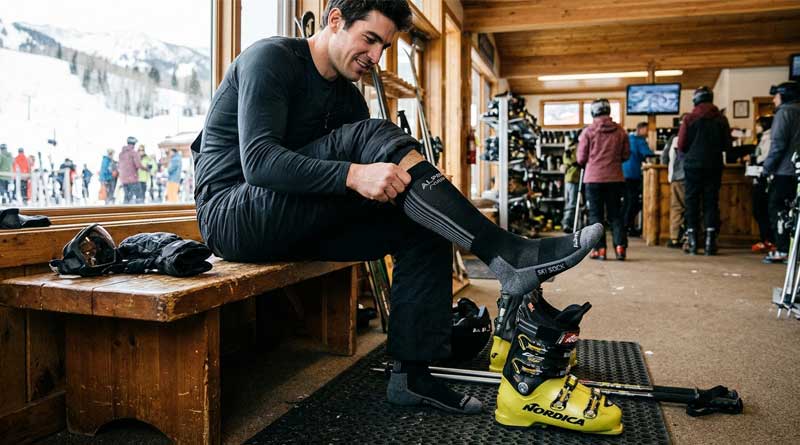
Thin ski socks give you a close boot fit, better feel for your edges, and less pressure on your shins and toes. They also leave room for warmth to come from the boot liner rather than bulky padding, which helps many skiers avoid cold, cramped feet. Merino blends, moisture wicking fabrics, and smart zone knitting make slim socks comfortable all day. In this guide, we reviewed ten options, compared their features, and added a buying guide to help you choose.
1. Smartwool Ski Zero Cushion

- Material: Merino wool blend with stretch fibers
- Cushion: Zero cushion, ultra-thin build
- Height: Over-the-calf
- Best for: Performance and race-style boots
The Smartwool Ski Zero Cushion is made for skiers who want the thinnest possible layer between foot and boot. With no padding under the foot, it keeps volume low, which suits snug performance boots and lets you feel every small movement of your ski. The merino wool blend regulates temperature well and resists odor, so the socks stay fresh through a full day on the hill, even when conditions change from sunny runs to windy lifts.
The over-the-calf cut prevents bunching at the top of the boot and reduces pressure on the shin. Because there is no cushioning, it is not the best option if you want extra shock absorption or tend to have cold feet, but it pairs well with well-insulated liners. The listing offers few details, so check the size chart before ordering. Overall, it is a refined, no-frills choice for precision-focused skiers who value feel over softness.
Pros:
- Very thin for precise boot feel
- Merino comfort and odor control
- Over-the-calf length stays smooth
Cons:
- No padding for shock absorption
- Limited product details
- May feel cool on bitter days
2. Pure Athlete Ultra Light

- Material: 38% nylon, 33% merino wool, 23% acrylic, 4% spandex, 2% Lycra
- Knit: Dense 200-needle construction
- Cuff: Elastic top keeps socks in place
- Ventilation: Mesh zones on top of the foot
Pure Athlete clearly states that these socks are ultra-thin, which is exactly what thin sock fans want. The 200-needle knit packs fibers tightly, so the sock feels dense and warm yet remains light inside the boot. The merino content helps manage temperature, while nylon and spandex add durability and a snug, wrinkle-free fit that avoids pressure points around the toes and ankle.
Small mesh panels over the top of the foot release excess heat and moisture, which helps prevent clamminess during fast descents or spring skiing. The elastic cuff holds the sock in place all day, so you will not be pulling it up between runs. The main drawback is warmth, since very cold days or poor circulation may call for a thicker option. For skiers with well-fitted boots and warm liners, these are a standout lightweight pick.
Pros:
- Truly ultra-thin profile
- Breathable mesh venting
- Stays up without slipping
Cons:
- Less warm in extreme cold
- Contains acrylic and synthetic fibers
- Minimal cushioning
3. Anlisim Merino Wool

- Material: 70% merino wool, 23% polyester, 5% spandex, 2% nylon
- Pack: 3 pairs per order
- Sizes: Medium (men 6-8.5) and Large (men 8.5-12)
- Support: Compression cuff and arch support
Anlisim offers a high merino content at a pack price, which makes it appealing for skiers who want to stock up. The listing mentions full cushioning, so these are not ultra-thin, but the knit is far less bulky than heavy terry socks and suits skiers who want a balance of slim fit and comfort. The 70 percent merino blend offers good warmth, softness, and natural odor control.
The wide compression zone at the cuff and the arch support help the sock stay put and reduce foot fatigue over long days. Ventilation fabric releases heat, so feet stay reasonably dry during active skiing. Sizing is limited to two options, so check your boot size carefully, because a loose sock can wrinkle and cause blisters. For the price of three pairs, this is an easy value pick for recreational skiers and snowboarders.
Pros:
- Three pairs for good value
- High merino content
- Comfortable compression support
Cons:
- Cushioned, not ultra-thin
- Only two size options
- Polyester content is notable
4. SB SOX Merino Ski Socks

- Material: Merino wool blend
- Length: Knee-high calf coverage
- Reinforcement: Heel and toe areas
- Sizes: Small, Medium, and Large by US shoe size
SB SOX delivers a straightforward merino blend sock that focuses on softness, warmth, and everyday durability. The knit is lightweight and breathable, which keeps bulk down inside the boot while still offering a cozy feel against the skin. Merino wool naturally wicks moisture and resists odor, so these socks stay fresh even after several long days on the slopes or on the trail.
Reinforced heel and toe areas add durability where ski boots create the most wear, and the knee-high cut gives full calf coverage to prevent cold spots and sliding. The size guide is clear and includes women and men ranges, which makes finding the right fit easier. The product listing does not give exact fiber percentages, so you may want to read the label on arrival. These socks are a dependable, moderately priced option for skiers who want comfort without extra thickness.
Pros:
- Soft, lightweight merino feel
- Reinforced heel and toe
- Clear three-size chart
Cons:
- Fiber percentages not listed
- Limited cushioning detail
- Not a race-level thin sock
5. Hylaea Knee High

- Material: Merino wool with Thermolite fibers
- Padding: Terry loops at forefoot, heel, and toe, plus shin cushion
- Support: Elastic arch band with moderate compression
- Sizes: Medium, Large, and X-Large, including youth range
Hylaea combines Thermolite technology with merino wool to create a warm, moisture-managing sock for cold days. It is thicker than a true thin sock because of the terry loops under the foot and the padded shin area, so it suits skiers who want comfort over a barely-there feel. The blend moves sweat away quickly and helps keep odor under control.
The targeted padding reduces friction and cushions the front of the shin, where boot tongues often cause soreness. The elastic arch band holds the sock firmly in place, and the moderate compression helps prevent sliding. The wide size range, including youth sizing, is a useful bonus for families. If you want a slimmer fit, consider sizing carefully so the sock does not crowd your boot. This is a versatile choice for skiing, hiking, and other cold-weather activities.
Pros:
- Targeted shin and foot padding
- Wide size range including youth
- Good moisture management
Cons:
- Thicker than ultra-thin socks
- Can feel tight in low-volume boots
- Less precise boot feel
6. CS CELERSPORT Wool

- Material: Premium wool-blend fabric
- Padding: Strategic shin and calf cushioning
- Sole: Cushioned bottom for durability
- Sizes: Medium, Large, and X-Large
CS CELERSPORT focuses on protecting your lower legs from the pressure of hard ski boot shells. The wool-blend fabric locks in warmth and helps prevent that damp, clammy feeling during long sessions. While it is not an ultra-thin design, the cushioning is placed only where it matters, which keeps the overall feel more manageable than fully padded socks.
The padded shin and calf areas reduce fatigue and bruising, a real benefit for skiers who push hard on firm snow. The cushioned sole adds durability and comfort, and the three-size range with an X-Large option helps larger feet find a proper fit. The listing does not specify fiber percentages, so expect a typical wool and synthetic mix. These socks also work well for hiking, hunting, and outdoor work, making them a flexible budget-friendly pick.
Pros:
- Targeted impact protection
- Good warmth and breathability
- Offers X-Large sizing
Cons:
- Not truly thin
- Exact blend not listed
- Padding may add boot pressure
7. Sandsuced Merino Wool

- Material: 70% merino wool, 23% polyester, 5% spandex, 2% nylon
- Pack: 3 pairs of knee-high socks
- Sizes: Medium (men 6-8.5) and Large (men 8.5-12)
- Design: Full cushioning with compression zones
Sandsuced offers a three-pair pack of knee-high merino socks with a fiber blend similar to other value packs. The high merino content gives dependable temperature regulation and moisture control, and the knit keeps feet fresh through long days. Full cushioning adds warmth and shock absorption, so these lean toward medium thickness rather than ultra-thin, but they remain manageable in most standard ski boots.
The reinforced heel helps prevent blisters, and the thickened toe is designed to avoid grinding. A wide compression zone provides arch and ankle support, which can ease fatigue and help skiers who feel strain in the Achilles area. The two-size system means some skiers will fall between sizes, so check the guide carefully. With three pairs included, these socks are also a practical gift for winter sports fans who want reliable everyday comfort.
Pros:
- Three pairs at a friendly price
- Arch and ankle compression
- Reinforced heel and toe
Cons:
- Full cushion adds bulk
- Only two size choices
- Not suited to racing boots
8. Cirorld Thermal Socks

- Material: High-content merino wool blend
- Toe: Seamless knit to reduce friction
- Length: Knee-high, 40.5 cm leg length
- Ventilation: Breathable mesh structure
Cirorld builds its socks around a seamless toe, a small detail that makes a big difference inside a tight ski boot. By removing the toe seam, the sock reduces rubbing and helps prevent blisters during long days. The high merino content adds warmth and softness, while the all-round cushion offers insulation and a snug feel without becoming overly heavy.
The mesh structure supports air circulation, so feet stay closer to a natural temperature, and the merino fibers wick sweat to keep skin dry. The tall knee-high cut covers most calves, and the elastic cuff helps hold the sock in place after hours of wear. Only Medium and Large sizes are offered, so skiers at the edges of the range should be careful. Outside the slopes, these socks also work well as bed socks or leg warmers.
Pros:
- Seamless toe reduces blisters
- Tall cut covers the calf
- Breathable and warm
Cons:
- Cushioned rather than thin
- Two sizes only
- Exact fiber blend not listed
9. Darn Tough Ski Socks

- Material: Merino wool blend construction
- Fit: Snug performance knit
- Guarantee: Lifetime guarantee from the brand
- Origin: Made in Vermont, USA
Darn Tough is a respected name in performance socks, and its merino-based designs are known for fit and longevity. The listing text provided for this product appears to be copied from another brand, so check the exact model details on the page before buying. The brand generally offers a snug, well-structured knit that stays smooth in the boot and avoids the loose wrinkles that cause hot spots.
The biggest selling point is durability. Darn Tough backs its socks with a lifetime guarantee, which makes the higher price easier to justify over many seasons. Merino wool handles moisture and odor well, so the socks stay comfortable through changing temperatures. If you want a thin feel, look for the lightweight or low-cushion version in the brand lineup, because cushion levels vary by model. For skiers who value long-term value and quality construction, this is a trusted choice.
Pros:
- Lifetime guarantee
- Durable, well-structured knit
- Merino comfort and odor control
Cons:
- Higher upfront price
- Cushion level varies by model
- Listing details are unclear
10. OutdoorMaster Thermolite

- Material: 30% merino wool with Thermolite and Lycra
- Construction: 3-layer yarn with terry loops
- Fit: Over-the-calf with non-slip cuff
- Toe: Seamless to reduce friction
OutdoorMaster uses hollow-core Thermolite fibers that trap an insulating layer of air, helping the sock stay warm while remaining lighter than ordinary fibers. The merino portion is 30 percent, so the sock leans on synthetics for loft and quick drying, with Lycra keeping the shape and stretch. The three-layer yarn design delivers good warmth without becoming heavy.
Terry loops cushion the sole, while compression zones around the foot, ankle, and calf help support the Achilles tendon and limit toe swelling. The over-the-calf fit and non-slip cuff keep the sock from sliding down, and the seamless toe makes the boot interior feel smooth. It is thicker than a racing sock, so it suits skiers who want comfort and warmth first. For cold days and long sessions, this is a capable, supportive option.
Pros:
- Warm hollow-core fibers
- Targeted compression support
- Non-slip over-the-calf cuff
Cons:
- Only 30% merino
- Terry loops add thickness
- May feel snug in tight boots
How to Choose Thin Ski Socks
Picking the right pair of thin ski socks is about balancing feel, warmth, and comfort. A good sock should disappear inside your boot, stay in place all day, and keep your feet dry. Use the points below to compare options and avoid common mistakes.
Why Thin Socks Work Better in Ski Boots
Ski boots are designed to fit snugly, and the liner already provides insulation. A thick sock adds volume, squeezes the foot, and can restrict blood flow, which often leads to colder feet rather than warmer ones. A thin sock keeps pressure even and lets you sense small shifts in your balance, so you can steer your skis with more control.
- Better boot feel and edge control
- Less pressure on toes, shins, and instep
- Improved circulation in snug boots
- Less bunching and fewer blisters
Check the Material First
Merino Wool
Merino is the favorite fiber for ski socks. It insulates even when slightly damp, controls odor, and feels soft on the skin. Look for a blend with at least 30 to 70 percent merino for a good balance of comfort and durability.
Synthetic Fibers
Nylon adds strength, polyester helps with fast drying, and spandex or Lycra gives stretch and shape retention. Thermolite hollow fibers add warmth without much weight. A well-made blend often performs better than pure wool, since it lasts longer and holds its fit.
| Fiber | Main Benefit | Watch Out For |
|---|---|---|
| Merino wool | Warmth, softness, odor control | Wears faster if used alone |
| Nylon | Durability and strength | Less warmth by itself |
| Polyester or acrylic | Quick drying | Can hold odor |
| Spandex or Lycra | Stretch and snug fit | Too much can feel tight |
| Thermolite | Light insulation | Often paired with less merino |
Understand Cushion Levels
Cushioning is the main difference between thin and thick socks. Manufacturers usually describe it as zero, light, medium, or full cushion. For a true thin feel, choose zero or light cushion.
| Cushion Level | Feel | Best For |
|---|---|---|
| Zero | Barely there, precise | Performance and race boots |
| Light | Slim with some comfort | All-mountain skiing |
| Medium | Balanced warmth and padding | Recreational skiers |
| Full | Soft and warm, bulkier | Roomy boots and cold days |
Get the Fit Right
A thin sock only works if it fits correctly. A sock that is too large will wrinkle and cause blisters, while one that is too small can pinch and slide down. Follow the size chart based on your shoe size, and remember that many brands use wide ranges.
- Pick the smaller size if you are between sizes and your boots are snug
- Look for a flat, seamless toe to prevent rubbing
- Choose an elastic arch band to hold the sock in place
- Make sure the heel pocket matches your heel shape
Choose the Right Height
Ski socks should be tall enough to rise above the top of your boot cuff. Over-the-calf socks are the most common because they prevent bunching and protect the shin from the boot shell. Knee-high socks work well for most skiers, while shorter socks can leave gaps and cause rubbing.
Look for Moisture Control and Breathability
Wet feet get cold quickly, so moisture control matters more than thickness. Choose socks that wick sweat away from the skin and dry fast. Mesh panels on the top of the foot release heat, and merino helps stay comfortable even when slightly damp.
Features to Look For
- Mesh ventilation zones
- Natural odor resistance from merino
- Quick-drying synthetic blends
Consider Compression and Support
Light compression around the arch, ankle, and calf helps keep the sock in place and can reduce fatigue. It may also support the Achilles area during forward-leaning skiing. Avoid very tight compression bands at the top of the sock, as they can restrict circulation and cause discomfort.
Think About Durability and Value
Reinforced heels and toes extend the life of a sock, especially with frequent use. Multi-packs offer good value, while premium brands may include long guarantees that pay off over many seasons. If you ski often, investing in quality can be cheaper than replacing worn-out pairs each year.
Common Mistakes to Avoid
- Wearing two pairs of socks, which causes wrinkles and pressure
- Choosing cotton, which holds moisture and chills your feet
- Ignoring the size chart and guessing the fit
- Buying thick socks for tight performance boots
- Skipping a test day before a long ski trip
Quick Buying Checklist
- Check that the cushion level is zero or light
- Confirm a merino blend with some stretch fiber
- Verify the size against your shoe size
- Make sure the sock rises above the boot cuff
- Look for a seamless toe and reinforced heel
Match the sock to your boot fit, your skiing style, and the temperatures you usually face. When in doubt, start with a lightweight merino blend and adjust for warmth using your layers and boot liners.