
Best Twin Tip Skis of 2026
Twin tip skis are a popular choice for skiers who love freestyle and fun. They are great for park tricks, jumps, and switch riding. Both tips of the ski curve up, so you can ski forward or backward easily. Many skiers use them for all-mountain terrain, not just the park. Whether you’re a beginner or advanced rider, there’s a twin tip option for you. In this guide, we’ll look at the best twin tip skis available today. We’ll cover skis for different skill levels and styles. Our picks offer a good mix of performance, durability, and fun on the slopes. Let’s find your perfect pair.
1. Atomic Bent 110
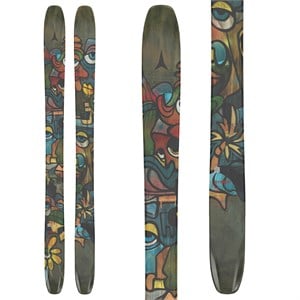
- Rocker Profile: 25% Tip Rocker / 50% Camber / 25% Tail Rocker
- Core: Light Woodcore (Poplar)
- Sidewalls: Dura Cap Sidewall
- Tail Type: Full Twin Tip
The Atomic Bent 110 hits a perfect sweet spot between deep-snow float and freestyle agility, making it one of the most versatile skis in the Bent family. With HRZN 3D tips and tails, it feels incredibly lively and easy to pivot, letting you smear, butter, and surf through soft snow without feeling locked into a turn. The 110mm waist provides the stability you need for big mountain laps, yet the ski remains remarkably light, making it feel almost playful underfoot. You’ll notice the ski’s strong camber when carving on firmer conditions, giving it reliable grip that many freeride skis this wide can’t match.
In variable snow, the Dura Cap Sidewall keeps the ride solid and predictable, while the sintered base ensures long-lasting speed. Freestyle-focused skiers will love the twin-tip shape, which feels at home in natural features, pillows, and even occasional park laps. Despite its playful personality, the Bent 110 doesn’t feel flimsy or unstable at higher speeds. Whether you’re hunting powder stashes or popping off every roller, this ski delivers an easygoing yet high-performance ride.
Pros
- Super playful and nimble in all conditions
- Light but still stable for its width
- Excellent float thanks to HRZN tips
- Great all-mountain versatility
Cons
- Not ideal for icy or extremely hardpack days
- Lacks the dampness of heavier freeride skis
2. Rossignol Sender Free 110
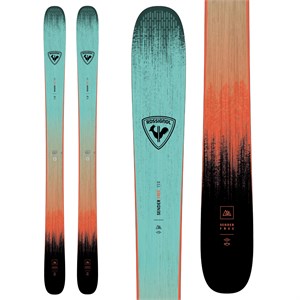
- Terrain: Big Mountain and Powder
- Ability Level: Advanced to Expert
- Core Material: Poplar PEFC Wood with Titanal reinforcement
- Rocker Profile: Progressive Rocker (Rocker/Camber/Rocker)
The Rossignol Sender Free 110 is a powerhouse designed for those who treat the entire mountain as their playground. Frequently seen on the Freeride World Tour, this ski balances big-mountain stability with a surprisingly playful personality. The combination of a dampening Ti Plus Beam and Air Tip technology allows for high-speed confidence without the cumbersome weight usually found in heavy chargers.
Its progressive sidecut and twin-tip profile make it a dream for drifting and smearing through deep powder or tight trees. While it excels in soft snow, the traditional camber underfoot ensures you still have the bite needed to carve back to the lift. This is a top-tier choice for experienced skiers who want a versatile, high-performance tool for limitless exploration and aggressive lines.
Pros
- Excellent vibration dampening
- Elite flotation in powder
- Highly maneuverable swing weight
Cons
- Too stiff for beginners
- Requires high speeds to fully come alive
See the Rossignol Sender Free 110
3. Dynastar M-Free 100
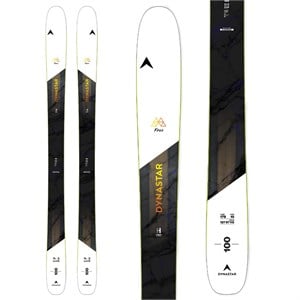
- Rocker Profile: Progressive Rocker
- Core: Hybrid Core 2.0 (Wood + PU)
- Sidecut: Adaptiv Sidecut
- Sidewalls: Full Sidewall Construction
The Dynastar M-Free 100 stands out as a playful yet reliable daily driver for freeride-minded skiers who want versatility across changing conditions. The 100mm waist strikes a great balance between carving stability and off-piste maneuverability, helped by the Progressive Rocker that brings plenty of float and pivotability in soft snow. The ski feels smooth and lively thanks to the Hybrid Core 2.0, which blends wood’s responsiveness with PU’s damp, lightweight ride. This makes it particularly fun in trees, bowls, and mixed snow, where quick adjustments and a forgiving flex shine.
Adaptiv Sidecut enhances turn transitions, giving the ski a fluid, intuitive carving feel that inspires confidence on groomers and wind-buffed slopes. The fiberglass torsion box construction keeps the ski precise without making it overly stiff or demanding. For intermediate to advanced skiers searching for a playful all-mountain ski that handles a wide range of terrain, the M-Free 100 delivers a comfortable, energetic ride that encourages progression and exploration.
Pros
- Smooth and damp ride with great maneuverability
- Versatile 100mm waist works in most conditions
- Easy, intuitive turn initiation
- Eco-friendly Hybrid Core construction
Cons
- Lacks the top-end power of stiffer freeride skis
- Not ideal for skiers who prefer a heavily damp, metal-laden feel
4. Season Pass
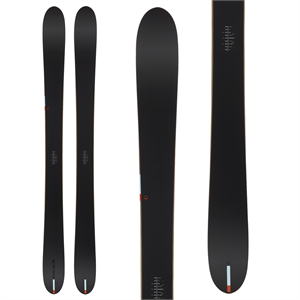
- Core: Karuba wood core with carbon fiber-reinforced fiberglass
- Rocker Type: Rocker – Camber – Rocker with equal height tip and tail
- Sidewalls: 360˚ ABS sidewalls for better stability and vibration damping
- Base: Sintered 7500 base for speed and durability
The Season Pass is a backcountry-focused twin tip ski that blends creativity and performance. It’s designed for riders who earn their turns and want a ski that feels playful in powder but also stable at speed. Thanks to the lightweight Karuba wood core and carbon reinforcement, it’s agile on the climb and stout on the descent. The nearly symmetrical shape allows for smooth switch skiing, and the rocker-camber-rocker profile keeps things surfy yet grippy. Whether you’re slashing a pow stash or spinning 180s in the backcountry, the Pass feels reliable and responsive.
On resort terrain, the Pass skis surprisingly well. While its width suggests a pure powder focus, it carves confidently on groomers and handles short turns with ease. It’s not overly rockered, which means edge hold isn’t sacrificed, yet it floats beautifully on deeper days. Riders who like a slightly stiffer feel with plenty of play will love what Eric Pollard and Austin Smith created. Though you might catch a tail here and there on a spin, it never feels punishing. The Season Pass offers a great balance of power and fun, making it an ideal one-ski quiver for touring-focused skiers who love style.
Pros
- Lightweight and responsive for long tours
- Excellent in powder and capable on hardpack
- Great for skiing switch
- Durable and stable with quality construction
Cons
- Slight tail catching on spins
- Limited rocker may not suit all float preferences
5. Season Primer
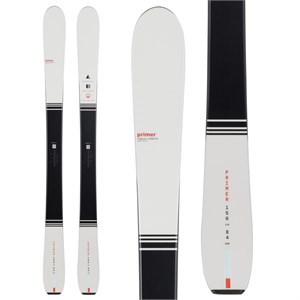
- Core Material: Full Poplar Wood Core for a snappy and energetic freestyle feel.
- Rocker Profile: Entry Rocker / Directional Camber / Exit Rocker for versatile performance.
- Sidecut: Dual-Progressive Sidecut designed for easy carving and high-speed stability.
- Tail Type: Full Twin Tip shape ideal for park progression and switch riding.
The Season Primer Skis are meticulously engineered to serve as the ultimate progression tool for riders looking to master the entire mountain. Featuring a versatile twin tip shape and a soft-flexing poplar wood core, these skis offer a forgiving ride that excels in the park while remaining stable on groomed runs. The dual-progressive sidecut is a standout technical feature, utilizing a tight radius in the tips to encourage effortless turn initiation at lower speeds, which then relaxes at higher edge angles to prevent the skis from feeling overly aggressive or hooky during fast descents.
Designed by Eric Pollard, the Primer focuses on accessibility without sacrificing the “play” factor. With a narrow waist width ranging from 84mm to 89mm depending on length, they provide lightning-fast edge-to-edge transitions. Despite the slimmer profile, the wider nose and mild 5mm taper ensure enough float to handle mixed powder or slushy spring conditions. A unique benefit of choosing this model is the included Lifetime Season Pass, providing free annual tunes and waxes, ensuring your gear remains in peak condition as you refine your freestyle moves and all-mountain carving skills.
Pros
- Forgiving poplar core is perfect for beginner to intermediate progression
- Dual-progressive sidecut offers a versatile turning radius for all speeds
- Included lifetime waxing and tuning service adds immense long-term value
Cons
- Narrow waist width may struggle in very deep or heavy backcountry powder
- Softer flex might lack the dampness required for aggressive, expert-level charging
6. Season Nexus
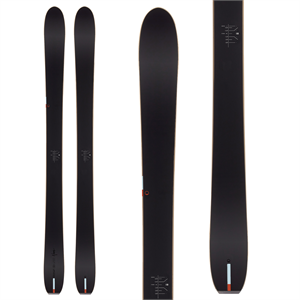
- Core: Karuba wood core with biaxial fiberglass laminate
- Rocker Profile: 27cm Entry Rocker / 6mm Camber / 27cm Exit Rocker
- Sidecut: Multi-Radius Sidecut with progressive shaping
- Construction: 360˚ ABS sidewalls and 30˚ CNC sidewall route for vibration damping and weight savings
The Season Nexus is a ski built for the messy reality of everyday resort riding. Powder may be the dream, but crud, chop, and bulletproof hardpack are far more common, and the Nexus handles all of it with ease. With a mid-100s waist and tip-to-tail rocker, this ski feels surfy and nimble, yet holds an edge impressively well. The Karuba core keeps it light underfoot, while the fiberglass laminate adds a touch of power. Even when conditions shift mid-run, from soft snow to icy patches, the Nexus stays smooth, grippy, and fun. It’s a ski that feels intuitive for intermediate to advanced riders, and it’s built to boost confidence everywhere.
On a cold test day with wind-affected snow and underlying ice, the 183 Nexus felt right at home. It turned easily, handled speed confidently, and never felt outmatched, even when terrain got unpredictable. The medium flex is forgiving but not flimsy, and it can rail high-speed carves without flinching. It’s not built for park-style butter turns, but more for directional riders who like power and stability with a side of playfulness. The construction feels premium—especially the sintered base and well-finished edges. If you loved skis like the Line Sir Francis Bacon but want more backbone, the Nexus delivers a modern take on the all-mountain do-it-all ski.
Pros
- Handles all snow types with ease
- Lightweight yet strong at speed
- Excellent edge hold on hardpack
- High-quality base and edge materials
Cons
- Not ideal for freestyle tricks or butters
- Needs tuning to unlock full potential
7. Line Skis Blend TBL
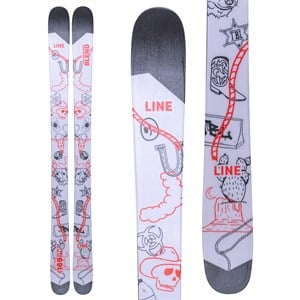
- Core: 100% Aspen wood for a lightweight and nimble feel.
- Carbon Ollieband: Pre-stretched carbon down the center for maximum pop.
- Butter Zone: Specific flex pattern designed for easy nose and tail presses.
- Fatty Edge: 2.5mm x 2.2mm edges for increased rail durability.
The Line Skis Blend TBL is the signature tool of Taylor Lundquist, designed specifically for those who view the entire mountain as a terrain park. At 98mm underfoot, these skis offer a stable platform for stomping landings while remaining narrow enough for quick transitions and technical rail maneuvers. The unique graphic highlights its specialized nature as a freestyle weapon built for creativity and expression.
Equipped with a symmetric flex and a 5-Cut sidecut, the Blend TBL provides an intuitive feel whether you are riding forward or switch. The combination of the Aspen core and Capwall construction ensures the ski remains playful and buttery without sacrificing the edge grip needed to carve between features. It is a perfect choice for intermediate to advanced riders looking to elevate their style in the park and pipe.
Pros:
- Exceptional playfulness for butters and presses.
- Thicker edges and base provide excellent durability on rails.
- Symmetric flex makes switch riding feel natural.
Cons:
- May feel too soft for high-speed aggressive carving.
- Not optimized for deep powder or heavy crud.
8. Armada ARV 88
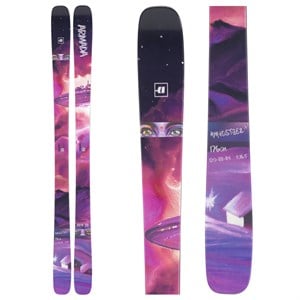
- Core: 100% Poplar Wood Core with Ash Binding Insert
- Rocker Profile: AR Freestyle Rocker (Rocker/Camber/Rocker)
- Sidewalls: w3Dgewall construction for added durability and grip
- Edges: 2.5 Impact Edge for improved resistance to damage
The Armada ARV 88 is a freestyle powerhouse built for skiers who spend their days bouncing between rails, jumps, and groomers. Designed with a lively poplar core and stiff flex profile (7/8/7), this ski balances park playfulness with the strength to handle big impacts. Camber underfoot ensures solid edge hold when carving, while the rockered tip and tail keep it maneuverable and fun in variable conditions. The w3Dgewall sidewall design adds structural integrity and better energy transfer, making it more durable for repeated abuse in the park.
While it shines on rails and kickers, the ARV 88 is no slouch outside the park. Its mid-radius turn shape makes it nimble on groomers and smooth on transitions, while the S7 base provides speed and low maintenance for high-use days. The ash insert under the bindings gives you confidence on hard landings, keeping the setup solid even after repeated stomps. This ski isn’t built for steep, rocky terrain or technical tree skiing, but it wasn’t designed for that. For intermediate to advanced riders looking for a reliable, fun, and long-lasting park ski with enough edge control to cruise the whole mountain, the ARV 88 is a top pick.
Pros
- Excellent durability with w3Dgewall sidewalls and impact-resistant edges
- Strong edge grip and pop for jumps and rails
- Smooth performance on groomed terrain
- Durable and fast base for high-use conditions
Cons
- Not ideal for steep or technical terrain
- Can feel stiff for lighter or newer park skiers
9. Season Kin
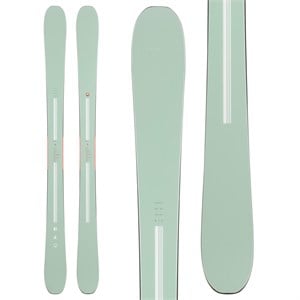
- Core: Poplar Wood Core with Triaxial Fiberglass Laminates
- Sidecut: Multi-Radius Sidecut for varied turn shapes
- Flex: Playful Flex with progressive shaping by ski length
- Base: Sintered Base for speed and durability
The Season Kin skis are all about turning the mountain into your playground. With a sub-100mm waist and a playful flex, they’re built for skiers who love to pop, press, and play—whether it’s on groomers, in the park, or cruising side hits. The Poplar wood core and triaxial fiberglass laminate offer a light, energetic feel underfoot, while the Multi-Radius Sidecut keeps turn initiation smooth and intuitive. These skis are easy to bend and maneuver, which makes them fun for slower-speed carving or casual park laps, especially in soft or spring conditions.
What really sets the Kin apart is its ability to make mellow terrain exciting again. On groomers or slushy days, it’s responsive, fun, and confidence-boosting, especially for intermediate-to-advanced skiers who value flow over force. The full twin tip shape and short turning radius keep the ride nimble and pressable, great for skiing with kids or cruising through playful terrain. While it may not be the best tool for charging big lines or deep powder, it excels at its intended purpose—making resort days lighthearted and enjoyable. The Kin embraces a low-pressure, high-fun vibe, and for skiers who value that, it delivers in spades.
Pros
- Playful and easy to maneuver on groomers and soft snow
- Fun flex ideal for pressing, carving, and casual park riding
- Lightweight and energetic feel
- Stylish design and free lifetime maintenance from Season
Cons
- Lacks stiffness for high-speed or aggressive skiing
- Not ideal for deep powder or technical terrain
10. Rossignol Sender Free 110
- Ti Plus Beam: Titanal reinforcement for power and edge grip across the full width.
- Damp Tech: Vibration reduction technology for a smooth ride in variable snow.
- Air Tip: Lightweight tip design that improves maneuverability and float.
- Carbon Alloy Matrix: A carbon/basalt weave for stability and high-definition power.
The Rossignol Sender Free 110 is a powerhouse freeride ski that has earned its reputation on the Freeride World Tour. Designed for advanced and expert skiers, it bridges the gap between a playful powder ski and a hard-charging big mountain tool. With its 110mm waist and progressive rocker profile, it provides effortless float in deep snow while maintaining the backbone to handle high-speed resort laps.
Construction is key to this ski’s versatility, featuring a PEFC-certified Poplar wood core and an extended core design that maximizes snow contact. The addition of the Ti Plus Beam and Rectangular Full Sidewalls ensures that even on firm pack or mixed conditions, you have the torsional stability and precision needed to hold an edge. It is a highly capable option for those who want to drop cliffs and charge through chop with total confidence.
Pros:
- Superb stability at high speeds and in variable conditions.
- Excellent floatation thanks to the Air Tip and progressive rocker.
- Damp Tech effectively filters out harsh vibrations.
Cons:
- Requires a strong pilot to unlock its full potential.
- Higher weight may be less ideal for long backcountry tours.
See the Rossignol Sender Free 110
How to Choose Twin Tip Skis: A Guide for All Skiers
Twin tip skis have become a staple for skiers who value versatility, creativity, and all-around fun on the mountain. Whether you’re looking to lap the terrain park, hit side hits all day, or simply want a ski that can handle skiing switch (backwards) just as easily as forwards, twin tips are the go-to choice. But with so many different styles, lengths, and construction types available, choosing the right pair can feel overwhelming. This guide will walk you through everything you need to know to pick the perfect skis for your skill level, style, and terrain preferences.
What Are Twin Tip Skis?
Twin tip skis have upturned tips at both ends—front and back—allowing you to ski both forwards and backwards. Originally developed for freestyle skiers in the park, modern twin tips have evolved into all-mountain performers. They come in various flex patterns, widths, and profiles, making them suitable for everything from groomers to powder days.
Who Should Use Them?
While twin tips are often associated with terrain parks and freestyle skiing, they are suitable for a wide range of skiers. Here’s a breakdown of who might benefit:
-
Park Skiers: Ideal for jumps, rails, and switch skiing.
-
All-Mountain Skiers: Great for playful riding and varied terrain.
-
Beginner to Intermediate Skiers: Many twin tips are easy to maneuver, making them good for progressing.
-
Kids and Teens: Youth skiers often prefer twin tips for their forgiving flex and style.
Key Factors to Consider
1. Ski Length
Choosing the right ski length depends on your height, weight, ability level, and preferred terrain.
-
Shorter skis (closer to chin height) are easier to maneuver and better for spins and tricks.
-
Longer skis (closer to your full height or slightly above) provide more stability at high speeds and float better in powder.
Tip: For park riders, shorter lengths may feel more playful. For all-mountain use, go slightly longer for better performance in variable conditions.
2. Ski Width
Waist width (the narrowest part of the ski) greatly influences how the ski handles different snow conditions.
-
Narrow (<90mm): Quicker edge-to-edge, ideal for park, pipe, and groomers.
-
Mid-width (90–100mm): Balanced for park and all-mountain use.
-
Wide (>100mm): Better float in powder and more stable in soft snow.
Tip: If you spend most of your time on groomed runs or in the park, a narrower waist will suit you better. If you enjoy fresh snow and side-country terrain, consider something wider.
3. Flex and Pop
Flex refers to how stiff or soft a ski feels. Most twin tips fall on the softer, more playful side.
-
Soft Flex: Easier to press and butter; more forgiving for beginners.
-
Medium Flex: Balanced for versatility across the whole mountain.
-
Stiff Flex: More stable at speed and better for aggressive, powerful skiing.
Pop (rebound energy) comes from the ski’s core and construction. Poplar, ash, and bamboo cores with carbon or fiberglass laminates often give skis a responsive, lively feel.
4. Camber and Rocker Profiles
The camber/rocker profile influences how the ski initiates turns, grips the snow, and floats in soft conditions.
-
Camber: Traditional profile with good edge hold and pop.
-
Rocker: Tip and tail rise early for better float and easier turn initiation.
-
Camber/Rocker Combo: Most popular for twin tips; offers a mix of precision and playfulness.
Tip: Park-focused riders may prefer more camber for pop on jumps. All-mountain riders might enjoy a mix of rocker and camber for better versatility.
5. Mounting Position
Most twin tips are mounted closer to the center of the ski to enhance balance for freestyle tricks.
-
True Center Mount: Ideal for park skiing and switch riding.
-
Traditional Mount: Set back for better performance in all-mountain or powder conditions.
If you’re going to use your skis mostly in the park, true center is the way to go. For more directional, downhill-focused skiing, mount slightly back from center.
6. Core Materials
The ski’s core affects its weight, durability, and responsiveness.
-
Poplar: Lightweight and energetic; popular in many twin tips.
-
Ash or Maple: Denser woods for more durability and power.
-
Paulownia or Karuba: Very lightweight, ideal for touring twin tips.
-
Composite or Foam: Cheaper, often found in beginner skis, but less durable.
Tip: If you’re an aggressive skier or hitting big jumps, choose skis with a wood core reinforced with metal or fiberglass.
7. Sidewalls and Construction
Durability matters, especially if you’re hitting rails and boxes.
-
Cap Construction: Lightweight and often more forgiving, but less durable.
-
Sidewall Construction: Offers better edge grip and durability.
-
Hybrid (Capwall): Mixes the best of both for balanced performance.
Look for skis with reinforced sidewalls and edges if you plan to spend time in the park.
8. Bindings Compatibility
Most skis are sold flat (without bindings), giving you the freedom to choose your setup.
-
Brake Width: Choose bindings with brakes 10–15mm wider than the ski’s waist.
-
DIN Setting: Ensure your bindings suit your weight and skill level.
-
Park Bindings: Often feature reinforced toe pieces and higher elasticity for impact resistance.
Twin Tip Ski Categories
To make your choice easier, here are the main categories of twin tips:
1. Park & Pipe
-
Narrower underfoot (80–95mm)
-
Durable edges and poppy cores
-
Center-mounted
-
Examples: Armada ARV 84, Line Chronic
2. All-Mountain
-
Waist width around 90–100mm
-
Good on groomers, bumps, and light powder
-
Slightly setback mounts
-
Examples: Season Kin, Rossignol Sprayer
3. Powder or Freeride
-
100mm+ waist for float
-
Rocker-heavy profiles
-
Stiffer builds for charging lines
-
Examples: Season Pass, Line Blade Optic 104
Final Tips Before Buying
-
Demo if You Can: Testing skis before buying is the best way to find your match.
-
Match Your Ability: Don’t over-ski your level. Softer, more forgiving skis are better for learning tricks and building confidence.
-
Consider Your Goals: Are you focused on progression in the park, or do you want something playful for groomers and trees?
-
Check Reviews: See how skis perform in real-world conditions from skiers with similar styles to yours.
Conclusion
Choosing the right skis doesn’t need to be complicated. Start by understanding your skill level, favorite terrain, and riding style. Then, focus on key specs like flex, rocker profile, width, and construction. Whether you’re lapping the park, shredding powder, or just playing around the resort, there’s a twin tip ski that fits your vibe. The most important part? Pick a ski that makes you excited to get out and have fun. Because in the end, that’s what skiing is all about.