Best Waterproof Ski Jackets of 2025
When hitting the slopes, staying dry and warm is key to enjoying your ski day. That’s why choosing the best ski jacket matters a lot. A good waterproof jacket keeps out snow, rain, and wind, while letting sweat escape so you don’t get cold or uncomfortable. There are many jackets available, each with different features like insulation, breathability, and style. Whether you’re a beginner or an expert skier, picking the right jacket helps you stay comfortable in all weather conditions. In this article, we’ll guide you through the top waterproof ski jackets that offer protection, warmth, and durability for your winter adventures.
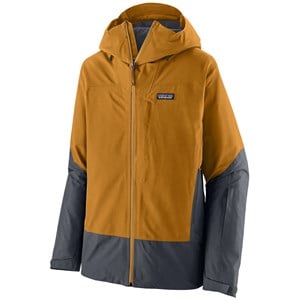
1. Patagonia Storm Shift
-
Material: 2-Layer 150D 100% Recycled Polyester PFC-Free GORE-TEX with PFC-Free DWR
-
Waterproof Rating: 28,000mm with 20,000g breathability
-
Lining: 61% recycled polyester zigzag tricot knit with Pertex® Quantum panels
-
Features: Helmet-compatible hood, RECCO® reflector, Fair Trade Certified™ sewn
The Patagonia Storm Shift Jacket is designed for skiers and riders who want dependable weather protection without sacrificing sustainability. Its PFC-Free GORE-TEX membrane delivers reliable waterproofing and breathability, keeping you dry in heavy snow and wet conditions. The recycled polyester face fabric adds durability while maintaining a soft feel, and the PFC-free DWR finish ensures eco-friendly performance. Inside, the wicking liner provides warmth and comfort, making it a great shell option even in colder environments. With its regular fit, the Storm Shift layers well over midlayers, giving you versatility for fluctuating mountain conditions.
Practicality is also a strong point of this jacket, thanks to its well-thought-out storage and protective features. Multiple zippered pockets, including a chest pocket, forearm pocket, and interior compartments, offer secure space for essentials. The helmet-compatible hood and powder gasket enhance protection in deep snow, while the concealed RECCO® reflector adds a safety element for backcountry adventures. While it’s a shell with no insulation, users note it still feels warm, making it suitable for varied conditions when paired with layers. Overall, the Storm Shift blends Patagonia’s signature durability and sustainability with the performance skiers expect from a high-end GORE-TEX jacket.
Pros:
- PFC-Free GORE-TEX membrane with excellent waterproofing
- Sustainable build with recycled materials and Fair Trade Certified™ sewing
- Comfortable fit with layering versatility
- Ample pockets and useful features like RECCO® reflector
Cons:
- No built-in insulation, requires layering in colder weather
- Powder skirt not included, limiting deep powder protection
See the Patagonia Storm Shift See the Women’s Storm Shift
2. REI Co-op Powderbound Insulated

-
Material: 2-layer nylon shell with Peak waterproof/breathable laminate and nonfluorinated DWR
-
Insulation: 80 g synthetic core / 60 g synthetic sleeves
-
Features: Helmet-compatible hood, pit zips, powder skirt, articulated elbows
-
Certifications: Fair Trade Certified™ factory, bluesign® approved materials, Climate Label certified
The REI Co-op Powderbound Insulated Jacket is built to keep skiers and snowboarders comfortable in a wide range of winter conditions. Its Peak 2-layer waterproof/breathable laminate provides reliable protection from snow, rain, and wind, while synthetic insulation balances warmth with mobility—80 g in the core for heat retention and 60 g in the sleeves for easier movement. The critically seam-sealed construction and nonfluorinated DWR finish add durability without compromising sustainability, making this a jacket that performs well while keeping environmental responsibility in mind. Designed with a regular back length of 33.75 inches (35.75 in tall), it’s a versatile option for both resort days and village strolls.
Comfort and practicality are at the heart of the Powderbound. The high collar with soft tricot lining prevents chin irritation, while articulated elbows and shaped cuffs enhance freedom of movement. Skiers will appreciate features like pit zips for quick venting, a powder skirt that snaps away when not needed, and multiple secure storage pockets including a lift pass pocket and interior goggle compartment. The helmet-compatible hood adjusts easily and seals out the elements, making it reliable in storms. Owners note that it fits especially well for bigger and taller builds, offering room without sacrificing functionality. Tested in harsh conditions like Whistler at subzero temperatures, the jacket has proven to stay warm with layering, yet can run hot in milder weather. Overall, it strikes a balance between protection, warmth, and thoughtful design at a fair value.
Pros:
- Excellent warmth with targeted insulation placement
- Plenty of ski-specific features including pit zips and powder skirt
- Sustainable construction with Fair Trade and bluesign® approval
- Great fit for larger and taller body types
Cons:
- Can feel overly warm in mild conditions
- Critically seam-sealed rather than fully seam-sealed
See the REI Co-op Powderbound Insulated See the Women’s Powderbound Insulated
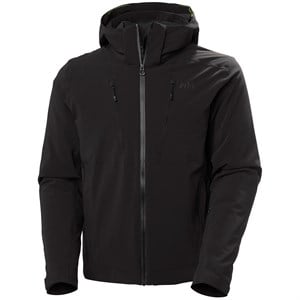
3. Helly Hansen Alpha 4.0
-
Material: 85% polyamide, 15% elastane with Helly Tech® Performance membrane
-
Insulation: PrimaLoft® 100% recycled polyester
-
Features: Removable helmet-compatible hood, RECCO® system, Life Pocket+™ with Aerogel insulation
-
Seam Sealing: Fully taped with adjustable powder skirt
The Helly Hansen Alpha 4.0 Jacket is designed for skiers and riders who want a balance of sleek style, technical performance, and reliable warmth. Built with Helly Tech® Performance, it offers excellent waterproofing and breathability, making it a dependable choice for unpredictable mountain conditions. The PrimaLoft® recycled insulation delivers efficient warmth without adding unnecessary weight, while the articulated sleeves ensure freedom of movement on the slopes. A standout feature is the Life Pocket+™, designed with Aerogel insulation to keep your phone battery alive longer in freezing temperatures—an especially useful detail for long ski days. With its regular fit and lightweight feel, the Alpha 4.0 is both comfortable and practical for resort or backcountry adventures.
The jacket’s versatility is further enhanced by thoughtful details and high-end craftsmanship. A detachable, helmet-compatible hood offers flexibility for varying weather, and the powder skirt provides reliable protection against snow intrusion. Fully seam-sealed construction ensures no weak points for moisture, while RECCO® technology adds an extra layer of safety in case of emergencies. Multiple pockets, including handwarmers and a ski pass pocket, make storage simple and functional. Owners highlight the jacket’s warmth despite its low weight, as well as its refined look on and off the slopes. While Helly Hansen’s customer service can be hit-or-miss, the jacket itself performs exceptionally well, making it a premium choice for skiers who demand comfort, style, and protection in one package.
Pros:
- Lightweight yet warm with PrimaLoft® insulation
- Life Pocket+™ keeps electronics warmer in the cold
- Sleek design with detachable hood and great fit
- Fully seam-sealed with excellent weather protection
Cons:
- Premium price point, rarely discounted
- Customer service experience may vary
See the Helly Hansen Alpha 4.0 See the Women’s Alphelia
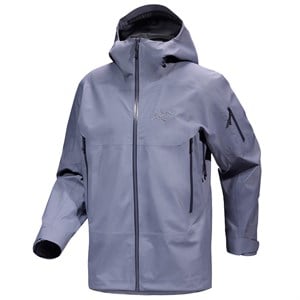
4. Arc’teryx Sabre
-
Material: N80p-X 3L GORE-TEX nylon with flannel backer and PFC-free DWR
-
Waterproofing: GORE-TEX ePE membrane, 28,000mm rating, fully taped seams
-
Features: Helmet-compatible StormHood™, RECCO® reflector, WaterTight™ pit zips
-
Pockets: Hand pockets, sleeve RFID pass pocket, internal security and dump pockets
The Arc’teryx Sabre Jacket is a premium freeride shell designed for skiers and riders who want reliable protection and freedom of movement in harsh mountain conditions. Its N80p-X 3L GORE-TEX shell with the new ePE membrane offers top-tier waterproofing, wind resistance, and breathability while being more sustainable with a reduced carbon footprint. The flannel backer adds a touch of warmth without bulk, making it comfortable to wear over layers for both resort laps and backcountry tours. With articulated patterning and a regular fit, the jacket allows unrestricted mobility, moving naturally with the body when carving turns or hiking for fresh lines. The hip-length cut provides coverage without feeling restrictive, and users note that sizing runs slightly large, so sizing down may provide a better fit.
Practical features make the Sabre stand out as a true all-mountain performer. The StormHood™ is helmet-compatible and designed to move with your head, maintaining visibility even in stormy conditions, while the WaterTight™ pit zips allow for quick ventilation when working hard. Multiple functional pockets—including RFID pass and internal dump compartments—make it easy to carry essentials on the mountain. A fully integrated RECCO® reflector adds safety for backcountry adventures. Though it comes at a high price, the Sabre justifies it with thoughtful design, durability, and sustainable construction. For riders who want a rugged shell that can handle deep powder, strong winds, and long days outside, the Sabre delivers premium performance with refined comfort.
Pros:
- Exceptional waterproofing and breathability with GORE-TEX ePE
- Durable build with flannel backer for added comfort
- Helmet-compatible StormHood™ with excellent mobility
- Multiple pockets and RECCO® safety reflector
Cons:
- Premium cost compared to other shells
- Fit runs large, may require sizing down
See the Arc’teryx Sabre See the Women’s Sentinel
5. REI Co-op First Chair GTX

-
Material: 2-layer GORE-TEX ePE shell with nonfluorinated DWR finish
-
Seam Sealing: Fully taped for waterproof and windproof protection
-
Features: Helmet-compatible hood, pit zips, powder skirt, high collar with tricot lining
-
Certifications: Fair Trade Certified™, bluesign® approved, Climate Label certified
The REI Co-op First Chair GTX Jacket is a versatile shell built to handle long ski days and stormy weather with ease. Its tough 2-layer GORE-TEX ePE construction delivers excellent waterproofing, windproofing, and breathability, while the nonfluorinated DWR adds eco-friendly durability. The roomy cut is designed to accommodate layers underneath, making it adaptable for varying conditions and temperatures. With smooth polyester taffeta lining and a dropped back hem for extra coverage, it slides easily over midlayers and ensures comfort whether you’re tackling a few laps or staying out from first to last chair. The helmet-compatible hood and shaped cuffs with hook-and-loop adjustments further enhance protection, keeping snow and wind out without sacrificing mobility.
Storage and practical features are where the First Chair GTX really shines. Multiple thoughtfully placed pockets—including dual-entry chest compartments, a lift pass pocket, and an interior goggle pocket—make carrying essentials easy, while cozy tricot linings add a touch of warmth. Pit zips allow for quick temperature regulation, and the powder skirt snaps away when not needed, making the jacket just as useful around town as it is on the slopes. Owners note that the fit runs slightly large, so sizing down may be ideal if you don’t plan on heavy layering. While the color selection may not be for those wanting a subtle look, the overall performance, comfort, and sustainability credentials make it a strong contender for skiers and snowboarders seeking a durable outer shell.
Pros:
- Excellent waterproofing and breathability with GORE-TEX ePE
- Plenty of functional, well-placed pockets
- Roomy fit ideal for layering
- Sustainable construction with Fair Trade and bluesign® approval
Cons:
- Sizing runs large, may require adjustment
- Limited color options for those preferring neutral tones
See the REI Co-op First Chair GTX See the Women’s First Chair GTX
6. MAGCOMSEN Ski Jacket

-
Material: Water-repellent shell with thermal fleece lining
-
Windproofing: Adjustable cuffs, internal drawcord hem, detachable storm hood
-
Features: Multi-pocket design with chest, side, and inner zippered pockets
-
Fit: Standard US sizing, designed for layering with ski pants
The MAGCOMSEN Ski Jacket is a budget-friendly option that delivers reliable warmth and weather resistance for winter activities. Its professional water-repellent shell keeps moisture out during snow and light rain, while the fleece lining provides insulation for temperatures ranging from freezing to the mid-40s. The windproof design, with adjustable cuffs and a detachable storm hood, ensures added protection in gusty conditions. With a cut that accommodates layering, the jacket offers comfort and flexibility whether used for skiing, snowboarding, or simply braving cold winter commutes. Owners note that sizing runs true to US standards, though the slightly longer fit is intentional to pair well with ski pants.
Practicality is another strength of this jacket, especially with its multiple storage options including large side pockets, a chest pocket, and an inner zippered compartment. Users report it holds up well after several washes, with no fraying or loose threads, making it a surprisingly durable choice at its price point. While it may run too warm in mild conditions, unzipping the jacket helps regulate heat, and the fleece lining makes it comfortable to wear without heavy underlayers. For those living in warmer climates who only need a winter jacket occasionally, the MAGCOMSEN offers excellent value compared to higher-end ski brands that can cost more than double. It’s a versatile, affordable choice that performs well for both outdoor sports and casual wear in cold weather.
Pros:
- Warm fleece lining with good wind and water resistance
- Multiple pockets for storage and convenience
- Affordable price compared to premium ski jackets
- Durable and machine washable with no major quality issues
Cons:
- Can feel too warm in mild weather
- Slightly long fit may not appeal to all wearers
See the MAGCOMSEN Ski Jacket See the Women’s MAGCOMSEN Ski Jacket
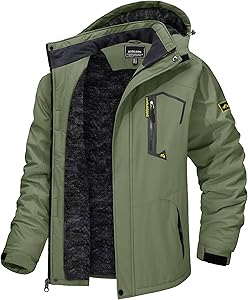
7. TACVASEN Skiing Jacket
-
Material: Fleece-lined shell with hooded stitching color design
-
Zippers: Double zipper system with storm flap and Velcro closure
-
Features: Detachable hood with drawstring, adjustable cuffs, snap-secured collar
-
Pockets: 2 concealed zip pockets, 1 chest pocket, 1 internal pocket
The TACVASEN Skiing Jacket is built for cold-weather versatility, offering warmth, durability, and practical features at an affordable price. Its fleece lining provides softness and insulation, keeping wearers warm in temperatures around 20°F with only a thick shirt layered underneath. The hood, collar, and cuffs are all adjustable, creating a snug seal against wind and snow while maintaining comfort during outdoor activities. Tested in heavy rain and harsh wind off the Maine coast, the jacket proved to repel water effectively and block out strong gusts, making it reliable in both wet and frigid environments. The full-cut design gives ample room in the shoulders and arms, ensuring easy layering without feeling restrictive.
Functionality is another strong point, with multiple well-placed pockets that make carrying essentials convenient whether on the slopes, hiking trails, or simply walking in winter conditions. The jacket holds up against abrasion from branches and underbrush, showing solid durability for outdoor use. While the storm flap and Velcro adjustments enhance windproofing, the lack of a two-way zipper can feel limiting when bending, kneeling, or working outdoors. Despite this small drawback, the TACVASEN Skiing Jacket balances warmth, protection, and practicality, making it a dependable option for skiing, snowboarding, and other winter sports without the steep price tag of premium brands.
Pros:
- Warm fleece lining with excellent wind and water resistance
- Roomy cut allows for layering and movement
- Multiple secure pockets for storage
- Durable build that withstands outdoor wear and tear
Cons:
- No two-way zipper, slightly restrictive when bending
- Bulkier design compared to more technical ski jackets
See the TACVASEN Ski Jacket See the Women’s TACVASEN Ski Jacket
How to Choose Waterproof Ski Jackets?
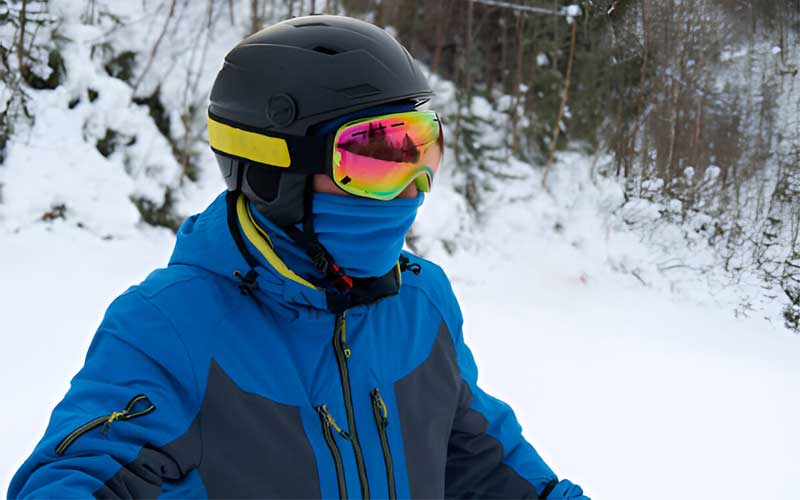
When you’re heading to the slopes, a waterproof ski jacket is one of the most important pieces of gear you’ll invest in. A good jacket doesn’t just keep you dry, it also regulates your temperature, protects you from wind, and allows you to move comfortably. With so many options on the market, it can be overwhelming to choose the right one. The key is to understand what features matter most for your style of skiing, your budget, and the conditions you’ll face. This guide breaks down everything you need to know when selecting the perfect waterproof ski jacket.
Waterproof Ratings and Breathability
The first thing to consider is a jacket’s waterproof rating. This is usually measured in millimeters (mm), indicating how much water pressure the fabric can withstand before leaking. A jacket with a 5,000mm rating might be fine for light snow, but for serious skiers tackling heavy storms, a 20,000mm or higher rating is ideal. Breathability is equally important, especially if you’re skiing hard and working up a sweat. Look for jackets with a breathability rating of at least 15,000g to help moisture escape, keeping you dry from the inside.
A balance between waterproofing and breathability is crucial. For example, a jacket that’s completely waterproof but not breathable will trap sweat, making you just as uncomfortable as if you were wet from snow. Modern membranes like GORE-TEX, eVent, and proprietary options from brands like Helly Hansen and Arc’teryx strike this balance well.
Fabric Technology and Construction
The type of fabric and its construction play a huge role in performance. Most ski jackets are built using 2-layer, 2.5-layer, or 3-layer constructions. A 2-layer jacket has an outer shell bonded to a waterproof membrane with a separate lining. These are affordable and great for casual resort skiing. A 2.5-layer construction uses a thin protective coating instead of a lining, which makes the jacket lighter and more packable—ideal for backcountry use. A 3-layer jacket sandwiches the waterproof membrane between a shell and an inner lining, offering maximum durability, breathability, and protection.
Durable Water Repellent (DWR) coatings are also essential. While they don’t make a jacket waterproof on their own, they prevent the outer fabric from soaking up water, ensuring the membrane underneath can do its job. Look for jackets with PFC-free DWR finishes, which are more environmentally friendly.
Insulated vs. Shell Jackets
Another major choice is whether to go with an insulated ski jacket or a shell. Insulated jackets include a layer of synthetic or down insulation built in, offering warmth without extra layering. These are convenient for resort skiing in cold conditions. However, they can be bulky and too warm if you’re working hard.
Shell jackets, on the other hand, are uninsulated and focus purely on weather protection. They give you the flexibility to layer underneath depending on conditions. This makes them a favorite among advanced skiers and backcountry enthusiasts who prefer a customizable layering system.
If you ski in a variety of climates, a shell is usually the more versatile choice. Pair it with a midlayer, such as a fleece or synthetic jacket, for warmth when needed.
Fit and Mobility
A waterproof ski jacket needs to move with you. Look for articulated sleeves, gusseted underarms, and ergonomic patterning that allow a full range of motion. Jackets come in different fits: slim, regular, or relaxed. Slim fits look stylish and reduce bulk, but they may restrict layering. Relaxed fits provide comfort and freedom but can feel baggy. For most skiers, a regular fit strikes the right balance.
The length of the jacket also matters. Hip-length jackets are common, but slightly longer cuts provide extra coverage, especially when sitting on chairlifts. Powder skirts, adjustable hems, and wrist gaiters help seal out snow.
Hood Design and Helmet Compatibility
A ski jacket’s hood isn’t just an accessory—it’s vital protection against wind and snow. Always check if the hood is helmet compatible, as wearing a helmet is standard on the slopes. A good hood should adjust easily, rotate with your head, and not block your vision. Some jackets feature removable or stowable hoods for versatility.
StormHoods™ or similar designs provide extra coverage for extreme conditions, while high collars protect your face and neck from biting winds.
Ventilation and Breathability Features
Even the most breathable fabrics can get overwhelmed during intense skiing. That’s where ventilation features come in. Pit zips (underarm zippers) are the most common, allowing you to dump heat quickly. Some jackets include chest vents, back vents, or mesh-lined pocket vents.
These features are especially important for backcountry skiers or those who push their limits. A jacket without vents may feel stifling, even if it has a high breathability rating.
Pockets and Storage
Storage can make a jacket far more functional. Consider what you carry on the slopes: ski pass, phone, snacks, goggles, and avalanche gear. Jackets typically offer hand pockets, chest pockets, sleeve pockets for RFID passes, internal dump pockets, and media-compatible pockets.
Think about accessibility, too. Can you reach your pockets while wearing a backpack harness? Are the zippers glove-friendly? Small details like these make a big difference.
Additional Features
Beyond the basics, ski jackets come with a range of extras. Some of the most useful include:
-
Powder Skirt: Keeps snow from entering through the waist.
-
RECCO® Reflector: Helps rescue teams locate you in an avalanche.
-
Seam Sealing: Fully taped seams are better for waterproofing than critically taped ones.
-
Adjustable Cuffs and Hems: Allow a tighter seal against the elements.
-
Two-Way Zippers: Improve ventilation and comfort when sitting.
While these features may add cost, they also improve comfort and safety.
Style and Aesthetics
Performance should always come first, but style still matters. Ski jackets come in a variety of colors and designs. Bright colors or high-visibility patterns can improve safety by making you more visible on the slopes. Neutral tones, on the other hand, appeal to those who want a sleek, understated look.
Price and Value
Waterproof ski jackets vary widely in price. Entry-level jackets cost around $150–$250, while premium models can exceed $700. More expensive jackets typically offer better fabric technology, lighter weight, improved durability, and more features. However, you don’t always need the most expensive option.
If you ski a few times a year at the resort, a mid-range insulated jacket will serve you well. If you’re an avid skier who ventures into the backcountry, investing in a high-end shell may be worth it for the added protection and performance.
Sustainability and Eco-Friendly Options
Sustainability is becoming increasingly important in ski apparel. Many brands are now using recycled fabrics, PFC-free DWR coatings, and bluesign® approved materials. Some companies also focus on durability, ensuring their jackets last longer, which reduces environmental impact. If eco-friendliness matters to you, look for brands that highlight responsible production practices.
Final Tips
When choosing a waterproof ski jacket, think about where and how often you ski. If you stick to groomed runs in cold weather, an insulated jacket will keep you warm and comfortable. If you’re exploring off-piste terrain or skiing in varied conditions, a shell gives you more flexibility. Always prioritize waterproofing and breathability, as these directly affect comfort and performance.
Try on different fits and don’t forget layering—your jacket should have room for a midlayer underneath without feeling bulky. Lastly, consider long-term value: a well-built, high-quality ski jacket may cost more upfront, but it will perform better and last for years.
Conclusion
Choosing the right waterproof ski jacket is about finding the perfect blend of protection, comfort, and functionality. By paying attention to waterproof ratings, breathability, fabric construction, insulation, fit, and extra features, you can select a jacket that keeps you warm and dry no matter the conditions. Whether you’re carving groomers, tackling powder, or exploring the backcountry, the right jacket will make your ski days more enjoyable. Take the time to invest in a quality piece—it’s gear that will serve you season after season.