Best Used Skis | Sale & Clearance | 2026
Buying used skis can save you money and still give you great performance. Many used skis are in good condition. They can be just as good as new ones for beginners and casual skiers. This guide will help you choose the best used skis for your needs. We’ll cover important things like ski length, shape, and brand. We’ll also share tips on what to check before buying. Whether you ski on groomed trails or deep powder, there’s a good used option out there. You don’t have to spend a lot to enjoy skiing. With the right choice, these skis can last for many seasons. Let’s get started.
1. Salomon XDR 79 CF
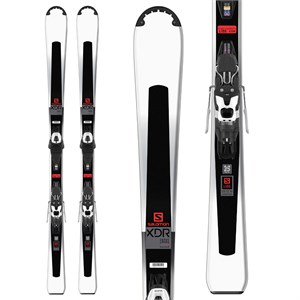
- Waist Width: 79mm – ideal for resort skiing and mixed conditions
- Core: Woodcore with CFX Superfiber (carbon + flax) for stability and vibration damping
- Rocker Type: All-Terrain Rocker 2.0 (rocker/camber/rocker) for versatile turns and control
- Construction: Semi-Sandwich Sidewall with Single Ti Laminate for edge grip and durability
The Salomon XDR 79 CF is a versatile all-mountain ski that performs well in a wide range of conditions. With a 79mm waist and an All-Terrain Rocker 2.0 profile, these skis are easy to control on groomed trails and provide decent float in fresh snow. The gradual tip rocker helps with turn initiation, while the camber underfoot ensures solid edge grip and power through the carve. This combination makes it perfect for intermediate to advanced skiers looking for something stable yet playful.
What sets the XDR 79 CF apart is its unique construction. The blend of carbon and flax fibers in the CFX Superfiber laminate creates a smooth ride without adding extra weight. The wood core adds energy and stability, while the single layer of titanal reinforces edge hold and minimizes chatter at higher speeds. The 3-point tip design and Pulse Pad dampening system help absorb bumps and keep things predictable in variable snow. Paired with Lithium 10 bindings, this ski setup is ready to hit the slopes right out of the box.
Pros:
- Excellent stability and vibration control
- Lightweight yet responsive feel
- Strong edge grip with added Ti layer
- Great for groomers and light off-piste use
Cons:
- Not wide enough for deep powder days
- Might feel too stiff for true beginners
2. Salomon Kiana – Women’s
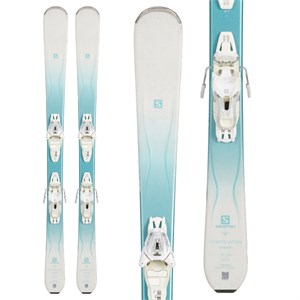
- Rocker Type: Carve Rocker – mild tip rocker with slight camber for easy turn initiation
- Core: Composite Core – lightweight and forgiving, ideal for beginners
- Construction: Monocoque – single fiber layer for smooth and responsive feel
- Bindings: Includes Lithium 10 Bindings (DIN 3–10) pre-mounted for convenience
The Salomon Kiana Skis with Lithium 10 Bindings are an excellent first step for beginner and intermediate skiers. This ski package is built for learning and progression, with a lightweight composite core that makes maneuvering feel easy and natural. The Carve Rocker profile offers mild tip rocker and subtle camber, helping new skiers start and finish turns smoothly. The flat tail adds control at the end of each turn, giving a more confident feel on groomed terrain. It’s ideal for anyone who has rented a few times and now wants a reliable pair of skis to call their own.
Comfort and ease are the Kiana’s main strengths. The monocoque construction keeps the skis responsive and stable without adding extra bulk. The Control Frame design improves grip in key areas along the edge, which adds a sense of control even on hard-packed snow. While these skis aren’t designed for high-speed charging or deep powder, they excel on beginner trails and groomers where consistency and forgiveness are most important. Paired with Lithium 10 bindings, this is a complete, worry-free setup that makes learning to ski more enjoyable.
Pros:
- Lightweight and easy to handle for new skiers
- Smooth and forgiving turn initiation
- Pre-mounted bindings for hassle-free setup
- Great value for a beginner-focused ski package
Cons:
- Limited performance at high speeds
- Not suitable for off-piste or deep snow skiing
3. Blizzard Thunderbird SP 7.2
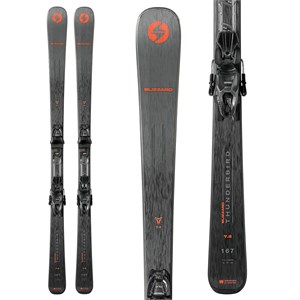
- Rocker Type: Full Camber – delivers strong edge grip and precise control
- Core: Composite and Wood Core – combines durability with a smooth, stable ride
- Sidewalls: Composite Sidewall – adds strength and responsiveness to the ski’s edge
- Bindings: Includes TLT 10 Bindings (DIN 3–10), not pre-mounted
The Blizzard Thunderbird SP 7.2 is a top pick for new skiers who want a ski that grows with them. It’s beginner-friendly but not overly soft, offering great control on groomed runs and enough edge hold to start carving with confidence. The full camber profile gives the ski solid grip on hard snow, making it easier to link turns and develop strong technique. It’s perfect for progressing from green to blue runs without switching skis mid-season. The stable platform also makes it a great choice for nervous skiers who want predictability on the slopes.
Blizzard has blended a wood and composite core to create a ski that balances responsiveness with forgiveness. You get stability at speed, yet the ski remains light and easy to steer—ideal for first-timers. The composite sidewall construction adds durability and helps with consistent edge contact through turns. While the TLT 10 bindings don’t come pre-mounted, having a certified technician set them up ensures a perfect fit and better performance. This setup gives beginner and intermediate skiers a reliable, confidence-building ride all over the mountain.
Pros:
- Full camber provides great edge grip and turning control
- Smooth and stable ride for growing confidence
- Strong enough to keep using after progressing past beginner level
- Good value with bindings included
Cons:
- Bindings must be mounted separately
- Not designed for powder or off-piste conditions
See the Blizzard Thunderbird SP 7.2
4. Salomon XDR Focus
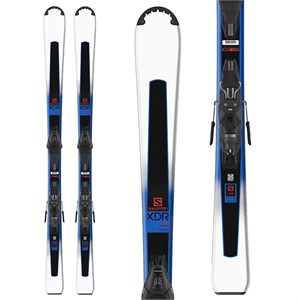
- Rocker Type: All-Terrain Rocker 2.0 – gradual tip rocker with camber underfoot for control and maneuverability
- Core: Composite – lightweight and forgiving for easier turns
- Laminates: Single Ti Laminate – adds edge grip and liveliness without extra weight
- Sidewalls: Semi-Sandwich Sidewall – combines edge grip underfoot with smooth tip and tail transitions
The Salomon XDR Focus is a perfect ski for beginners who want to build confidence and improve quickly on the mountain. With its All-Terrain Rocker 2.0 design, this ski makes turning easier and more predictable, even on less-than-perfect snow. The composite core keeps the ski light and manageable, which helps new skiers avoid fatigue and stay in control. The flat tail adds a stable finish to turns, while the short turning radius makes for smooth and responsive handling on groomed runs.
One standout feature is the Single Ti Laminate, which offers excellent edge grip and energy transfer for a livelier ride—rare in entry-level skis. The semi-sandwich sidewall construction further improves stability and grip underfoot while keeping the tip and tail forgiving. This ski grows with your skills, making it a great long-term investment. With pre-mounted Lithium 10 bindings included, the XDR Focus is ready to hit the slopes and start delivering fun right out of the box.
Pros:
- Easy to handle and turn, perfect for beginners
- Lightweight construction reduces fatigue
- Offers solid edge grip for progressing skiers
- Includes pre-mounted Lithium 10 bindings
Cons:
- Not suited for advanced terrain or off-piste skiing
- Lacks the power needed for aggressive high-speed carving
5. K2 Anthem 82 – Women’s
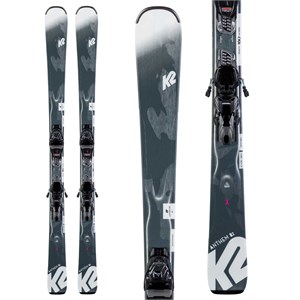
- Rocker Type: All-Terrain Rocker – gradual tip rise with low tail rise for versatility and control
- Core: Bio-Konic Technology – heavier materials at the edges for precision, lighter in the center for forgiveness
- Laminates: Bio-Konic Carbon – provides a stable and responsive feel without added weight
- Sidewalls: Full-Length Sidewalls – deliver solid edge grip and precision on hard snow
The K2 Anthem 82 Skis are built for women skiers who enjoy carving the frontside but want a ski that’s both precise and forgiving. With its All-Terrain Rocker profile, the Anthem 82 feels stable and smooth on hard snow while offering enough versatility to handle variable conditions. The rocker at the tip allows for easy turn initiation, and the camber underfoot ensures great edge grip and responsiveness. This makes it ideal for intermediate skiers aiming to boost their skills, while still friendly enough for confident beginners looking for a performance-oriented ski.
A standout feature is the Bio-Konic core, designed specifically for women. Heavier materials along the ski’s edges improve edge hold, while the lightweight center reduces swing weight, making the ski feel nimble and easy to steer. The carbon laminate enhances energy transfer without adding stiffness, creating a playful but stable ride. Full-length sidewalls add precision and confidence at higher speeds. Paired with ERC 11 TCx Quikclik bindings, this package offers excellent performance with convenient, lightweight step-in features, making the K2 Anthem 82 a strong choice for progression and all-day comfort.
Pros:
- Excellent edge grip and control for carving
- Woman-specific Bio-Konic core improves balance and responsiveness
- Lightweight, forgiving, and stable underfoot
- Bindings included and pre-mounted for convenience
Cons:
- Not ideal for off-piste or powder terrain
- Advanced skiers may outgrow its flex on steeper slopes
6. Völkl Flair 73
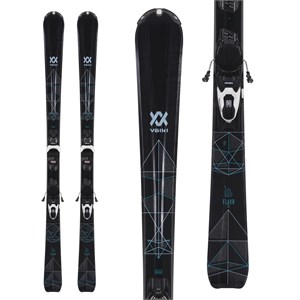
- Rocker Type: Tip Rocker – rises only in the shovel for easier turn initiation and camber through the rest for control
- Core: Composite Core – soft-flexing PU core, ideal for lightweight skiers and beginners
- Shape: Progressive Technology – smooth edge engagement with a forgiving tail for easy turn exits
- Base: P-Tex 2100 – durable sintered base with excellent glide and long-lasting performance
The Völkl Flair 73 Skis with vMotion 10 GW Bindings are an excellent entry-level choice for beginners ready to move beyond rental gear. With a soft flex and forgiving design, these skis offer a smooth, stable ride that encourages learning and builds confidence. The tip rocker design helps initiate turns effortlessly, while the camber underfoot maintains grip and balance through each carve. Völkl’s Progressive Technology and race-inspired design ensure that even new skiers can enjoy a responsive feel without feeling overwhelmed.
The composite core and soft-flexing tail make the Flair 73 both comfortable and easy to control, especially at lower speeds. This setup is perfect for new skiers who are still mastering technique but want a ski that will keep up as they improve. The included vMotion 10 GW bindings provide a reliable, adjustable fit and are compatible with GripWalk boots. Though the bindings aren’t pre-mounted, professional installation ensures perfect alignment. Overall, the Flair 73 is a smooth and confidence-boosting ride that helps make the first seasons on snow more enjoyable and productive.
Pros:
- Easy to turn and control, ideal for beginners
- Smooth ride with excellent comfort and balance
- Durable base and race-inspired quality from Völkl
- Bindings included, compatible with GripWalk boots
Cons:
- Bindings not pre-mounted
- Not suitable for advanced skiers or off-piste terrain
7. Atomic Bent 85
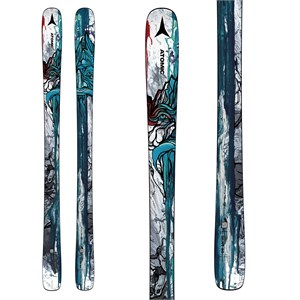
- Rocker Type: All Mountain Rocker – 20% tip rocker / 65% camber / 15% tail rocker for versatility and edge control
- Core: Densolite Core – lightweight foam core for easy handling and vibration dampening
- Sidewalls: Dura Cap Sidewall – durable construction with solid power transmission
- Tail Type: Partial Twin Tip – great for freestyle, but balanced enough for all-mountain use
The Atomic Bent 85 is a versatile, freestyle-inspired ski that works just as well outside the park as it does inside. With its playful flex and lightweight Densolite core, it’s ideal for progressing skiers who want to explore more terrain with confidence. The All Mountain Rocker profile delivers quick, smooth turn initiation and holds a reliable edge on firmer snow. Whether you’re carving down groomers, dipping into trees, or playing around on side hits, the Bent 85 responds with ease and agility.
This ski strikes a great balance between freestyle fun and all-mountain functionality. The Dura Cap Sidewall enhances edge hold and power transfer without adding weight, making the ride both stable and forgiving. It’s a great pick for intermediate to advanced skiers who want something that’s fun, adaptable, and durable without committing fully to park-focused gear. Plus, the graphics are eye-catching, which adds to its appeal for younger or style-conscious skiers. Whether you’re upgrading from rentals or looking for a lightweight all-rounder, the Bent 85 has you covered.
Pros:
- Light and maneuverable for progressing skiers
- Excellent versatility across groomed, slushy, and firm snow
- Good edge grip and stability on steeper runs
- Fun, stylish graphics and forgiving flex
Cons:
- No bindings included
- Lacks float for deep powder days
Buying Used Skis: Sale & Clearance
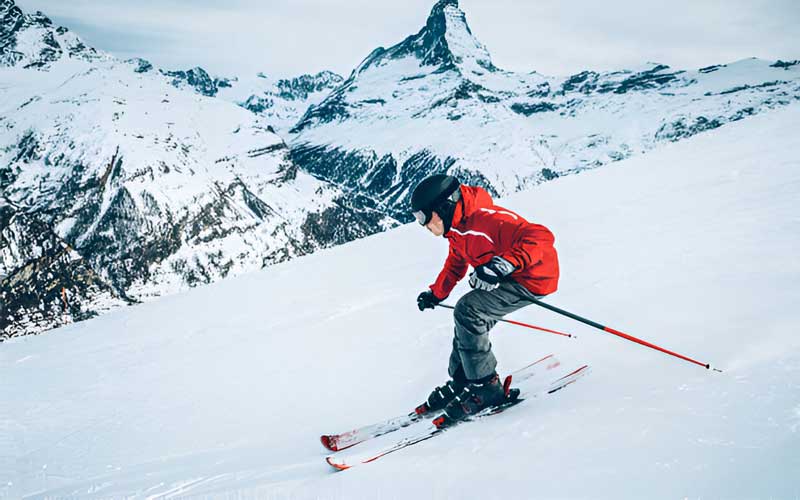
Skiing is an exciting and addictive sport, but buying gear—especially skis—can get expensive fast. One great way to save money while still getting quality equipment is by buying old skis. However, choosing the right used skis isn’t just about picking the cheapest pair. You’ll need to know what to look for, what to avoid, and how to match the skis to your skill level and skiing style. This guide will walk you through everything you need to know about buying skis so you can hit the slopes with confidence and cash to spare.
1. Know Your Skill Level and Skiing Style
Before you shop for second hand skis, you need to be clear about your skill level. Are you a beginner, intermediate, or advanced skier? Do you stick to groomed runs, explore off-piste terrain, or enjoy park features like jumps and rails?
-
Beginners should look for skis that are short, light, and flexible, which help with control and turning.
-
Intermediate skiers can handle slightly longer skis with better edge grip and more stability.
-
Advanced skiers may want stiffer skis built for speed, varied terrain, or aggressive turns.
Your skiing style also matters:
-
All-mountain skis are versatile and ideal for general use.
-
Powder skis are wider and better for deep snow.
-
Carving skis are designed for tight, quick turns on groomed slopes.
-
Park/freestyle skis are twin-tipped and meant for tricks and jumps.
2. Check the Ski Dimensions and Length
Each ski has three key dimensions: tip width, waist width, and tail width. These numbers help determine how the ski will perform on different types of terrain.
-
Narrower waist (70–85mm): Better for groomed trails and carving.
-
Mid-width (85–95mm): Good for all-mountain use.
-
Wider waist (95mm+): Better float in soft snow or powder.
Length is also important. A good rule of thumb for beginners is to choose skis that come up between your chin and nose. More advanced skiers may go longer for more stability at speed.
3. Inspect the Condition Carefully
This is the most important part of buying used skis. A pair that looks good on the surface might still be structurally damaged or overly worn.
Here’s what to inspect:
Base
Flip the ski over and look at the base. Scratches are common and not usually a big deal, but deep gouges or core shots (where the damage reaches the inside layer of the ski) are red flags.
Edges
Check for rust, cracks, or excessive wear on the metal edges. The edges should feel sharp and smooth, not jagged or thin. Bent or cracked edges can ruin a ski’s performance and are expensive to repair.
Top Sheet
Minor scratches or chips on the top sheet are fine. But if you see major cracks or layers peeling off (delamination), move on—those skis are likely at the end of their life.
Bindings
Bindings are crucial for safety. Make sure the bindings:
-
Are not cracked or missing parts
-
Have DIN settings that match your skill level and weight
-
Are compatible with your ski boots
Important: Always have a certified ski technician test and adjust your bindings after buying. Older bindings might not meet current safety standards.
4. Know the Ski’s History (If Possible)
If you’re buying from a ski shop or a reliable online seller, ask about the history of the skis. Questions to ask:
-
How many seasons have they been used?
-
Were they rented or personally owned?
-
Were they regularly tuned or serviced?
A ski that’s been used only a few times by an individual and kept well-maintained is usually a better bet than one that’s been used daily as a rental.
5. Avoid Skis That Are Too Old
Skis have a lifespan, and even well-maintained ones don’t last forever. As a general rule:
-
Avoid skis more than 7–10 years old.
-
Technology and materials have changed significantly over the years.
-
Older skis may have worn-out cores, brittle materials, or outdated bindings that no longer meet safety standards.
Look up the model and year of the skis if possible. Many manufacturers post catalogs or product specs online.
6. Consider Buying from Reputable Sources
While you can find used skis on Craigslist or Facebook Marketplace, it’s safer to buy from sources that inspect and tune their gear. Here are a few options:
-
Ski shops: Many offer demo skis or rentals for sale at the end of the season. These skis are often well-maintained.
-
Online retailers: Websites like Evo, REI Used, or The Ski Monster often list used gear with photos and detailed condition ratings.
-
Ski swaps: These community events (often held at ski resorts or schools) offer deals from individual sellers and retailers. You can often inspect the skis in person.
7. Price Expectations
Second hand can vary widely in price depending on age, condition, brand, and whether bindings are included. Here’s a rough breakdown:
-
Beginner-used skis with bindings: $150–$300
-
Intermediate or all-mountain used skis: $250–$400
-
Recent models or lightly used demo skis: $400+
It’s okay to look for a deal, but be wary of prices that seem too good to be true. Super cheap skis may come with hidden issues.
8. Don’t Forget the Extras
Buying old skis is a great way to save money, but you’ll still need a few extra things:
-
Bindings (if not included)
-
Ski boots: Make sure they are compatible with the bindings
-
Poles: Choose based on your height and skiing style
-
A ski bag: Helps protect your gear, especially if you’re traveling
-
Ski tuning tools or service: Plan to get your skis waxed and tuned before hitting the slopes
9. Summary: Quick Checklist When Buying Second hand Skis
-
✅ Skis match your ability level and terrain preference
-
✅ Length and dimensions suit your height and style
-
✅ Base is free of major gouges or core damage
-
✅ Edges are intact, not cracked or overly worn
-
✅ Top sheet has no signs of delamination
-
✅ Bindings are included, functional, and up to safety standards
-
✅ Skis are under 7–10 years old
-
✅ Seller is reputable or offers a return policy
-
✅ Price matches the ski’s condition and quality
Final Thoughts
Buying old skis can be a smart and budget-friendly way to enjoy the sport without compromising quality or fun. Whether you’re upgrading from rentals, picking up your first pair, or looking to add a second pair to your quiver, used skis offer real value. Just take your time, do a careful inspection, and buy from a trustworthy source. With the right pair, you’ll be carving down the mountain in no time—and with money left for lift tickets or après-ski hot chocolate.