
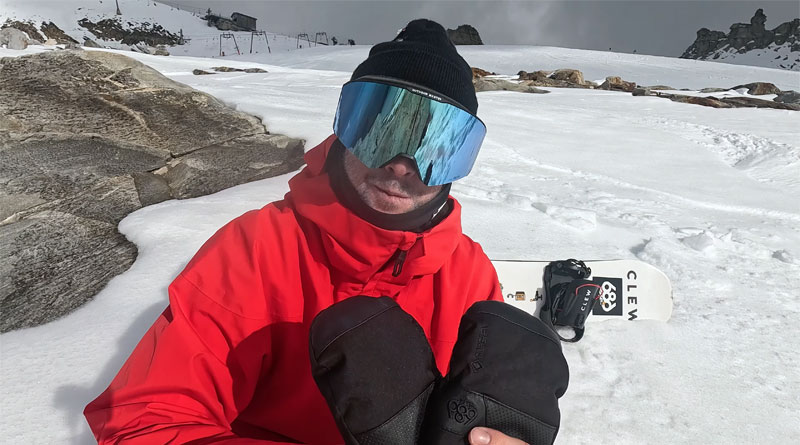
Best Snowboard Mittens of 2027
Snowboard mittens are a must-have for keeping your hands warm and dry on the mountain. They cover your whole hand, letting your fingers share heat, which makes them warmer than gloves. A good pair of mittens will protect you from snow, wind, and freezing temperatures, so you can ride longer without discomfort. Whether you’re carving down groomed slopes or exploring deep powder, the right mittens can make a big difference. In this guide, we’ve picked the best snowboard mittens for warmth, comfort, durability, and waterproofing. From beginner-friendly options to high-performance designs, there’s something here for every rider and budget, helping you enjoy every run in comfort.
1. Burton GORE-TEX Mittens
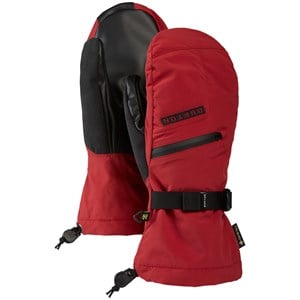
Material: DRYRIDE 2-Layer Fabric with GORE-TEX membrane for waterproofing and breathability
Insulation: Thermacore™ Eco synthetic insulation for warmth without bulk
Lining: Removable Screen Grab® liner with four-way stretch and brushed microfiber lining
Cuff Style: Over-the-cuff design with extended gauntlet for deep snow protection
The Burton GORE-TEX Mittens are designed for riders who need serious weather protection without sacrificing comfort or dexterity. Built with Burton’s DRYRIDE 2-Layer fabric and a GORE-TEX membrane, these mittens keep your hands dry even in the harshest snow conditions. The Thermacore™ Eco insulation offers impressive warmth while remaining lightweight, so you can move your fingers freely without feeling weighed down. A removable Screen Grab® liner allows for added versatility, making these mittens perfect for varying temperatures both on and off the slopes. The extended gauntlet ensures snow stays out, even when you’re riding in deep powder.
Inside, the brushed microfiber lining wicks away moisture to keep your hands dry and comfortable during intense runs. The palm is made from Burton’s exclusive Screen Grab Toughgrip™, giving you full touchscreen control without removing your mittens. The ergonomic pre-curved fit enhances dexterity, so whether you’re adjusting bindings or grabbing your board, your hands stay nimble. Additional features like a hidden heater pocket, adjustable wrist cinch, and soft nose wipe on the thumb make them even more practical for long days in the mountains. With bluesign® approved materials and durable construction, these mittens are a reliable choice for riders seeking lasting performance.
Pros:
- Excellent waterproofing and windproofing
- Removable liner adds versatility
- Comfortable fit with good dexterity
- Touchscreen compatible without removing mittens
Cons:
- Contains PFAS chemicals
- Slightly bulkier than some minimalist designs
See the Burton GORE-TEX See the Women’s Burton GORE-TEX
2. Carhartt A616 Waterproof Mitt

Material: Durable polytex shell with softshell trim and reinforced PU palm
Insulation: Ultra-soft synthetic insulation for warmth in cold conditions
Lining: Performance wicking lining to manage moisture
Cuff Style: Standard cuff with adjustable fit
The Carhartt A616 Waterproof Mitt is a solid choice for anyone who needs a reliable mitten for everyday winter use, from snow removal to casual outdoor activities. Built with a tough polytex shell and reinforced PU palm, these mittens can handle regular wear while providing a secure grip. Inside, the ultra-soft insulation delivers warmth even in below-freezing temperatures, while the waterproof insert keeps your hands dry during snow or wet conditions. The performance wicking lining helps pull sweat away from your skin, which is essential for maintaining warmth over time.
In real-world use, these mittens perform well for extended periods outdoors. Testing them in 15°F (-9°C) weather during two hours of snow blowing and shoveling showed they kept the fingers warm and dry, though the thumb area was a bit snug and lacked enough space for insulation to work effectively. While perspiration can build up inside during longer use, propping them open to dry solves the issue. Sizing runs true but slightly snug, so upsizing is recommended for extra warmth and comfort. Overall, they’re a good value—especially for those who need a durable and warm mitten for regular winter chores.
Pros:
- Durable construction for outdoor work
- Warm insulation keeps fingers comfortable in cold weather
- Waterproof insert maintains dryness
- Good value for the price
Cons:
- Thumb area runs short for some users
- Sizing can feel snug; upsizing may be needed
See the Carhartt A616 Waterproof Mitt
3. Oyuki Chika GORE-TEX
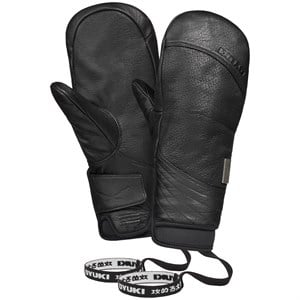
Material: Premium water-resistant goatskin leather shell
Insulation: 200g PrimaLoft® Gold on top and 133g PrimaLoft® Grip on the palm
Lining: Soft tricot lining for comfort and warmth
Cuff Style: Under-the-cuff adjustable double-layer cuff for a secure seal
The Oyuki Chika GORE-TEX Mittens are a premium option designed for women who want both performance and style in extreme winter conditions. The full goatskin leather shell offers excellent durability while naturally repelling moisture. Backed by a GORE-TEX membrane, these mittens are guaranteed to keep your hands dry, no matter how wet or snowy it gets. The PrimaLoft® Gold insulation on the top provides exceptional warmth without bulk, while the PrimaLoft® Grip in the palm enhances dexterity and grip on ski poles, boards, or shovels. The under-the-cuff design, paired with an adjustable double-layer cuff, creates a tight seal against wind and snow.
On the inside, the soft tricot lining feels smooth against the skin, making them comfortable for all-day wear. Small design touches like the Griptex pull tab, hook-and-loop closure, and wrist loop add convenience, while the rounded finger design improves comfort and movement. The Chika also stands out with its Japanese-inspired scale design and Kanji metal badge, giving it a stylish flair without sacrificing functionality. Ideal for cold, snowy days, these mittens offer the warmth and weatherproofing needed for everything from resort riding to backcountry adventures.
Pros:
- Premium leather construction for durability and water resistance
- Excellent warmth-to-weight ratio
- Comfortable, soft tricot lining
- Stylish design with functional details
Cons:
- Leather requires occasional maintenance to keep water resistance
- Higher price compared to basic mittens
See the Oyuki Chika GORE-TEX – Women’s
4. Dakine Excursion GORE-TEX Mittens
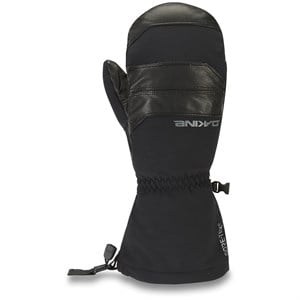
Material: Four-way stretch soft shell and goat leather with DWR finish
Insulation: 230g PrimaLoft® Gold insulation for maximum warmth
Lining: 360g wool blend for added heat retention
Cuff Style: Over-the-cuff gauntlet with one-hand cinch closure
The Dakine Excursion GORE-TEX Mittens are built for riders who refuse to let freezing conditions keep them off the mountain. Designed with a blend of four-way stretch soft shell and premium goat leather, these mittens combine flexibility with long-lasting durability. The GORE-TEX membrane, enhanced with Gore Active Technology, ensures they’re waterproof, windproof, and highly breathable, making them suitable for fast-paced riding or long powder days. The 230g PrimaLoft® Gold insulation traps heat efficiently without adding unnecessary bulk, while the DWR finish on the leather helps repel moisture.
Inside, the 360g wool blend lining provides natural warmth and excellent moisture management, keeping your hands dry and comfortable even during intense activity. The over-the-cuff gauntlet design offers full coverage, and the one-hand cinch closure makes it easy to adjust on the go. With a warmth rating of 5—the highest on Dakine’s scale—these mittens excel in extreme cold, deep powder, and all-day winter missions. The durable leather palm not only enhances grip but also resists wear, making them a reliable investment for multiple seasons.
Pros:
- Maximum warmth for extreme cold
- Premium leather construction with moisture-repelling finish
- Breathable yet fully waterproof
- Easy one-hand cuff adjustment
Cons:
- Bulkier than some midweight mittens
- Premium price point
See the Dakine Excursion GORE-TEX
5. Gordini Foundation – Women’s
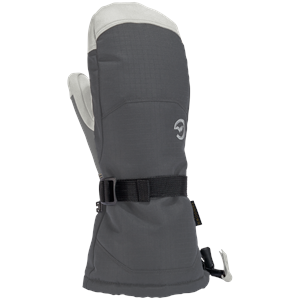
Material: Polyester ripstop shell with bluesign® approved materials
Insulation: 80 g/m² Thindown® insulation built into removable liner
Lining: Moisture-wicking lining to keep hands dry
Cuff Style: Over-the-cuff gauntlet with drawcord closure and wrist strap
The Gordini Foundation Mittens are designed for women who want dependable warmth and weather protection without sacrificing comfort. The durable polyester ripstop shell holds up well to regular use, while the AquaBloc® membrane provides waterproof, windproof, and breathable protection. Thindown® insulation, built directly into the fabric, prevents cold spots and shifting, ensuring consistent warmth throughout the mitten. The removable liner adds versatility for different conditions, making them suitable for both frigid days and milder winter weather.
The palm, fingers, and trim use CLUTCH™ synthetic leather, which delivers excellent abrasion resistance and grip while being animal-free and more environmentally friendly than traditional leather. Inside, the moisture-wicking lining works to keep sweat at bay, preserving insulation efficiency. The drawcord closure and wrist strap keep snow out, while features like a leash and nose wipe add practical convenience. These mittens offer solid warmth for all-day skiing, snowboarding, or general winter adventures, with a construction that balances durability, functionality, and sustainability.
Pros:
- Consistent warmth with no cold spots
- Waterproof and windproof membrane
- Durable, eco-friendly synthetic leather palm
- Removable liner for versatile use
Cons:
- Contains PFAS chemicals
- Slightly heavier than some synthetic-only mittens
See the Gordini Foundation – Women’s
6. Oyuki Pep GORE-TEX Trigger Mitts
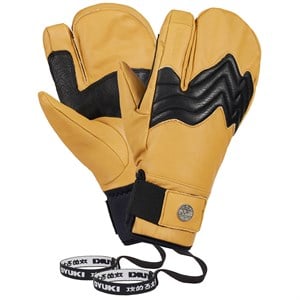
Material: Premium water-resistant goatskin leather shell
Insulation: 200g PrimaLoft® Gold on top and 133g PrimaLoft® Eco Grip in the palm
Lining: Soft tricot lining for comfort
Cuff Style: Under-the-cuff neoprene cuff with hook-and-loop closure
The Oyuki Pep GORE-TEX Trigger Mitts are a versatile choice for riders who want the warmth of a mitten with the dexterity of a glove. Designed in collaboration with pro skier Pep Fujas, these full-leather mitts are built for demanding conditions. The premium goatskin leather shell offers excellent durability and natural water resistance, while the GORE-TEX insert guarantees waterproof and breathable performance. The unique trigger-finger design allows for better grip and control when handling poles, buckles, or gear, making them ideal for technical riders.
Inside, 200g of PrimaLoft® Gold insulation on top provides exceptional warmth without adding bulk, while 133g of PrimaLoft® Eco Grip in the palm ensures a secure hold and added durability. The tricot lining feels smooth against the skin, and the fitted neoprene cuff keeps snow and wind out. Additional touches like wrist loops, reinforced palms, and Pep’s custom snowflake-and-mountain logo add both practicality and style. These mitts are perfect for cold weather riding where warmth, control, and durability are all top priorities.
Pros:
- Excellent balance of warmth and dexterity
- Durable full-leather construction
- Secure, comfortable cuff design
- Reinforced palm for long-term wear
Cons:
- Leather requires maintenance to stay water-resistant
- Under-the-cuff style may allow snow in during deep powder days
See the Oyuki Pep GORE-TEX Trigger Mitts
7. Oyuki Icho GORE-TEX
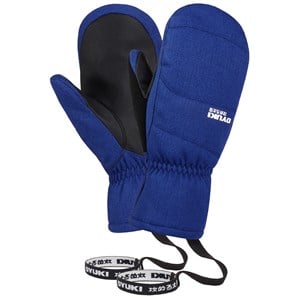
Material: DWR-treated shell with abrasion-resistant PU palm
Insulation: 150g Hitaloft™ on top and 80g Hitaloft™ in the palm
Lining: Tricot lining with removable 220 GSM polyester/elastane inner liner
Cuff Style: Over-the-cuff gauntlet with drawstring closure
The Oyuki Icho GORE-TEX Mittens are a durable and practical choice for riders seeking reliable winter protection without breaking the bank. The outer shell features a DWR treatment to repel moisture, while the abrasion-resistant PU palm ensures long-lasting grip and wear resistance. A GORE-TEX insert provides guaranteed waterproof and breathable performance, keeping your hands dry even in heavy snow or slushy conditions. The 150g Hitaloft™ insulation on top and 80g in the palm offer a solid balance of warmth and dexterity, making these mittens versatile for a range of temperatures.
Inside, the tricot lining feels soft against the skin, and the removable inner liner adds adaptability for varying weather conditions. The over-the-cuff gauntlet with a drawstring closure keeps snow out, and the wrist loop ensures you won’t lose them on the chairlift. Touchscreen compatibility means you can use your phone without removing your mittens, a handy feature for quick photos or checking trail maps. Overall, the Icho mittens combine the durability and weatherproofing Oyuki is known for with a price point that makes them a smart buy for everyday resort riders or budget-conscious snowboarders.
Pros:
- Durable construction with abrasion-resistant palm
- Waterproof GORE-TEX insert
- Removable liner for versatility
- Touchscreen compatible
Cons:
- Not as warm as Oyuki’s premium models
- Bulkier fit may reduce fine dexterity
8. Carhartt Women’s Quilts Insulated Mitten

Material: Recycled ripstop taffeta shell with quilted stitching and PU palm
Insulation: Ultrasoft polyfill insulation for warmth in cold weather
Lining: Force® antimicrobial and moisture-wicking lining
Cuff Style: Stretch fleece cuff for a snug fit
The Carhartt Women’s Quilts Insulated Mitten is a budget-friendly yet impressively warm choice for cold-weather adventures. Designed with a recycled ripstop taffeta shell and a durable PU palm, these mittens balance comfort with practicality. The waterproof insert provides reliable protection from snow and slush, while the Force® lining helps wick away moisture and prevent odor buildup. The stretch fleece cuff adds to the comfort, sealing out cold air without feeling restrictive. With ultrasoft polyfill insulation, these mittens trap heat effectively, making them a great pick for everything from casual winter walks to travel in extreme climates.
In real-world use, these mittens have proven their worth in frigid conditions. One standout feature is the roomy fit, which allows you to slip in a hand warmer for extra cold days—though for most conditions, the mittens themselves keep hands toasty without additional help. Even after brief exposure to icy winds, hands warm up quickly once back inside the mittens. The lightweight design also makes them easy to pack for trips. While they may not have the same technical features as high-end snowboarding mittens, their warmth, comfort, and value make them an excellent everyday winter option, especially for those prone to cold hands.
Pros:
- Very warm for the price
- Waterproof insert for reliable protection
- Roomy enough for hand warmers
- Comfortable stretch fleece cuff
Cons:
- Not designed for high-intensity snow sports
- Less durable than full-leather mittens
See the Carhartt Women’s Quilts Insulated Mitten
How to Choose Snowboard Mittens?
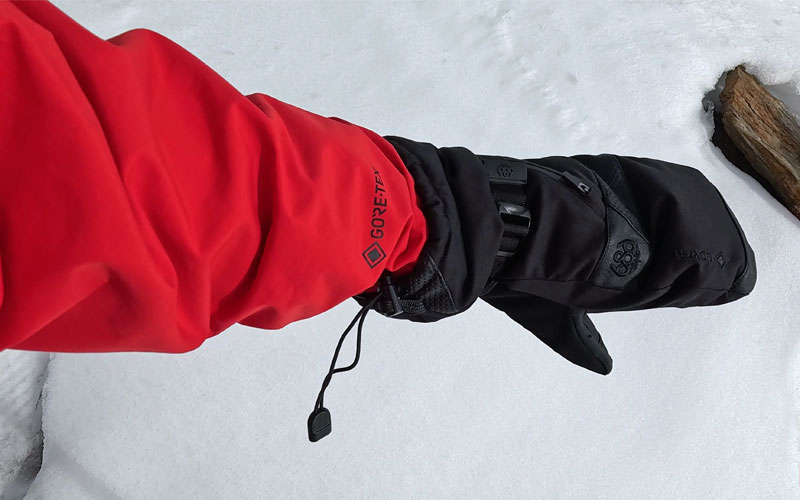
Snowboarding is a sport that demands full commitment—physically, mentally, and financially. You spend hundreds on a board, bindings, boots, and a waterproof jacket. Yet many riders overlook one of the smallest but most critical pieces of gear: their mittens. Cold, wet hands can ruin a perfect powder day faster than a blown edge. Unlike gloves, mittens keep your fingers together, sharing warmth and maximizing circulation. But not all mittens are created equal. Choosing the right pair involves understanding materials, insulation, fit, features, and your specific riding style. This 1500-word guide breaks down every factor you need to consider, from waterproof ratings to leash systems, so you can ride longer, warmer, and happier.
Why Mittens Beat Gloves for Snowboarding (Most of the Time)
Before diving into the details, let’s settle the glove versus mitten debate. Gloves offer dexterity—you can adjust bindings, zip pockets, or use your phone without removing them. However, that dexterity comes at a thermal cost. Each finger is isolated, meaning less shared warmth and more surface area exposed to cold air. Mittens, by contrast, keep your fingers together in one insulated chamber. Your fingers warm each other, and the reduced surface area means less heat loss. For most snowboarders, especially in temperatures below 20°F (-6°C), mittens are the superior choice. You can always wear a thin liner glove underneath for tasks that require fingers, then slip the mitten back on. The only exception is if you absolutely need constant finger dexterity—like a backcountry guide who frequently adjusts equipment—but even then, many pros choose mittens with a trigger finger or a three-finger design.
The Core Anatomy of a Snowboard Mitten
Understanding the layers of a mitten helps you evaluate quality. Every mitten has four basic components:
- Shell: The outer layer that blocks wind, water, and abrasion. Usually made of nylon, polyester, or leather.
- Membrane: A waterproof and breathable barrier (e.g., Gore-Tex, DryVent, or proprietary coatings). Not all mittens have a separate membrane—some rely on treated leather.
- Insulation: The thermal layer. Synthetic (Thinsulate, PrimaLoft) or natural (down, wool).
- Lining: The inner fabric against your skin. Often fleece, taffeta, or wool for comfort and moisture management.
Each component affects warmth, breathability, durability, and price. Let’s examine the key decision factors one by one.
1. Waterproofing and Breathability: The Dry Hand Equation
Waterproof Ratings Explained
Waterproofing is measured in millimeters (mm) of water a fabric can withstand before leaking. For snowboarding, you want at least 10,000mm, but 15,000mm or higher is better for wet snow or rainy conditions. However, a high waterproof rating means nothing if the seams aren’t sealed. Look for “fully taped seams” or “critical seam sealing.” Cheaper mittens often only have a DWR (Durable Water Repellent) finish, which wears off. A true waterproof membrane like Gore-Tex or a similar laminate is worth the investment.
Breathability: Don’t Sweat the Small Stuff
Breathability is measured in grams of moisture vapor per square meter per 24 hours (g/m²/24h). Higher numbers mean better moisture escape. If your hands sweat inside the mitten, that moisture will eventually make you cold—even if the outside is dry. Look for breathability ratings above 5,000g, ideally 10,000g+. Leather mittens (like Hestra or Kinco) are naturally breathable but less waterproof unless treated. Synthetics with membranes offer the best balance.
Waterproof vs. Water-Resistant: Know the Difference
- Waterproof: Membrane + taped seams. Keeps water out under pressure (e.g., grabbing snow).
- Water-resistant: DWR coating or tight weave. Sheds light snow but fails in wet conditions.
- Leather: Can be waterproof if treated with wax (e.g., Sno-Seal), but requires maintenance.
2. Insulation: Warmth Without the Bulk
Insulation traps air to keep heat in. The two main categories are synthetic and down.
Synthetic Insulation
PrimaLoft, Thinsulate, and other synthetics are the most common in snowboard mittens. They retain warmth even when wet, dry quickly, and are hypoallergenic. PrimaLoft Gold or Silver are top-tier, offering warmth-to-weight ratios close to down. For most riders, 100–200g of synthetic insulation is plenty for resort riding. Heavier insulation (200g+) is for extreme cold or riders with poor circulation.
Down Insulation
Down is warmer for its weight but loses insulation when wet. If you choose down mittens, ensure they have a waterproof membrane and treated down (like DriDown or DownTek). Down mittens are often lighter and more packable, making them great for backcountry touring. Fill power (550–900+) indicates quality—higher fill power means more loft and warmth per ounce.
Wool and Fleece
Some mittens use wool as insulation or lining. Wool regulates temperature and stays warm when damp, but it’s not as warm as synthetic or down for the same thickness. Fleece linings are comfortable but add little warmth on their own.
| Insulation Type | Warmth When Wet | Breathability | Weight | Best For |
|---|---|---|---|---|
| Synthetic (PrimaLoft) | Excellent | Good | Medium | Resort, wet snow |
| Down (treated) | Poor (unless treated) | Excellent | Light | Cold, dry, backcountry |
| Wool | Good | Excellent | Heavy | Spring, touring |
| Fleece (lining only) | Fair | Good | Light | Mild temps, layering |
3. Fit and Dexterity: The Goldilocks Zone
A mitten that’s too tight restricts circulation and makes your hands colder. Too loose and you lose dexterity, plus air pockets reduce warmth. The ideal fit is snug but not tight—you should be able to wiggle your fingers freely. Try mittens on with your typical liner gloves. Check the length: the mitten should cover your wrist and overlap your jacket cuff to prevent snow from entering. Many snowboard-specific mittens have a long gauntlet (cuff) that goes over the jacket sleeve.
Liner Gloves: A Game-Changer
Wear a thin liner glove (merino wool or synthetic) under your mittens. This adds warmth, wicks moisture, and lets you remove the mitten for tasks without exposing bare skin. Look for liners with touchscreen-compatible fingertips.
Trigger Finger and Three-Finger Mittens
Some hybrid designs offer a separate index finger (trigger finger) for dexterity while keeping other fingers together. Three-finger mittens (like “lobster claws”) group index and middle fingers separately from ring and pinky. These are compromises—better than gloves for warmth, better than mittens for dexterity. If you frequently adjust your bindings or use a camera, consider these hybrids.
4. Materials and Durability: Built to Last
Snowboard mittens take a beating—grabbing edges, strapping in, falling. The shell material determines durability.
- Leather: Goat, cow, or synthetic leather. Extremely durable, breathable, and grippy. Requires waxing to maintain water resistance. Hestra and Kinco are popular leather choices.
- Nylon/Polyester: Lightweight, cheap, and often waterproof. Less abrasion-resistant than leather. Look for ripstop or high-denier fabrics (e.g., 100D).
- Softshell: Stretchy, breathable, but only water-resistant. Good for spring or touring.
- Rubberized Palm: Some mittens have rubber or silicone palms for grip. Great for grabbing boards, but can crack in extreme cold.
Reinforced palms and thumbs are a must if you ride frequently. Stitching should be tight and double-stitched at stress points.
5. Features That Matter (and Some That Don’t)
Must-Have Features
- Wrist Leash: A cord that attaches the mitten to your wrist. Prevents dropping a mitten off the lift. Essential.
- Adjustable Wrist Strap: Cinches the mitten around your wrist to seal out snow.
- Cuff Cinch: A drawcord at the gauntlet to tighten over your jacket.
- Nose Wipe: A soft patch on the thumb for wiping your nose or goggles. Surprisingly useful.
- Removable Liners: Allows you to dry liners separately or swap for different weights.
Nice-to-Have Features
- Touchscreen Compatibility: Conductive fingertips or thumbs. Works okay, but often less responsive than bare fingers.
- Heated Mittens: Battery-powered heating elements. Expensive, heavy, and batteries can die. Great for Raynaud’s or extreme cold.
- Goggle Wipe: A squeegee on the thumb. Rare but handy.
- Carabiner Loop: For clipping mittens to your pack.
Features to Avoid
- Thick, bulky liners: They reduce dexterity and can bunch up.
- Non-removable liners that aren’t quick-drying: They get smelly and cold.
- Overly complex closures: More straps mean more failure points.
6. Temperature Ratings: A Grain of Salt
Many brands list temperature ratings (e.g., “-20°F to 10°F”). These are rough estimates based on average users. Your personal tolerance, activity level, and layering affect actual comfort. A better approach: match insulation weight to your typical conditions.
- Mild (25°F to 35°F): Light insulation (40–100g), softshell or uninsulated leather.
- Moderate (15°F to 25°F): Medium insulation (100–200g), waterproof shell.
- Cold (0°F to 15°F): Heavy insulation (200–300g), down or high-loft synthetic.
- Extreme (below 0°F): Expedition mittens with 300g+ insulation, often overmitts.
Remember: if you run cold, size up and add a liner. If you run hot, choose less insulation and rely on breathability.
7. Budget vs. Investment: What to Expect at Each Price Point
| Price Range | Typical Materials | Waterproofing | Durability | Best For |
|---|---|---|---|---|
| $30–$60 | Basic nylon, synthetic insulation | DWR only, no membrane | 1–2 seasons | Occasional riders, mild climates |
| $60–$120 | Nylon with membrane, PrimaLoft | 10k/10k, taped seams | 2–4 seasons | Most resort riders |
| $120–$200 | Leather or high-end synthetics, Gore-Tex | 20k+ waterproof, fully taped | 5+ seasons | Frequent riders, cold climates |
| $200–$350+ | Expedition down, leather, heated | Premium membranes, treated down | 5–10 seasons | Backcountry, extreme cold, pros |
You don’t need to spend $300, but avoid the $20 gas-station specials. A good mid-range mitten ($80–$150) will last years and keep you comfortable.
8. Care and Maintenance: Make Them Last
Even the best mittens degrade without care. Follow these tips:
- Clean regularly: Dirt and sweat clog membranes and reduce breathability. Hand wash with mild soap (Nikwax Tech Wash) and air dry.
- Re-waterproof: Apply DWR spray or wax (for leather) each season.
- Dry properly: Never put mittens on a radiator or in a dryer. Stuff with newspaper and air dry at room temperature.
- Store loosely: Don’t compress insulation. Hang them or lay flat.
- Treat leather: Use a leather conditioner or wax to prevent cracking.
9. Special Considerations for Snowboarders
Snowboarding differs from skiing in a few ways that affect mitten choice:
- More time on hands: You sit, kneel, and push. Reinforced palms are crucial.
- Binding adjustments: You’ll need to strap in and out. Trigger finger mittens or liners help.
- Lift rides: Windchill on the lift is brutal. A long gauntlet and wrist leash are essential.
- Wet snow: Snowboarding often involves grabbing snow (e.g., methods). Waterproofing is non-negotiable.
10. Trying Before Buying: Fit Test Checklist
If possible, visit a shop and try on several pairs. Use this checklist:
- Put on your liner gloves first.
- Slide your hand in. You should feel no tightness across the knuckles.
- Make a fist. The mitten should not restrict movement.
- Check the wrist strap—it should cinch snugly without cutting off circulation.
- Ensure the gauntlet fits over your jacket sleeve.
- Test the leash—it should be long enough to remove the mitten without detaching.
- Simulate grabbing a snowboard edge. The palm should have grip and padding.
- If buying online, order two sizes and return the wrong one.
Final Thoughts: Prioritize Warmth, Dryness, and Fit
Choosing snowboard mittens is not about brand hype or the latest gimmick. It’s about matching materials and features to your riding conditions, body chemistry, and budget. For most riders, a mid-weight synthetic mitten with a waterproof membrane, leather palm, wrist leash, and removable liner will cover 90% of days. If you ride in extreme cold or wet coastal snow, invest more. If you ride mostly in spring, go lighter. Always prioritize fit—a poorly fitting mitten will be cold no matter how much you spend. And never underestimate the power of a good liner glove and a nose wipe. With the right mittens, your hands stay warm, dry, and happy—which means more laps, more smiles, and no mid-run stops to warm your fingers in your armpits. Now go ride.