Best Apres-ski Boots of 2026
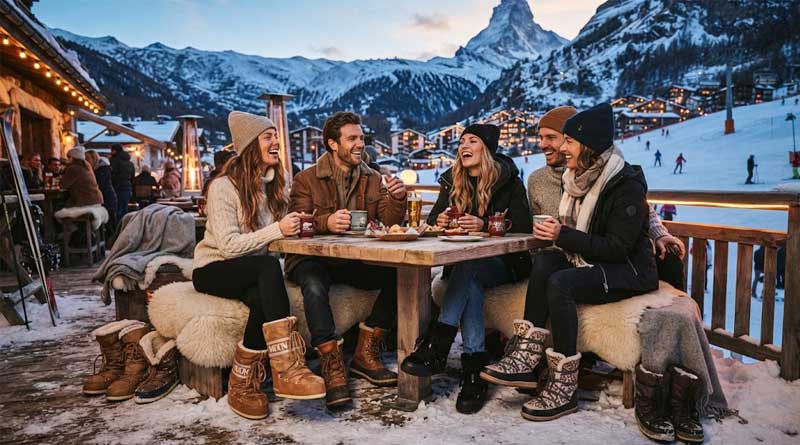
When the ski lifts close and the mountain goes quiet, the real fun begins. Après-ski is all about relaxing with friends, sharing stories, and enjoying warm drinks after a cold day on the slopes. But your heavy ski boots are the last thing you want to keep on. That’s why having a pair of comfortable, easy-to-wear apres-ski boots is essential. They let your feet breathe, keep them warm, and make moving around feel effortless. This guide will help you find the best pair for your needs, so you can enjoy every moment of your mountain getaway.
1. Stio Colter
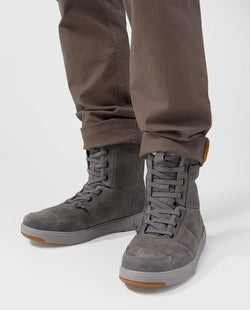
- Insulation: 200 grams of warm fleece lining
- Waterproofing: Waterproof membrane with nubuck and suede upper
- Closure: Flex Gusset back cuff with elastic laces
- Weight: 20.15 oz per boot
The Stio Colter blends the rugged protection of a winter boot with the easy comfort of a sneaker. Its weather-resistant nubuck upper and suede overlays shrug off slush and snow, while the waterproof membrane and 200 grams of fleece insulation keep feet warm and dry through long days outside. The treaded outsole grips confidently on icy or slick pavement, making it a dependable choice for apres ski strolls or errands around a snowy town.
The Flex Gusset back cuff is a standout feature, letting you slip the boot on and off without fussing over laces, while the elastic closure keeps the fit snug. A bio-based EVA midsole adds a sustainable touch without sacrificing cushioning, giving this boot both performance credentials and everyday livability.
Pros:
- Easy slip-on design with Flex Gusset cuff
- Warm, fully waterproof construction
- Strong traction on icy surfaces
- Eco-conscious midsole materials
Cons:
- Higher price point than casual boots
- Tall collar may feel bulky for some
View Men’s at Stio View Women’s at Stio
View Men’s at Stio (Tall) View Women’s at Stio (Tall)
2. Columbia Venturetrot
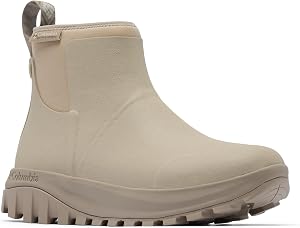
- Upper: Vulcanized rubber with stretch collar
- Cushioning: Techlite Eco midsole with 20% recycled content
- Traction: Adapt Trax outsole for wet, slippery terrain
- Build: Reinforced stitching for long-term durability
The Columbia Venturetrot is designed for wet, slushy conditions that would defeat a typical winter boot. Its vulcanized rubber upper and stretch collar seal out moisture while allowing easy entry, and the Techlite Eco cushioning delivers lightweight comfort with impressive energy return across long days of standing or walking on varied surfaces.
Where the Venturetrot really shines is traction. The Adapt Trax outsole uses a specialized tread pattern that bites into wet terrain, giving confident footing on slick sidewalks or melting snowbanks. Combined with Columbia’s attention to material quality and construction, this boot is built to handle several seasons of rain and slush without breaking down.
Pros:
- Excellent grip in wet and slushy conditions
- Lightweight, cushioned Techlite Eco footbed
- Recycled content supports sustainability
- Durable rubber upper resists water
Cons:
- Less insulated than fleece-lined alternatives
- Rubber upper may feel less breathable
3. The North Face ThermoBall Traction Mule V
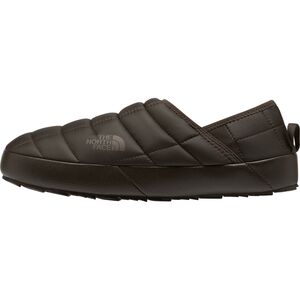
- Insulation: PrimaLoft ThermoBall Eco, warm even when wet
- Sole: Rubber outsole made with 40% recycled content
- Weight: 8.1 oz per boot
- Closure: Slip-on with elastic for a secure fit
The North Face ThermoBall Traction Mule V is built for the moments between activities, whether that means dashing to the car after a ski day or lounging around a mountain cabin. Its ripstop exterior resists water and abrasion, while the PrimaLoft ThermoBall Eco insulation keeps feet warm even if the bootie gets damp, a rare trait for such a lightweight design.
At just 8.1 ounces, this mule is remarkably easy to pack or slip on for quick outdoor trips. The rubber sole, made with 40 percent recycled material, grips reliably on both wet and dry surfaces, making it a practical apres ski companion rather than a true all-day hiking boot.
Pros:
- Extremely lightweight and packable
- Insulation performs even when wet
- Quick slip-on and off design
- Recycled materials in the outsole
Cons:
- Not intended for long treks
- Minimal ankle support compared to boots
View Men’s at Backcountry View Women’s at Backcountry
4. HOBIBEAR Women’s Snow Boots

- Waterproofing: Seam-sealed membrane bootie construction
- Warmth: Faux fur collar with excellent insulation
- Toe/Heel: Leather-reinforced for added durability
- Lining: Moisture-wicking fleece with cushioned footbed
HOBIBEAR’s Women’s Snow Boots offer a cozy, mid-calf silhouette built for everyday winter wear. The seam-sealed waterproof membrane keeps moisture from rain or snow at bay, while the soft faux fur collar and fleece lining add a comforting layer of warmth that feels good from the first step outside.
Reinforced leather at the toe and heel extends the boot’s lifespan against scuffs and rough terrain, and the cushioned footbed supports long stretches of standing or walking. An adjustable lacing system paired with the traction-enhanced outsole rounds out a boot suited for icy sidewalks and cold commutes alike.
Pros:
- Comfortable faux fur lined collar
- Reliable waterproof protection
- Reinforced toe and heel for durability
- Good traction on slippery surfaces
Cons:
- Sizing can run narrow for some
- Bulkier profile than sleeker boots
See the HOBIBEAR Women’s Snow Boots
5. NORTIV 8 Men’s Winter Boots

- Insulation: 200g 3M Thinsulate, rated to -25°F
- Waterproofing: Wind and water-resistant upper with waterproof shell
- Traction: Slip-resistant rubber outsole for snow, ice, and mud
- Fit: Hook-and-loop ankle strap with toggle laces
The NORTIV 8 Men’s Winter Boots are engineered for serious cold, with 200 grams of 3M Thinsulate insulation rated to handle temperatures as low as -25°F. The water-resistant upper and waterproof shell work together to keep feet dry through snow, rain, or slushy trails, while the faux-fur insole adds a plush layer of comfort.
A slip-resistant rubber outsole provides steady footing across icy, muddy, or uneven terrain, making these boots a solid pick for shoveling snow, ice fishing, or general winter chores. The hook-and-loop ankle strap combined with toggle laces allows a quick, secure fit, though buyers should note the sizing tends to run small.
Pros:
- Rated for extremely low temperatures
- Reliable all-terrain traction
- Quick adjustable strap and lace system
- Roomy enough for jeans or snow pants
Cons:
- Runs small; sizing up recommended
- Bulkier build than lightweight options
See the NORTIV 8 Men’s Winter Boots
6. NORTIV 8 Men’s Winter Hiking Boots
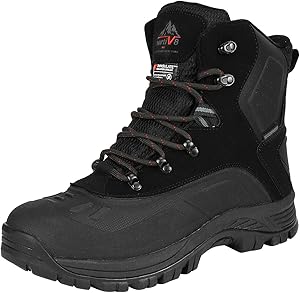
- Insulation: 200g material, rated to -25°F
- Waterproofing: Waterproof build with windproof synthetic toe cap
- Insole: Removable and washable for easy care
- Outsole: Slip-resistant, abrasion-resistant rubber
Built with an outdoor focus, the NORTIV 8 Men’s Winter Hiking Boots pair 200 grams of insulation with a fully waterproof, windproof construction that holds up in temperatures down to -25°F. The synthetic toe cap guards against impact, while the plush pile fabric lining wicks moisture and cushions each step to reduce fatigue.
The removable, washable insole is a practical touch for keeping the boots fresh after muddy or snowy outings, and the flexible rubber outsole adapts well to varied terrain, from icy trails to rocky paths. These boots suit anyone who splits time between daily winter errands and outdoor sports like skiing or mountaineering.
Pros:
- Warm insulation rated for extreme cold
- Removable, washable insole for easy upkeep
- Durable, flexible outsole for varied terrain
- Windproof toe cap adds protection
Cons:
- Not the lightest boot in its class
- Break-in period may be needed
See the NORTIV 8 Men’s Winter Hiking Boots
7. SHIBEVER Women’s Winter Boots

- Closure: Side-zipper with smooth metal zip
- Waterproofing: Waterproof, breathable upper material
- Lining: Soft faux fur for warmth and comfort
- Outsole: Deep tread, shock-absorbing anti-slip sole
SHIBEVER’s Women’s Winter Boots make getting ready for cold weather simple thanks to a sturdy side-zipper closure that allows quick, hassle-free wear. The waterproof upper keeps rain and snow out, while the breathable fabric helps prevent sweat buildup during active days, striking a nice balance between protection and comfort.
Inside, a plush faux fur lining hugs the foot for lasting warmth, and the deep-tread, shock-absorbing outsole delivers stable traction on icy or slippery ground. With a sleek, minimalist look available in sizes 5 through 12, these boots transition easily from work to weekend winter outings.
Pros:
- Quick and easy side-zip closure
- Warm, plush faux fur interior
- Strong anti-slip, shock-absorbing sole
- Stylish design suits multiple occasions
Cons:
- Zipper may wear over heavy use
- Limited insulation for extreme cold
See the SHIBEVER Women’s Winter Boots
8. ALEADER Men’s Waterproof Boots

- Waterproofing: Seam-sealed, waterproof outsole construction
- Comfort: Cushioned footbed with cold-weather insulation
- Entry: Drawstring closure with ankle velcro strap
- Use case: Built for general outdoor winter activities
The ALEADER Men’s Waterproof Boots focus on straightforward, dependable cold-weather protection. A seam-sealed waterproof outsole keeps feet dry when trudging through rain, slush, or wet snow, while the cushioned footbed and built-in insulation provide a comfortable layer of warmth for extended outdoor time.
Getting them on and off is easy thanks to a combined drawstring and ankle velcro strap, which also helps secure a snug fit without much fuss. While not the flashiest option on this list, these boots are a practical, affordable choice for stomping through winter weather on daily errands or casual outdoor adventures.
Pros:
- Simple, secure drawstring and velcro fit
- Solid waterproof protection
- Comfortable, insulated footbed
- Budget-friendly winter option
Cons:
- Less refined styling than premium brands
- Traction may lag on pure ice
See the ALEADER Men’s Waterproof Boots
How to Choose Apres Ski Boots: Your Complete Guide
After a long, thrilling day carving down snowy slopes, nothing beats the feeling of kicking off your stiff, heavy ski boots. But what do you slip into next? That is where apres ski boots come in. These are not just any ordinary winter boots. They are your ticket to comfort, warmth, and style during the best part of the mountain day—relaxing with friends, enjoying hot drinks, and exploring the village.
Choosing the right pair can feel tricky with so many options on the market. Do you go for shearling liners? Waterproof materials? Slip-on or lace-up? This guide will walk you through every important factor in simple language, so you can make the best choice for your feet and your winter adventures.
What Exactly Are Apres Ski Boots?
Before we dive into the details, let us clarify what we mean by apres ski boots. These are casual, comfortable boots designed specifically for wearing after skiing. They are not meant for the slopes. Instead, they are built for walking around ski resorts, lounging in chalets, and keeping your feet warm in cold, snowy conditions. The best ones are easy to put on and take off, have good grip for icy surfaces, and feel like slippers but look like stylish winter footwear.
Why Your Regular Winter Boots Won’t Cut It
You might wonder, “Can I just wear my everyday snow boots?” Technically, yes. But here is why apres ski boots are a smarter choice:
- Ease of use: After wrestling with ski boot buckles, you want something you can slide into within seconds. Apres boots often have wide openings and simple fastenings.
- Lightweight feel: Ski boots are heavy. Apres boots are designed to feel almost weightless, giving your legs a much-needed break.
- Warmth without bulk: They use specialized liners that trap heat efficiently without making your feet sweat.
- Better traction: Many have special rubber soles that grip ice and packed snow better than standard winter boots.
Key Factors to Consider When Choosing Apres Ski Boots
Now, let us get into the nitty-gritty. Here are the most important things to think about before you buy.
1. Insulation and Warmth
Your feet have been squeezed into tight ski boots all day, and they might be cold. The primary job of apres boots is to warm them up quickly. Look for boots with quality insulation materials like:
- Shearling or wool liners: These are natural, breathable, and incredibly warm. They also wick moisture away, so your feet stay dry.
- Faux fur: A synthetic but affordable option that provides decent warmth and a cozy feel.
- Thinsulate or Primaloft: These are synthetic insulations that offer high warmth without adding too much thickness.
If you tend to get very cold feet, opt for boots with a thicker, plush liner. If you run warm, a lighter fleece might be enough.
2. Sole and Traction
Resorts can be icy and slippery. The last thing you want is to fall while carrying your hot cocoa. The sole of your apres boot is critical for safety.
- Rubber outsoles: Look for deep, multidirectional lugs (the tread pattern). These provide grip on snow and ice.
- EVA midsoles: These make the boot lightweight and absorb shock when you walk on hard, frozen ground.
- Winter-specific compounds: Some brands use rubber that stays flexible in freezing temperatures, giving you better traction.
Avoid boots with flat, smooth soles, even if they look stylish. They will be useless on a slippery slope.
3. Waterproofing
Snow is wet. Slush is wetter. Your apres boots need to keep your feet dry, or you will be miserable. Check for these features:
- Waterproof membranes: Materials like Gore-Tex or similar proprietary fabrics keep water out while letting sweat escape.
- Sealed seams: This prevents water from seeping in through the stitching.
- Water-resistant uppers: Leather or synthetic nubuck that has been treated to repel moisture.
Keep in mind that fully waterproof boots are great for deep snow, but they might be less breathable. If you plan to wear them indoors a lot, consider a balance between water resistance and airflow.
4. Entry and Closure System
This is where apres boots truly shine compared to regular boots. After a tiring ski day, convenience is everything.
- Slip-on (pull-on): These are the ultimate in ease. Just step in and go. They often have side zippers or elastic gores for a snug fit.
- Lace-up: These offer a more adjustable fit. You can tighten them around the ankle for more support or leave them loose for a relaxed feel.
- Velcro straps: A rare but handy option for quick adjustments, especially for kids or those with limited dexterity.
- Side zippers: Many apres boots combine a slip-on design with a full-length side zipper, making them incredibly easy to put on and take off.
Think about what matters most to you: speed or a customized fit.
5. Fit and Comfort
This is non-negotiable. A boot that does not fit well will ruin your apres-ski experience. Here is what to look for:
- Room for thick socks: You will likely wear warm, thick wool socks. Make sure the boot has enough space without being too tight.
- Wide toe box: Your toes need room to wiggle. After being cramped in ski boots, this is a huge relief.
- Heel hold: The boot should not slip up and down at the heel when you walk. A good heel cup keeps your foot stable.
- Cushioning: A padded insole or footbed adds all-day comfort, especially if you plan to walk long distances.
Try boots on with the socks you plan to wear. Walk around the store. If you are buying online, check the return policy so you can exchange if the size is off.
6. Style and Aesthetics
Let us be honest—style matters. Apres-ski is as much about looking good as it is about feeling good. The good news is that apres boots come in many designs:
- Classic mountain chic: Think shearling-trimmed leather boots in neutral colors like brown, black, or tan.
- Modern and sporty: Sleek, synthetic boots in bold colors with technical fabrics.
- Cozy cabin vibes: Plush, fluffy boots that look like they belong next to a fireplace.
- Chunky and rugged: Heavy-duty soles and durable uppers for a more utilitarian look.
Choose a style that matches your personal taste and the typical apres scene you will be in—whether that is a fancy mountain restaurant or a casual lodge bar.
7. Durability
You do not want your boots falling apart after one season. Check the build quality:
- Stitching: Look for double or reinforced stitching in high-stress areas.
- Material quality: Full-grain leather lasts longer than bonded leather. High-density synthetics resist scuffs.
- Brand reputation: Well-known outdoor brands usually have better quality control and warranties.
Quick Comparison: Types of Apres Ski Boots
To make your decision easier, here is a simple table comparing the main styles:
| Type | Best For | Warmth | Ease of Entry | Traction |
|---|---|---|---|---|
| Shearling Lined | Maximum coziness and style | Excellent | Moderate (usually lace-up) | Good |
| Slip-On with Zipper | Quick changes and convenience | Very Good | Excellent | Very Good |
| Sporty Synthetic | Active walkers and wet conditions | Good | Good (lace-up) | Excellent |
| Fluffy Cabin Boots | Indoor lounging and short walks | Good | Excellent (slip-on) | Poor to Moderate |
How to Care for Your Apres Ski Boots
Once you have chosen the perfect pair, you will want them to last. Here are some simple care tips:
- Dry them properly: After a day out, stuff them with newspaper to absorb moisture. Do not place them directly on a heater, as this can crack the leather or damage the insulation.
- Clean off salt and dirt: Wipe the uppers with a damp cloth after each use. Salt stains can be removed with a mixture of water and vinegar.
- Condition leather boots: Use a leather conditioner or waterproofing spray to keep the material supple and water-resistant.
- Store them upright: Keep them in a cool, dry place. Using shoe trees can help them keep their shape.
Final Checklist Before You Buy
To sum it all up, here is a quick checklist to take with you when shopping:
- Do they have good insulation (shearling, wool, or Thinsulate)?
- Is the sole rubber with deep treads for ice and snow?
- Are they waterproof or highly water-resistant?
- Can I get them on and off easily (zippers, wide opening, or stretch)?
- Do they fit comfortably with my thick ski socks?
- Do I like the look and feel of the materials?
- Is the price fair for the quality and brand?
Conclusion
Choosing the best apres ski boots does not have to be complicated. Focus on what matters most: warmth, traction, ease of use, and comfort. Your feet have worked hard on the slopes, and they deserve a cozy reward. Whether you prefer a classic shearling boot, a sporty waterproof option, or a plush slip-on, there is a perfect pair out there for you. Take your time, try a few on, and get ready to enjoy the best part of any ski day—the relaxing, fun-filled hours after the lifts close. Your feet will thank you.