Best Freeride Snowboard Bindings of 2026
If you love chasing powder, dropping into steep lines, and charging through mixed terrain, the right freeride snowboard bindings can make all the difference. Freeride bindings are built to handle tough conditions, giving you power, control, and response when you need it most. Unlike freestyle or all-mountain options, freeride bindings focus on stability and support for aggressive riding. They’re designed for riders who want to push limits, whether carving groomers, floating in deep snow, or hitting big drops. In this guide, we’ll look at the best freeride snowboard bindings available today, breaking down their features, comfort, and performance to help you find the perfect match for your riding style.
1. Nidecker Supermatic
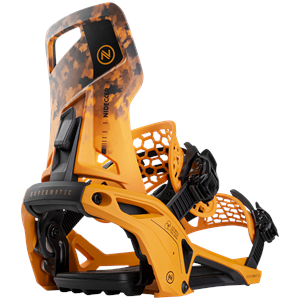
- Flex: Stiff (8/10 response, toe/heel, and lateral)
- Highback: Asymmetrical Hadron-Hiback that reclines for easy entry
- Baseplate: Asym Rockered Matic-Series with a self-cleaning heel pedal
- Straps: Hybrid ExoFrame PowerStrap with Hexo Toe Cap and Active Strap tech
The days of struggling to strap into your bindings are over. The Nidecker Supermatic bindings offer a revolutionary design that makes getting on your board faster than ever. The automatic entry system combines traditional straps with a reclining highback. You simply drop your boot in from the top, step down, and a heel pedal automatically snaps the highback and straps shut, locking you in instantly. This is a game-changer for anyone who wants to spend more time riding and less time messing with their gear. Built with a medium-stiff flex, these bindings provide excellent precision and response, making them a great choice for advanced and expert riders. Plus, they work seamlessly with your existing snowboard boots, so there’s no need to buy a new setup.
The Supermatic bindings are packed with smart features designed for performance and convenience. The Asym Hadron-Hiback and Hybrid ExoFrame PowerStrap work together to provide a secure, comfortable fit that efficiently transfers energy to your board. The Slip-N-Grip Plate and Heelcup Roller ensure smooth entry and exit, while the self-cleaning heel pedal prevents snow buildup. This innovative design offers the best of both worlds: the convenience of a quick-entry system and the familiar, secure feel of a two-strap binding. These bindings are a must-have for riders who value efficiency without sacrificing performance on the mountain.
Pros and Cons
Pros: Extremely fast and easy automatic entry and exit, compatible with all boots, provides a secure and responsive feel, and is built with durable components.
Cons: May have a learning curve for new users, potentially less customizable fit than a traditional two-strap binding, and the automatic mechanism could be susceptible to damage.
2. K2 Path – Women’s
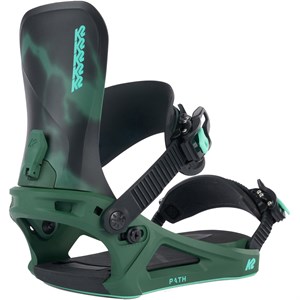
- Flex: Stiff (9/10) for powerful freeriding
- Baseplate: Module™ Chassis minimizes dead zones for enhanced board feel
- Footbeds: 3° Canted Harshmellow™ made from sustainable sugarcane EVA
- Highback & Straps: Constructed from sustainable castor beans
The K2 Path bindings are for riders who want to charge hard while also making a positive impact on the environment. These freeride-focused bindings boast a powerful, stiff flex built around K2’s innovative Module™ Chassis. What sets them apart is their commitment to sustainability; they’re engineered with key components derived from eco-friendly, bio-based materials like castor beans and sugarcane. This forward-thinking approach delivers top-tier performance while reducing the snowboard industry’s environmental footprint. Riders can feel confident knowing their gear is built to slay big lines and protect the planet at the same time.
Performance is not sacrificed for sustainability. The Module™ Chassis minimizes dead zones underfoot, allowing you to feel the full flex of your board. The 3° sugarcane EVA canted footbeds, integrated with K2’s proprietary Harshmellow™ technology, provide excellent grip, cushioning, and vibration damping for all-day comfort and performance. The FR1 Highback and single-density straps, both made from castor beans, offer the strength and response needed for aggressive riding. With features like the This Grips™ Basepad for additional dampening and multiple ankle strap mount points for a customized fit, the K2 Path bindings are leading the charge for a new generation of high-performance, sustainable gear.
Pros and Cons
Pros: Made with sustainable materials, stiff and responsive for freeriding, excellent vibration damping and cushioning, and offers a natural board flex.
Cons: Stiff flex may not be ideal for park or freestyle riding, bio-based materials could be perceived as less durable than traditional plastics, and the high-performance design might be overkill for beginners.
3. Burton Cartel X
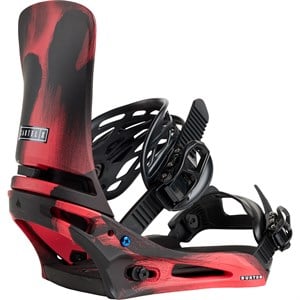
- Flex: Medium-Stiff for all-mountain performance
- Baseplate: Re:Flex™ system with a 45% short-glass/nylon composite
- Highback: Zero-Lean Canted design with Heel Hammock and DialFLAD™
- Straps: Hammockstrap™ 2.0 ankle strap and Supergrip Capstrap™ 2.0 toe strap
The Burton Cartel has long been a snowboarding legend, and the new Cartel X proves it’s not slowing down. This latest evolution of a fan favorite takes everything you love about the original and amps it up for even more precision and power. Burton has added a new highback to the mix, resulting in a stiffer, more responsive flex that’s perfect for aggressive all-mountain riding, carving, and charging through the terrain park. This binding is a true hall-of-famer, but it continues to push the boundaries of performance, offering a level of control and power that you didn’t think was possible from a Cartel.
Packed with Burton’s signature technology, the Cartel X is built to dominate. The Re:Flex™ binding system provides more flex and feel than traditional disc bindings, and it’s compatible with all major mounting systems. The Heel Hammock on the highback uses a reinforced rubbery material to wrap around your boot’s heel, providing lightning-fast response even if you ride with your straps a bit looser. The Hammockstrap™ 2.0 and Supergrip Capstrap™ 2.0 offer a comfortable, secure fit, while the Flex Slider makes strapping in a breeze. With features like B3 Gel for ultimate impact dampening and a Re:Flex™ FullBED for underfoot comfort, the Cartel X delivers the perfect blend of power, precision, and comfort for any advanced to expert rider.
Pros and Cons
Pros: Legendary durability and performance, stiff and responsive for powerful riding, universally compatible with all board mounts, and offers advanced features like the Heel Hammock.
Cons: Higher price point, stiff flex may not suit all riding styles, and the Re:Flex™ system requires a cored baseplate, which some riders may not prefer.
4. Arbor Cypress
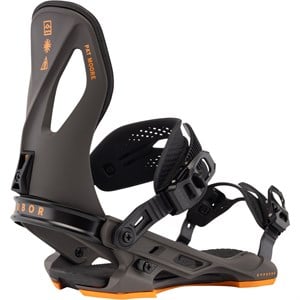
- Flex: Stiff (4/5) for powerful freeriding
- Baseplate: System X Baseplate for natural board flex and enhanced control
- Straps: BioStraps made from sustainable plant-based materials
- Buckles: Cast Aluminum with a tight, reliable click
The Arbor Cypress bindings are the top choice for freeriders who demand maximum support and control on their most aggressive lines. Designed for fast and furious riding, these bindings are built to keep you locked in no matter how wild the terrain gets. The asymmetrical highbacks, combined with Arbor’s unique System X baseplates, provide a responsive and connected feel that translates your every movement directly to the board. This precise communication allows you to confidently navigate challenging conditions, from steep chutes to deep powder fields, all while maintaining complete control.
Beyond their high-performance design, the Cypress bindings stand out for their commitment to sustainability. The innovative BioStraps are made from plant-based materials, offering a lighter, stronger, and more eco-friendly alternative to traditional petrol-based plastics. The patented Bow-Strap adjuster makes entry and exit a breeze, as the pre-curved strap naturally swings out of the way. The System X baseplate minimizes contact with the board, allowing it to flex more naturally underfoot, while impact-absorbent pods in the heel and ball areas cushion big landings. With a 1.5° built-in cant for a more ergonomic ride and ultra-reliable cast aluminum buckles, the Cypress delivers a powerful, comfortable, and conscious freeride experience.
Pros and Cons
Pros: Strong, responsive performance for freeriding, made with sustainable BioStraps, minimizes contact for a more natural board flex, and features durable cast aluminum buckles.
Cons: Stiff flex is not ideal for freestyle or jibbing, some riders may prefer more board-to-binding contact, and the aesthetic may be too minimalist for some.
5. Union Force Classic
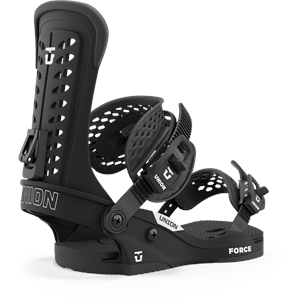
- Flex: Stiff (7/10) for all-mountain riding
- Baseplate: Stage 4 Duraflex ST with Multi-Density Thermoformed EVA bushings
- Highback: Force Duraflex ST with Classic FLAD for on-the-fly adjustments
- Buckles: Bombproof Magnesium for lightweight durability
The Union Force Classic is a legendary all-mountain binding that carries on the tradition of its iconic predecessors. Known for its durability and reliable performance, this binding is built to last. It’s the perfect choice for riders who want a versatile, no-nonsense binding that can handle everything from high-speed carves to navigating technical terrain. The Duraflex ST highback provides a responsive and light feel that’s perfect for driving down the fall line, making it a go-to for intermediate to advanced riders looking for a binding that won’t quit.
Union has packed the Force Classic with bombproof features. The Stage 4 Duraflex ST baseplate and Force Duraflex ST highback are made from a material designed to withstand cold temperatures and offer increased response without added weight. The Multi-Density Thermoformed EVA bushings provide consistent support and comfort year after year, unlike other materials that can become brittle. The 3D Extruded Aluminum heelcups offer optimum heel hold and minimize drag, while the lightweight Magnesium ratchets provide a smooth and reliable ratcheting system. With tool-less strap adjustments and Grade 8.8 Steel Hardware, the Force Classic is a true workhorse, allowing you to dial in your ride for a custom feel that’s ready for any challenge the mountain throws your way.
Pros and Cons
Pros: Extremely durable and reliable, versatile for all-mountain riding, lightweight magnesium buckles, and excellent response.
Cons: May feel too stiff for riders who prefer a softer, more freestyle-oriented flex, and the aesthetic is more traditional compared to some newer, more tech-forward bindings.
6. Burton Cartel X EST
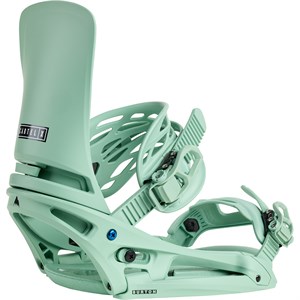
- Flex: Medium-Stiff for powerful all-mountain riding
- Baseplate: Dual-Component EST® system with The Hinge™ technology
- Highback: Heel Hammock design for enhanced response and support
- Mounting: Exclusively compatible with Burton boards featuring The Channel™
The Burton Cartel X EST is the ultimate binding for all-mountain shredders who ride a Burton board with The Channel™ mounting system. It takes the legendary performance of the Cartel X and enhances it with the EST® platform, which removes material from under your feet for a lighter, more direct connection to your board. This design allows for a natural board flex and feel, giving you an unparalleled level of board control and feedback. Whether you’re carving up groomers, slashing through powder, or hitting the park, the Cartel X EST delivers the perfect blend of support, response, and freestyle flexibility to get the job done.
This binding is loaded with Burton’s most advanced features. The EST® baseplate incorporates The Hinge™ technology, which dynamically flexes with your leg to reduce fatigue and add powerful ollie pop. The SensoryBED Cushioning System™ with B3 Gel provides a comfortable and damp ride that absorbs impact without hardening in cold temperatures. The highback’s Heel Hammock wraps around your boot for lightning-fast response, while the Hammockstrap™ 2.0 and Supergrip Capstrap™ 2.0 offer a secure and comfortable fit. With its medium-stiff flex and exclusive Channel compatibility, the Cartel X EST is the ideal choice for aggressive riders who want to unlock their board’s full potential.
Pros and Cons
Pros: Excellent board feel and control, enhanced ollie power from The Hinge™, superb comfort and impact absorption, and a lighter weight design.
Cons: Only compatible with Burton boards featuring The Channel™, higher price point than other bindings, and the stiffness may not be ideal for beginners.
7. Nidecker Kaon-W – Women’s
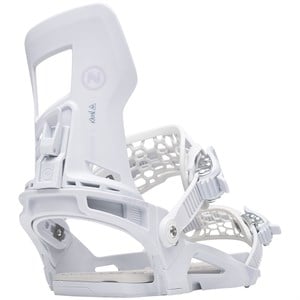
- Flex: Stiff for advanced freeriding and carving
- Baseplate: Axis.N1-Series with asymmetrical design for optimal energy transfer
- Highback: Asymmetrical Hadron-Hiback for a perfect fit
- Buckles: Smooth and reliable Aluminum Axion Ratchets
The Nidecker Kaon-W bindings are engineered for the advanced female rider who demands precision, strength, and responsiveness from her gear. Ideal for freeriding, carving, and all-mountain dominance, these bindings are designed to transfer your energy to the board with maximum efficiency. The lightweight yet strong build ensures that you get a responsive ride without any unnecessary bulk. With an asymmetrical design and glass-filled construction, the Kaon-W bindings are built to provide a powerful and connected feel, allowing you to confidently tackle any terrain and push your limits on the mountain.
The core of the Kaon-W’s performance lies in its Axis.N1-Series Baseplate, which features off-axis PowerBeams and asymmetrical rocker-corners for a balanced and direct power transfer. This ensures your board moves with you, not the other way around. The Asym Hadron-Hiback contours perfectly to Nidecker’s asymmetrical boot cuffs for a snug and ergonomic fit, especially at canted riding angles. The ExoFrame Ankle Strap and Hexo Toe Cap with Aux Tech provide a seamless, secure foothold and powerful edge-to-edge energy transfer. Finished with smooth-as-butter Aluminum Axion Ratchets, these bindings are a top choice for skilled riders who want a high-performance binding that’s both reliable and responsive.
Pros and Cons
Pros: Lightweight and strong, designed for optimal energy transfer, reliable and smooth ratchets, and versatile mounting compatibility.
Cons: Stiff flex may not be suitable for beginners or riders who prefer a soft, playful feel, and the design is tailored to a specific riding style.
See the Nidecker Kaon-W – Women’s
8. Burton Genesis EST
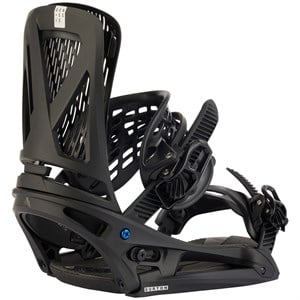
- Flex: Medium-Stiff for versatile all-mountain riding
- Baseplate: EST® with The Hinge™ for reduced fatigue and enhanced ollie power
- Highback: Zero-Lean Canted design with Kickback Hammock for suspension
- Mounting: Exclusively compatible with Burton boards featuring The Channel™
The Burton Genesis EST bindings are designed to bring out the best in you and your board, offering a perfect blend of support and flexibility for a wide range of riding styles. With its medium-firm flex, it bridges the gap between precise turning confidence and the tweakability needed for freestyle. This binding is a top choice for intermediate to advanced riders who want a versatile setup that excels everywhere from the park to the side country. The EST® platform provides an incredibly light and direct connection to your board, allowing you to feel every subtle movement and respond with precision.
This binding is a testament to Burton’s innovation. The EST® baseplate features The Hinge™ technology, which dynamically flexes with your leg to reduce fatigue and make ollies feel effortless. The Zero-Lean Canted Highback follows the natural contours of your legs for maximum comfort and control, while the Kickback Hammock provides suspension and vibration reduction for a smooth ride. Paired with the Hammockstrap™ and Supergrip Capstrap™ 2.0, the Genesis EST offers a secure, comfortable, and responsive fit. With Double Take Buckles and Insta-Click, strapping in is faster and easier than ever. The Genesis EST is the binding you want on your boots for a comfortable, high-performance ride that can handle anything you throw at it.
Pros and Cons
Pros: Lightweight design, excellent board feel, reduces fatigue with The Hinge™, and offers a comfortable and customizable fit.
Cons: Only compatible with Burton boards with The Channel™, may be too expensive for some riders, and the medium flex might be too soft for hardcore freeriders.
9. K2 Bond
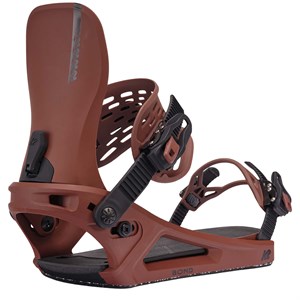
- Flex: Stiff (7/10) for a responsive ride
- Baseplate: Module™ Chassis for a natural, responsive board feel
- Materials: Made from sustainable castor beans and sugarcane EVA
- Footbed: 3° Canted Harshmellow™ for comfort and dampening
The K2 Bond bindings are a perfect example of high performance meeting sustainability. They are a great choice for riders who want to push their limits on the mountain while also feeling good about their gear’s environmental impact. These bindings are built with key components, including the highbacks and straps, made from castor beans, and footbeds derived from scrap sugarcane. This focus on bio-based materials represents a significant step toward carbon neutrality without compromising on performance. The fact that they’re both eco-friendly and capable of ripping a trail is a huge win for the conscious rider.
The K2 Bond bindings feature the innovative Module™ Chassis, which is designed to minimize “dead” zones underfoot, allowing you to feel the full flex and response of your board. The 3° sugarcane EVA canted footbeds, integrated with Harshmellow™ technology, provide superior grip, cushioning, and vibration damping for all-day riding comfort. The team highback and single-density straps, both made from castor beans, offer the strength and responsiveness needed for aggressive riding. With the MultiMount™ ankle strap points, you can dial in a custom fit for maximum support. The K2 Bond bindings are a top-tier choice for intermediate to advanced riders who are passionate about both snowboarding and a cleaner planet.
Pros and Cons
Pros: Uses sustainable materials, great for all-mountain riding, minimizes dead spots for better board feel, and provides excellent vibration damping.
Cons: The stiff flex might be too much for beginners, and the eco-friendly materials may be a novelty for some riders.
10. K2 Network – Women’s
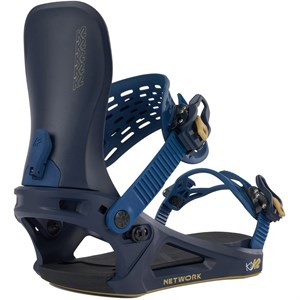
- Flex: Stiff (7/10) for responsive all-mountain riding
- Baseplate: Module™ Chassis for minimized dead zones
- Materials: Highbacks and straps made from castor beans
- Footbed: 3° Canted Harshmellow™ derived from sugarcane
The K2 Network bindings for women are a standout product that proves sustainable manufacturing can go hand-in-hand with high-performance snowboarding. Leading the charge in eco-conscious gear, K2 has built these bindings with key components made from sustainable, bio-based materials like castor beans and scrap sugarcane. This innovative approach allows riders to enjoy a clean conscience while still getting a binding that absolutely rips. These bindings are designed for intermediate to advanced riders who want a versatile, responsive setup that performs on every part of the mountain while also being kinder to the environment.
The K2 Network is built on the new Module™ Chassis, which minimizes “dead” zones underfoot, giving you a more natural and connected feel with your board. The 3° sugarcane EVA Canted Harshmellow™ footbeds provide exceptional cushioning and vibration dampening, ensuring comfort and performance on any terrain. The Team Highback and single-density straps, both made from sustainable castor beans, offer the strength and support needed for powerful turns. With MultiMount™ ankle strap points for a fine-tuned, custom fit and a This Grips™ Basepad for additional vibration damping, the K2 Network bindings are a testament to K2’s commitment to creating gear that is both high-performing and environmentally responsible.
Pros and Cons
Pros: Sustainable and eco-friendly construction, responsive all-mountain performance, excellent board feel, and superior cushioning and dampening.
Cons: Stiff flex may not be ideal for beginners, and the materials might be a new concept for some riders.
How to Choose Freeride Snowboard Bindings?
Freeride snowboarding is all about exploring the mountain, from high-speed carving on groomers to navigating steep, untracked powder. The key to a great freeride experience is a setup that provides power, precision, and control. While your board and boots are crucial, your bindings are the critical link that translates your body’s movements to the board. Choosing the right freeride bindings can make all the difference, allowing you to charge with confidence and unlock the full potential of your board. This guide will walk you through the essential factors to consider when selecting the perfect bindings for your freeride adventures.
Understanding the Freeride Style
Before diving into the specifics of bindings, it’s important to understand what sets freeriding apart. Freeride is less about freestyle tricks and more about the art of turning and navigating natural terrain. Freeride bindings need to be stiffer and more responsive than their freestyle counterparts. This stiffness allows for powerful edge control, stability at high speeds, and quick, precise maneuvers in challenging conditions like trees, moguls, and variable snow. They are designed to lock you in securely, providing a direct connection to your board so that you can react instantly to the terrain.
Key Features to Look For
When you start your search, you’ll encounter a lot of technical terms. Here’s a breakdown of the most important features to consider and why they matter for freeride bindings.
Flex Rating
This is arguably the most important factor. Bindings are rated on a flex scale, typically from 1 (soft) to 10 (stiff). For freeriding, you’ll want a binding with a medium-stiff to a stiff flex, generally in the 7-10 range. A stiffer flex provides better power transfer and response, which is essential for high-speed stability and initiating turns on demanding terrain. Soft bindings are great for park laps and jibbing, but they lack the support needed to hold an edge at speed or absorb chatter in choppy snow. A stiff binding will feel more responsive and give you a sense of confidence and control when you’re pointing it downhill.
Baseplate Material
The baseplate is the foundation of the binding and connects you to the board. The material used directly impacts the binding’s stiffness and weight. Freeride bindings often use materials like carbon fiber, fiberglass-infused nylon, or aluminum. Carbon fiber is the stiffest and lightest option, offering maximum power transfer but often at a higher price. Fiberglass-infused nylon is a popular choice, providing a great balance of stiffness, durability, and a more forgiving feel than carbon. Aluminum baseplates are known for their raw power and bombproof durability, making them a favorite for aggressive riders who prioritize strength above all else.
Highback Design and Materials
The highback is the vertical part of the binding that supports your calf and provides leverage for heelside turns. For freeriding, you’ll want a highback that is stiff, tall, and possibly features a forward lean adjustment. A stiffer highback ensures a quick and powerful response when you apply pressure for heelside turns. Many freeride-specific highbacks are asymmetrical to match the natural cant of your boots and legs, which improves ergonomics and power transfer. Look for highbacks made from carbon, reinforced nylon, or fiberglass composites for maximum responsiveness.
Straps and Buckles
A secure and comfortable fit is crucial. Freeride bindings typically feature robust, padded ankle straps and cap straps that provide a locked-in feel. The ankle strap should be wide and supportive to distribute pressure evenly and prevent pressure points, while the toe cap strap should securely hold your boot in place. Look for buckles made from durable materials like aluminum or magnesium, as they are less likely to break or slip under pressure. Some bindings also feature special strap designs, like Burton’s Hammockstrap, which wraps around your boot for enhanced heel hold and response.
Cushioning and Damping
Freeriding often means riding through variable and sometimes rough conditions. Good cushioning and vibration damping are essential to reduce fatigue and joint impact. Look for bindings with full-length EVA foam footbeds or special gel inserts, like Burton’s B3 Gel or K2’s Harshmellow™. These materials absorb vibrations and soften landings, allowing you to ride harder and longer without feeling beat up. Some baseplates also incorporate a subtle cant (a slight inward angle) that aligns your knees and ankles in a more ergonomic position, reducing strain and improving control.
Mounting Systems
The way your bindings connect to your board is an important consideration. The most common mounting patterns are 2×4, 4×4, and The Channel™. Most bindings on the market come with a universal mini-disc that works with 2×4 and 4×4 inserts. If you have a Burton board with The Channel™, you will need either a universal disc that works with The Channel™ or a binding specifically designed for EST®. EST® bindings, which are exclusively for The Channel™, provide a lighter weight and better board feel by removing the disc from under your foot. They are a popular choice for riders who want the most direct connection to their board.
Matching Bindings to Your Board and Boots
Your bindings are just one part of a three-piece puzzle. For the best performance, your entire setup should be in harmony. A stiff freeride binding is a poor match for a soft, playful freestyle board. Similarly, a stiff binding paired with soft, flexible boots won’t give you the power and response you’re looking for, as the boots will flex before the bindings can transfer the energy. The ideal freeride setup consists of a stiff board, stiff boots, and stiff bindings. This combination provides a rigid, cohesive platform that allows for maximum control and stability at speed.
Top Picks for Freeride Bindings
While personal preference plays a big role, a few bindings stand out in the freeride category due to their consistent performance and rider reviews:
- Burton Cartel X: A legendary binding with a medium-stiff flex, known for its powerful response and versatile performance. The Heel Hammock on the highback provides exceptional heel hold.
- Union Force Classic: A workhorse binding that has stood the test of time. It’s incredibly durable and offers a reliable, responsive feel for all-mountain riding.
- K2 Path / K2 Bond: These bindings combine a powerful, stiff flex with a focus on sustainable materials, making them a great choice for eco-conscious freeriders.
- Arbor Cypress: A powerful and comfortable binding with a System X baseplate that provides a natural board flex and enhanced control.
- Nidecker Supermatic: A unique option that offers the convenience of an automatic entry system without sacrificing the stiff, responsive feel required for freeriding.
Final Advice
The best way to choose freeride bindings is to consider your riding style, ability level, and existing gear. If you’re an aggressive rider who loves steep terrain and high speeds, a very stiff binding with a carbon or aluminum baseplate might be the right choice. If you’re an advanced all-mountain rider who also enjoys some freestyle elements, a medium-stiff binding might be a more versatile option. Always read reviews and, if possible, demo different bindings before you buy. The right freeride binding won’t just hold you to your board; it will empower you to ride with a new level of confidence and control, turning the entire mountain into your playground.