Best Ski Goggles for Low Light of 2026
When skiing in cloudy weather, during snowfall, or late in the day, low light can make it hard to see clearly on the slopes. That’s where the right ski goggles come in. The best ski goggles for low light use special lens tints that brighten your view, improve contrast, and help you spot bumps or changes in terrain. In this guide, we’ll highlight the top goggles designed for flat and dim conditions, so you can enjoy safer, more confident skiing no matter the weather.
1. Smith I/O
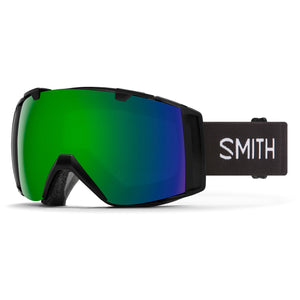
- Frame Size: Medium
- Lens Type: Spherical
- Quick Changing System: Yes
- Helmet Compatible: Yes
The Smith I/O delivers a benchmark blend of performance and classic style for everyday resort riding. Designed around a comfortable medium frame, its spherical lens maximizes your peripheral vision, ensuring exceptional field of view across varied mountain terrain.
Equipped with an intuitive quick-changing lens system, swapping tints on the fly is effortless. Seamless helmet integration rounds out a versatile design built to handle unpredictable mountain weather with ease.
- Pros: Effortless lens swaps, wide peripheral vision
- Cons: Medium fit may not suit larger faces
2. Oakley Flight Deck L
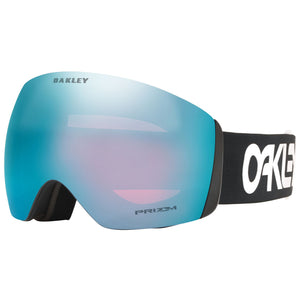
- Frame Size: Large, OTG
- Lens Type: Spherical
- Quick Changing System: Yes
- Award Winner: Freeskier & Outside Magazine
Inspired by fighter pilot visors, the Oakley Flight Deck L maximizes field of view so you can react instantly to terrain changes. The oversized rimless design offers a massive optical field while accommodating prescription eyewear comfortably underneath.
Backed by major industry awards, this goggle features an efficient quick-change lens system and seamless helmet compatibility. It is an top-tier choice for skiers seeking premium optical clarity and full coverage.
- Pros: Expanded field of view, OTG compatible
- Cons: Oversized profile can feel bulky on small faces
3. Smith Squad
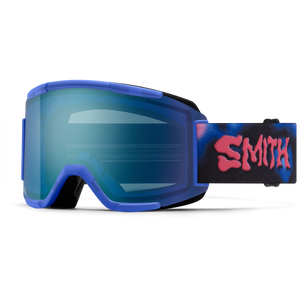
- Frame: Medium Fit, Responsive Fit™
- Lens Technology: ChromaPop™ & Cylindrical Carbonic-X
- Anti-Fog: Fog-X Micro-Etched Inner Lens
- Strap & Foam: Silicone Backed, 2-Layer DriWix
The Smith Squad pairs a sleek cylindrical look with high-end optical features. Built with a flexible Responsive Fit frame, it adapts to facial contours while ChromaPop lens technology enhances color clarity and terrain detail.
Designed for durability, its impact-resistant Carbonic-X lens features micro-etched Fog-X tech to prevent moisture buildup. Complete with an extra bonus lens, it offers incredible value for all-weather riding.
- Pros: Includes bonus low-light lens, crisp visual definition
- Cons: Fixed cylindrical design provides slightly less vertical view than spherical lenses
4. OutdoorMaster PRO

- Lens: Large spherical, frameless lens with an interchangeable system, anti-fog coating, and 100% UV400 protection.
- Compatibility: OTG (Over-The-Glasses) design and universal helmet compatibility.
- Ventilation: Designed for optimal airflow to prevent fogging.
- Accessories: Includes a protective case and a carrying pouch.
The OutdoorMaster Ski Goggles PRO are an excellent choice for those who want a wide and unobstructed field of view. The large, spherical, and frameless lens provides an immersive experience, allowing you to see more of the slopes around you. A key feature is the versatile interchangeable lens system, which makes it easy to swap lenses to adapt to changing light and weather conditions. With more than 20 different lenses available (sold separately), you can fully customize your setup for any day on the mountain. These lenses are also anti-fog coated and provide 100% UV400 protection for both safety and clarity.
These goggles prioritize comfort and practicality. The OTG (Over-The-Glasses) design comfortably fits over most prescription glasses without sacrificing fit or peripheral vision. An extra-long elastic strap is highly adjustable and ensures universal helmet compatibility, so you can easily find a secure and comfortable fit with any helmet. The goggles come with a protective case and a carrying pouch, which are great for keeping your gear safe when not in use. With a durable build and user-friendly features, the OutdoorMaster Ski Goggles PRO are a reliable and high-performance option for all riders.
- Pros: Wide field of view, excellent interchangeable lens system, great value for the price.
- Cons: Lenses sold separately, may not be as durable as higher-end brands.
See the OutdoorMaster Ski Goggles PRO
5. Smith Blazer
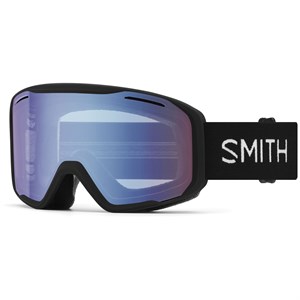
- Frame: Medium fit, Over The Glasses (OTG) compatible, with a Responsive Fit frame.
- Lens: Cylindrical Carbonic-X lens with Fog-X Anti-Fog Inner Lens and built-in Airflow Technology.
- Ventilation: Integrated Airflow Ventilation to prevent fogging.
- Strap: Ultra-wide silicone-backed strap for a secure fit.
The Smith Blazer Goggles are a top choice for skiers and snowboarders seeking a clear, uncompromised view of the mountain. With a sleek and modern design, the medium-fit frame comfortably molds to various face shapes. The cylindrical Carbonic-X lens delivers sharp optics, enhanced by Smith’s Fog-X Anti-Fog inner lens. This hydrophilic surface is physically etched into the lens, so it won’t wear off over time and effectively absorbs moisture to prevent frustrating fogging. The built-in Airflow Technology provides active ventilation.
Designed for convenience and durability, the Smith Blazer is compatible with both helmets and prescription eyeglasses thanks to its OTG (Over The Glasses) fit. The ultra-wide, silicone-backed strap ensures the goggles stay securely in place, while the two-layer DriWix face foam wicks away moisture for a comfortable fit. These goggles also integrate seamlessly with Smith helmets for maximum ventilation. The included microfiber goggle bag with a replacement lens sleeve adds great value.
- Pros: Excellent value for the price, effective anti-fog technology, seamless helmet integration.
- Cons: Non-ChromaPop lens tint (lacks enhanced color contrast), no replacement lens included.
6. Findway Goggles – OTG
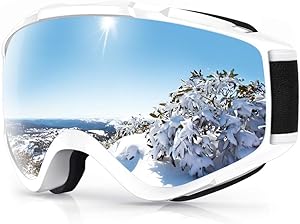
- Lens: Spherical double lens with anti-scratch, anti-fog, and 100% UV protection.
- Ventilation: Professional ventilation system to reduce fogging.
- Frame: Oversized OTG (Over The Glasses) design with a premium TPU frame and triple-layer foam.
- Strap: Silicone-backed non-slip, extra-long adjustable strap.
The Findway Ski Goggles OTG are designed to provide reliable performance and comfort for a variety of winter sports. The professional ventilation system is a standout feature, engineered to reduce fogging by promoting smooth airflow and quickly exhausting moisture. Paired with a double lens that includes a long-lasting anti-fog coating sourced from Italy, these goggles ensure your vision remains clear and unobstructed even in challenging conditions. The spherical, frameless design not only looks modern but also creates a super wide HD view of the slopes. The full-face real revo mirror coating adds a touch of style and protects your eyes from glare.
For those who wear glasses, the oversized OTG (Over The Glasses) design is a huge benefit, allowing you to comfortably wear your prescription eyewear underneath. The durable build, with a premium TPU frame and triple-layer foam, provides a secure and comfortable fit, while the silicone-backed, extra-long strap ensures universal helmet compatibility. The Findway goggles are versatile enough for skiing, snowboarding, and other winter activities, making them a great all-around choice. With a 1-year guarantee and dedicated customer service, these goggles offer a sense of security and a commitment to quality that is hard to beat.
- Pros: Great value for the price, effective ventilation and anti-fog features.
- Cons: May not fit smaller faces well, a more budget-friendly option compared to professional brands.
See the Findway Ski Goggles OTG
7. OutdoorMaster – OTG Goggles

- Frame: OTG (Over-The-Glasses) design with a soft TPU frame.
- Lens: Dual-layer lens with anti-fog coating and 100% UV400 protection.
- Compatibility: Universal helmet compatibility with an extra-long elastic strap.
- Included Accessories: A carrying pouch for easy transport.
The OutdoorMaster OTG Ski Goggles are a straightforward and reliable choice, designed for skiers and snowboarders who need a no-fuss goggle that performs well. A key feature is the OTG (Over-The-Glasses) design, which provides a comfortable and secure fit over most prescription glasses, making them a practical solution for those who require eyewear. The goggle’s dual-layer lens technology is enhanced with a strong anti-fog coating on the inner lens, ensuring a consistently clear and fog-free experience on the slopes. This focus on clarity and convenience is what makes these goggles a popular option for both adults and youth.
Constructed with a soft TPU frame, the goggles are built for both safety and comfort and are designed to provide years of reliable use. The lenses offer 100% UV400 protection, shielding your eyes from harmful rays. The extra-long elastic strap is highly adjustable and ensures great helmet compatibility, making it easy to integrate with your existing gear. The simple yet effective design, along with the included carrying pouch, makes these goggles easy to transport and care for. While they may lack some of the advanced features of higher-end models, the OutdoorMaster OTG Ski Goggles deliver excellent value and core performance for a wide range of riders.
- Pros: Affordable, effective OTG design, good anti-fog performance, universal helmet compatibility.
- Cons: Lacks advanced features like interchangeable lenses or specialized lens technology, basic design.
See the OutdoorMaster OTG Ski Goggles
8. EXP VISION Ski Goggles

- Lens: Panoramic cylindrical dual polycarbonate lens with anti-fog and 100% UV protection.
- Ventilation: Two-way venting system to exhaust heat and moisture.
- Comfort: Triple-layer high-density soft sponge and detachable sponge for easy cleaning.
- Frame: Low-profile TPU frame with OTG (Over-The-Glasses) design.
The EXP VISION Ski Goggles are a stylish and functional choice for anyone hitting the slopes. Their panoramic cylindrical lens offers a super clear, wide-angle view with minimal visual interference. A unique and exciting feature is the detachable sponge frame, which makes it easy and fast to clean the goggles without scratching the lens or leaving a sweaty smell. The dual polycarbonate lens material, paired with a full REVO coating, provides 100% UV protection and an effective anti-fog and anti-glare barrier. This combination ensures your vision remains sharp and protected in all conditions.
Designed with rider comfort and convenience in mind, these goggles feature an OTG (Over-The-Glasses) design, providing enough space to comfortably wear prescription glasses underneath. The low-profile frame offers an increased view of the slopes and improves helmet compatibility, while the extra-long elastic strap ensures a snug and secure fit with all helmets. A triple-layer, high-density sponge on the face provides warmth and comfort, while the two-way venting system helps to prevent fogging by exhausting heat and moisture. The frameless design and lightweight materials make these goggles feel practically invisible on your face, allowing you to focus on the thrill of the ride.
- Pros: Detachable sponge for easy cleaning, effective anti-fog and anti-glare.
- Cons: May not be as durable as higher-end brands, more of a budget-friendly option.
See the EXP VISION Ski Goggles
9. ZIONOR X Ski Goggles

- Lens: Panoramic lens with optimized anti-fog and UV protection.
- Compatibility: OTG (Over-The-Glasses) design and helmet compatible.
- Durability: Ruggedized lens with Enhanced Durability Tech (EDT).
- Frame: Curved and optimized frame for better helmet compatibility.
The ZIONOR X Ski Goggles are a rugged and reliable choice for anyone hitting the slopes. They feature a panoramic lens design with optimized anti-fog and UV protection, providing a clear and wide view for skiing and snowboarding. The lens is also ruggedized with ZIONOR’s special Enhanced Durability Tech (EDT), which provides better impact-resistance to protect you on the mountain. This focus on safety and clarity makes the ZIONOR X a solid option for both beginners and experienced riders.
Designed with comfort and practicality in mind, these goggles are a perfect fit for those who wear prescription glasses. The OTG (Over-The-Glasses) design provides ample space for your eyewear without compromising comfort or fit. The frame is curved and optimized for better helmet compatibility, ensuring the goggles stay securely in place even when riding at high speeds. The extra-long, adjustable strap ensures a snug fit with a variety of helmets. These goggles are designed for both men and women and come with responsive customer service to address any needs you may have, making the ZIONOR X a dependable choice.
- Pros: Excellent durability with EDT lens technology, effective anti-fog and UV protection.
- Cons: Lacks some of the advanced features of higher-end models, more of a basic design.
10. ZABERT OTG Goggles

- Lens: Frameless double lens with anti-fog, 100% UV protection, and an anti-scratch coating.
- Ventilation: Professional air-flow system for effective ventilation.
- Frame: Oversized OTG (Over The Glasses) design for comfort over glasses.
- Strap: Upgraded non-slip strap with back-mounted silicone for helmet compatibility.
The ZABERT OTG Ski Goggles are a stylish and high-performing option, featuring a unique, patented design with fashionable colors that stand out on the mountain. Their frameless design, created in California, provides a sleek and modern look that is popular with a wide range of riders. The performance double lens is a key feature, offering an anti-fog coating, 100% UV protection, and an anti-scratch layer. These lenses are also impact-resistant, ensuring a clear and protected view of the slopes. You can say goodbye to dazzling sun and glare, and hello to a comfortable, fog-free experience.
These goggles are designed for ultimate comfort and convenience. The oversized OTG (Over The Glasses) design is perfect for both adults and youth who wear prescription glasses, providing a comfortable fit without pressure. The professional air-flow system ensures effective ventilation, reducing fogging and exhausting hot air and moisture quickly. The upgraded strap features non-slip silicone backing for excellent helmet compatibility, ensuring the goggles stay securely in place. With a 1-year guarantee and a commitment to customer satisfaction, the ZABERT OTG Ski Goggles are a well-made and reliable choice that offers great value.
- Pros: Stylish and modern frameless design, excellent anti-fog and UV protection.
- Cons: May be too large for some smaller faces, a more budget-friendly option compared to professional brands.
See the ZABERT OTG Ski Goggles
How to Choose Ski Goggles for Low Light?

Skiing and snowboarding in low-light conditions—whether it’s an overcast day, a snowstorm, or dusk—presents a unique challenge. The flat light can make it difficult to distinguish between features on the snow, turning moguls, icy patches, and bumps into a uniform, featureless white expanse. This is not only frustrating but can also be dangerous. Choosing the right pair of ski goggles for these conditions is essential for both your safety and your enjoyment. This guide will walk you through the key factors to consider when selecting low-light goggles, ensuring you can confidently navigate the slopes no matter the weather.
Low-light conditions require a very different approach than bright, sunny days. While a dark, mirrored lens is ideal for cutting glare on a bluebird day, it will make it nearly impossible to see in a storm. The best low-light goggles are designed to maximize the amount of light that reaches your eyes while enhancing contrast and depth perception. Let’s break down the essential features to look for.
Understanding VLT and Lens Tints
The most important factor to consider when choosing low-light goggles is the lens tint and its corresponding Visible Light Transmission (VLT) percentage. The VLT indicates how much visible light the lens allows to pass through to your eyes. It is a critical metric for matching your goggles to specific weather conditions.
What is VLT?
VLT is expressed as a percentage, typically ranging from 0% to 100%. A lower VLT number means the lens is darker and lets in less light, making it suitable for bright, sunny conditions. Conversely, a higher VLT number means the lens is lighter and lets in more light, which is exactly what you need for low-light situations. For flat light, storm skiing, or night skiing, you should look for goggles with a VLT of 50% or higher. Some brands offer lenses with VLTs as high as 80-90% for extreme low-light conditions.
Choosing the Right Lens Color
Beyond VLT, the color of the lens plays a crucial role in how well you can see in low light. Certain colors are better at enhancing contrast and defining shadows, helping you spot bumps and contours on the snow. The best lens colors for low-light skiing include:
- Yellow, Gold, and Rose: These are the classic choices for low-light conditions. They filter out blue light, which is a major component of hazy, flat light, and they significantly boost contrast. A yellow or gold lens can make everything look brighter and more defined, making it easier to see changes in the terrain.
- Pink and Rose: These colors are excellent for enhancing depth perception and contrast, especially in snowy or overcast conditions. They can be very comfortable on the eyes and are a popular choice for all-around winter skiing.
- Clear: A clear lens has the highest VLT (typically 90%+) and is the best option for night skiing or extremely dark conditions where you need to let in every bit of available light. While they don’t offer the contrast-boosting benefits of colored lenses, they are unmatched for pure light transmission.
Many high-end goggles now come with advanced lens technologies specifically designed to optimize color and contrast. Brands like Oakley (Prizm), Smith (ChromaPop), and Dragon (LUMALENS) have proprietary lens technologies that filter light in a way that boosts contrast and clarity, making them highly effective in a variety of conditions, including low light. If you have the budget, investing in a goggle with one of these specialized lenses is a great way to improve your vision on the mountain.
The Importance of Lens Shape and Features
While VLT and lens color are the most critical factors, other goggle features also contribute to performance in low light.
Spherical vs. Cylindrical Lenses
The shape of the lens affects your field of view and optical clarity. Spherical lenses curve both horizontally and vertically, much like a bubble. This shape mimics the natural curve of your eye, reducing distortion and providing a wider peripheral view. This can be beneficial in low light, as a wider view helps you scan the terrain for hidden obstacles. Cylindrical lenses curve horizontally but are flat vertically. While often more affordable and stylish, they can have more distortion, particularly at the edges. For optimal clarity in challenging conditions, a spherical lens is often the better choice.
Anti-Fog Technology
Fogging is a major issue in low light, as the temperature difference between your face and the outside air can be significant. The last thing you want in a flat-light situation is a foggy lens. Look for goggles with a good anti-fog coating on the inner lens. Proper ventilation is also key. Features like a dual-pane lens, which creates a thermal barrier, and integrated vents that promote airflow are essential for keeping your vision clear.
Goggle Fit and Comfort
A goggle’s fit is crucial for both comfort and performance. A poor fit can lead to fogging and discomfort, making it harder to focus on the terrain. When trying on goggles, ensure they fit snugly against your face without any gaps. The foam should comfortably contour to your face, preventing cold air and moisture from getting in.
Helmet and OTG Compatibility
Your goggles should fit seamlessly with your helmet. A “gap” between the top of your goggles and the brim of your helmet can lead to a cold forehead and reduced ventilation. Look for goggles and helmets from the same brand, as they are often designed to work together. If you wear prescription glasses, look for a pair of “Over The Glasses” (OTG) goggles. These are specifically designed with more space to accommodate your glasses, ensuring a comfortable fit and preventing them from pressing against your face.
Interchangeable Lens Systems
For most skiers and snowboarders, a single pair of goggles won’t be sufficient for all conditions. The ideal solution is a goggle with an interchangeable lens system. This allows you to easily swap out your dark, sunny-day lens for a high-VLT, low-light lens when the weather turns. Magnetic lens systems are the fastest and easiest to use, allowing you to change lenses in seconds without even taking your goggles off your face. Brands like Anon, Oakley, and OutdoorMaster offer excellent interchangeable lens systems that make it simple to adapt to any weather condition.
Final Considerations
In summary, selecting the right low-light goggles is about a few key things: high VLT, a contrast-enhancing lens color, and a good fit. A pair of goggles with a VLT of 50% or higher in yellow, rose, or pink will be your best friend on cloudy days. Combine this with a spherical lens and effective anti-fog features for a truly superior experience. If you can, opt for a model with an interchangeable lens system to give you maximum versatility. With the right goggles, you can turn a challenging flat-light day into an opportunity to practice your skills and enjoy the mountain with confidence and clarity.