Best Avalanche Shovels of 2026
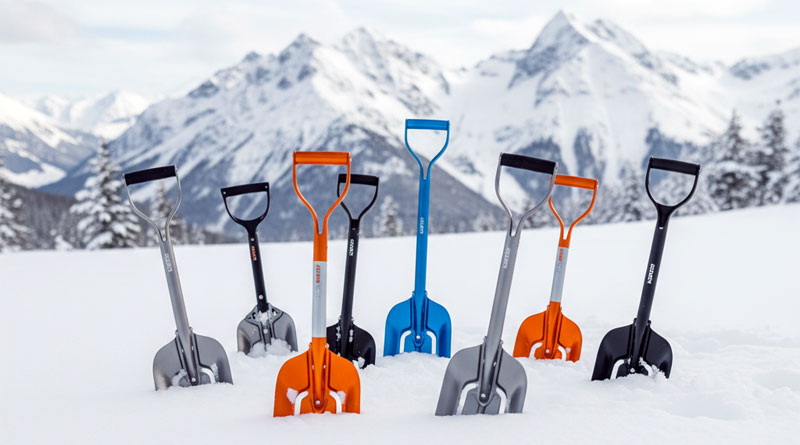
When heading into snowy mountains, having the right avalanche shovel can make all the difference in an emergency. These shovels are designed to dig quickly and efficiently, helping you reach someone buried under snow faster. Unlike regular shovels, they are lightweight, strong, and easy to pack in your backpack. Choosing the best avalanche shovel means looking at size, weight, durability, and how well it fits with the rest of your gear. In this guide, we’ll explore the top avalanche shovels for safety and reliability.
1. BCA Dozer 1T
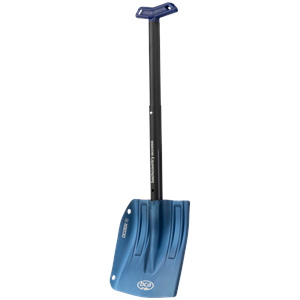
- Material: 6061 Aluminum
- Weight: 595 g
- Extended Length: 23.25 in
- Blade Dimensions: 9 x 10.5 in
The BCA Dozer 1T is one of the most popular avalanche shovels in North America. It balances size, weight, and strength, making it a reliable choice for any backcountry mission. The aluminum construction ensures long-lasting durability, while the extended handle length makes digging more efficient and comfortable.
Its compact collapsed size also makes it easy to store in your backpack without taking up much room. The blade dimensions are large enough to move snow effectively without being too bulky. Overall, this shovel is a dependable companion for both everyday touring and emergency situations.
Pros: Lightweight, durable, compact storage, efficient blade size
Cons: Not the largest blade, limited extra features
2. Mammut Alugator

- Material: Anodized Aluminum
- Weight: 1 lb. 0.75 oz.
- Extended Length: 29.5 in
- Blade Size: 9.4 x 8.25 in
The Mammut Alugator is designed with efficiency and versatility in mind. Its anodized aluminum blade is both strong and lightweight, with stabilization ribs for added durability. The telescopic shaft features an oval profile that provides extra strength when digging in tough conditions.
Extra design elements make this shovel stand out, including integrated steps for snow profiles, attachment holes for anchors or sleds, and a symmetrical T-grip for comfort. Certified to the UIAA 156 standard, this shovel offers professional-level performance for serious backcountry users.
Pros: UIAA certified, durable construction, versatile features, ergonomic design
Cons: Slightly heavier than ultralight models, blade size is moderate
3. MQUMSA Telescopic Shovel

- Material: Aluminum Alloy
- Weight: 1.4 lbs
- Extended Length: 32 in
- Blade Size: 28 x 21 cm
The MQUMSA Telescopic Shovel is a lightweight and practical option for both vehicle emergency kits and outdoor use. Its aluminum alloy construction with surface oxidation offers durability while keeping the overall weight low. With an adjustable handle length, it adapts easily to different digging needs.
The three-piece design makes it easy to disassemble and store in your car or backpack. While not a specialized avalanche shovel, it is an affordable and versatile choice for light backcountry use, camping, or emergency situations when space-saving design matters most.
Pros: Lightweight, compact design, adjustable handle, easy storage
Cons: Not UIAA certified, less durable for heavy avalanche debris
See the MQUMSA Telescopic Shovel
4. Mammut Alugator Pro
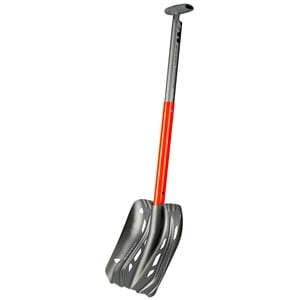
- Material: Hardened Anodized Aluminum
- Weight: 645 g
- Extended Length: 86 cm
- Blade Size: 27.5 x 24 cm
The Mammut Alugator Pro is built for extreme conditions where strength and efficiency are critical. Its hardened aluminum blade is sharpened and tilt-resistant, designed to cut through avalanche debris with ease. The ergonomically shaped T-grip allows efficient power transfer, even when digging in tough snowpacks.
Additional features include integrated steps for snow profiles, attachment holes for rescue sleds, and a compact telescopic shaft. Its automatic zipper locking system ensures quick assembly. This shovel offers professional-grade reliability for mountaineers and guides who require uncompromising gear.
Pros: Strong build, ergonomic grip, versatile features, compact shaft
Cons: Slightly heavier than basic models, higher price point
5. Black Diamond Evac 7

- Material: Aluminum
- Weight: 1 lb. 13 oz.
- Extended Length: 37 in
- Blade Size: 12 x 10 in
The Black Diamond Evac 7 is designed for moving large amounts of snow quickly. Its oversized anodized blade and long shaft make it perfect for rescue situations and digging test pits. The flat-bottom design ensures clean walls when cutting snow profiles.
This shovel also converts into hoe mode, allowing fast snow removal in emergencies. The large D-handle and dual-density grip add comfort, while the updated telescoping shaft prevents jamming. With a blade volume of 2.65 L, it’s a powerful choice for demanding users.
Pros: Large blade, hoe mode, comfortable grip, fast snow removal
Cons: Heavier than standard models, bulkier to pack
6. BCA Dozer 1T Ultralight
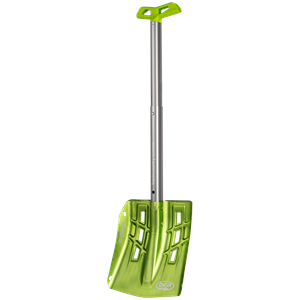
- Material: 7075 T6 Aluminum
- Weight: 435 g
- Extended Length: 23.25 in
- Blade Dimensions: 9.75 x 11.5 in
The BCA Dozer 1T Ultralight is perfect for weight-conscious backcountry travelers. Its cored-out blade design reduces weight while maintaining efficiency when moving snow. At just 435 grams, it’s one of the lightest options available without compromising functionality.
Despite being ultralight, the extended shaft and blade size make it capable of effective digging. This shovel is ideal for ski tourers or splitboarders who prioritize fast ascents but still want a reliable tool for emergencies. It’s a strong balance of lightness and performance.
Pros: Very lightweight, efficient design, compact size, strong material
Cons: Less durable than heavier models, blade volume smaller
See the BCA Dozer 1T Ultralight
7. Black Diamond Transfer

- Material: Aluminum
- Weight: 1 lb. 8 oz.
- Extended Length: 31.1 in
- Packed Length: 24 in
The Black Diamond Transfer is a versatile shovel designed for everyday backcountry use. Its durable anodized blade has a smooth bottom, ideal for cutting clean snow profiles. The extendable trapezoidal shaft provides strength and stability when digging in firm conditions.
A redesigned hybrid D/T handle improves comfort and ergonomics compared to older versions. UIAA certification guarantees high safety standards, making it a dependable choice for backcountry skiers and snowboarders. It strikes a solid balance between durability and packability.
Pros: UIAA certified, comfortable handle, durable blade, versatile design
Cons: Moderate weight, blade size not listed
See the Black Diamond Transfer
8. BCA Dozer 2D
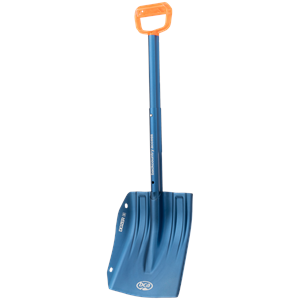
- Material: 6061 Aluminum
- Weight: 705 g
- Extended Length: 23.25 in
- Blade Dimensions: 9.75 x 11.5 in
The BCA Dozer 2D is built for comfort and control, especially when wearing thick gloves or mittens. Its D-Grip handle design offers a secure hold and better leverage while digging. The shovel’s sturdy aluminum construction ensures reliability in demanding conditions.
Compact when collapsed, it fits easily into most backpacks. The blade size is large enough to move snow effectively without becoming overly heavy. It’s a strong choice for skiers and snowboarders who want a dependable and glove-friendly avalanche shovel.
Pros: D-Grip handle, durable construction, reliable performance, good control
Cons: Heavier than some models, fewer advanced features
9. BCA Dozer 2H
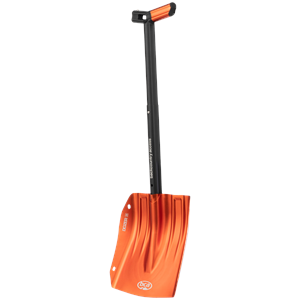
- Material: 6061 Aluminum
- Weight: 765 g
- Extended Length: 23.25 in
- Blade Dimensions: 9.75 x 25 in
The BCA Dozer 2H is a powerhouse of a shovel with its Hoe Mode feature. This mode allows you to paddle snow and debris efficiently without lifting, saving time and energy in an emergency. Its oversized blade makes it one of the most effective models for moving large volumes quickly.
Despite its larger size and heavier weight, it remains practical for backcountry use. The aluminum construction ensures toughness, while the collapsible shaft keeps it portable. It’s best suited for those who want maximum efficiency when digging through avalanche debris.
Pros: Hoe mode, oversized blade, durable build, efficient snow removal
Cons: Heavier than most, bulkier for storage
10. Ortovox Pro Light
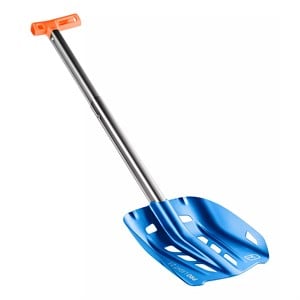
- Material: 6061 T6 & 7075 T6 Aluminum
- Weight: 440 g
- Extended Length: 76 cm
- Blade Dimensions: 27 x 21 x 4.5 cm
The Ortovox Pro Light is designed for minimalists who refuse to compromise on strength. Its combination of 6061 T6 and 7075 T6 aluminum delivers durability at just 440 grams. The blade’s sharp edges and non-slip grooves ensure precise and efficient snow cutting.
This shovel also offers a telescoping handle, pack-friendly design, and rescue sled functionality. Rapid locking makes assembly quick, while the T-grip handle adds comfort. Lightweight yet robust, it’s a trusted tool for serious backcountry enthusiasts.
Pros: Very lightweight, sturdy construction, pack-friendly, versatile features
Cons: Smaller blade volume, less efficient for heavy snow clearing
How to Choose Avalanche Shovels
When venturing into the backcountry, carrying the right safety gear is essential. Along with a beacon and probe, an avalanche shovel is a critical tool that can make the difference in a rescue situation. While all avalanche shovels are designed with a common goal of moving snow quickly and efficiently, not all are created equal. Choosing the right shovel means balancing weight, strength, packability, and features that suit your needs. This guide will walk you through the key factors to consider when selecting an avalanche shovel, ensuring that you are properly equipped for the backcountry.
Why Avalanche Shovels Matter
Avalanche shovels are not just regular snow shovels. They are designed specifically for avalanche rescue, snow stability tests, and building emergency shelters. In an avalanche situation, time is critical, and the ability to move snow quickly and effectively can save lives. Shovels also serve practical purposes in the backcountry such as digging snow pits to assess avalanche risk, creating wind walls for tents, or building a snow cave for shelter. Because of their multipurpose nature, selecting a quality shovel is one of the most important safety decisions you will make before heading out.
Key Factors to Consider
Material
The majority of avalanche shovels are made from aluminum, which offers an excellent balance of weight and durability. High-grade aluminum such as 6061 or 7075 T6 is preferred because it provides strength without being overly heavy. Plastic blades should be avoided, as they lack the durability to cut through avalanche debris, which often contains ice and compacted snow. If weight savings is a priority, ultralight aluminum models are available, but keep in mind they may sacrifice some durability.
Blade Design
The blade is one of the most important parts of the shovel. Larger blades move more snow per scoop, but they can be harder to use for long periods and may tire you out more quickly. Smaller blades are easier to handle and allow for faster digging in certain situations, though they may not be as efficient when moving large volumes of snow. Blades with flat bottoms are particularly useful for cutting clean snow pit walls, while some designs feature sharpened edges for cutting through hardpack. Certain models also include cored-out blades to reduce weight while still offering effective snow-moving capacity.
Shaft and Handle
Most avalanche shovels come with telescoping shafts, allowing them to extend for efficient digging and collapse for easy storage. Telescopic shafts also offer better leverage, reducing the effort required when moving large amounts of snow. Handles come in different styles, typically T-grip, D-grip, or hybrid designs. A T-grip is compact and lightweight, while a D-grip provides more control and comfort when wearing gloves. Hybrid designs offer a balance of both. The choice depends on personal preference, but comfort and grip security are key factors, especially in cold, emergency conditions.
Weight and Packability
Weight is always a consideration in the backcountry, especially for ski tourers and splitboarders who count every gram. Ultralight shovels can be as light as 400 grams, while more robust models may weigh over 700 grams. While lighter shovels are easier to carry, they may not perform as well when breaking through hard avalanche debris. Packability is equally important—your shovel should fit easily into your backpack without taking up too much space. Many modern designs are optimized to be pack-friendly, with shafts and blades that fit neatly into standard avalanche backpacks.
Special Features
Hoe Mode
Some avalanche shovels feature a hoe mode, which allows the blade to be mounted at a 90-degree angle to the shaft. This mode is especially effective for quickly paddling snow downhill or moving large amounts of debris without lifting. It is particularly useful in rescue scenarios where speed is critical.
Rescue Sled Compatibility
Certain shovels include holes in the blade that allow them to be used as an anchor or connected to skis for building a rescue sled. This versatility can be valuable in emergencies when someone needs to be transported out of the backcountry quickly.
Ergonomic Design
Shovels with ergonomic handles and grips allow for better power transfer and reduce fatigue during prolonged digging. Features such as stabilization ribs on the blade or reinforced edges improve efficiency and durability, ensuring the shovel performs reliably under stress.
Shovel Sizes and Uses
Compact Shovels
Compact avalanche shovels are ideal for those who prioritize weight and portability. They are easy to store in small backpacks and are sufficient for basic snow analysis and emergency use. However, they may not be the best option for frequent digging in dense avalanche debris.
Standard-Sized Shovels
These are the most popular and versatile option, striking a balance between blade size, shaft length, and overall weight. They are efficient enough for rescues while still being packable and light enough for backcountry touring.
Large Shovels
Larger shovels are designed for maximum snow-moving capacity. They are best suited for guides, patrollers, or those who expect to spend a lot of time digging pits and shelters. While they move snow quickly, they are bulkier and may be less comfortable for extended carry.
Practical Tips for Choosing the Right Avalanche Shovel
When selecting a shovel, consider your personal priorities. If you’re a weight-conscious ski mountaineer, an ultralight shovel may be your best option. If you’re a backcountry guide or frequently perform snow stability tests, a larger, more robust shovel with added features may be worth the extra weight. Always ensure that your shovel fits easily into your backpack, and test the handle to make sure it’s comfortable while wearing gloves. It’s also wise to practice with your shovel before heading into the backcountry so you know how to assemble and use it quickly under pressure.
Common Mistakes to Avoid
One common mistake is choosing a shovel that is too small or too light for actual avalanche debris. Snow in an avalanche can be dense and difficult to move, requiring a durable blade and strong shaft. Another mistake is overlooking handle design—if it’s uncomfortable or slips in gloves, it can slow you down during a rescue. Finally, never carry a plastic shovel for avalanche safety, as they are not designed for compacted snow and ice.
Conclusion
Choosing the right avalanche shovel is an important step in preparing for safe backcountry adventures. The ideal shovel balances strength, weight, packability, and ergonomic design to ensure you can move snow efficiently when it matters most. While ultralight models appeal to weight-conscious skiers, larger, sturdier shovels provide added confidence in tough conditions. By considering materials, blade design, handle type, and extra features, you can select a shovel that meets your needs and enhances your safety. Remember, practice and familiarity with your equipment are just as important as the shovel you choose. With the right gear, you’ll be ready to face the challenges of the backcountry with confidence.