Best Snowboard Helmets with Bluetooth of 2026
Finding the right snowboard helmet is about more than just safety — it’s also about enjoying your ride. A snowboard helmets with Bluetooth let you stay connected, listen to music, or take calls without removing your gloves. These helmets combine protection, comfort, and smart features, making your time on the slopes easier and more fun. In this guide, we’ve picked the top Bluetooth snowboard helmets that offer great sound quality, reliable safety, and a comfortable fit for every kind of rider.
1. Sena Latitude

- Intercom Range: Up to 1 km (0.6 miles) in open terrain
- Talk Time: Up to 8 hours with 3-hour recharge time
- Ventilation: 18 adjustable air vents for optimal airflow
- Bluetooth Connectivity: Supports one-to-one HD intercom and smartphone pairing
The Sena Latitude is a top choice for snowboarders who love staying connected on the mountain. With built-in Bluetooth technology, you can connect up to four helmets for smooth intercom conversations—no phone needed. The HD intercom delivers crystal-clear sound, making it easy to communicate while shredding down the slopes. The talk time of 8 hours ensures a full day of use, and the range of up to 1 km keeps you in touch even when spread out.
Its active ventilation system with 18 vents helps regulate airflow, keeping you comfortable during long sessions. You can also pair it with your smartphone to listen to music, follow GPS directions, or make calls hands-free. The helmet’s simple controls and quick recharge time make it convenient for riders who value performance and practicality. Overall, it’s a reliable, high-quality option for tech-savvy snowboarders who prioritize communication and comfort.
Pros:
- Clear HD intercom communication
- Excellent ventilation and comfort
- Easy smartphone integration
- Long-lasting battery life
Cons:
- Limited range in dense terrain
- Recharge time could be shorter
2. OutdoorMaster Kelvin II

- Playback Time: Up to 15 hours with 500-hour standby
- Protection: Durable ABS shell with EPS foam liner
- Ventilation: 14 vents for optimal air circulation
- Fit System: Adjustable dial and removable liners
The OutdoorMaster Kelvin II offers a perfect blend of safety, comfort, and entertainment for winter sports lovers. This helmet and Bluetooth headset set lets you enjoy music and calls while snowboarding or skiing. Its rugged ABS shell and impact-absorbing EPS foam ensure premium protection against falls, while the 14 ventilation vents keep your head cool during long sessions. It’s lightweight, comfortable, and ideal for anyone who wants to enjoy both safety and fun on the slopes.
With up to 15 hours of playback, the Bluetooth headset is built for all-day adventures. The glove-friendly buttons make it easy to change tracks, adjust volume, or answer calls without removing your gloves. The IP45-rated material resists sweat and cold, so it performs well even in harsh winter conditions. Combined with its adjustable fit system and removable plush liners, the Kelvin II delivers warmth, convenience, and impressive audio performance.
Pros:
- Excellent battery life and sound quality
- Durable and protective design
- Comfortable adjustable fit
- Easy-to-use Bluetooth controls
Cons:
- Bluetooth headset needs separate charging
- May feel snug for larger head sizes
See the OutdoorMaster Kelvin II
3. LIVALL RS1
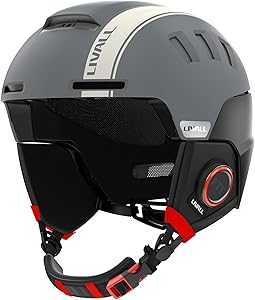
- Weight: 1.54–1.65 lbs depending on size
- Safety Features: Fall detection and SOS alert with GPS
- Connectivity: Bluetooth audio and PTT walkie-talkie
- Certification: CPSC and CE safety approved
The LIVALL RS1 stands out with its advanced smart technology and lightweight design, offering both safety and performance for snowboarders. Built with an ABS outer shell and an EPS liner, it delivers reliable impact protection without adding bulk. Its fall detection and automatic SOS alert features add an extra layer of security, automatically notifying your emergency contact in case of an accident. The adjustable dial ensures a comfortable fit for different head sizes.
Beyond safety, the helmet enhances your experience with Bluetooth speakers and a windproof microphone for clear communication. The integrated LIVALL app tracks your rides, including speed, distance, and altitude, allowing you to monitor your performance easily. Plus, the preventing loss alarm alerts you if your phone drifts too far from the helmet. It’s a perfect pick for those who want smart safety features, premium comfort, and hands-free functionality on the slopes.
Pros:
- Smart fall detection and SOS alerts
- Lightweight yet durable design
- Integrated ride tracking via app
- Excellent communication features
Cons:
- Requires app for full functionality
- Premium price compared to basic helmets
How to Choose Snowboard Helmets with Bluetooth
Snowboarding is one of the most exciting winter sports, but it also comes with risks. A helmet is essential for protection, and modern technology now allows riders to enjoy extra features such as Bluetooth connectivity. Bluetooth snowboard helmets combine safety and convenience, letting you listen to music, take calls, and communicate with friends without removing your gloves or stopping mid-ride. Choosing the right one can be tricky, so here’s a complete guide to help you find the perfect Bluetooth snowboard helmet.
Why Choose a Bluetooth Snowboard Helmet
A Bluetooth helmet offers more than just head protection. It enhances your riding experience by adding entertainment, communication, and navigation features. Whether you love carving down long trails or tackling off-piste runs, these helmets keep you connected without sacrificing safety or comfort. You can listen to your favorite playlists, receive GPS directions, or chat with your group via built-in intercom systems—all hands-free.
Bluetooth snowboard helmets are also designed for durability and comfort. They often include advanced ventilation systems, impact-absorbing liners, and adjustable fit dials. Many models allow pairing with smartphones or other devices, giving you total control of your ride while keeping your focus on the slopes.
Key Factors to Consider When Buying a Bluetooth Snowboard Helmet
1. Safety and Certification
Before anything else, ensure the helmet meets safety standards. Look for certifications such as ASTM F2040, CE EN1077, or CPSC, which confirm the helmet has been tested for impact resistance. A good snowboard helmet should feature a tough ABS outer shell combined with an EPS (expanded polystyrene) inner liner to absorb shocks during falls or collisions.
Some high-end helmets, like the LIVALL RS1, go a step further by offering smart safety features such as fall detection and SOS alerts. These systems can automatically send your GPS location to emergency contacts in case of an accident, providing added peace of mind when riding alone.
2. Bluetooth Connectivity
The quality of Bluetooth connectivity is a key factor. A reliable Bluetooth system should offer stable connections, long range, and good sound quality even in cold or windy conditions. Look for helmets that use Bluetooth 4.0 or higher, as they provide faster and more energy-efficient connections.
Some helmets allow multiple intercom connections so you can chat with other riders on the slopes. For example, the Sena Latitude lets you connect up to four helmets within a one-kilometer range. Others come with integrated headphones and microphones for hands-free calls and music streaming.
3. Battery Life
Battery life determines how long your helmet’s Bluetooth features can last during your snowboarding sessions. The best helmets offer 8 to 15 hours of talk or playback time, with quick charging times of 2 to 3 hours. If you plan on spending full days on the slopes, choose a model with a longer battery life to avoid running out of power mid-ride.
Some helmets feature low-battery alerts or auto-shutoff functions to conserve energy. Detachable Bluetooth units are also useful since they can be charged separately from the helmet.
4. Comfort and Fit
A proper fit is essential for both safety and comfort. Look for helmets with adjustable dials that let you fine-tune the fit around your head. Padded liners and ear covers add warmth, while removable and washable liners make maintenance easier. Many Bluetooth helmets are lightweight, ensuring comfort even during long sessions.
Ventilation is another important aspect. Good airflow keeps your head cool and prevents fogging in your goggles. Helmets with adjustable vents allow you to control the amount of air coming in, adapting to different weather conditions.
5. Audio Quality
Not all Bluetooth helmets deliver the same sound experience. Choose one that provides clear and balanced audio, especially if you enjoy listening to music while riding. Windproof microphones are essential for clear calls, and noise-cancelling technology helps block out background noise from wind or lifts.
Some helmets come with removable audio systems, allowing you to use the helmet even without Bluetooth functions. Others feature built-in speakers designed to deliver immersive sound without covering your ears completely, keeping you aware of your surroundings.
6. Durability and Build Quality
A helmet should last for several seasons, so durability is key. High-quality ABS shells resist scratches and impacts, while EPS liners maintain structural integrity even after minor bumps. Helmets designed for cold climates should also be resistant to moisture and temperature changes to prevent cracking or warping.
Additionally, look for helmets with detachable or replaceable parts, such as liners, ear pads, and visors. This extends the helmet’s lifespan and allows easy upgrades or cleaning.
7. Ease of Use
Controls should be simple and glove-friendly. Many helmets feature large buttons on the earpads, making it easy to adjust volume, change tracks, or answer calls without taking off your gloves. Voice control compatibility is also a great bonus, especially for Apple Siri or Google Assistant users.
Quick pairing with your smartphone or other devices is another convenience factor. Some models automatically reconnect to previously paired devices when powered on, saving time on setup.
Extra Features to Look For
Intercom Communication
If you ride in groups, intercom functionality is extremely useful. It allows you to stay in touch with your friends without using phones or walkie-talkies. Some helmets support one-to-one intercom, while others allow group connections over several hundred meters.
App Integration
Some smart helmets, such as the LIVALL RS1, include dedicated apps that record your speed, altitude, and distance. This feature is ideal for performance tracking and sharing ride statistics. The app can also manage safety alerts, GPS navigation, and helmet settings.
Water and Cold Resistance
Since snowboarding happens in wet and cold environments, ensure the helmet and its electronic components are resistant to moisture. Look for IP-rated helmets (like IP45 or higher) that can withstand snow, sweat, and cold temperatures. This helps maintain performance and prevents damage to the electronics.
Design and Style
While safety is always the priority, design matters too. Helmets come in various colors, shapes, and finishes. Some models feature sleek aerodynamic designs, while others have a more rugged look. Choose one that matches your style and gear while maintaining proper functionality.
Maintenance Tips for Bluetooth Snowboard Helmets
To keep your Bluetooth snowboard helmet in top condition, always store it in a cool, dry place after use. Avoid leaving it in damp areas or near direct heat sources. Detach any removable liners and wash them regularly to prevent odor and bacteria buildup.
Charge the Bluetooth system after each use, and make sure the ports are clean and dry before plugging them in. Check for software updates if your helmet connects to a mobile app, as updates can improve functionality and battery performance.
Top Brands to Consider
Several brands have earned strong reputations in Bluetooth snowboard helmets. Sena offers excellent communication helmets like the Latitude, known for its long range and clear HD intercom. OutdoorMaster provides affordable yet feature-rich helmets such as the Kelvin II, ideal for casual riders who want comfort and sound quality. LIVALL stands out for its smart features, including GPS tracking, fall detection, and app integration.
Conclusion
Choosing the right Bluetooth snowboard helmet means balancing safety, comfort, and technology. Look for a certified helmet that fits snugly, offers clear audio, and has reliable battery life. Decide whether you want simple Bluetooth functionality for music and calls or advanced smart features like intercom communication and SOS alerts.
A well-chosen helmet not only keeps you protected but also enhances your entire snowboarding experience. Whether you prefer solo rides or group adventures, a Bluetooth snowboard helmet ensures you stay connected, entertained, and safe on every run down the mountain.