Best Snowboards for Icy Conditions of 2026
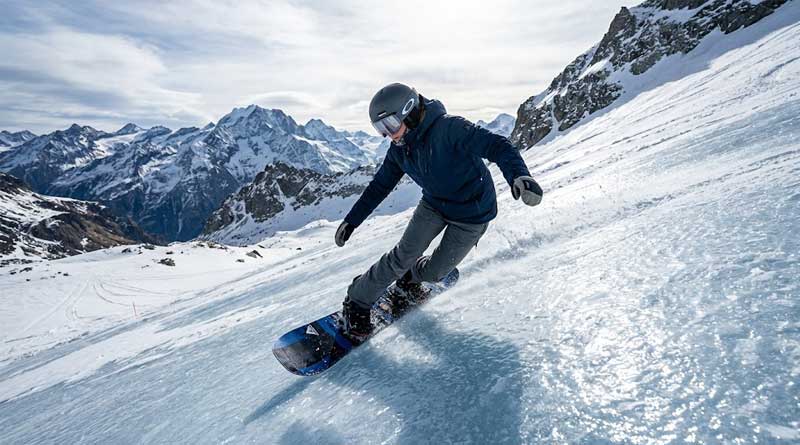
Hitting the slopes on an icy day can feel more like skating than snowboarding, but don’t let that stop you. The right board makes all the difference, turning scary slides into smooth, controlled runs. This guide breaks down the best snowboards built to grip hard-packed snow, so you can carve with confidence. We’ve picked top options for every rider, focusing on edge hold and stability. Get ready to leave the fear behind and enjoy a great ride, even when conditions are less than perfect.
1. Jones Flagship
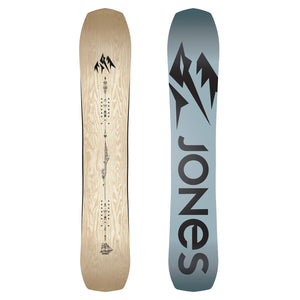
- Terrain: All-Mountain, Freeride
- Ability Level: Advanced-Expert
- Flex Rating: Stiff
- Edge Tech: Traction Tech
The Jones Flagship remains a premier benchmark for big-mountain freeriding. Its sophisticated composite core blends bamboo, flax, and basalt to deliver an exceptionally damp and stable ride, absorbing high-speed chatter seamlessly. The directional shape combined with a robust rocker-camber profile provides incredible float in deep powder while ensuring immediate edge initiation when transitioning onto hardpack or technical steeps.
Engineered strictly for aggressive riders, this board demands proper technique and power to unlock its true potential. The integrated Traction Tech edges lock into icy slopes with absolute authority, offering supreme confidence during high-velocity carves. It is a powerful, uncompromising deck built to conquer challenging terrain and demanding alpine lines with ease.
Pros: Excellent high-speed stability, superior edge hold on ice, incredible powder float.
Cons: Too aggressive for intermediates, unforgiving at slow speeds.
2. Jones Stratos
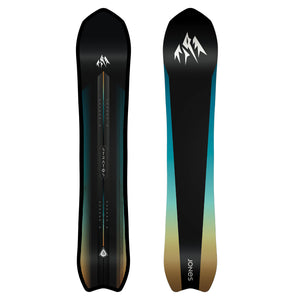
- Terrain: All-Mountain, Freeride
- Ability Level: Advanced-Expert
- Rocker Type: Rocker/Camber/Rocker
- Flex Rating: Stiff
The Jones Stratos merges a playful all-mountain personality with the hard-charging capabilities of a dedicated freeride deck. Featuring a directional hybrid profile, it delivers energetic turn initiation and a lively feel underfoot that transitions effortlessly from tight tree runs to wide-open groomers. The basalt-infused wood core provides an excellent balance of pop and dampness across variable snow conditions.
While rated as stiff, the Stratos offers a slightly more agile, dynamic ride quality than traditional big-mountain boards, making it incredibly fun for slashing sidehits. It initiates turns smoothly and maintains tremendous speed through transitions. Advanced riders will appreciate its precise handling and versatile performance across the entire mountain resort layout.
Pros: Quick edge-to-edge agility, highly versatile, energetic pop out of turns.
Cons: Demands constant attention, not ideal for dedicated park riding.
3. Lib Tech T. Rice Orca
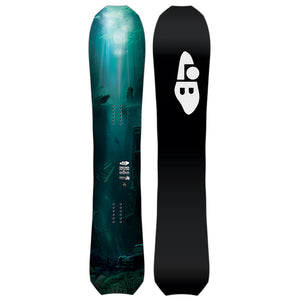
- Terrain: Freeride, Powder
- Rocker Type: Camber/Rocker/Camber
- Edge Tech: Magne-Traction
- Made in the USA: Yes
The Lib Tech T. Rice Orca has achieved legendary status as a powerhouse volume-shifted snowboard designed to be ridden shorter than your standard deck. The distinct camber/rocker hybrid profile combines with a wide platform to deliver remarkable, effortless float in deep backcountry powder. Its tight sidecut ensures sharp, lightning-fast maneuvers through tight trees and technical terrain.
On hardpack, the signature Magne-Traction serrated edges cut through icy patches like a knife, providing unbelievable stability for a wider board. The medium flex gives it a lively, playful pop while remaining stout enough to stomp heavy landings. It excels at turning the entire mountain into a natural, powder-filled playground.
Pros: Exceptional powder float, incredibly nimble in trees, reliable ice grip.
Cons: Wide waist lacks traditional carving feel, not built for switch riding.
4. CAPiTA Dark Horse
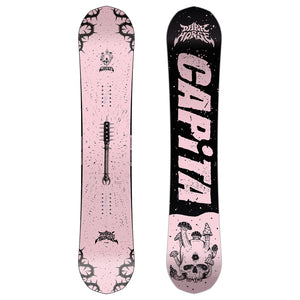
- Terrain: Freestyle, All-Mountain
- Rocker Type: Camber
- Shape: True Twin
- Core/Laminates: Wood, Carbon, Aramid
The CAPiTA Dark Horse is a high-performance true twin designed for riders who treat the entire mountain as a terrain park. Utilizing the innovative Park V1 camber configuration, it provides the undeniable power and massive pop of traditional camber while keeping the tips slightly predictable near the contact points. This ensures maximum stability when loading up for massive jumps.
Inside, the dual-species wood core is reinforced with carbon aramid boosters to deliver lightning-fast response without adding unnecessary weight. The medium flex pattern allows for precise pressing and buttering while maintaining enough backbone to handle high-speed all-mountain charging. It represents a premium blend of freestyle freedom and structural elite reinforcement.
Pros: Explosive pop, very stable on jumps, balanced true twin feel.
Cons: Requires precise user input, lacks deep powder flotation capabilities.
5. Never Summer Proto T3 Ultra
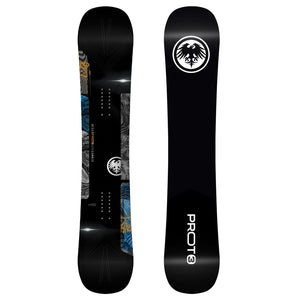
- Terrain: All-Mountain
- Ability Level: Intermediate-Advanced
- Rocker Type: Cam/Rock/Cam/Rock/Cam
- Shape: True Twin
The Never Summer Proto T3 Ultra introduces cutting-edge resort performance featuring an aggressive Recurve Triple Camber profile. This unique engineering design features multiple camber zones that maximize edge pressure directly underfoot, creating unparalleled grip on firm snow and ice. The wood and carbon construction delivers a remarkably damp, chatter-free ride across chopped-up terrain.
Featuring a true twin shape and a versatile medium flex, this board transitions smoothly from high-speed carving to styling out park features. It provides an energetic, lively feel out of turns while maintaining a stable, composed platform at terminal velocity. It is a premium choice for riders seeking a high-tech all-mountain weapon.
Pros: Revolutionary edge hold, incredibly smooth damp ride, highly balanced twin.
Cons: Complex profile feels unique initially, slightly heavy construction.
6. Season Primer
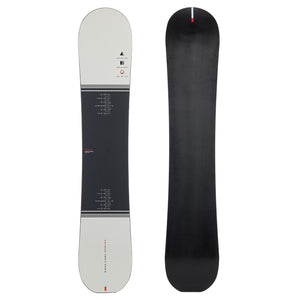
- Terrain: All-Mountain
- Ability Level: Beginner-Intermediate
- Shape: Directional Twin
- Flex Rating: Soft
The Season Primer is intentionally engineered to accelerate the learning curve for developing snowboarders. Featuring an approachable soft flex and a forgiving rocker-camber-rocker profile, it reduces catch-all edge points to boost rider confidence significantly. The directional twin shape provides a balanced platform that excels whether riding regular or practicing switch basics.
Its lightweight wood core delivers a smooth, predictable ride that handles resort groomers with ease. Because it requires minimal effort to initiate turns, beginners can focus entirely on mastering their body mechanics without fighting the board. It serves as an excellent, durable investment backed by a limited lifetime warranty program.
Pros: Extremely forgiving, easy turn initiation, excellent value with lifetime warranty.
Cons: Overly soft at high speeds, washes out on ice.
7. Never Summer Proto Type 3
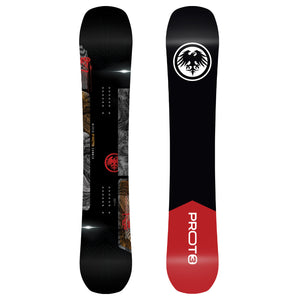
- Terrain: All-Mountain
- Rocker Type: Cam/Rock/Cam/Rock/Cam
- Edge Tech: Traction Tech
- Warranty: 3 Years
The Never Summer Proto Type 3 stands out as a highly adaptable asymmetrical all-mountain board built to dominate any condition. Utilizing their patented Recurve Triple Camber profile, it blends the powerful edge control of traditional camber with the effortless tracking of rocker elements. The low-profile tip and tail keep the board nimble and reduce swing weight.
A mid-flexing wood and carbon core creates a lively ride that snaps aggressively out of turns while absorbing harsh impacts. Whether you are charging groomers, slicing through trees, or entering the park, its balanced twin design offers predictable, intuitive performance. It represents a highly durable, premium daily driver for resort enthusiasts.
Pros: Intuitive asymmetrical handling, superior edge bite, great impact dampening.
Cons: Camber transitions take adjustment, not a dedicated powder deck.
8. Lib Tech Skate Banana
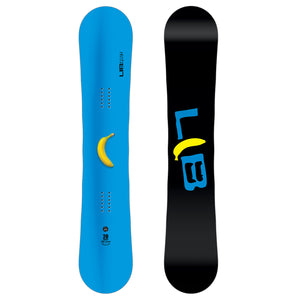
- Terrain: Freestyle, All-Mountain
- Ability Level: Beginner-Intermediate
- Shape: True Twin
- Edge Tech: Magne-Traction
The Lib Tech Skate Banana revolutionized snowboard design with its signature hybrid rocker profile, and it remains a champion of fun. With rocker positioned directly between your feet, this true twin offers a loose, skate-like feel that makes catching edges nearly impossible. It turns the entire resort into a playful park lane for developing freestyle riders.
Despite its loose nature, the integration of Magne-Traction serrated edges ensures reliable grip when conditions turn icy or firm. The medium-flexing wood core provides a poppy yet forgiving platform that excels at jibs, butters, and ground tricks. It is a legendary option for riders prioritizing pure fun and progression.
Pros: Incredibly playful and loose, catch-free feel, dependable edge grip.
Cons: Unstable during high-speed charging, lacks deep carving drive.
9. Jones Mountain Twin
- Terrain: Freestyle, All-Mountain
- Ability Level: Intermediate-Advanced
- Shape: Directional Twin
- Flex Rating: Medium
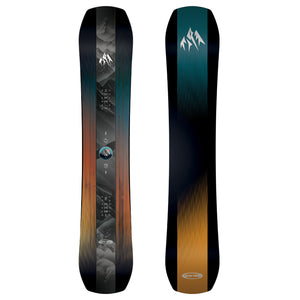
The Jones Mountain Twin is the ultimate quiver-killer designed for riders who want one board to handle everything from park laps to powder fields. The directional twin shape provides a balanced freestyle feel while offering slightly more float when riding forward in deep snow. A versatile medium flex ensures an ideal balance of playful pop and high-speed stability.
Featuring a rocker-camber-rocker profile and Traction Tech edges, it carves beautifully on hardpack and locks onto rails with total predictability. The wood core provides an energetic ride that feels lively across the entire resort layout. It is a highly dependable choice for riders seeking absolute versatility without compromises.
Pros: True do-it-all capability, balanced freestyle feel, reliable carving grip.
Cons: Outperformed by specialized powder boards, generic aesthetic style.
10. Season Forma
- Terrain: Freeride, Powder
- Ability Level: Advanced-Expert
- Shape: Directional
- Flex Rating: Stiff
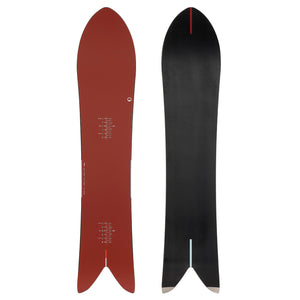
The Season Forma is a uniquely styled freeride masterpiece designed in collaboration with professional athlete Austin Smith. It features a prominent wide nose and a tapered swallowtail design that provides effortless, surf-like flotation in the deepest powder conditions. The stiff flex pattern ensures absolute stability when charging down steep, technical alpine faces.
Despite its powder-focused geometry, the robust camber section underfoot allows the board to lay down serious, powerful carves on groomed resort trails. The minimalist wood core delivers a damp, incredibly smooth ride quality that minimizes leg fatigue over long days. It is a premium tool built specifically for dedicated freeride purists.
Pros: Outstanding powder performance, powerful carving ability, unique swallowtail design.
Cons: Not suitable for switch riding, demanding in tight spaces.
11. Arbor Rain
- Terrain: Freestyle, All-Mountain, Freeride
- Ability Level: Intermediate-Advanced
- Rocker Type: Camber
- Flex Rating: Stiff
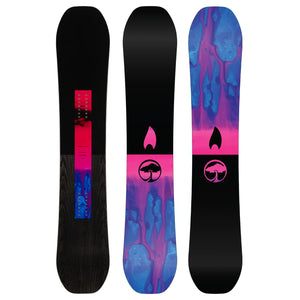
The Arbor Rain, tuned to the riding specifications of snowboarding icon Pat Moore, is a hard-charging directional twin built for total terrain domination. Utilizing a powerful full traditional camber profile, it provides incredible energy return, snappy response, and maximum stability at high speeds. The premium wood and bamboo core core ensures explosive pop off jumps.
The stiff flex rating gives advanced riders the support needed to stomp heavy landings and power through rough, choppy snow conditions without buckling. While it demands focused driver input, it rewards aggressive riders with uncompromising precision across the park, pipe, and steep groomers. It is an absolute powerhouse deck.
Pros: Explosive camber pop, rock-solid high-speed stability, very durable build.
Cons: Unforgiving for lazy riders, requires effort to turn.
12. Arbor El Camino
- Terrain: Freestyle, All-Mountain, Freeride
- Rocker Type: Camber
- Shape: Directional
- Flex Rating: Stiff
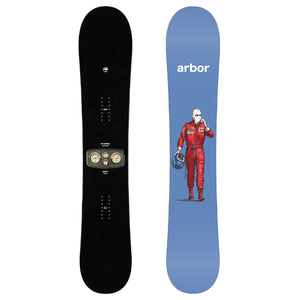
The Arbor El Camino is an elite all-mountain freeride machine optimized for aggressive terrain lines and high-velocity carves. Built with a directional shape and a traditional camber profile, it places total control and precision directly under the rider’s feet. The premium wood and bamboo core delivers a resilient, highly energetic ride character.
Endorsed by powerhouse rider Jared Elston, this board is built to handle massive natural hits and steep descents with absolute poise. The stiff flex ensures the edge remains locked into the snow throughout high-g turns, providing unwavering stability. It is built strictly for advanced riders who push their equipment to the absolute limit.
Pros: Powerful carving precision, exceptional stability, highly responsive core.
Cons: Catches edges easily if careless, poor slow-speed maneuverability.
How to Choose Snowboards for Icy Conditions
Riding on icy snow is every snowboarder’s challenge. One moment you’re cruising, the next you’re sliding sideways with no grip. But here’s the good news: the right board can turn that scary ice into a playground. This guide walks you through everything you need to know—from edge tech to board shape—so you can pick a board that holds tight and gives you confidence, even on the iciest mornings.
Why Icy Conditions Are Different
Ice isn’t just “hard snow.” It’s a layer of frozen, compacted crystals that offers very little friction. On powder, your board surfs. On groomers, it glides. On ice, it skates—and not in a good way. The key to mastering ice is edge hold. Without it, your board slips out from under you, especially on steep sections or fast turns. That’s why choosing a board for ice isn’t about style or float—it’s about bite.
Key Features to Look For
1. Edge Technology (The Game-Changer)
This is the single most important factor for icy slopes. Regular straight edges don’t cut it. You need boards with special edge profiles that dig into hard snow. Here are the most common ones:
- Magnetraction (Lib Tech / GNU): Wavy edges with multiple contact points along the sidecut. Think of it like serrated knife teeth—they grip ice like crazy.
- Frostbite Edges (Burton): Extended contact points near the tip and tail that bite deeper when you turn.
- Underbite / Sidebite (Arbor / Yes): The edge is slightly pulled inward, creating extra pressure at key spots for better hold.
- 3D Contoured Edges (Jones): Raised contact points at the nose and tail that engage progressively, giving you grip without catching.
If you ride ice often, prioritize a board with one of these technologies. They’re not gimmicks—they work.
2. Camber Profile
The shape of your board’s bend affects how much edge is in contact with the snow at any time.
- Full Camber: The classic shape—bows upward in the middle. This puts maximum pressure on the tip and tail edges, giving you incredible grip on ice. It’s lively and poppy but less forgiving.
- Flat Camber: Flatter between the feet with a slight rocker at the tips. Offers decent edge hold with more stability than rocker.
- Rocker (Reverse Camber): Bends like a banana—great for powder but terrible on ice. Less edge contact means more slipping. Avoid for icy conditions.
- Hybrid Camber: Combines rocker in the middle with camber under the feet (e.g., CamRock). This gives you the best of both: float and edge hold. Many ice-friendly boards use this.
Best pick for ice: Full camber or a hybrid with camber under both feet.
3. Sidecut Radius
Sidecut is the curve along the edge of your board. It determines how tight or wide your turns are.
- Tighter radius (shorter turns): Easier to carve quickly, which helps you find grip on icy patches. Great for trees and narrow runs.
- Larger radius (longer turns): More stable at high speed but requires more effort to initiate a turn—can feel washy on ice.
For ice, a mid-to-tight sidecut (around 7–8m for most riders) helps you dig in and change direction fast when you hit a slick spot.
4. Board Stiffness (Flex)
Flex rating goes from soft (1) to stiff (10).
- Soft flex (1–4): Forgiving and playful, but they twist too easily on ice, losing edge pressure.
- Medium flex (5–7): The sweet spot. Stiff enough to hold an edge, yet flexible enough for all-day riding.
- Stiff flex (8–10): Maximum grip and stability at speed. Requires more strength to ride but rewards you with razor-sharp carves.
For icy conditions, aim for at least a 5/10 flex. If you’re aggressive or heavy, go stiffer.
5. Base Material
While base material doesn’t directly affect grip, it affects speed and glide. On ice, you want a base that runs smooth so you don’t lose momentum.
- Sintered base: Faster, more durable, and absorbs wax better. Great for ice because it maintains speed through flat sections.
- Extruded base: Slower and less durable but cheaper and easier to repair. Fine for beginners, but not ideal for icy terrain where speed helps you power through.
Go with sintered if your budget allows—it makes a noticeable difference on hard pack.
6. Board Length and Width
Size affects how much edge is in contact with the snow.
- Length: A slightly longer board gives you more running edge (the part touching the snow). This improves grip. If you’re between sizes, size up by 1–2 cm for ice.
- Width: Match your boot size. Too narrow and your toes drag; too wide and it’s sluggish. Correct width ensures you can tilt the board fully without boot-out.
Quick Comparison Table: Best Features for Ice
| Feature | Best for Ice | Why It Helps |
|---|---|---|
| Edge Tech | Magnetraction / Frostbite / Underbite | Creates multiple or extended contact points to dig into hard snow |
| Camber Profile | Full Camber or Hybrid (camber under feet) | Maximizes edge pressure where you need it most |
| Sidecut Radius | Mid-to-tight (7–8m) | Allows quick, grippy turns on slick patches |
| Flex Rating | 5/10 or stiffer | Prevents board twisting, keeps edge locked in |
| Base Type | Sintered | Faster glide to carry you through flat icy sections |
| Length | Slightly longer than your all-mountain size | More running edge = more grip |
Top Board Shapes for Ice
Beyond camber, the overall shape (directional vs. twin) matters too:
- Directional: Nose is longer than the tail. Great for carving because the longer nose helps initiate turns and the shorter tail locks in. Ideal for ice if you mainly ride one way.
- Twin: Symmetrical shape. Good for park and switch riding, but on ice, directional boards usually offer better stability and grip in forward rides.
- Directional Twin: A hybrid—twin-shaped but with a slightly setback stance. Gives you versatility while still prioritizing edge hold. A solid choice for all-mountain ice riders.
What About Women-Specific Boards?
Many brands offer women’s models with slightly softer flex, narrower widths, and smaller sizes. The same rules apply—look for edge tech, camber, and a flex that matches your weight and strength. Don’t be afraid to try a unisex board if it fits your specs better.
Don’t Forget Your Tune-Up
Even the best board won’t grip ice if the edges are dull. Here’s a quick maintenance checklist:
- Edge angle: A sharper edge (88°–89°) bites better than a dull 90°+ angle. Get a professional tune before icy season.
- Detuning: Only detune the tip and tail (to avoid catching), but keep the contact areas sharp.
- Wax: A cold-temperature wax (for below 20°F) reduces friction and helps you glide over ice without slowing down.
Budget vs. Performance
You don’t need to spend $800 to get good ice grip. Many mid-range boards ($400–$550) feature excellent edge tech and camber. Entry-level boards often skip these details, so avoid the cheapest options if ice is common at your home mountain. Think of it as an investment in safety and fun.
Final Checklist Before You Buy
Use this quick list when shopping:
- Does it have serrated or extended edge tech? (Yes / No)
- Is the camber full or hybrid with camber underfoot? (Yes / No)
- Is the flex rating 5 or higher? (Yes / No)
- Is the sidecut radius 8m or less for your size? (Yes / No)
- Does it have a sintered base? (Preferable, but not a deal-breaker)
- Is it slightly longer than your usual board? (Consider it)
The Bottom Line
Choosing a snowboard for icy conditions comes down to three things: edge technology, camber, and stiffness. Don’t get distracted by graphics or powder-focused features if you mainly ride hard pack. Test a few boards if you can—demo days are great for this. And remember, even with the perfect board, your technique matters. Lean into your shins, stay centered, and let the board do the gripping. With the right setup, ice stops being scary and starts being just another fun challenge.
Now go out there, pick your weapon, and carve that ice like it’s butter.