Best Snowboards for Buttering of 2026
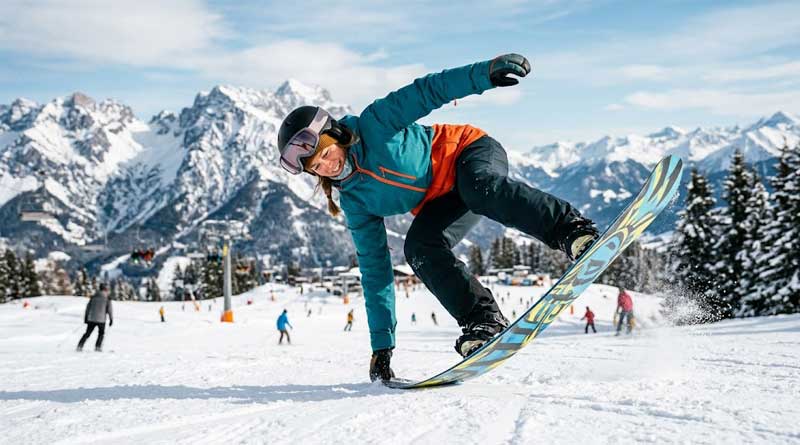
Buttering is one of the most fun ways to add style to your snowboarding. Whether you want to master smooth nose presses, spin on flat ground, or just play around on the slopes, having the right setup makes a huge difference. The best snowboards for buttering feature soft flex, forgiving profiles, and catch-free edges that make bending and flexing your board effortless. In this guide, we’ve rounded up top-rated boards that turn the entire mountain into your personal snowy playground.
1. Bataleon Disaster
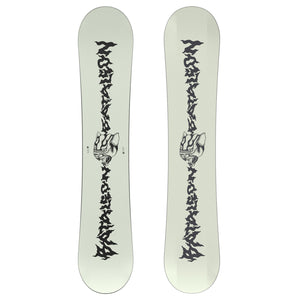
- Rocker: Medium Camber
- Flex: 2/10 (soft)
- Shape: 3BT Triple Base + True Twin
- Core: Poplar w/ beech stringers
The Bataleon Disaster is the undisputed king of buttering. Its ultra-soft flex rating of 2 makes it incredibly forgiving, allowing you to press, bend, and twist the board with minimal effort. The 3BT Triple Base Technology lifts the contact points, making it nearly impossible to catch an edge, which is exactly what you want when you are leaning back on the nose or tail. This board is playful, lively, and turns the entire mountain into a playground.
Whether you are a beginner looking to master your first press or a seasoned park rat, the Disaster delivers a surfy, skate-style feel that is pure fun. The bi-ax laminate keeps the board snappy without adding torsional stiffness, so you can tweak your butters in any direction. It’s not the fastest board on the hill, but that is not what it is built for. It is built for creativity, progression, and maximum stoke on every lap.
- Pros: Exceptionally soft, extremely forgiving edge catch, playful surfy feel
- Cons: Lacks stability at high speeds, not ideal for hard charging
2. Bataleon Disaster – Women’s
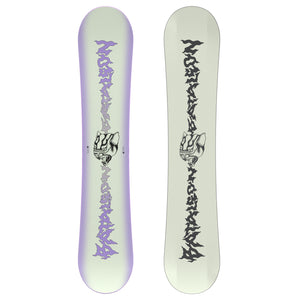
- Rocker: Medium Camber
- Flex: 2/10 (soft)
- Shape: 3D Twin + SideKick
- Core: Full poplar w/ hardwood stringers
Built on the same legendary platform as the men’s version, the Bataleon Disaster Women’s is tailored to deliver the same effortless buttering experience with a flex and profile optimized for lighter riders. The super-soft flex lets you load the board with ease, making presses and nose rolls feel natural and controlled. The 3BT base technology ensures that your landings are smooth and your transitions are fluid, eliminating the fear of catching a stray edge mid-trick.
This board is a confidence booster on rails, in the park, and across the entire mountain. The SideKick hull-like shaping adds extra uplift at the tips, which helps when you are floating through slush or soft snow. While it may not be the most aggressive carver, it is one of the most fun and forgiving boards for creativity. The smooth, predictable flex pattern makes it a top choice for female riders looking to progress their freestyle game.
- Pros: Ideal for lighter riders, forgiving 3BT base, great for progression
- Cons: Soft flex limits high-speed carving, feels washy on hardpack
3. Bataleon Disaster+
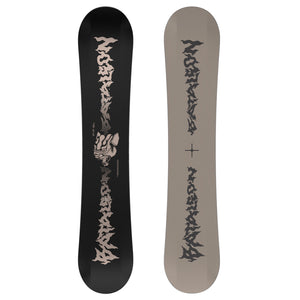
- Rocker: Medium Camber
- Flex: 3/10 (soft)
- Shape: 3D Twin + 3BT
- Core: Poplar/Paulownia blend
The Bataleon Disaster+ takes everything you love about the classic Disaster and adds a bit of pop and liveliness to the mix. With a flex rating of 3, it is still incredibly soft and playful, but the lighter core (combining Poplar and Paulownia) makes it snappier off the lip and more responsive when you are loading up for a big butter. It retains the same edge-catch-free 3BT design, so you can press with reckless abandon while still having enough spring to pop out of presses with style.
This board is for the rider who wants to master flat tricks and ground game but also wants a little more energy for small jumps and jibbing. The construction is premium, giving you a slightly more durable feel than its softer sibling without sacrificing the playful feel that makes the Disaster line famous. It is the perfect “step-up” soft board for those who want a bit more response.
- Pros: More pop than standard Disaster, playful but responsive, lightweight
- Cons: Slightly more expensive, still not a hard-charging board
4. Yes. Basic
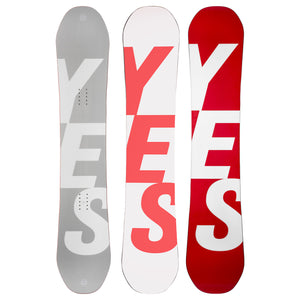
- Rocker: Camber/Rocker/Camber
- Flex: Medium (5/10)
- Shape: True Twin
- Core: Full poplar wood
The Yes. Basic is a true all-mountain freestyle board that excels at buttering while still maintaining the ability to ride the rest of the mountain with confidence. The medium flex is a bit stiffer than the Disaster, but the camber underfoot provides excellent snap and pop. The rocker in the nose and tail makes pressing and butters feel loose and easy, while the camber sections give you the energy to spring out of your tricks. It is a “basic” board that does everything well.
If you want a board that can butter in the morning, carve groomers in the afternoon, and hit the park at night, this is it. It is less forgiving than a pure soft-flex board, but it offers far more stability and edge hold. The true twin shape and UnderBite technology (which makes turning easier) ensure that this board is a blast in any condition. It is a fantastic choice for intermediates looking to improve their butter game without sacrificing all-mountain versatility.
- Pros: Versatile, poppy, good edge hold, stable at speed
- Cons: Not as soft as dedicated park boards, requires more effort to press
5. Yes. Basic – Women’s
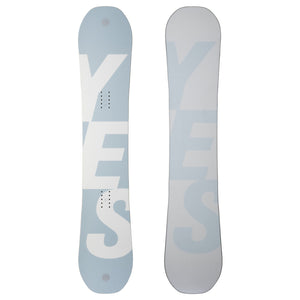
- Rocker: Camber/Rocker/Camber
- Flex: Medium (5/10)
- Shape: True Twin
- Core: Poplar wood
The Women’s version of the Yes. Basic delivers the same “do-it-all” attitude with a flex pattern perfectly tuned for female riders. It offers a medium flex that is soft enough to lean into presses but stiff enough to hold a solid edge on firm snow. The rocker in the tips facilitates easy turn initiation and makes buttering feel fluid and natural, while the camber underfoot provides a solid foundation for popping off rollers and side hits.
This is the ultimate one-board quiver for the rider who wants to progress in the park but doesn’t want to be limited to just that. The construction is durable, the base is fast, and the shape is dialed. Whether you are spinning on flats or cruising down groomers, the Yes. Basic Women’s offers a balanced, predictable ride that instills confidence and encourages playfulness.
- Pros: Great all-mountain performance, balanced flex, reliable edge hold
- Cons: Not the most playful soft option, average powder float
6. GNU Head Space
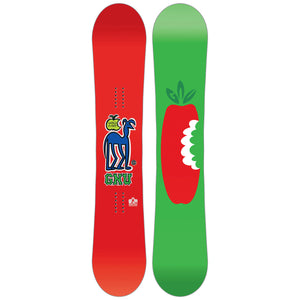
- Rocker: Camber/Rocker/Camber (C3)
- Flex: Medium (5/10)
- Edge Tech: Magne-Traction
- Core: Wood & Composite
The GNU Head Space is a park machine engineered for riders who demand performance at the highest level. With a medium flex and a C3 camber profile (camber between the feet, rocker in the tips), it offers an excellent blend of pop and playfulness. The rocker zones at the nose and tail make buttering incredibly easy, allowing you to lock into presses without worrying about catching an edge. However, the camber underfoot provides the snap needed for big jumps and high-speed jibs.
What sets this board apart is the inclusion of Magne-Traction. This wavy edge technology gives you unreal edge hold on hardpack and ice, meaning you can butter with confidence even in less-than-ideal conditions. It is a board for the advanced rider who wants to progress their freestyle skills across the entire mountain, from rail gardens to natural terrain. The construction is top-tier, making it a durable and high-performing weapon.
- Pros: Excellent edge hold, great pop, rock-solid stability
- Cons: Stiffer than pure butter boards, not for beginners
7. CAPiTA Ultrafear
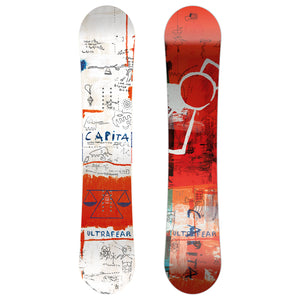
- Rocker: Camber/Rocker/Camber
- Flex: Medium (5/10)
- Shape: True Twin
- Core: Carbon, Cork, Aramid blend
The CAPiTA Ultrafear is legendary in the world of freestyle snowboarding. It features a silky smooth flex that is soft enough to maneuver into butters with ease but stiff enough to handle high speeds and big impacts. The reverse camber in the nose and tail creates a massive “butter zone,” making it feel like the board is begging you to lean back and press. The multi-faceted core (using carbon, cork, and aramid) dampens vibrations and provides a smooth, stable feel underfoot.
This board is for the creative rider who wants to do it all—presses, butters, jumps, and rails. The Traction Tech 2.0 ensures you have grip when you need it, and the lightweight construction makes it easy to throw around. While it is a medium flex, it has a unique, forgiving feel that makes buttering feel effortless, even for those with less experience. It is a park favorite for a reason.
- Pros: Massive butter zones, stable at speed, durable construction
- Cons: Pricey, medium flex might be stiff for pure beginners
8. Rome Agent
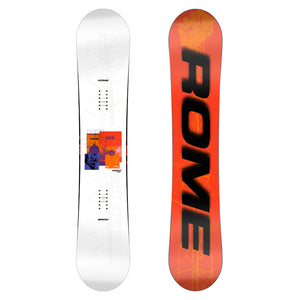
- Rocker: Fusion Camber (Rocker/Camber/Rocker)
- Flex: 6/10 (medium-stiff)
- Shape: True Twin w/ Double Kick
- Core: Bamboo Omega HotRods
The Rome Agent is a highly versatile all-mountain board that features a “Double Kick” in the nose and tail, making it a sleeper hit for buttering. The Double Kick technology enhances the contact points, allowing for massive presses and easy surface manipulation. While it has a slightly stiffer flex rating of 6, the Fusion Camber profile provides a surfy, playful feel when you are off your edges. The Bamboo Omega HotRods embedded in the core offer explosive pop, helping you snap out of butters with authority.
This board is ideal for the intermediate-to-advanced rider who wants a do-everything board that excels in the park and on the rest of the mountain. It provides more stability and response than a traditional soft board, making it perfect for aggressive freestyle riding. If you want to butter big and ride bigger, the Rome Agent is a top-tier choice that doesn’t sacrifice performance for playfulness.
- Pros: Incredible pop, stable, good for big mountain and park
- Cons: Stiffer flex makes butters more demanding, not for beginners
How to Choose the Best Snowboard for Buttering
Understanding the Butter
Before you choose a board, it’s crucial to understand what makes a snowboard good for buttering. At its core, buttering involves flexing the board and using the leverage of the nose or tail to initiate a press or rotation. The easier it is to flex the board, the easier it will be to butter. However, it is not just about softness; it is about the entire construction—the rocker profile, the sidecut, and the core materials—all working together to create a forgiving, playful, and poppy ride. Butters are essentially skate-style tricks on snow, requiring a board that feels responsive underfoot but loose and forgiving when you are shifting your weight to extreme positions.
Flex Rating: The Golden Rule
Flex is arguably the most critical factor when selecting a buttering board. Flex ratings typically range from 1 (very soft) to 10 (very stiff). For buttering, you want a board on the softer end of the spectrum.
- Soft Flex (1-3): These boards are the easiest to press and manipulate. They are incredibly forgiving, making them ideal for beginners or riders who want to focus purely on ground tricks. The Bataleon Disaster (2) is a prime example.
- Medium Flex (4-6): These boards offer a balance between playfulness and stability. They require a bit more effort to press but provide better pop and edge hold. They are suitable for all-mountain freestyle. The Yes. Basic (5) and CAPiTA Ultrafear (5) fit here.
- Stiff Flex (7-10): While you can butter on these, it requires significant strength and skill. They are not recommended for pure buttering as they are designed for high-speed stability and aggressive carving.
If your primary goal is to press and do flat tricks, choose a board with a flex rating of 5 or below. Remember, a softer flex is forgiving when landing slightly off-balance, which is a common occurrence when learning new presses.
Rocker Profile: Nose and Tail Rise
The rocker profile (the shape of the board from tip to tail) has a massive impact on how the board behaves when buttering.
- Rocker/Camber/Rocker (Hybrid): This profile features rocker in the nose and tail and camber underfoot. The rocker in the tips makes the board incredibly easy to initiate presses, as the contact points are lifted off the snow. The camber underfoot provides snap and edge hold when you are not pressing. This is the most common and versatile profile for buttering (see Yes. Basic and CAPiTA Ultrafear).
- Flat Rocker: A flat profile with slight rocker at the tips offers a stable, “skate-like” feel. It’s great for jibbing and presses as it has a large surface area in contact with the snow.
- Full Camber: While offering the most pop, full camber requires much more effort to lift the nose or tail. It is not ideal for beginners or those focusing heavily on buttering. However, some riders prefer the “snap” you get when exiting a press.
The Importance of the Sidecut
Don’t overlook the sidecut. Boards with a “double kick” or 3D base technology (like the 3BT on Bataleon boards) make buttering substantially easier. These technologies bevel the edges in the nose and tail, effectively reducing the contact length when you are on an edge, making the board feel softer and more forgiving.
Shape: True Twin vs. Directional
For buttering, a True Twin shape is almost always recommended. A true twin board is perfectly symmetrical in shape and flex, meaning it rides the same forward as it does in a switch stance. Since many buttering tricks involve landing and spinning switch, a true twin ensures the board behaves identically, giving you confidence and consistency. A directional board can be buttered, but it will feel different depending on which direction you are riding.
Table: Quick Comparison of Key Buttering Boards
| Board | Flex Rating | Profile | Best For |
|---|---|---|---|
| Bataleon Disaster | 2 (Soft) | 3BT Camber | Pure Buttering / Beginners |
| Yes. Basic | 5 (Medium) | Rocker/Camber/Rocker | All-Mountain Freestyle |
| CAPiTA Ultrafear | 5 (Medium) | Rocker/Camber/Rocker | Park / Advanced Buttering |
| Rome Agent | 6 (Medium-Stiff) | Fusion Camber | Aggressive Freestyle |
Core and Materials: The Foundation
The core of the board—typically made of wood—affects its weight, pop, and durability. For buttering, you want a core that is responsive. Poplar is a common, lightweight wood used in many butter boards. More advanced boards might add carbon stringers or bamboo (like the Rome Agent) to increase pop without making the board too stiff. A lighter core (like the Paulownia/Poplar blend in the Disaster+) makes it easier to whip the board around during spins and presses.
Base Material
While base material (sintered vs. extruded) doesn’t affect the buttering mechanics, it affects how the board glides. Sintered bases are faster and more durable, ideal for maintaining speed through long presses. Extruded bases are slower and more porous but easier to repair. For pure buttering and park riding, a sintered base is preferred for speed, but a good wax is more important than the base type.
Ability Level and Experience
Your skill level is a significant factor in choosing the right board.
- Beginner to Intermediate: Look for a soft-flexing board with a forgiving profile, like the Bataleon Disaster. These boards will help you learn the feel of pressing without punishing you for mistakes.
- Intermediate to Advanced: You will appreciate a board with a medium flex, like the Yes. Basic or CAPiTA Ultrafear. These boards offer the playfulness needed for butters but also provide the stability and pop for jumps, rails, and all-mountain riding.
- Expert: You may prefer a stiffer board like the Rome Agent or GNU Head Space, which require precision and power but reward you with massive pop and reliable edge hold for technical presses and tricks.
Edge Technology
While not a primary concern for buttering, edge tech (like Magne-Traction on the GNU Head Space) can help you feel more secure on icy or hardpack snow when you are setting up for a trick or transitioning between presses. It provides extra grip when you are riding on your edges, which can boost confidence, especially for riders in variable conditions.
Choosing the right snowboard for buttering is about balancing softness with responsiveness. Prioritize a soft to medium flex, a true twin shape, and a rocker/camber hybrid profile. Whether you choose the effortless press of the Bataleon Disaster or the all-mountain versatility of the Yes. Basic, the best board is the one that matches your skill level and riding style. Get the right board, and you will be buttering like a pro in no time.