Best Snowboard Pants for Women of 2026
When you’re out on the mountain, staying warm and dry makes all the difference. The right pair of snowboard pants keeps you comfortable, lets you move freely, and blocks out wind and snow. But with so many options out there, it can be tough to know which ones are best for you. This guide breaks down the top picks for women, comparing fit, features, and price, so you can find the perfect pants for your next ride.
1. REI Co-op Powderbound Insulated
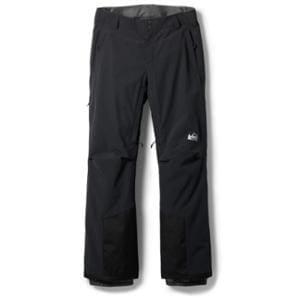
- Waterproofing: 2-layer Peak waterproof/breathable laminate
- Insulation: 40 g polyester synthetic fill
- Fabric: Bluesign-approved nylon shell
- Inseam: Available in 29.5 and 32 inches
The REI Co-op Powderbound Insulated pants are built to keep you moving through cold, snowy conditions on the mountain. Featuring a reliable 2-layer Peak shell, they successfully block out wet snow and biting winds while remaining breathable during active runs. The bluesign-approved construction ensures an environmentally conscious design without sacrificing winter durability.
To keep the chill at bay, a light layer of 40-gram synthetic insulation provides efficient warmth without adding excess bulkiness. Equipped with integrated powder cuffs, these pants seal out stray spray, making them an excellent choice for resort enthusiasts looking for a dependable, comfort-focused winter staple.
Pros: Lightweight synthetic insulation, bluesign-approved eco-friendly materials, multiple inseam lengths.
Cons: Shell fabric might lack premium durability, limited pocket options.
See the REI Co-op Powderbound Insulated
2. The North Face Freedom Insulated
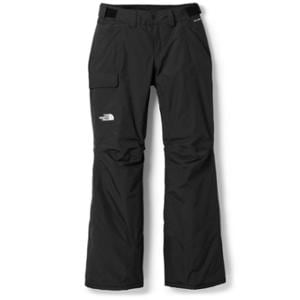
- Waterproofing: Seam-sealed DryVent 2L shell with non-PFC DWR
- Insulation: 60 g Heatseeker Eco recycled polyester
- Fabric: 160-denier durable recycled nylon
- Weight: 1 lb. 4 oz.
The North Face Freedom Insulated pants bring dependable all-conditions weather protection to epic resort powder days. Crafted from a robust, 160-denier recycled nylon DryVent shell, these pants are engineered to shed wet moisture while standing up to regular friction. Reinforced kickpatches boost longevity against sharp ski or snowboard edges.
For colder resort mornings, the 60-gram Heatseeker Eco synthetic insulation delivers targeted warmth using mostly postconsumer recycled materials. The combination of targeted warmth, standard powder cuffs, and an agile fit makes these a reliable go-to option for continuous lift-served laps in freezing weather.
Pros: Very durable high-denier face fabric, effective eco-friendly insulation, lightweight overall feel.
Cons: May feel too warm during spring sessions, minimal ventilation options.
View at REI View at Backcountry
3. Patagonia Insulated Powder Town
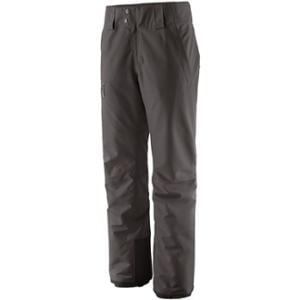
- Waterproofing: 2-layer H2No Performance Standard shell
- Insulation: 60 g Thermogreen 100% recycled polyester
- Safety: Built-in RECCO reflector
- Fabric: 150-denier postconsumer recycled polyester
Patagonia Insulated Powder Town pants deliver premium protection and great mobility for charging down snowy slopes. Utilizing an articulated, 2-layer H2No Performance Standard shell, they excel at blocking heavy winter precipitation while allowing a natural range of motion. The recycled polyester design emphasizes sustainability without compromising mountain performance.
Inside, 60 grams of Thermogreen synthetic insulation traps body heat efficiently to keep you warm on chilly chairlift rides. An integrated RECCO reflector provides added peace of mind, making these versatile pants an ideal, fully featured choice for dedicated winter athletes.
Pros: Articulated fit for mobility, integrated safety RECCO reflector, premium eco-conscious construction.
Cons: Slightly heavier than competing options, higher price point.
See the Patagonia Insulated Powder Town
4. Burton AK Summit
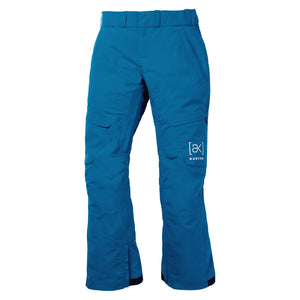
- Waterproofing: 2-Layer GORE-TEX membrane
- Insulation: Uninsulated shell construction
- Seams: Fully taped seams
- Fit: Regular fit with belt loops
The Burton AK Summit pants are premium technical shells designed for riders who prioritize top-tier weatherproofing and versatile layering. Built with a renowned 2-layer GORE-TEX membrane, these pants create an impenetrable barrier against wind and heavy sleet. Fully taped seams ensure moisture never creeps into critical areas.
Because they feature an uninsulated shell design, these pants provide excellent breathability and allow you to easily customize your internal warmth with base layers. The regular, non-restrictive fit offers plenty of room for active movement, making them perfect for high-intensity snowboarding.
Pros: Industry-leading GORE-TEX waterproofing, highly breathable shell design, great for custom layering.
Cons: Lacks built-in insulation for cold days, premium price tag.
5. The North Face Freedom Insulated Bib
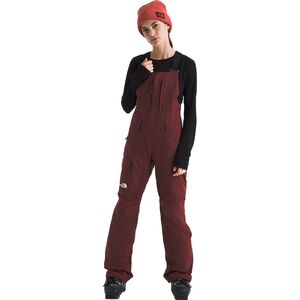
- Breathability: 10,000g/m² rating
- Pockets: 2 zippered bib, 2 zippered hand, 2 cargo pockets
- Venting: Inner-thigh Chimney Venting system
- Gaiters: StretchVent with gripper elastic
The North Face Freedom Insulated Bib provides comprehensive coverage and superior storage for long, active days in the snow. Featuring a fixed bib design, it keeps waist deep snow from entering your layers while maintaining a comfortable regular fit. Fully sealed seams prevent moisture from ruining your session.
This bib is highly functional, sporting six strategic pockets to organize small essentials on the move. When things heat up, the specialized inner-thigh Chimney Venting system allows quick airflow to regulate your core temperature, making it a highly versatile mountain choice.
Pros: Extensive pocket storage space, bib design prevents snow entry, efficient thermal venting.
Cons: Fixed bib lacks strap adjustment flexibility, slightly bulkier midsection.
See the The North Face Freedom Insulated Bib
6. Outdoor Research Snowcrew
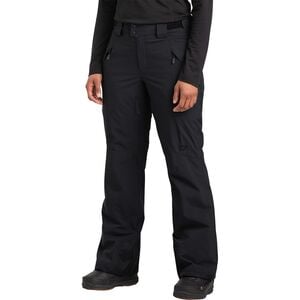
- Seams: Fully sealed seam construction
- Pockets: 2 zippered hand, 1 beacon pocket with clip
- Venting: Mesh-lined inner-thigh zippers
- Waist: Adjustable hook-and-loop tabs with belt loops
The Outdoor Research Snowcrew pants are engineered for dedicated skiers and snowboarders seeking functional utility on the slopes. Fully sealed seams provide a reliable defense against wet resort seats and driving snowstorms. The regular fit is complemented by adjustable hook-and-loop waist tabs for a tailored fit.
For safety-conscious riders, the inclusion of a dedicated beacon pocket with an internal clip makes backcountry or sidecountry transitions seamless. When hiking a ridge, the mesh-lined inner-thigh vents dump excess heat quickly without letting flying snow get inside your pants.
Pros: Dedicated avalanche beacon pocket, mesh-lined vents prevent snow entry, lifetime warranty.
Cons: Simple styling might feel basic, limited color variety.
See the Outdoor Research Snowcrew
7. Halfdays Alessandra
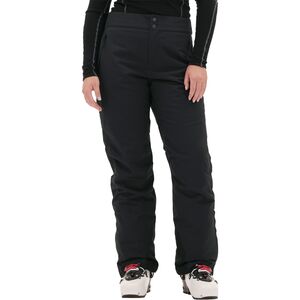
- Waterproof Rating: 20,000mm rating
- Fit: Semi-fitted tailored aesthetic
- Venting: Two zippered thigh vents
- Pockets: Two zippered hip pockets
The Halfdays Alessandra pants seamlessly blend high-fashion aesthetics with serious on-mountain performance. Boasting an impressive 20,000mm waterproof rating, these fully sealed pants deliver exceptional wet-weather protection during intense blizzards. The semi-fitted cut creates a sleek silhouette without sacrificing the flexibility needed for snowboarding.
An adjustable waist helps customize the fit to your exact body shape for maximum comfort. For warmer spring conditions, the dual zippered thigh vents can be opened to provide rapid cooling, ensuring you stay comfortable from opening chair to apres-ski.
Pros: Outstanding 20,000mm waterproof rating, stylish semi-fitted silhouette, highly effective thigh venting.
Cons: Limited pocket storage space, 1-year warranty is relatively short.
8. The North Face Freedom Bib
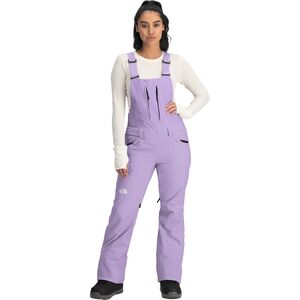
- Weight: 2 lbs. 1.2 oz.
- Pockets: 1 zippered bib, 2 zippered hand, 2 cargo pockets
- Zips: Convenient side zips for easy entry
- Bib: Adjustable suspenders for a custom fit
The North Face Freedom Bib offers ultimate deep-snow protection and classic styling for winter adventurers. Built with adjustable suspenders, this bib allows you to fine-tune the torso height for a custom, personalized fit. Side zippers make getting into and out of the bib quick and hassle-free.
With five total pockets, including a secure zippered bib compartment and cargo storage, you can easily carry snacks, tools, and electronics. It provides a heavy-duty barrier against winter elements, keeping you dry during everything from deep powder skiing to backyard snowshoeing.
Pros: Highly adjustable suspender straps, easy-entry side zippers, robust deep-snow coverage.
Cons: Noticeably heavier at over two pounds, can feel bulky under jackets.
See the The North Face Freedom Bib
How to Choose Snowboard Pants for Women
Picking the right snowboard pants is just as important as picking the right board. The best pair will keep you dry, warm, and comfortable all day long—so you can focus on carving turns instead of shivering on the lift. But with so many styles, materials, and features out there, shopping for snowboard pants can feel overwhelming. This guide breaks down everything you need to know in simple, everyday language. By the end, you’ll know exactly what to look for and which questions to ask before you buy.
Start With Your Riding Style
Before you look at any fabric or fit, think about how and where you ride. Your snowboarding style is the biggest factor in choosing the right pants. Here are the three main types:
- Resort / All-Mountain: You ride mostly at ski resorts, on groomed trails, and maybe a little bit of powder. You want versatile pants that work in all kinds of weather.
- Backcountry / Off-Piste: You hike or ski into untouched snow far from the lifts. You need lightweight, breathable, and highly waterproof pants that can handle deep powder.
- Park / Freestyle: You spend your time in terrain parks, hitting rails, boxes, and jumps. You need pants that are stretchy, tough, and have a relaxed fit for full mobility.
Once you know your style, everything else gets easier. A park rider doesn’t need the same insulation as a backcountry rider, and a resort rider doesn’t need the same ultra-light materials as someone hiking uphill.
Waterproofing and Breathability
These two go hand in hand. Waterproofing keeps snow and moisture out, while breathability lets sweat escape. If your pants aren’t breathable, you’ll get wet from the inside out—even on a dry day.
Understanding Waterproof Ratings
Most brands use a rating system measured in millimeters (mm). Here’s a simple breakdown:
| Rating (mm) | What It Means | Best For |
|---|---|---|
| 5,000 – 8,000 | Light rain and light snow | Mild weather, occasional riding |
| 10,000 – 15,000 | Moderate snow and wet conditions | Most resort riders (sweet spot) |
| 20,000+ | Heavy, persistent snow and rain | Backcountry, wet climates, hardcore riders |
Understanding Breathability Ratings
Breathability is measured in grams (g) — how many grams of water vapor can pass through a square meter of fabric in 24 hours. Higher is better.
| Rating (g) | What It Means |
|---|---|
| 5,000 – 8,000 | Minimal breathability — okay for cold, dry days |
| 10,000 – 15,000 | Good breathability — fine for most riders |
| 20,000+ | Excellent breathability — great for high-intensity riding |
For most women, a waterproof rating of 10,000–15,000mm and a breathability of 10,000–15,000g is a safe, balanced choice.
Insulation: To Insulate or Not?
Snowboard pants come in two main types: insulated and shell. Each has its pros and cons.
Insulated Pants
These have built-in padding (usually synthetic fill) to trap heat. They’re warm right out of the gate and perfect for cold-weather riders who don’t want to layer up. However, they can be too warm on spring days or during intense physical activity. They’re also bulkier to pack.
Shell Pants
Shell pants have no insulation—just the outer fabric and a waterproof membrane. They’re lightweight and super breathable. You wear base layers and mid-layers underneath to control your warmth. Shells are more versatile because you can adjust your layers based on the weather. They’re the go-to choice for backcountry riders and park enthusiasts.
Our advice: If you ride in very cold conditions (below 0°F / -18°C) and hate layering, go insulated. For everyone else, a shell pant with quality base layers gives you more flexibility.
Fit and Sizing for Women
Women’s snowboard pants are designed with a different shape in mind—wider hips, a narrower waist, and more room in the thighs. But fit still varies a lot between brands. Here are the main fit types:
- Regular Fit: Straight through the hips and legs. Classic, comfortable, and works for most body types.
- Slim Fit: Tighter through the thigh and calf. Looks sleek but limits layering underneath.
- Relaxed Fit: Loose and baggy. Great for park riders who want maximum mobility and a laid-back look.
- Curvy Fit: Extra room in the hips and thighs with a more defined waist. Made for women with an hourglass or pear shape.
Always check the brand’s size chart. Waist and hip measurements matter more than your usual dress size. If you’re between sizes, size up—you can always cinch the waist with adjustable tabs, but you can’t add room to tight thighs.
Key Features to Look For
Beyond waterproofing and fit, small details can make or break your day on the mountain. Here’s what to keep an eye out for:
Vents
Look for zippered mesh-lined vents on the inner thighs. These let you dump heat when you’re working hard or the sun comes out. Vents are a game-changer for temperature control. Some pants have full-length side zips too, which make them easier to pull on over boots.
Waist Adjustment
Most women’s pants come with adjustable Velcro tabs or stretch panels at the waist. This lets you fine-tune the fit without a belt. It’s especially helpful if you wear different thicknesses of base layers underneath.
Reinforced Cuffs
The bottom of the pant legs take a beating from edges and boots. Look for reinforced fabric or extra stitching at the cuffs. Many pants also have inner gaiters—elastic bands with hooks that clip onto your boot laces to keep snow out.
Pockets
Think about what you carry. At minimum, look for two hand-warmer pockets and at least one thigh pocket for your phone or lift pass. Some pants have a dedicated pass pocket on the arm or thigh for easy scanning at the lift.
Suspenders (Bibs vs. Pants)
Bib pants have suspenders and cover your chest and stomach. They’re warmer, keep snow out better, and don’t slide down. Regular pants sit at your waist. Bibs are popular with backcountry riders and anyone who hates dealing with a gap between their jacket and pants. But they can be a hassle when you need to use the restroom.
Fabric and Materials
The outer fabric affects durability, weight, and stretch. Here are the most common materials:
- Nylon: Tough, abrasion-resistant, and dries fast. Great for all conditions.
- Polyester: Lightweight and breathable, but slightly less durable than nylon.
- Spandex / Elastane: Added for stretch. Look for 2–5% spandex if you want freedom of movement.
- Recycled Materials: Many brands now use eco-friendly fabrics made from recycled plastic bottles. They perform just as well as virgin materials.
Also check if the pants have a DWR (Durable Water Repellent) coating. This helps water bead up and roll off the surface. Over time, DWR wears off—but you can refresh it with a spray-on treatment.
Seams and Zippers
Seams are weak points where water can sneak in. Here’s what to look for:
- Fully Taped Seams: Every seam is sealed with waterproof tape. This is the gold standard.
- Critically Taped Seams: Only the most exposed seams are taped (shoulders, chest, hips). It’s cheaper but less reliable.
- Waterproof Zippers: Zippers without flaps should be AquaGuard or similar to block moisture.
For serious wet conditions, choose fully taped seams and waterproof zippers. For dry, cold climates, critically taped is usually fine.
Price vs. Value
Snowboard pants range from $100 to over $500. Here’s what you get at each tier:
| Price Range | What to Expect |
|---|---|
| $100 – $180 | Entry-level. Waterproofing around 5,000–8,000mm. Limited features. Good for beginners or occasional riders. |
| $180 – $300 | Mid-range. 10,000–15,000mm waterproofing. Good vents, adjustable waist, durable fabrics. The best value for most women. |
| $300+ | Premium. 20,000mm+ waterproofing. Top-tier breathability. Lightweight, stretchy, and built to last for years. |
If you ride more than 10 days a season, invest in the mid-range or premium tier. Cheaper pants will wear out faster and leave you cold and wet.
Try Before You Buy (or Order Smart)
If possible, try pants on with your snowboard boots and base layer. Sit down, squat, and bend your knees to mimic a riding stance. The pants should feel comfortable—not too tight across the hips or thighs, and not so loose that they bunch up awkwardly.
If you’re buying online, check the return policy. Many outdoor retailers offer free returns, so you can order two sizes and send back the one that doesn’t fit.
Care and Maintenance
Good pants can last for years if you take care of them. Follow these simple tips:
- Wash them only when really dirty—too much washing wears down the DWR coating.
- Use a gentle, tech-specific detergent (never fabric softener).
- Tumble dry on low heat or hang dry. Low heat can actually reactivate the DWR.
- Re-apply DWR spray once a season if water stops beading up.
Final Thoughts
Choosing snowboard pants for women doesn’t have to be complicated. Start with your riding style, then pick a waterproof/breathability combo that matches your local weather. Decide between insulated or shell, and choose a fit that gives you room to move. Pay attention to vents, waist adjustments, and reinforced cuffs—these small features add huge comfort. And remember, the most expensive pair isn’t always the best for you. The right pants are the ones that fit your body, your budget, and your mountain days. Stay dry, stay warm, and enjoy the ride.