Best Snowboard Jackets for Women of 2026
When the snow starts falling and the temperatures drop, having the right jacket makes all the difference. A good snowboard jacket keeps you warm, dry, and comfortable so you can focus on having fun on the mountain. With so many options out there, finding the perfect one can feel tricky. This guide breaks down the best women’s snowboard jackets to help you choose, whether you’re a beginner or a seasoned rider.
1. REI Co-op Powderbound Insulated

- Waterproofing: Peak 2-layer waterproof/breathable laminate
- Insulation: 80g body / 60g sleeves polyester synthetic
- Fabric: Bluesign approved nylon shell and lining
- Back Length: 29 inches (thigh-length)
The women’s REI Co-op Powderbound Insulated jacket is built to help you thrive in harsh winter conditions. Featuring a robust 2-layer waterproof and breathable laminate shell, it effectively seals out wet snow and biting winds while allowing internal moisture to escape during intense runs down the mountain.
Designed with targeted synthetic insulation, this jacket places extra warmth where you need it most without restricting your movement. Pit zips offer quick ventilation to regulate your temperature, while the thigh-length cut and integrated powder skirt provide excellent coverage against deep snow buildup.
Pros: Excellent targeted warmth, bluesign approved sustainable materials, long thigh-length coverage.
Cons: Slighly heavier profile, hood is fixed rather than removable.
See the REI Co-op Powderbound Insulated
2. Roxy Billie

- Waterproof Rating: 10K ROXY DryFlight technology
- Insulation: WarmFlight Eco (120g body, 100g sleeves, 60g hood)
- Seams: Critically taped with PFAS-free DWR finish
- Ventilation: Mesh-lined underarm vents
The Roxy Billie snow jacket combines functional mountain performance with a flattering tailored silhouette. Equipped with 10K DryFlight waterproofing and 5K breathability, this jacket is highly capable of shielding you from typical resort snow conditions while keeping you dry from the inside out.
Warmth is highly optimized thanks to the lightweight WarmFlight Eco insulation distributed strategically across the body, sleeves, and hood. Snowboard-friendly features like a jacket-to-pant attachment system, stretch wrist gaiters, and an array of secure utility pockets keep your essentials organized all day long.
Pros: Very high insulation fill weight, generous pocket layout, eco-friendly PFAS-free coating.
Cons: Lower breathability rating at 5K, seams are only critically taped rather than fully sealed.
3. The North Face Freedom Insulated

- Waterproof Rating: 25,000mm with fully sealed seams
- Length: Hip length (29.5 inches center back)
- Hood: Fixed, helmet compatible, and adjustable
- Weight: 1 lb 12.5 oz claimed weight
The North Face Freedom Insulated jacket stands out for its exceptional weather protection. Boasting an impressive 25,000mm waterproof rating paired with fully sealed seams, this jacket ensures that external moisture has absolutely no way of seeping in, even during heavy downpours or deep powder days.
Cut in a comfortable regular fit that allows plenty of room for winter layering, it delivers reliable warmth without feeling overly bulky on active descents. Practical features like underarm ventilation zippers, a removable powder skirt, integrated thumbholes, and dedicated gear pockets make this a top-tier resort choice.
Pros: Outstanding waterproof rating, fully sealed seams, versatile removable powder skirt.
Cons: Fixed hood cannot be detached, fabric feels a bit heavy.
View at Backcountry View at evo
4. REI Co-op First Chair GTX

- Waterproofing: 2-layer GORE-TEX ePE laminate
- Fabric: Recycled polyester (bluesign approved) shell/lining
- Zipper Type: Convenient 2-way front zipper
- Back Length: 31 inches (thigh-length)
The REI Co-op First Chair GTX jacket is tailored for dedicated riders who spend their days chasing fresh tracks from first to last chair. Its standout feature is the legendary 2-layer GORE-TEX membrane, utilizing an eco-conscious ePE laminate that guarantees complete windproof and waterproof integrity.
This premium shell features an uninsulated design with a roomy cut specifically intended for custom layering configurations. Pit zips offer fast cooling when hiking lines, while the extended 31-inch thigh-length back coverage combined with a built-in powder skirt acts as an impenetrable barrier against blowing snow.
Pros: High-tier GORE-TEX waterproof protection, sustainable recycled materials, long coverage.
Cons: Lacks built-in insulation, higher dependence on quality mid-layers.
See the REI Co-op First Chair GTX
5. 686 Spirit Insulated
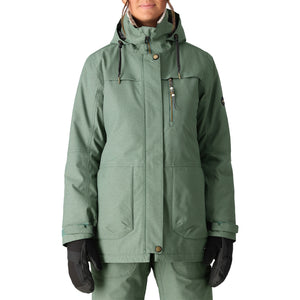
- Waterproof / Breathability: 10,000mm / 10,000g infiDRY®
- Insulation: 40g infiLOFT® fill weight
- Seams: Fully taped construction type
- Fit / Length: Regular fit, hip-length cut
The 686 Spirit Insulated jacket offers a fantastic balance of lightweight freedom and technical performance. Utilizing proprietary infiDRY fabric with a 10K waterproof and breathability rating, it successfully manages moisture transfer to keep you dry through changing alpine environments and high-output efforts.
With a light 40g infiLOFT insulation fill, this jacket gives you just enough warmth to take the edge off freezing temperatures without adding bulk. Fully taped seams complement the waterproof chassis, while a standard powder skirt and fixed hood ensure you remain fully protected when spraying deep snow turns.
Pros: Fully taped seams maximize protection, lightweight and highly mobile feel, solid breathability.
Cons: Mild insulation level may require extra layers on freezing days.
6. 686 Athena Insulated
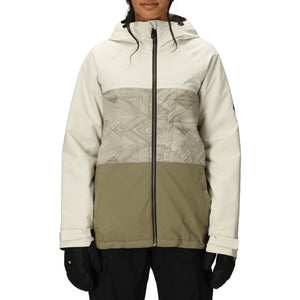
- Waterproof / Breathability: 10,000mm / 10,000g infiDRY®
- Insulation: 80g infiLOFT® fill weight
- Seams: Critically taped seam sealing
- Hood: Fixed, helmet compatible design
The 686 Athena Insulated jacket upgrades your cold-weather defense with a heavier insulation profile. Built with the reliable 2-layer infiDRY fabric, this regular-fit jacket provides a protective shield against wind and snow while remaining breathable enough to prevent overheating during active resort riding sessions.
Packed with 80g of infiLOFT insulation, it lands firmly in the warmer category to keep your core temperature stable on chilly lift rides. The inclusion of a helmet-compatible fixed hood and a functional powder skirt provides all the coverage needed to tackle variable mountain conditions in style.
Pros: Cozy 80g insulation fill, great helmet-compatible hood, reliable breathability rating.
Cons: Critically taped instead of fully taped, slightly heavier feel than the Spirit model.
7. Halfdays Aston
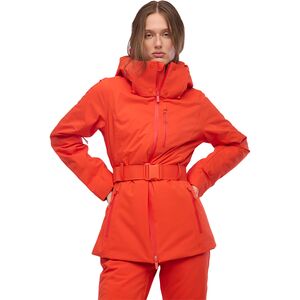
- Seams: Not sealed construction
- Length: Hip length (28 inches center back)
- Weight: 2 lbs 5 oz (1040g) claimed weight
- Pockets: Chest, two hand, forearm pass, interior chest
The Halfdays Aston jacket brings a contemporary, fashion-forward design language to the slopes without ignoring core riding necessities. Cut with a comfortable regular fit and an approachable 28-inch hip length, it features a highly capable assortment of zippered storage options to manage your small gear items.
Equipped with underarm vents to shed interior heat, this jacket remains comfortable across various levels of riding intensity. A helmet-compatible hood offers extra versatility, though the unsealed seam construction makes this jacket best suited for drier, clear winter conditions rather than heavy or wet storm days.
Pros: Sleek modern aesthetic, excellent variety of secure pockets, helpful underarm venting.
Cons: Unsealed seams reduce wet-weather performance, heaviest jacket option on this list.
8. Helly Hansen Alphelia
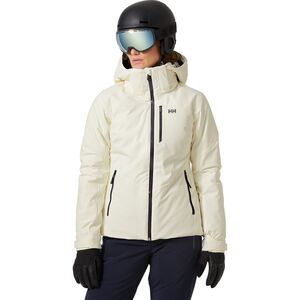
- Safety System: RECCO advanced rescue reflector integrated
- Hood Type: Drawcord adjustable and detachable
- Ventilation: Premium mesh-backed venting system
- Weight: 2 lbs 3.3 oz (1000g) claimed weight
The Helly Hansen Alphelia jacket delivers premium resort performance packed with technical features. Cut in a classic regular hip-length fit, this jacket stands out by including an integrated RECCO rescue reflector, adding a critical layer of safety and peace of mind when exploring challenging terrain.
Storage is optimized with a massive pocket layout including a dedicated sleeve pass slot and internal goggle pockets. Mesh-backed vents handle heat regulation flawlessly, while the fully detachable, drawcord-adjustable hood allows riders to quickly customize their look and aerodynamic profile depending on the day’s forecast.
Pros: Integrated RECCO safety reflector, detachable hood versatility, premium mesh venting.
Cons: Relatively heavy total weight, premium features come with complex construction.
How to Choose Snowboard Jackets for Women
Choosing the right snowboard jacket is one of the most important decisions you will make as a female rider. It is not just about looking good on the slopes, though that is a nice bonus. The right jacket keeps you warm, dry, and comfortable, which directly affects how well you ride and how much fun you have. A bad jacket can leave you shivering, wet, and miserable, cutting your day short. This guide will walk you through everything you need to know, from waterproofing to fit, so you can make a smart choice and enjoy every moment on the mountain.
Understanding Your Riding Style and Needs
Before you start looking at jackets, take a moment to think about how and where you snowboard. Your riding style plays a big role in what kind of jacket will work best for you. A rider who spends most of her time in the backcountry has different needs than someone who sticks to groomed resort runs.
Resort Riders
If you mostly ride at ski resorts, you will spend a lot of time on lifts and in lodges. Your jacket needs to handle changing weather and keep you comfortable during both active runs and rest breaks. Resort riders often prefer jackets with more insulation and a relaxed fit for easy layering.
Backcountry and Off-Piste Riders
For those who venture into the backcountry, weight and breathability become very important. You will be hiking and climbing, so you need a jacket that breathes well to let sweat escape. These riders often choose shell jackets (without insulation) and layer up underneath as needed.
Park and Freestyle Riders
Park riders need freedom of movement for tricks and jumps. A jacket with a slightly looser fit and stretchy fabric is ideal. Durability is also key, as park riders fall more often and need a jacket that can handle wear and tear.
Key Features to Look For
Now that you have thought about your riding style, let us look at the specific features that make a good snowboard jacket. These are the technical details that separate a great jacket from a mediocre one.
Waterproofing and Breathability
These two features go hand in hand. Waterproofing keeps snow and rain out, while breathability lets sweat vapor escape from the inside. If a jacket is highly waterproof but not breathable, you will get wet from the inside out from your own sweat. Look for a balance.
Waterproofing is measured in millimeters (mm). Here is a simple breakdown:
| Waterproof Rating | What It Means | Best For |
|---|---|---|
| 5,000 – 10,000 mm | Good for light snow and dry conditions | Beginner riders, mild weather |
| 10,000 – 15,000 mm | Great for all-mountain riding in varying conditions | Most resort riders, all-around use |
| 15,000 – 20,000+ mm | Excellent for heavy snow and wet conditions | Backcountry riders, wet climates |
Breathability is measured in grams (g/m²/24hrs). Look for at least 5,000g to 10,000g for resort riding. For intense activity, aim for 15,000g or higher.
Insulation Types
Insulation is what keeps you warm. There are two main types:
- Down Insulation: Made from duck or goose feathers. It is very warm, lightweight, and compressible. However, it loses its insulating power when wet. Down is best for cold, dry climates.
- Synthetic Insulation: Made from polyester fibers. It is less expensive, dries quickly, and keeps you warm even when damp. It is also easier to care for. Synthetic is great for wetter, warmer climates and for riders who sweat a lot.
Many jackets now use a hybrid approach, with synthetic insulation in areas prone to moisture (like the shoulders and hood) and down in other areas.
Shell vs. Insulated Jackets
- Shell Jackets: These have no insulation. They are just the outer waterproof and breathable layer. They are lightweight and versatile because you can add or remove layers underneath. Ideal for backcountry and spring riding.
- Insulated Jackets: These have built-in insulation. They are warmer right out of the gate and simpler to use. Ideal for resort riders who want convenience and warmth without layering too much.
Seams and Zippers
Check the seams of the jacket. Fully taped seams mean all stitched areas are sealed to prevent water from sneaking in. Critically taped seams only cover the most exposed areas. For wet conditions, always choose fully taped seams.
Also look for waterproof zippers. These help keep moisture out through the main zipper, pocket zippers, and pit zips. Pit zips (zippers under the arms) are a fantastic feature for letting out extra heat when you get too warm.
Fit and Sizing for Women
The fit of your jacket is just as important as the materials. A poorly fitting jacket can restrict your movement or let cold air in. Women’s snowboard jackets are designed with a woman’s shape in mind, offering a more tailored fit through the shoulders and hips.
Types of Fit
- Regular Fit: A classic, comfortable fit that leaves room for light layering. Good for all-around riding.
- Slim Fit: More form-fitting and stylish. Great for riders who prefer a sleek look, but leaves less room for thick layers underneath.
- Relaxed/Baggy Fit: Loose and roomy. Popular in park and freestyle riding for maximum freedom of movement.
Length and Coverage
Snowboard jackets come in different lengths. Some are cropped, but most riders prefer a longer cut that covers the hips and lower back. This helps keep snow out when you fall and provides extra warmth. Some jackets even come with a powder skirt, which is an inner elastic band that clips around your waist to keep snow from getting up your back.
Try It On with Layers
When trying on a jacket, always wear the base and mid-layers you plan to use on the mountain. Raise your arms over your head and bend forward. The jacket should not pull up too much or feel tight across the shoulders. Make sure you can easily zip it up without feeling squeezed.
Additional Features to Consider
Beyond the basics, there are several extra features that can make a big difference in your comfort and convenience.
Hood
A good hood is essential. It should be helmet-compatible, meaning it is large enough to fit over your ski or snowboard helmet. Look for a hood with drawstrings so you can adjust it for a snug fit. Some hoods are removable, which is nice for mild days.
Pockets
Think about what you need to carry. At a minimum, look for:
- One or two hand-warmer pockets (lined for comfort)
- A chest pocket for your phone or pass (often with a headphone port)
- A goggle pocket (usually lined with soft fleece to prevent scratches)
- A lift pass pocket on the sleeve for easy scanning
Venting
Venting is crucial for temperature control. Pit zips are the most common and effective. Some jackets also have mesh-lined chest vents. Being able to open these up on a warm day or after a strenuous run will keep you from overheating.
Cuffs and Hem
Look for cuffs with adjustable Velcro straps. These help seal out snow and keep your gloves dry. Many jackets also have an internal stretchy cuff with a thumbhole to keep your sleeves in place. An adjustable hem (drawcord at the bottom) also helps lock in warmth and keep snow out.
Durability and Materials
Check the fabric denier (D) – a measure of fabric thickness. Higher denier means more durable fabric. For example, a 150D fabric will be more tough and abrasion-resistant than a 70D fabric. If you ride in trees or park, look for higher denier fabrics and reinforced areas on the shoulders and elbows.
Weather and Climate Considerations
Where you ride most often should influence your choice. If you ride in the Pacific Northwest where it rains a lot, prioritize high waterproofing (15,000mm+) and synthetic insulation. If you ride in Colorado where it is cold and dry, down insulation and moderate waterproofing might be a better fit. For spring riding, a breathable shell with good venting is your best friend.
Budget and Value
Snowboard jackets can range from under $100 to over $600. Here is what to expect at different price points:
| Price Range | What You Get |
|---|---|
| Under $150 | Basic waterproofing (5,000-8,000mm), synthetic insulation, fewer features. Good for beginners or occasional riders. |
| $150 – $300 | Better waterproofing (10,000-15,000mm), quality insulation, more features like pit zips and powder skirts. Great mid-range value. |
| Above $300 | High-end materials (Gore-Tex, premium down), excellent breathability, durable fabrics, and all the extras. For serious riders. |
Remember, a more expensive jacket is not always necessary. Choose the jacket that fits your budget and meets your specific needs. Sometimes last season’s models offer great deals on high-quality gear.
Final Tips Before You Buy
- Read Reviews: See what other women say about the fit and performance. Pay attention to comments about arm length and torso fit.
- Check the Return Policy: Make sure you can return or exchange the jacket if it does not fit right.
- Think About Color: Bright colors make you more visible on the mountain, which is safer. But choose what makes you happy.
- Try Before You Buy: If possible, visit a local shop to try on different brands and sizes. Sizes vary widely between brands.
Choosing the right snowboard jacket for women does not have to be overwhelming. By understanding your riding style, knowing the key features, and paying attention to fit, you can find a jacket that will keep you warm, dry, and looking great for many seasons to come. Take your time, do your research, and get ready to enjoy the slopes in comfort.