Best Ski Touring Poles of 2026
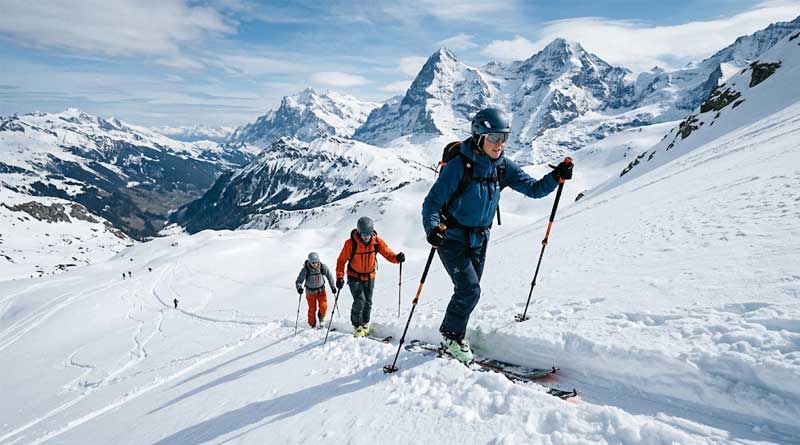
Ski touring rewards preparation, and your poles are just as important as your skis or skins when it comes to climbing efficiently and skiing safely. The right touring poles offer adjustable length for skinning and descending, lightweight materials to save energy on long approaches, and wide baskets that stay afloat in deep snow. Whether you prioritize packability, durability, or pure weight savings, the poles below cover a wide range of touring needs. Below we review eight top ski touring poles and follow up with a detailed guide to help you choose the right pair for your backcountry adventures.
1. Faction Ski Poles
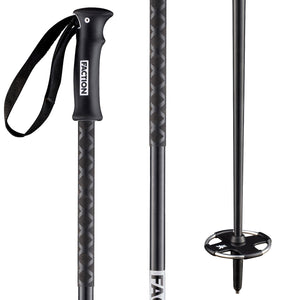
Material: Aluminum construction for durability
Basket Type: Powder and standard baskets included
Grip: Ergonomic foam grip for all-mountain comfort
Strap: Adjustable wrist strap for secure hold
The Faction Ski Poles are a solid all-around option for skiers who split their time between the resort and the backcountry. Built from aluminum, they can take a beating on rocky skin tracks and rough descents without bending or snapping, making them a dependable choice for skiers who are still building their touring kit.
Coming with both powder and standard baskets, these poles adapt easily to changing snow conditions throughout the season. They are not the lightest option on this list, but their toughness and versatility make them a great value pick for anyone who wants one pair of poles for multiple types of skiing.
Pros: Durable aluminum build, versatile basket options, budget friendly.
Cons: Heavier than dedicated touring poles, not adjustable.
2. Black Diamond Expedition
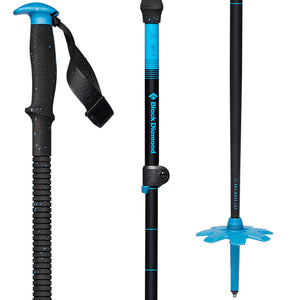
Material: Lightweight aluminum shaft
Adjustable: Yes, multiple length settings
Basket Type: Powder baskets for deep snow flotation
Weight: Approximately 528 to 532 grams per pair
Black Diamond has long been a trusted name in backcountry gear, and the Expedition Ski Poles live up to that reputation. Their adjustable length lets you shorten poles for steep skin tracks and lengthen them for descents, giving you one tool that adapts to changing terrain throughout a tour.
The aluminum construction keeps weight reasonable while still standing up to abuse on long expeditions and multi-day trips. Powder baskets ensure the poles stay useful even in fresh, deep snow. These are a great match for skiers who value adaptability over ultralight weight, and who want a pole that will hold up season after season in demanding alpine conditions.
Pros: Fully adjustable, reliable aluminum build, great flotation.
Cons: Slightly heavier than carbon options.
3. evo Refract
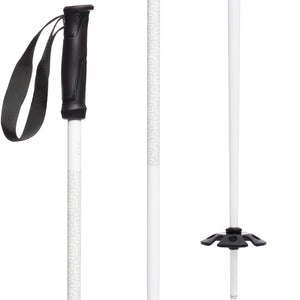
Construction: Lightweight shaft designed for touring
Basket Type: Powder basket for backcountry snow
Grip: Comfortable foam grip with extended lower section
Strap: Padded adjustable wrist strap
The evo Refract Ski Poles offer a no-nonsense design built for skiers who want reliable performance without paying a premium price. The extended foam grip below the handle allows for quick hand adjustments on traverses and sidehills, a small but useful feature for touring days with variable terrain.
These poles strike a balance between weight and durability, making them a solid choice for skiers heading out on day tours or shorter backcountry missions. While they lack some of the premium features found on higher-end poles, they deliver dependable performance at an accessible price point, making them a smart pick for skiers building out their touring setup for the first time.
Pros: Affordable, comfortable extended grip, dependable build.
Cons: Fewer premium features, limited adjustability.
4. Black Diamond Traverse
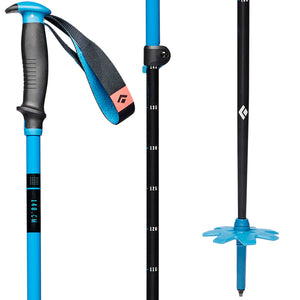
Material: Durable aluminum shaft
Adjustable: Yes, adapts to skinning and skiing
Basket Type: Powder basket for backcountry use
Grip: Foam grip for extended comfort
The Black Diamond Traverse Ski Poles are designed specifically with adjustability in mind, letting skiers fine-tune length for uphill travel and downhill runs alike. This flexibility is especially useful on tours with mixed terrain, where a single fixed length pole would be less efficient.
Built with a tough aluminum shaft, the Traverse poles can withstand the wear and tear of frequent backcountry use without adding excessive weight to your kit. The foam grip provides reliable comfort over long days, and the powder basket keeps the poles functional in fresh snow. Overall, these poles are a strong middle-ground choice for touring skiers who want adjustability without stepping up to a premium price tag.
Pros: Adjustable length, tough construction, comfortable grip.
Cons: Not the lightest choice for ultralight setups.
5. Black Crows Duos Freebird
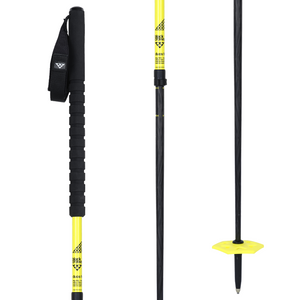
Material: Aluminum and composite blend
Adjustable: Yes, ranges from 110 to 140 centimeters
Weight: Approximately 245 grams, very lightweight
Basket Type: Powder basket for deep snow
The Black Crows Duos Freebird Ski Poles stand out immediately for their impressively low weight, making them one of the lightest options in this lineup. Combining aluminum with composite materials, they cut down on swing weight without sacrificing too much durability, which is ideal for long uphill efforts.
Their wide adjustable range makes them versatile for skiers who tour in varied terrain, from steep skin tracks to open bootpacks. While the lighter build means they may not handle abuse as well as a full aluminum pole, most touring skiers will appreciate the reduced fatigue on long days. These are an excellent choice for weight-conscious skiers chasing vertical.
Pros: Very lightweight, wide adjustable range, efficient for climbing.
Cons: Less rugged than full aluminum poles.
6. LEKI Detect S
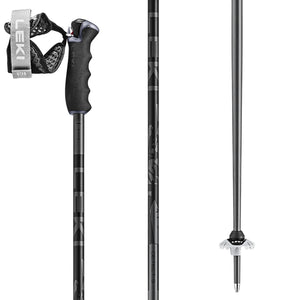
Construction: Lightweight touring-oriented shaft
Basket Type: Powder basket for backcountry conditions
Grip: Ergonomic grip with secure strap system
Design: Streamlined shape for reduced swing weight
LEKI is a well-known name in the pole industry, and the Detect S Ski Poles reflect the brand’s focus on precision engineering. The streamlined shaft design reduces swing weight, which noticeably decreases arm fatigue during long uphill sections, an important factor for skiers tackling multi-hour tours.
The ergonomic grip and secure strap system add to the overall comfort, keeping hands stable even during technical descents. While these poles are more performance oriented than budget friendly, the quality of construction and attention to detail make them a worthwhile investment for skiers who tour regularly and want gear that performs consistently in the mountains.
Pros: Precision build, comfortable ergonomic grip, reduced fatigue.
Cons: Higher price point than entry-level poles.
7. Atomic Backland FR
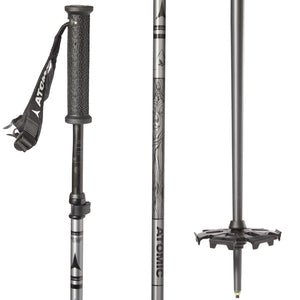
Construction: Backcountry-focused lightweight shaft
Basket Type: Powder basket for deep snow support
Grip: Foam grip designed for glove compatibility
Strap: Adjustable strap for secure attachment
The Atomic Backland FR Ski Poles are built as part of Atomic’s dedicated backcountry line, and it shows in the details. The lightweight shaft is tuned for efficient skinning, helping reduce fatigue on long approaches while still offering enough strength for everyday backcountry use.
The foam grip is shaped for compatibility with thick gloves and mittens, a thoughtful touch for cold weather touring. Combined with the powder basket, these poles are well suited to deep snow days and variable alpine conditions. Skiers who already use other Atomic Backland gear will find these poles a natural, well-matched addition to their touring setup.
Pros: Lightweight, glove-friendly grip, reliable in powder.
Cons: Fixed length limits terrain versatility.
8. Black Diamond Traverse Pro
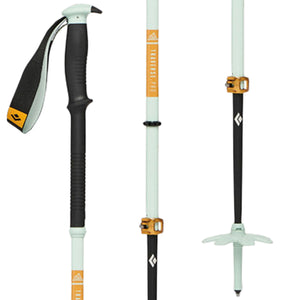
Material: Premium aluminum shaft construction
Adjustable: Yes, with quick-lock mechanism
Basket Type: Powder basket for backcountry snow
Grip: Extended foam grip for varied hand positions
The Black Diamond Traverse Pro Ski Poles build on the standard Traverse model with upgraded features aimed at serious backcountry skiers. The quick-lock adjustment mechanism allows for fast, reliable length changes on the fly, which is especially useful when transitioning between skin tracks and descents.
The extended foam grip gives skiers multiple hand placement options, useful for traversing or choking up on steep terrain. Combined with a durable aluminum shaft and dependable powder basket, these poles are built to handle demanding tours day after day. For skiers who want a dependable, adjustable pole with a few extra refinements, the Traverse Pro is a strong upgrade pick.
Pros: Fast quick-lock adjustment, extended grip options, durable build.
Cons: Premium price compared to standard models.
How to Choose the Right Ski Touring Poles
Choosing the right ski touring poles is about more than picking a pair that looks good in the shop. Touring poles have to work efficiently on the uphill, support you securely on transitions, and remain comfortable and reliable on the descent. Unlike resort poles, touring poles are asked to do double duty, acting as a climbing aid on the way up and a balance tool on the way down. Understanding the key factors that separate a great touring pole from an average one will help you make a decision that actually improves your days in the backcountry.
Adjustability
One of the most important features to consider is whether the poles are adjustable in length. Fixed-length poles are simpler and often lighter, but adjustable poles offer a major advantage on tours with varied terrain. Being able to shorten your poles for steep skin tracks and lengthen them again for the descent reduces strain on your shoulders and improves efficiency.
Benefits of Adjustable Poles
Adjustable poles allow you to fine-tune length based on snow conditions, slope angle, and personal preference. They are particularly useful for skiers who tour in variable terrain, since a single length rarely works well for both steep climbs and open descents.
Benefits of Fixed Poles
Fixed poles tend to be lighter and more durable since they have fewer moving parts that can fail or freeze up in cold conditions. Skiers who mostly tour in consistent terrain, or who prioritize simplicity and reliability, often prefer fixed-length poles.
Material and Weight
Ski touring poles are typically made from aluminum, carbon composite, or a blend of both. Each material offers a different balance of weight, durability, and cost.
| Material | Weight | Durability | Best For |
|---|---|---|---|
| Aluminum | Moderate to heavy | Very durable, resists breaking | Frequent use, rough terrain |
| Carbon Composite | Very light | Strong but can crack under impact | Long tours, weight-conscious skiers |
| Aluminum-Composite Blend | Light to moderate | Good balance of strength and weight | All-around touring use |
Aluminum poles are generally the most forgiving option, able to bend slightly under stress rather than snapping outright, which makes them a safer choice for rocky or rough alpine terrain. Carbon poles shave significant weight, which matters over long tours with thousands of feet of climbing, but they can be more prone to cracking on impact. Blended poles attempt to offer the best of both worlds, and are a great choice for skiers who want reduced weight without fully sacrificing durability.
Basket Type
The basket at the bottom of the pole plays a bigger role in touring performance than many skiers realize. Powder baskets are wider and prevent the pole from sinking too deeply into soft or fresh snow, which is especially important during and after storm cycles. Standard baskets are smaller and better suited to firmer, groomed, or spring conditions.
When to Use Powder Baskets
Powder baskets are essential for backcountry skiing in regions with frequent fresh snowfall. Without them, poles can sink deep into soft snow, throwing off your balance and slowing down your rhythm on both the ascent and descent.
When to Use Standard Baskets
Standard baskets work well in firmer spring snow or when resort skiing is part of your routine. Some touring poles come with interchangeable baskets, allowing you to switch depending on conditions.
Grip and Strap Comfort
Comfort might seem secondary to performance, but on long tours, an uncomfortable grip or strap can become a real problem. Look for poles with ergonomic foam grips that remain comfortable even when wearing thick gloves or mittens. Extended grips below the handle are especially useful, allowing you to choke up on the pole during traverses or sidehill sections without needing to stop and readjust length.
Straps should be adjustable and easy to operate with gloves on. A well-designed strap distributes pressure across your hand, reducing fatigue, while a poorly designed one can dig in and cause discomfort over a full day of touring.
Weight Considerations
Every gram matters when it comes to touring gear, and poles are no exception. While the weight difference between poles may seem small, it adds up significantly over the course of a long tour with repeated pole plants. Lighter poles reduce arm fatigue, but often come at the cost of some durability, so it is worth weighing your priorities based on how and where you typically tour.
Matching Poles to Your Touring Style
Different types of backcountry skiers benefit from different pole characteristics. Consider the following when narrowing down your choice:
- Long day tours with significant elevation gain: prioritize lightweight construction
- Rough, rocky, or variable alpine terrain: prioritize durable aluminum construction
- Mixed terrain with steep climbs and open descents: prioritize adjustable length
- Frequent storm skiing or deep powder conditions: prioritize wide powder baskets
- Cold weather touring: prioritize glove-friendly grips and straps
Budget and Value
Finally, consider your budget in relation to how often you plan to tour. Entry-level poles are a smart choice for skiers just getting into backcountry skiing, offering reliable performance without a large investment. As you tour more frequently, investing in lighter, more refined poles can meaningfully improve comfort and efficiency over time.
Ultimately, the best ski touring poles are the ones that match your specific terrain, climbing style, and comfort preferences. By weighing adjustability, material, basket type, and grip comfort against your typical touring conditions, you can confidently choose a pair of poles that will support you reliably on every trip into the backcountry.