Best Cross-Country Ski Poles of 2026
Whether you’re a weekend warrior or a dedicated racer, having the right cross-country ski poles can transform your glide and kick. The best poles balance weight, durability, and swing feel to match your technique and terrain. From budget-friendly aluminum shafts to ultralight carbon models, the 2026–2027 lineup offers something for everyone. We’ve compared seven top performers to help you find your perfect match.
1. Faction Ski Poles
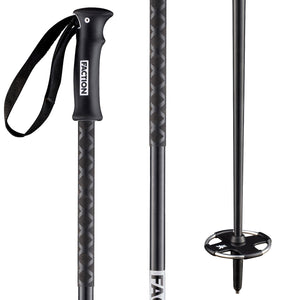
- Basket Type: Powder, Standard
- Material: Aluminum
- Weight: Mid-weight alloy
- Grip: Ergonomic rubber
Faction Ski Poles are built for skiers who want versatility without breaking the bank. Their aluminum shaft offers a reliable, robust feel that handles both groomed tracks and deeper snow with ease. The dual-basket system—powder and standard—lets you swap quickly depending on conditions, making these poles a true all-rounder for backcountry tours or resort loops.
While they aren’t the lightest option, the added heft translates into a solid, planted swing that inspires confidence on descents. The ergonomic grip reduces hand fatigue during long outings, and the durable construction means they’ll survive the inevitable falls and scrapes. They’re an excellent value for intermediate skiers seeking dependable performance.
- Pros: Versatile basket system; durable aluminum; comfortable grip; affordable.
- Cons: Heavier than carbon; limited color options.
2. evo Merge
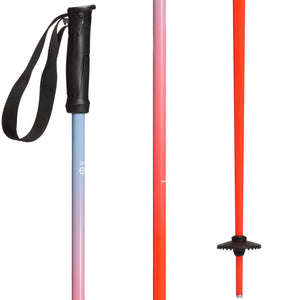
- Material: Aluminum
- Basket Type: Standard
- Warranty: 365 Days +1
- Weight: Lightweight alloy
evo’s in-house Merge Ski Poles are a testament to thoughtful design at a competitive price. Constructed from lightweight aluminum, they offer a snappy, responsive feel that suits classic and skate skiing alike. The standard basket is perfectly sized for most trail conditions, and the extended 366-day warranty (365+1) shows evo stands behind their gear.
These poles shine in their balance of cost and performance—they’re light enough for all-day comfort but tough enough for regular use. The grip is shaped to fit natural hand position, and the adjustable strap ensures a secure fit. If you want a no-nonsense, reliable pole that won’t empty your wallet, the Merge Ski Poles are a smart choice.
- Pros: Great value; lightweight aluminum; generous warranty; comfortable grip.
- Cons: Standard basket only; not for deep powder.
3. Salomon Polar
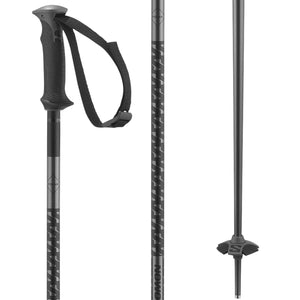
- Material: Aluminum
- Basket Type: Standard
- Warranty: 2 Years
- Weight: Ultralight alloy
Salomon’s Polar Ski Poles 2027 bring race-inspired technology to the recreational skier. Their premium aluminum construction is exceptionally light, reducing arm fatigue on long tours while maintaining the stiffness needed for powerful kicks. The standard basket is optimized for firm tracks, and the two-year warranty provides peace of mind for frequent users.
What sets these apart is the attention to detail—the grip is thermoformed for a custom feel, and the strap system is quick-release for convenience. They feel precise and agile, whether you’re double-poling on flats or climbing steep sections. For skiers who demand high performance without the carbon price tag, the Salomon Polar is a stellar option.
- Pros: Race-inspired lightweight aluminum; 2-year warranty; excellent grip; quick-release straps.
- Cons: Standard basket only; premium price for aluminum.
4. evo Overland Carbon
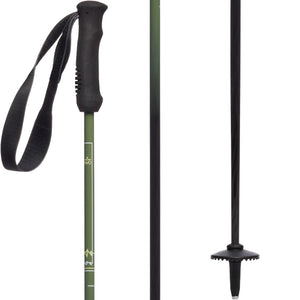
- Material: Carbon
- Basket Type: Standard
- Warranty: 365 Days +1
- Weight: Ultra-light
For skiers who prioritize weight savings above all, the evo Overland Carbon Ski Poles deliver. The carbon fiber shaft reduces swing weight dramatically, making every stroke feel effortless and fast. The standard basket keeps them grounded in most conditions, while the extended warranty highlights evo’s confidence in their carbon layup.
These poles are a dream on long-distance tours or competitive skate skiing, where every gram matters. The vibration-dampening properties of carbon also mean less chatter through the hands, improving comfort over rough terrain. While they come at a higher cost, the performance jump is undeniable for those serious about their skiing.
- Pros: Ultra-light carbon fiber; excellent vibration damping; long warranty; fast swing.
- Cons: Expensive; standard basket only; less durable than aluminum.
5. K2 Power Carbon
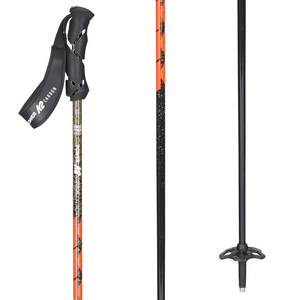
- Material: Carbon
- Basket Type: Standard
- Warranty: 1 Year
- Weight: Lightweight carbon
K2’s Power Carbon Ski Poles combine the brand’s legendary durability with a premium carbon build. They are engineered for aggressive skiers who need a stiff, responsive pole for powerful pushes and quick transitions. The standard basket handles a variety of snow conditions, and the one-year warranty backs their quality.
These poles feel incredibly direct—each plant translates into immediate forward momentum. The carbon construction also helps absorb trail vibrations, keeping your hands fresh on longer outings. While the warranty is shorter than some competitors, the build quality and brand reputation make them a solid investment for performance-oriented skiers.
- Pros: Stiff and responsive carbon; great for aggressive skiing; lightweight; durable brand.
- Cons: 1-year warranty; standard basket only; premium price.
6. K2 Power Composite
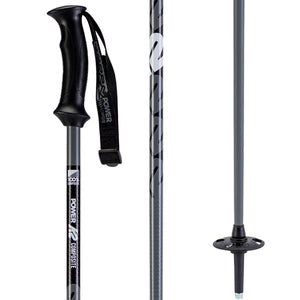
- Material: Composite
- Basket Type: Standard
- Warranty: 1 Year
- Weight: Mid-weight blend
K2’s Power Composite Ski Poles strike a perfect balance between cost and performance. The composite shaft blends fiberglass and resin to deliver a smooth, forgiving feel that still provides ample stiffness for classic and skate techniques. The standard basket is trail-ready, and the one-year warranty offers basic peace of mind.
These poles are ideal for recreational skiers who want something lighter than aluminum but aren’t ready to splurge on carbon. The composite material absorbs shock well, reducing arm fatigue, and the grip is designed for all-day comfort. They’re a versatile, budget-friendly choice that doesn’t compromise on quality.
- Pros: Good value composite; shock-absorbing; comfortable grip; versatile.
- Cons: 1-year warranty; not as light as carbon; standard basket only.
7. LEKI Bold Lite S
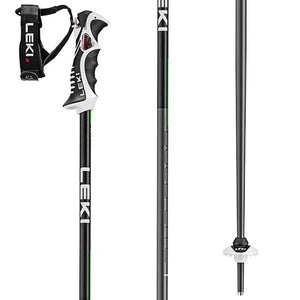
- Material: Aluminum
- Basket Type: Standard
- Warranty: 2 Years
- Weight: Lightweight alloy
LEKI is synonymous with ski pole innovation, and the Bold Lite S lives up to that reputation. These aluminum poles are engineered for cross-country skiers who want a lightweight feel with the durability of metal. The standard basket is optimized for track skiing, and the two-year warranty underscores LEKI’s commitment to quality.
What makes these poles stand out is the Trigger S system—a quick-release strap mechanism that offers unparalleled convenience and security. The aluminum shaft is stiff enough for powerful poling yet light enough for long outings. For skiers who value safety and ease of use, the LEKI Bold Lite S is a top-tier pick.
- Pros: LEKI Trigger S strap system; lightweight aluminum; 2-year warranty; excellent build.
- Cons: Premium price; standard basket only; system requires LEKI-specific gloves.
How to Choose the Best Cross-Country Ski Poles
Selecting the right cross-country ski poles can feel overwhelming with so many materials, baskets, and brands available. However, by understanding a few key factors—your skiing style, preferred material, and the conditions you’ll face—you can confidently pick a pole that elevates your experience. This guide breaks down everything you need to consider before clicking “buy.”
1. Material Matters: Aluminum vs. Carbon vs. Composite
The shaft material is the most critical factor affecting weight, durability, and feel.
Aluminum
- Pros: Durable, affordable, reliable in rough terrain.
- Cons: Heavier than carbon, can bend permanently.
- Best for: Beginners, backcountry skiers, and budget-conscious buyers.
Carbon
- Pros: Ultralight, excellent vibration damping, fast swing.
- Cons: Expensive, less impact-resistant, can shatter.
- Best for: Racers, long-distance tourers, and performance enthusiasts.
Composite
- Pros: Good balance of weight and cost, smooth feel.
- Cons: Not as light as carbon, less durable than aluminum.
- Best for: Recreational skiers seeking a mid-range option.
2. Basket Type and Terrain
Baskets keep your poles from sinking too deep into the snow. Most cross-country poles come with standard baskets (around 50–60 mm) that work well on groomed trails and packed snow. Powder baskets (wider, 80–90 mm) are available for deep, soft snow and backcountry use. If you mostly ski on tracks, a standard basket is sufficient. For mixed or off-trail skiing, consider poles with interchangeable baskets for maximum versatility.
3. Shaft Length and Sizing
Proper pole length is essential for efficient technique. For classic skiing, a good rule is to multiply your height in centimeters by 0.83. For skate skiing, multiply by 0.88. Many manufacturers provide size charts; always check the recommended range. Poles that are too long strain your shoulders; poles that are too short reduce your leverage. When in doubt, size down slightly for easier control.
4. Grip and Strap Systems
The grip should feel comfortable in your hand and allow a natural wrist angle. Ergonomic rubber or cork grips reduce fatigue. Strap systems vary from simple adjustable straps to quick-release mechanisms like LEKI’s Trigger S, which enhance safety and convenience. Try different grips if possible—a good strap should transfer power without cutting off circulation.
5. Weight and Swing Feel
Lighter poles require less energy to lift and swing, which makes a noticeable difference on long tours or races. However, very light poles can feel “nervous” in windy conditions. Heavier aluminum poles offer a more planted feel, which some skiers prefer for stability. Consider your typical outing length—if you ski more than 15 km regularly, prioritize weight savings.
6. Warranty and Brand Reputation
Warranties range from 1 year (common) to 2 years or even 365+1 days (evo’s unique offering). A longer warranty often indicates higher confidence in build quality. Established brands like LEKI, Salomon, and K2 have proven track records, but in-house brands like evo also offer excellent value with generous policies.
Comparison Table
| Model | Material | Basket Type | Warranty | Weight Class |
|---|---|---|---|---|
| Faction Ski Poles | Aluminum | Powder / Standard | — | Mid |
| evo Merge | Aluminum | Standard | 365+1 days | Light |
| Salomon Polar 2027 | Aluminum | Standard | 2 Years | Ultralight |
| evo Overland Carbon | Carbon | Standard | 365+1 days | Ultra-light |
| K2 Power Carbon | Carbon | Standard | 1 Year | Light |
| K2 Power Composite | Composite | Standard | 1 Year | Mid |
| LEKI Bold Lite S | Aluminum | Standard | 2 Years | Light |
7. Budget Considerations
Cross-country ski poles range from $50 to over $200. Aluminum and composite poles occupy the lower-to-mid tier, while carbon models command a premium. Determine your frequency of use—if you ski once a year, a budget aluminum pole is fine. For weekly outings, investing in a lighter, more durable pole pays off in comfort and performance.
8. Intended Use: Classic vs. Skate Skiing
While many poles are suitable for both, subtle differences exist. Skate skiing demands a slightly longer, stiffer pole for powerful pushes. Classic skiing benefits from a shorter, more forgiving pole with a comfortable grip. If you do both, choose a middle-ground length and a shaft with a good balance of stiffness and flexibility.
9. Additional Features
- Quick-release straps: Safer and easier to put on/off.
- Interchangeable baskets: Great for varying snow conditions.
- Ergonomic grips: Reduce hand fatigue on long tours.
- Color and style: Purely personal preference but fun to consider.
10. Final Tips
- Always test the pole length with your boots on.
- Read reviews from skiers with similar experience levels.
- Consider buying from a retailer with a good return policy in case the size isn’t right.
- Don’t forget to factor in the cost of replacement baskets or straps.
Choosing the best cross-country ski poles ultimately comes down to matching the pole’s characteristics to your personal skiing style, terrain, and budget. Use the reviews above as a starting point, and refer to this guide to weigh the trade-offs. With the right poles, every glide feels smoother, every climb more efficient, and every tour more enjoyable.