Best Cross-Country Ski Boots of 2026
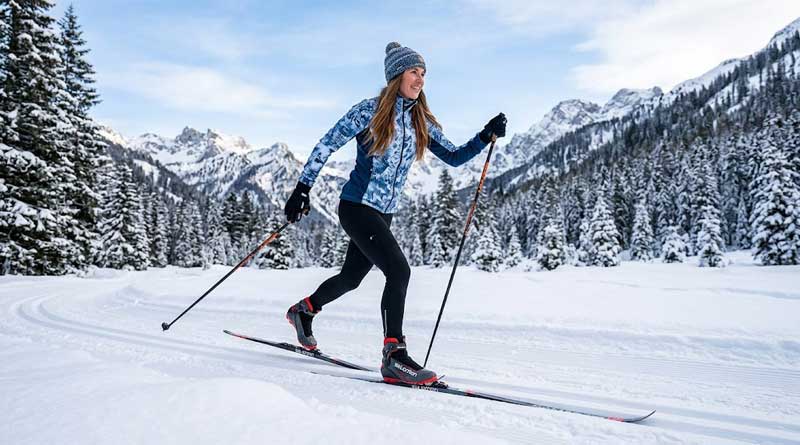
Choosing the best cross-country ski boots can be tricky, but the right pair makes all the difference. Comfortable boots keep your feet warm and happy, while a proper fit helps you move easily on the snow. Whether you are a beginner or a seasoned skier, there are options for every style and budget. In this article, we will look at the best cross-country ski boots to help you find the perfect match for your next adventure.
1. Salomon Escape Outpath

- Boot and Binding Compatibility: NNN / TURNAMIC / Prolink
- Cross-country Style: Classic
- Upper: Synthetic
- Insulated: Yes, Thinsulate R (78% recycled)
The Salomon Escape Outpath is a versatile cross-country ski boot built for everything from backyard laps to off-trail exploring. Its warm Thinsulate liners and reinforced cuffs deliver dependable comfort and stability, making it a solid choice for skiers who want one boot that handles a variety of conditions.
With a classic style and NNN, TURNAMIC, and Prolink compatibility, these boots pair easily with common binding systems. At 2 lbs. 8.5 oz. per pair, they balance warmth and support without feeling overly heavy, making them a practical option for recreational skiers.
- Pros: Warm Thinsulate liner, stable reinforced cuff, broad binding compatibility
- Cons: Not ideal for aggressive skate skiing, synthetic upper less durable than leather
See the Salomon Escape Outpath
2. Fischer BCX Tour

- Boot and Binding Compatibility: NNN BC
- Cross-country Style: Backcountry
- Upper: Synthetic leather
- Insulated: Yes, Comfort Guard polyester
The Fischer BCX Tour is designed for skiers who want to explore ungroomed fields and wooded trails in winter. Its synthetic leather upper helps keep moisture and cold weather out, while Comfort Guard polyester insulation adds warmth for long days in the snow.
Built specifically for NNN BC bindings and a backcountry style, this boot offers the support needed for off-trail travel. At 2 lbs. 8 oz. per pair, it remains relatively light while providing the stability and protection required for variable snow conditions.
- Pros: Supportive backcountry design, weather-resistant synthetic leather, warm Comfort Guard insulation
- Cons: Limited to NNN BC bindings, not intended for groomed trail skating
3. Salomon Escape Outback

- Boot and Binding Compatibility: NNN BC
- Cross-country Style: Backcountry
- Upper: Leather/synthetic
- Insulated: Yes, 4 mm foam
The Salomon Escape Outback is a robust cross-country ski boot made for remote backcountry paths and demanding winter adventures. Compatible with NNN BC bindings, it is built to withstand tough conditions while providing the support needed for ungroomed terrain.
The leather and synthetic upper offers durability and weather resistance, while 4 mm foam insulation helps keep feet warm on extended tours. At 2 lbs. 15.6 oz. per pair, these boots are heavier than many touring models, but that weight contributes to their stable, long-lasting construction.
- Pros: Durable leather/synthetic upper, stable backcountry support, warm 4 mm foam insulation
- Cons: Relatively heavy, only compatible with NNN BC bindings
See the Salomon Escape Outback
4. Salomon RS8 Skate

- Boot and Binding Compatibility: NNN / TURNAMIC / Prolink
- Cross-country Style: Skate
- Upper: Synthetic
- Insulated: Yes, Thinsulate R (78% recycled)
The Salomon RS8 Skate is built for skate skiers who want edge grip, stability, and easy entry. Its cuff-to-chassis connection ensures efficient power transmission, helping you get the most out of every stride on groomed trails.
Double step-in straps make these boots quick to put on and take off, while Thinsulate R insulation provides warmth without excessive bulk. At just 2 lbs. 4 oz. per pair, they are lightweight and compatible with NNN, TURNAMIC, and Prolink bindings for wide versatility.
- Pros: Excellent power transmission, easy step-in straps, lightweight design
- Cons: Skate-specific performance, synthetic upper may be less durable than leather
5. Rossignol XP 5

- Boot and Binding Compatibility: Xplore
- Cross-country Style: Backcountry
- Upper: Polyurethane
- Insulated: Yes, Thinsulate polyester
The Rossignol XP 5 is made for skiers who want to extend their range on ski trails and beyond. Its supportive, stable build provides reliable control, while Xplore binding compatibility opens up versatile backcountry options.
The polyurethane upper is durable and protective, and Thinsulate polyester insulation helps keep feet warm during cold-weather tours. At 3 lbs. 1.4 oz. per pair, these boots are on the heavier side, but the added weight supports a stable, controlled feel on challenging terrain.
- Pros: Stable and supportive build, durable polyurethane upper, warm Thinsulate insulation
- Cons: Heavier than many touring boots, limited to Xplore bindings
6. Alpina Alaska XP

- Boot and Binding Compatibility: Xplore
- Cross-country Style: Backcountry
- Upper: Leather
- Insulated: Yes, Thinsulate synthetic fibers
The Alpina Alaska XP connects groomed Nordic trails with light backcountry terrain, making it a versatile choice for skiers who want to expand their adventures. Its Xplore binding compatibility allows for flexible use across different conditions and setups.
The leather upper offers durability and a classic look, while Thinsulate synthetic fiber insulation provides reliable warmth. At 3 lb. 4 oz. per pair, these boots are substantial, but that weight supports a stable and protective feel for backcountry touring.
- Pros: Durable leather upper, versatile Xplore compatibility, warm Thinsulate insulation
- Cons: Relatively heavy, leather requires more care than synthetic materials
7. Fischer RC3 Combi

- Boot and Binding Compatibility: NNN / TURNAMIC / Prolink
- Cross-country Style: Classic, Skate
- Upper: Synthetic leather
- Insulated: Yes, Comfort Guard
The Fischer RC3 Combi is a dual-purpose cross-country ski boot that handles both classic and skate techniques. It combines the cuff support needed for skating with softer-flexing outsoles that allow the smooth kick required for classic skiing.
The synthetic leather upper offers a balance of durability and comfort, while Comfort Guard insulation helps keep feet warm during long sessions. At 2 lbs. 10.3 oz. per pair, these boots are reasonably light and compatible with NNN, TURNAMIC, and Prolink bindings.
- Pros: Works for classic and skate skiing, supportive cuff, broad binding compatibility
- Cons: Compromise performance for dedicated skaters or classic skiers, synthetic leather less durable than full leather
How to Choose Cross-Country Ski Boots
Cross-country skiing is a wonderful way to enjoy winter, whether you want a gentle glide through the woods or a fast workout on groomed trails. But one piece of gear can make or break your experience: your boots. The right pair keeps your feet warm, supports your ankles, and helps you move efficiently. The wrong pair can cause blisters, cold toes, and frustration. This guide will walk you through everything you need to know to choose the best cross-country ski boots for your needs.
Understand the Two Main Skiing Styles
Before you look at boots, you need to know what kind of skiing you plan to do. Cross-country skiing has two main styles, and each requires a different type of boot.
Classic Skiing
Classic skiing uses a forward and backward motion in parallel tracks. The boots for this style are more flexible, especially in the sole, so your foot can bend naturally as you push off. They are comfortable and great for beginners, touring, and long, relaxed trips. If you want to glide along gentle trails, classic boots are likely your best choice.
Skate Skiing
Skate skiing looks a bit like ice skating on skis. You push your skis outward in a V-shape. This style is faster and more athletic. Skate boots are stiffer and taller. They provide more ankle support and lateral rigidity so you can push off strongly. These boots are best for groomed trails and fitter skiers who want speed.
There are also combi boots that work for both styles, but they are a compromise. They are not as flexible as pure classic boots and not as stiff as pure skate boots. If you are not sure which style you will love, a combi boot can be a good starting point.
Match Boots to Your Binding System
Cross-country ski boots do not work with every binding. You must match your boots to your bindings, and your bindings to your skis. There are three main binding systems today.
| Binding System | Common Boot Brands | Key Features |
|---|---|---|
| NNN (New Nordic Norm) | Rossignol, Alpina, Fischer, Madshus | Two ridges under the toe, wide compatibility, popular for all styles |
| Prolink | Salomon, Atomic | Single wide bar, easy to step into, used for classic, skate, and combi |
| Turnamic | Fischer, Rossignol | Adjustable plate, tool-free binding movement, fits NNN boots |
Always check which system your skis use. If you are buying a full package, make sure the boots, bindings, and skis all work together. Most modern boots are compatible with NNN or Prolink, but older three-pin systems still exist. If you have old skis, you may need to find boots that match that older standard, or upgrade your bindings.
Get the Right Fit
Fit is the most important factor for comfort and performance. Cross-country ski boots should fit snugly but not tightly. Your toes should touch the front of the boot lightly when you stand, but they should not be cramped. When you bend your knee forward, your heel should stay down. If your heel lifts, the boot is too big or the wrong shape for your foot.
How to Measure Your Feet
- Measure your feet in the afternoon or evening, when they are slightly larger.
- Wear the same socks you plan to ski in—thin, moisture-wicking socks are best.
- Stand on a piece of paper and trace your foot. Measure from heel to longest toe.
- Use the brand’s size chart, because sizing varies between brands.
- If you are between sizes, choose the larger size for classic boots and the snugger size for skate boots.
Width and Volume
Some brands make wider boots for people with broad feet. Others make narrow, low-volume boots for a precise fit. If you have wide feet, look for brands like Alpina or Rossignol that offer wider options. If you have narrow feet, Salomon and Fischer often fit better. Remember that a good fit is not just about length. It is also about width, arch support, and heel hold.
Consider the Sole Flex
The sole of a cross-country boot is not like a hiking boot. It is designed to flex in a specific way. Classic boots have a flexible sole that bends under the ball of your foot. This lets you push down and glide. Skate boots have a stiff sole that does not bend much. This gives you a stable platform for pushing sideways. Combi boots have a medium flex. If you choose the wrong flex, you will work harder and may feel pain in your feet or shins.
Look at Warmth and Materials
Cold feet can ruin a ski trip. Cross-country boots are usually made with synthetic materials, leather, or a mix. They have insulation and a moisture-wicking lining. Here is what to look for:
- Insulation: Thinsulate, wool, or synthetic fleece keeps feet warm.
- Waterproofing: A waterproof membrane or treated leather keeps snow and slush out.
- Breathability: Your feet sweat when you ski. Breathable materials let moisture escape.
- Removable liners: Some boots have liners you can take out to dry. This is a big plus for heavy use.
- Gaiter attachment: Many boots have a loop or D-ring for attaching gaiters. Gaiters keep snow out of your boots.
For very cold conditions, choose a boot with more insulation and a roomier fit. A tight boot reduces circulation and makes your feet colder. For mild weather, a lighter, less insulated boot is fine.
Closure Systems
Boots close in different ways. Each has pros and cons.
Laces
Traditional laces are simple, lightweight, and easy to repair. They let you adjust the fit across your whole foot. However, they can be slow to put on and may loosen as you ski. Look for a lace lock or a second lace zone if you want better control.
Velcro Straps
Velcro straps are fast and easy. They are common on beginner and touring boots. They do not offer as fine an adjustment as laces, but they are convenient. Many boots use a combination of laces and a Velcro strap over the instep or ankle.
Ratchet Buckles
Ratchet buckles are found on skate and performance boots. They are strong, secure, and easy to adjust with gloves on. They provide excellent heel hold and ankle support. The downside is that they add weight and cost. They can also break if you are rough with them, but most are durable.
Boa System
The Boa system uses a dial and a thin cable to tighten the boot. It is fast, even, and easy to use with gloves. It is becoming more popular on high-end cross-country boots. The main drawback is that if the cable breaks, it is hard to fix on the trail. However, Boa offers a lifetime warranty on many parts.
Think About Your Skill Level and Goals
Your boot choice should match your ability and what you want to do.
- Beginner: Choose a comfortable classic boot with a flexible sole and simple laces or Velcro. Do not spend too much. Focus on fit and warmth.
- Intermediate: You may want a combi boot or a better classic boot with more support. Look for a waterproof membrane and a secure heel.
- Advanced: Choose a stiff skate boot or a high-performance classic boot. Prioritize power transfer, light weight, and a precise fit.
- Touring: Choose a wider, warmer boot with a flexible sole. You will be out for hours, so comfort is key.
- Racing: Choose the lightest, stiffest boot you can afford. Fit should be very snug. Every gram counts.
Try Before You Buy
If possible, try on boots in a store. Walk around. Bend your knees. Stand on your toes. See how the boot feels after a few minutes. If you buy online, make sure the store has a good return policy. You can also read reviews from other skiers. Pay attention to comments about sizing, width, and durability.
Care for Your Boots
Good care makes your boots last longer. Here are some quick tips:
- Clean mud and snow off after each use.
- Dry boots at room temperature. Never put them near a fire or heater.
- Remove liners if possible and let them dry separately.
- Do not store boots in a cold garage or damp basement.
- Check buckles, straps, and laces for wear before each season.
Final Thoughts
Choosing cross-country ski boots comes down to three things: your skiing style, your binding system, and your fit. Take your time. A good pair of boots will make every ski trip more enjoyable. A bad pair will make you want to stay home. Use this guide to find the best cross-country ski boots for you, and enjoy the snow.