Best Budget Cross-Country Skis of 2026
Looking for affordable cross-country skis that still perform well? You don’t need to spend a lot to enjoy this great winter sport. In this article, we’ve picked the best budget cross-country skis for beginners and casual skiers. We’ll show you options that are durable, easy to use, and kind to your wallet. Whether you’re gliding on fresh snow or exploring quiet trails, these skis will help you have fun without breaking the bank.
1. Salomon Escape Outpath 60

- Ski Design: Classic
- Ski Terrain: XC Groomed and ungroomed
- Tip Width: 60 millimeters
- Weight (Pair): 4 lbs. 6.5 oz.
The Salomon Escape Outpath 60 is a lightweight and versatile cross-country ski that performs well in tracks and can handle off-track adventures. Its single camber and partial metal edges provide a balanced ride for skiers who want to explore beyond groomed trails without sacrificing glide.
With a patterned base for kick-zone traction and a wood core, this ski offers reliable grip and a stable feel. The 60 mm tip width helps float in softer snow, while the premounted bindings make it ready to use right away. It is a solid choice for recreational skiers seeking flexibility.
- Pros: Lightweight, versatile terrain use, bindings included, partial metal edges
- Cons: Limited edge control compared to full metal, weight varies by length
2. Rossignol Evo XC 60 R-Skin

- Ski Design: Classic
- Ski Terrain: XC Groomed and ungroomed
- Tip Width: 60 millimeters
- Weight (Pair): 1 lb. 7.7 oz.
The Rossignol Evo XC 60 R-Skin offers a stable platform for reliable gliding, making it a great option for skiers who want easy kick and glide without waxing. The built-in mohair skin strips provide dependable traction in varied snow conditions, and the single camber design keeps the ski lively.
Its LDC core helps reduce weight, and the 60 mm tip width gives some float in softer snow. However, the lack of metal edges means less control on icy or off-track terrain. Bindings are not mounted, so you will need to choose compatible NNN, TURNAMIC, or Prolink bindings separately.
- Pros: Very lightweight, skin strips for easy grip, no waxing needed
- Cons: No metal edges, bindings not included, less edge control off-track
3. Fischer Spider 62 Crown

- Ski Design: Classic
- Ski Terrain: XC Groomed and ungroomed
- Tip Width: 62 millimeters
- Weight (Pair): 3 lbs. 10.6 oz.
The Fischer Spider 62 Crown is built for skiers who want to go farther in and out of tracks. Full-length metal edges provide better control on uneven or icy terrain, while the double camber offers good kick and glide. The 62 mm tip width adds stability in softer snow.
A wood core and patterned base deliver durable performance and reliable traction. Bindings are included, making this ski ready for the trail. It is a strong choice for those who split time between groomed tracks and light backcountry, though the double camber may feel less forgiving for true beginners.
- Pros: Full metal edges, bindings included, good off-track control
- Cons: Double camber less forgiving, heavier than some alternatives
4. Rossignol Evo XT 55 Positrack

- Ski Design: Classic
- Ski Terrain: XC Groomed and ungroomed
- Tip Width: 55 millimeters
- Weight (Pair): 1 lb. 7.2 oz.
The Rossignol Evo XT 55 Positrack is designed for beginners looking to cruise along snow-covered trails. Its user-friendly single camber and lightweight wood core make kicking and gliding easy, while the patterned base provides reliable traction without waxing.
The 55 mm tip width is narrower than other models here, so it performs best in groomed tracks and less aggressive off-track conditions. There are no metal edges, which limits control on hard or icy surfaces. Bindings are not included, so you will need to purchase compatible NNN, TURNAMIC, or Prolink bindings.
- Pros: Very lightweight, beginner-friendly, no waxing needed
- Cons: No metal edges, bindings not included, narrower tip reduces float
5. Rossignol BC 80 Positrack

- Ski Design: Classic
- Ski Terrain: XC Groomed and ungroomed
- Tip Width: 80 millimeters
- Weight (Pair): 5 lbs. 5.9 oz.
The Rossignol BC 80 Positrack opens up backcountry touring with a lightweight wood core and a wide 80 mm tip. The big sidecut and modest tip rocker encourage easy turns in varied terrain, making it a fun choice for skiers who want to explore beyond groomed trails.
Full metal edges provide strong control on descents and icy patches, while the classic design still allows touring in tracks. Bindings are included, but the ski uses the NNN BC binding compatibility, which is different from standard NNN, TURNAMIC, or Prolink. This ski is heavier and wider, so it is less ideal for pure track skiing.
- Pros: Full metal edges, tip rocker for turns, bindings included, great flotation
- Cons: Heavy, NNN BC compatibility only, overkill for groomed tracks
6. Rossignol Evo OT 65 Positrack

- Ski Design: Classic
- Ski Terrain: XC Groomed and ungroomed
- Tip Width: 65 millimeters
- Weight (Pair): 2 pounds
The Rossignol Evo OT 65 Positrack is made for exploring beyond groomed tracks, with partial metal edges for enhanced stability and edge control in off-trail snow. The double camber provides good kick and glide, while the wood air core keeps the ski light for its width.
A patterned base offers reliable traction without waxing, and bindings are included for convenience. The 65 mm tip width gives decent float in softer snow, but the partial metal edges are less aggressive than full metal. It is a good middle ground for skiers who want versatility without going too wide.
- Pros: Partial metal edges, lightweight, bindings included, versatile
- Cons: Partial edges less control than full metal, double camber may feel stiff
7. Fischer Twin Skin Power EF Medium

- Ski Design: Classic
- Ski Terrain: XC Groomed
- Tip Width: 51 millimeters
- Weight (Pair): 3 pounds
The Fischer Twin Skin Power EF Medium is built for kick and glide through a range of snow conditions on groomed trails. Mohair inserts provide reliable grip and glide, and the double camber supports efficient classic skiing. Premounted TURNAMIC bindings make it ready to go.
A wood core adds durability and a lively feel. The 51 mm tip width is narrow, so this ski is best suited for prepared tracks rather than off-track adventures. There are no metal edges, which keeps it light but limits control on icy or uneven surfaces. It is a solid choice for fitness-oriented classic skiers.
- Pros: Mohair skin inserts, bindings included, good glide, lightweight
- Cons: Groomed terrain only, no metal edges, narrow tip limits float
8. Salomon RS7 Skate

- Ski Design: Skate
- Ski Terrain: XC Groomed
- Tip Width: 45 millimeters
- Weight (Pair): 3 lbs. 1.4 oz.
The Salomon RS7 Skate delivers smooth glide and stable, easy skiing for skate skiers on groomed terrain. The premounted Prolink Shift bindings are stable, lightweight, and adjustable, making them easy to slide on and go. The Densolite 2000 core keeps the ski light and responsive.
Its single camber and narrow 45 mm tip are designed specifically for skate technique, offering good edge-to-edge quickness. There are no metal edges and no kick-zone traction, so this ski is not suitable for classic skiing or off-track use. It is a dedicated skate ski for fitness and recreational skiers.
- Pros: Lightweight, adjustable premounted bindings, stable for skate skiing
- Cons: Skate only, groomed terrain only, no metal edges, no classic traction
How to Choose Budget Cross-Country Skis
Cross-country skiing is one of the most accessible, rewarding, and physically beneficial winter sports in the world. Unlike alpine (downhill) skiing, which often requires expensive lift tickets, heavy specialized gear, and costly resort accommodations, cross-country skiing can be enjoyed in local parks, on golf courses, or deep in the backcountry. For those looking to enter the sport without making a massive financial commitment, finding a great pair of budget cross-country skis is entirely possible. The market is filled with excellent entry-level and budget-friendly options that offer fantastic performance for recreational skiers.
However, navigating the world of cross-country ski equipment can be intimidating. With different styles, sizing metrics, binding compatibilities, and base patterns, it is easy for a beginner to feel overwhelmed. Choosing budget skis does not mean you have to sacrifice quality or fun, but it does mean you need to know exactly what to look for to get the most value for your money. This comprehensive guide will walk you through everything you need to know to choose the perfect pair of budget cross-country skis, from understanding the different disciplines to finding the perfect fit and scoring the best deals.
Understanding the Types of Cross-Country Skis
The first step in choosing any cross-country ski is understanding the discipline you want to pursue. Cross-country skiing is broadly divided into three categories, and your choice will dictate the type of ski you need to buy. For budget-conscious buyers, recreational classic skiing is usually the most affordable and accessible starting point.
Classic Touring Skis
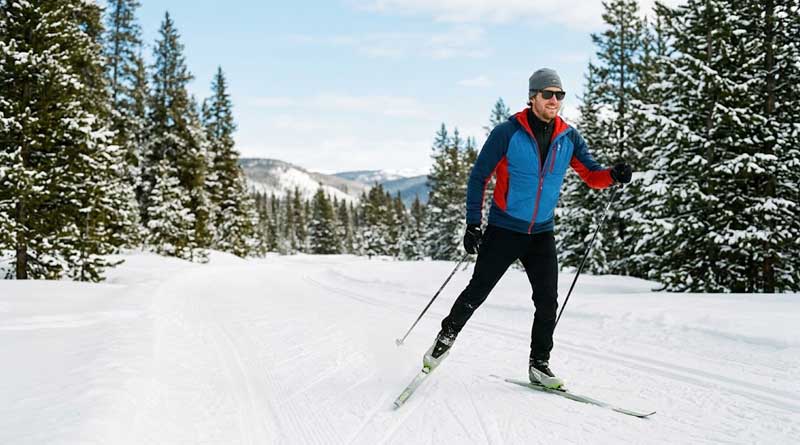
Classic skiing is the traditional form of the sport, where you use a straightforward forward-and-back striding motion, often gliding in parallel tracks set into the snow. Classic touring skis are generally wider, more stable, and designed for slower, more relaxed exploration. Because they are the most popular type of ski for beginners, you will find the largest variety of budget options in this category. They prioritize balance and ease of use over pure speed, making them highly forgiving for newcomers.
Skate Skis
Skate skiing involves a V-shaped motion similar to ice skating or rollerblading. It requires groomed, wide trails and is generally faster and more aerobically demanding than classic skiing. Skate skis are shorter, stiffer, and narrower than classic skis. While it is possible to find budget skate skis, the overall setup (which requires stiffer boots and longer poles) tends to be slightly more expensive than a classic touring setup. If your budget is extremely tight, skate skiing might require hunting for used gear.
Backcountry or Off-Track Skis
If you plan to break your own trail through deep, ungroomed snow in the woods, you need backcountry skis. These feature metal edges for cutting through ice and a wider profile to keep you afloat in deep powder. While highly durable, the addition of metal edges and specialized heavy-duty backcountry bindings drives up the manufacturing price, making true budget options harder to find outside of the second-hand market.
Waxable vs. Waxless Skis: The Budget Perspective
The base of a classic cross-country ski is divided into three zones: the glide zones at the tip and tail, and the kick zone (or grip zone) in the middle. The kick zone is what grips the snow, allowing you to push forward. You have two primary options for how this grip is achieved: waxable or waxless.
Waxable Skis
Waxable skis require you to manually apply a sticky grip wax to the kick zone depending on the exact temperature and snow conditions of the day. While traditionalists love the smooth glide of a perfectly waxed ski, waxable skis require a significant investment in time, knowledge, and an ongoing budget for various waxes, scrapers, and corks. For someone strictly on a budget, this hidden ongoing cost can add up quickly, not to mention the steep learning curve.
Waxless Skis
For budget-conscious beginners and recreational skiers, waxless skis are highly recommended. They are essentially maintenance-free in the kick zone, saving you both time and money. There are two main types of waxless systems:
- Fishscales (Crown base): A pattern milled directly into the base of the ski that grips the snow when you push down and glides when you slide forward. This is the most common, durable, and affordable type of budget ski.
- Skin Skis: These feature strips of mohair or synthetic fur embedded into the kick zone. They offer a better glide than fishscales and a quieter ride on icy tracks. While historically more expensive, entry-level skin skis have dropped significantly in price and can now be found in the budget category.
Finding the Perfect Size and Fit
One of the biggest mistakes beginners make is buying skis based purely on their height. In cross-country skiing, your body weight is the most critical factor in choosing the right ski length. Cross-country skis have an upward curve in the middle, known as the camber. When you put your full weight on one ski, you need to be able to flatten that camber completely so the grip zone engages with the snow.
If the ski is too stiff (meant for a heavier person), you will not get any grip and will slide backward on hills. If it is too soft (meant for a lighter person), the grip zone will drag continuously on the snow, slowing you down drastically. When shopping for budget skis, always consult the manufacturer’s sizing chart. These charts map a specific weight range to a specific ski length. If you fall between two sizes, consider your skill level: a shorter ski is easier to control, turn, and maneuver (ideal for beginners), while a longer ski will glide faster but requires better balance.
Understanding Binding Systems
When purchasing budget skis, you must pay attention to the bindings to ensure they are compatible with the boots you intend to buy. Fortunately, the industry has largely standardized around a single overarching system, making it much easier than it was a decade ago.
Modern Compatibility: NNN, Prolink, and Turnamic
Today, the New Nordic Norm (NNN), Salomon Prolink, and Fischer/Rossignol Turnamic systems dominate the market. The good news for budget shoppers is that all three of these systems are cross-compatible. An NNN boot will fit into a Prolink or Turnamic binding, and vice versa. Many budget skis are sold pre-mounted with one of these bindings, which saves you the cost of having a ski shop mount them for you.
The Obsolete System: SNS
If you are buying heavily discounted clearance skis or shopping on the used market, you may encounter the Salomon Nordic System (SNS). This is an older system that features a single wide ridge rather than the two narrow ridges of NNN. SNS boots and bindings are completely incompatible with NNN, Prolink, or Turnamic. Unless you already own SNS boots, you should actively avoid buying SNS bindings, as finding budget boots to fit them is becoming increasingly difficult as they are phased out.
Cost vs. Value: What You Compromise on Budget Skis
It is important to manage your expectations when buying budget cross-country skis. Manufacturers have to cut costs somewhere to keep the retail price down. While entry-level skis are incredibly durable and perfect for learning, they differ from premium racing models in a few key areas. The table below outlines the primary differences between budget and premium cross-country skis.
| Feature | Budget Skis | Premium/Racing Skis |
|---|---|---|
| Core Material | Wood core with air channels (heavier but highly durable) | Carbon fiber or advanced honeycomb foam (ultra-light) |
| Base Material | Extruded base (softer, holds less glide wax, low maintenance) | Sintered base (harder, absorbs wax deeply, much faster) |
| Width and Shape | Wider, more sidecut for enhanced balance and stability | Narrower, straighter edges for maximum speed in tracks |
| Overall Weight | Noticeably heavier, which can cause fatigue on very long trips | Feather-light, designed for peak aerobic efficiency |
| Target User | Beginners, casual weekend skiers, families on a budget | Racers, advanced fitness enthusiasts, professionals |
Don’t Forget the Poles
While most of the budget goes toward skis and boots, poles are a critical component. Budget poles are typically made of aluminum or basic fiberglass. Aluminum is excellent for beginners because it is cheap and bends rather than snaps if you fall on it. The length of a classic ski pole should reach right up to your armpits when you are standing in your boots. Avoid spending extra on lightweight carbon fiber poles until your technique improves; basic aluminum poles will serve a beginner perfectly for years.
Smart Strategies for Buying on a Budget
Finding a great pair of budget skis involves knowing when, where, and how to shop. Here are some of the best strategies to ensure you get a high-quality setup without emptying your wallet:
- Look for Package Deals: Many retailers offer beginner packages that include skis, bindings, boots, and poles for a single discounted price. These bundles are almost always cheaper than buying each component individually, and they guarantee that your boots and bindings are fully compatible out of the box.
- Shop End-of-Season Sales: The best time to buy winter gear is in late February, March, and April. Retailers drastically slash prices on cross-country skis to clear inventory for summer sporting goods. You can easily find high-quality beginner setups for 30% to 50% off retail prices.
- Check Ski Swaps and Used Markets: Local ski clubs and outdoor organizations often host “ski swaps” in the autumn where people sell their lightly used gear. This is an excellent place to pick up high-quality skis at budget prices. Just be sure to inspect the bases for deep gouges and check that the bindings are modern.
- Rent to Buy: Some outdoor gear shops offer a rental program where the cost of your season rental can be applied to the purchase price of the skis if you decide to keep them at the end of the winter. This lets you test the skis thoroughly before fully committing your budget.
Conclusion
Choosing budget cross-country skis does not mean you are settling for inferior equipment. Today’s entry-level skis are remarkably well-built, offering a fantastic blend of stability, durability, and ease of use. By focusing on classic waxless skis (either fishscale or skin), paying careful attention to weight-based sizing charts, and ensuring you purchase modern, compatible bindings, you can put together an excellent ski package that will provide years of winter enjoyment.
Remember that the ultimate goal of cross-country skiing is to get outside, enjoy nature, and stay active during the colder months. A budget-friendly setup achieves this goal just as well as a professional racing kit. Shop smart, take advantage of package deals or end-of-season sales, and you will soon be gliding down snow-covered trails with confidence and cash left in your pocket.