Best Cross-Country Skis of 2026
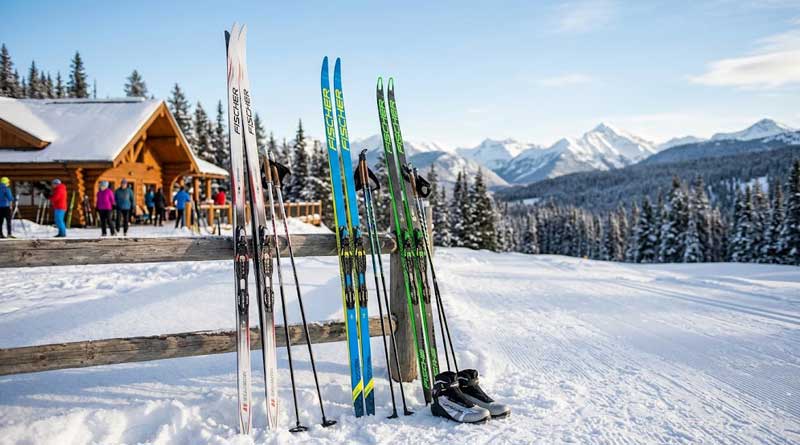
If you want to enjoy winter, cross-country skiing is a great way to move through snow. But choosing the right skis can be confusing. There are different types for different styles and terrain. This article will help you find the best cross-country skis for your needs. We will look at top options for beginners, experts, and everyone in between. Let’s find the perfect skis for your next snowy adventure.
1. Salomon Escape Outpath 60

- Ski Design: Classic
- Tip Width: 60 millimeters
- Metal Edge: Partial Metal
- Weight (Pair): 4 lbs. 6.5 oz.
The Salomon Escape Outpath 60 is built for skiers who want the freedom to wander off the groomed tracks without sacrificing performance on them. The wood core and patterned base combine to give a lively, responsive feel whether you’re gliding through set tracks or breaking into fresh snow on the side. Its versatile 60mm tip width strikes a nice balance between stability and maneuverability.
With bindings already mounted and compatibility across NNN, TURNAMIC, and Prolink systems, getting set up is painless. The partial metal edge adds a welcome dose of control when conditions get icy or uneven, making this a dependable all-rounder for adventurous cross-country skiers.
Pros:
- Handles both groomed and ungroomed terrain
- Bindings pre-mounted for convenience
- Partial metal edge improves control
Cons:
- Heavier than skin-strip alternatives
- Not ideal for dedicated track skiing
2. Rossignol Evo XC 60 R-Skin

- Ski Design: Classic
- Core: LDC Core
- Kick-Zone Traction: Skin Strips
- Weight (Pair): 1 lb. 7.7 oz.
The Rossignol Evo XC 60 R-Skin takes the hassle out of waxing thanks to its built-in mohair skin strips, letting you focus on enjoying the trail instead of prepping your gear. The lightweight LDC core makes these skis noticeably easy to maneuver, especially appealing to newer skiers or those who prioritize simplicity over race-level speed.
Suited for both groomed and ungroomed terrain, this ski offers dependable grip on climbs without the fuss of kick wax. Since bindings aren’t included, you’ll need to purchase and mount them separately, but the NNN, TURNAMIC, and Prolink compatibility keeps your options open.
Pros:
- Very lightweight design
- No-wax skin strips save time
- Great for beginners
Cons:
- No metal edge
- Bindings not included
3. Fischer Spider 62 Crown

- Ski Design: Classic
- Ski Camber: XC Double Camber
- Metal Edge: Full Metal
- Weight (Pair): 3 lbs. 10.6 oz.
The Fischer Spider 62 Crown is designed for skiers who like to push past the tracks and explore. Full-length metal edges give this ski excellent bite and control in variable or icy conditions, making it a confident companion on longer backcountry-style outings. The wood core adds durability without weighing things down too much.
Bindings come premounted, so you can get out the door faster, and the wide compatibility with NNN, TURNAMIC, and Prolink boots means fitting your existing setup is simple. This is a strong pick for intermediate to advanced skiers wanting a do-it-all classic ski.
Pros:
- Full metal edges for better control
- Comes with bindings mounted
- Versatile on and off track
Cons:
- Heavier than no-metal options
- Overkill for groomed-only skiing
4. Rossignol Evo XT 55 Positrack

- Ski Design: Classic
- Tip Width: 55 millimeters
- Kick-Zone Traction: Patterned Base
- Weight (Pair): 1 lb. 7.2 oz.
The Rossignol Evo XT 55 Positrack is built with beginners in mind, offering a forgiving and user-friendly ride for anyone learning the kick-and-glide rhythm of classic cross-country skiing. Its lightweight wood core keeps the ski easy to control, while the patterned base provides reliable traction without the need for waxing.
These skis work well on both groomed and ungroomed trails, giving new skiers room to grow their skills in different conditions. Bindings aren’t included, but compatibility with NNN, TURNAMIC, and Prolink systems makes it easy to pair with a wide range of boots.
Pros:
- Beginner-friendly and easy to control
- No-wax patterned base
- Lightweight construction
Cons:
- No metal edge
- Bindings sold separately
5. Rossignol BC 80 Positrack

- Ski Design: Classic
- Tip Width: 80 millimeters
- Ski Camber: Tip Rocker
- Metal Edge: Full Metal
The Rossignol BC 80 Positrack is made for those who want to venture deep into backcountry terrain. Its wide 80mm tip and generous sidecut make turning through varied snow conditions much more approachable, while the modest tip rocker helps the ski float and pivot with ease. The lightweight wood core keeps things nimble despite the burlier build.
Full metal edges provide the grip needed for confident descents and traverses, and the bindings come premounted for convenience. Compatible with NNN BC boots, this ski is a great choice for backcountry touring enthusiasts seeking stability and control.
Pros:
- Wide platform for backcountry stability
- Full metal edges aid control
- Premounted bindings
Cons:
- Heaviest option in this lineup
- Requires specific NNN BC boots
6. Rossignol Evo OT 65 Positrack

- Ski Design: Classic
- Ski Camber: XC Double Camber
- Metal Edge: Partial Metal
- Core: Wood Air
The Rossignol Evo OT 65 Positrack is tailored for skiers who like to venture off the beaten path. Partial metal edges deliver added stability and edge control when the snow gets uneven or icy, giving you more confidence as you explore beyond groomed trails. The Wood Air core keeps the ski light while maintaining a solid, dependable feel underfoot.
The patterned base means no waxing is required for kick traction, which is a nice bonus for casual outings. With bindings already mounted and broad compatibility across NNN, TURNAMIC, and Prolink systems, this ski is ready to hit the trail right out of the box.
Pros:
- Partial metal edge for off-trail control
- Lightweight Wood Air core
- No-wax patterned base
Cons:
- Not as fast as dedicated groomed-trail skis
- Double camber may feel less lively to some
7. Fischer Twin Skin Power EF Medium

- Ski Design: Classic
- Ski Terrain: XC Groomed
- Kick-Zone Traction: Skin Strips
- Weight (Pair): 3 pounds
The Fischer Twin Skin Power EF Medium is designed to deliver smooth, efficient kick and glide performance on groomed trails. Mohair skin inserts provide dependable grip on climbs while still allowing for a fast, low-friction glide, striking a nice balance between traction and speed for skiers who stick mostly to set tracks.
The wood core and double camber design add a lively, responsive character to the ride. Premounted TURNAMIC bindings mean you can get moving right away, and compatibility with NNN and Prolink boots adds flexibility. This is a solid choice for skiers focused on groomed-trail performance.
Pros:
- Efficient skin-strip grip and glide
- Premounted bindings
- Responsive double camber design
Cons:
- Limited to groomed trails only
- No metal edge
8. Salomon RS7 Skate

- Ski Design: Skate
- Ski Terrain: XC Groomed
- Core: Densolite 2000
- Weight (Pair): 3 lbs. 1.4 oz.
The Salomon RS7 Skate is built for skiers looking to enjoy the speed and rhythm of skate skiing on groomed trails. The Densolite 2000 core provides a smooth, stable glide, while the single camber design supports confident, efficient strides. It’s a great option for those transitioning into skate skiing or wanting a dependable everyday ski.
Premounted Prolink Shift bindings make setup effortless, offering a lightweight and adjustable connection between boot and ski. Broad compatibility with NNN, TURNAMIC, and Prolink systems adds convenience. Overall, this ski delivers a stable and approachable skate skiing experience.
Pros:
- Stable, smooth glide
- Adjustable premounted bindings
- Lightweight build
Cons:
- Groomed trails only
- No metal edge
How to Choose Cross-Country Skis: A Complete Guide
Cross-country skiing, also known as Nordic skiing, is one of the most rewarding winter sports available. Whether your goal is an intense cardiovascular workout on engineered groomed tracks, a peaceful slide through quiet forest trails, or an adventurous journey into uncharted backcountry powder, choosing the right pair of skis is essential to enjoying your time on the snow. Unlike alpine skiing, where gravity provides most of the movement, cross-country skiing relies on an efficient relationship between your body weight, physical technique, and the mechanical properties of the ski.
Selecting the ideal cross-country skis requires understanding where you plan to ski, how you want to move across the snow, and how ski sizing and flex work. This comprehensive guide breaks down the essential factors you need to consider before making your purchase.
1. Determine Your Cross-Country Skiing Style
Before looking at specific ski models, you must decide what style of Nordic skiing you intend to do. Cross-country skiing generally falls into three main categories, each requiring distinct equipment designed for specific terrain and physical motion.
Classic Skiing
Classic skiing is the traditional form of Nordic skiing. Skiers move with a forward-and-backward diagonal stride, remaining in parallel tracks cut into groomed trails. Classic skis are long, relatively narrow, and feature a bowed shape called camber. When you weigh one ski to step forward, the center section (the kick zone) touches the snow to give you grip. When you glide forward on both feet, the kick zone rises slightly above the snow to allow smooth forward motion. Classic skiing is intuitive to learn for beginners while offering technical depth for advanced athletes.
Skate Skiing
Skate skiing takes place on wide, smoothly packed groomed trails. Instead of moving in parallel tracks, skate skiers push off the inside edges of their skis in a V-shaped motion similar to ice skating or ice hockey. Skate skis are shorter, stiffer, and narrower than classic skis. They lack a grip zone on the bottom because forward propulsion comes entirely from pushing off the edges. Skate skiing offers a high-tempo, full-body workout and is generally faster than classic skiing, though it requires a steeper initial learning curve and higher physical fitness.
Backcountry and Off-Trail Touring
If your goal is to explore ungroomed wilderness, state parks, or deep powder outside designated ski centers, backcountry cross-country skis are the right choice. These skis are noticeably wider than trail skis to provide flotation in soft snow. Many models feature full or partial metal edges to help you control your descent on icy slopes or hard-packed snow. Backcountry skis are shorter and sturdier, making them easier to maneuver around trees, rocks, and uneven natural terrain.
2. Choose the Right Base Type for Classic Skis
If you choose classic or backcountry skiing, you must select how the ski will generate grip against the snow. Modern skis utilize three primary base technologies for traction in the kick zone.
Skin Skis
Skin skis feature integrated strips of mohair or synthetic skin fabric set into the kick zone underfoot. The fibers lay flat when sliding forward for a smooth glide, but bite into the snow when weighted to give firm traction. Skin skis have become immensely popular because they perform consistently across a wide range of snow temperatures and conditions, especially around the freezing point where traditional waxing is difficult. They require minimal maintenance beyond occasional cleaning and anti-icing treatment.
Waxless Patterned Bases (Fishscale)
Often referred to as fishscale skis, these bases feature raised plastic patterns molded directly into the grip zone under the foot. As you press down on the ski, the pattern bites into the snow to prevent backward slipping. Waxless patterned skis are extremely durable, low-maintenance, and reliable in temperatures near or above freezing. However, they can be slightly noisier on hard snow and do not glide as fast or smooth as skin or waxable bases.
Waxable Bases
Waxable classic skis feature a smooth polyethylene base along the entire length of the ski. To get grip, the skier applies special kick wax (grip wax) to the center zone based on the day’s precise snow temperature and moisture content. When properly waxed for the conditions, waxable skis offer unmatched performance, silent operation, and superior glide. However, they require time, equipment, and knowledge to select and apply the correct wax before each outing.
3. Size and Flex: Matching Skis to Your Body Weight
One of the most common mistakes beginners make is choosing cross-country skis based primarily on height. In Nordic skiing, body weight is the most critical factor in selecting the correct ski length and flex.
Understanding Ski Camber and Flex
Camber refers to the arch of the ski when laid flat on the ground. Cross-country skis feature a double camber or single camber depending on their purpose. Classic skis use a double-camber design, meaning the arch requires significant force (your full body weight on one foot) to press the grip zone down into the snow. When you weight both feet evenly, the arch holds the grip zone slightly above the snow so you can glide.
If a ski is too stiff for your weight, you will not be able to press the grip zone flat against the snow, resulting in poor traction and slipping backward. Conversely, if a ski is too soft for your weight, the grip zone will drag constantly on the snow even when gliding, slowing you down significantly and wearing out your wax or skins prematurely.
Using Manufacturer Weight Charts
Because ski flex varies by model and manufacturer, always consult the brand’s specific weight recommendations rather than relying solely on ski length. Heavier skiers require longer or stiffer skis to support their weight, while lighter skiers require shorter or softer skis to properly engage the grip zone.
4. Bindings and Boot Compatibility
Cross-country ski bindings connect your boots to the skis while allowing your heel to lift freely for natural striding. It is crucial to me ensure that your boots, bindings, and skis are mutually compatible.
Groomed Trail Binding Systems
The vast majority of modern trail skis and boots use standardized single-pin binding systems. Modern options like NNN (New Nordic Norm), Turnamic, and Prolink are cross-compatible with boots built on NNN, Turnamic, or Prolink soles. This makes mixing and matching brands simple for recreational skiers.
Backcountry Binding Systems
Backcountry skiing demands heavier, more durable equipment. Backcountry systems such as NNN-BC or 75mm 3-Pin utilize wider plates and thicker connection pins to offer extra control in deep snow and steep terrain. Standard trail boots will not fit into backcountry bindings, so keep your intended terrain in mind when picking a boot-and-binding system.
5. Cross-Country Ski Quick Comparison
Use the following table to compare the key characteristics of each major ski category:
| Ski Type | Primary Terrain | Width Range | Base Options | Best For |
|---|---|---|---|---|
| Classic Trail | Groomed Tracks | 41mm – 48mm | Skin, Fishscale, Waxable | Traditional striding on managed trails |
| Skate Ski | Wide Groomed Lanes | 40mm – 44mm | Smooth (Glide Wax Only) | High-speed cardio and fitness skiing |
| Compact / Fitness | Groomed and Packed Trails | 48mm – 60mm | Skin, Fishscale | Beginners seeking extra balance and stability |
| Backcountry / Touring | Off-Trail / Deep Snow | 60mm – 100mm+ | Fishscale, Skin, Waxable | Exploring wilderness trails and ungroomed terrain |
Summary Checklist Before You Buy
Before purchasing your cross-country skiing setup, run through this quick checklist to ensure you have made the right choice:
- Identify where you will ski most often (groomed tracks, open parks, or off-trail backcountry).
- Decide between classic, skate, or backcountry skiing based on your personal fitness goals and preferences.
- Choose your preferred base type (skin skis for easy versatility, fishscales for durability, or waxable for ultimate performance).
- Check manufacturer weight charts to select the correct ski flex and length for your current body weight.
- Verify that your boots and bindings are fully compatible with one another.
- Don’t forget proper Nordic poles, which should reach your armpits for classic skiing or your mouth/nose for skate skiing.
By carefully matching your skiing style, weight, and favorite terrain to the correct equipment, you will enjoy effortless glide, reliable grip, and countless memorable days out on the winter trails.