Best Shin Guards for Skiing of 2027
Shin bang is one of the most common complaints among skiers and snowboarders, especially when boots are stiff, new, or slightly too roomy. Constant pressure against the front of the leg can turn a great day on the snow into a painful one. The right shin guard cushions that pressure, fills extra space, and keeps your lower leg comfortable from first chair to last run. Below, we review five top options and explain exactly how to choose the best pair.
1. Eliminator Ski Shin Guards

- Material: Moldable EVA foam
- Attachment: Velcro discs included
- Sizes: Small (22.0–25.0 MP), Large (25.5+ MP)
- Pack: One pair
The MASTERFIT Eliminator is built from premium EVA foam with tapered edges, and it molds to your shin during wear. That personalized shape helps reduce shin bang, pressure points, and irritation caused by poorly fitting boots. It also fills extra space around the lower leg, which gives boots a snugger feel and helps limit unwanted foot movement. Many users appreciate that it works as both a cushion and a boot volume reducer in one affordable accessory. Installation is simple, and no tools are required.
Attachment uses included Velcro discs, so there are no adhesives to damage your liner, and the pads stay put during runs. Bootfitters often recommend this style of quick fix, which says plenty about its reliability. It is sold as a pair in Small and Large sizes, so check your Mondo Point size before ordering. The foam is firmer than gel, which some skiers prefer for control, though it may feel less plush than softer alternatives.
Pros
- Molds to the shin during wear
- Reduces boot volume
- No adhesive needed
Cons
- Only two size options
- Firmer feel than gel
2. YIBOBO Gel Shin Guards

- Material: Soft gel with bound edge
- Attachment: Self-adhesive
- Pack: 2, 4, 6, or 8 pieces
- Care: Reusable and washable
The YIBOBO gel shin guards use soft, self-adhesive gel with a tapered edge that fades gradually from the cushioned center. This design spreads boot pressure across a wider area and helps prevent sharp pressure spots along the shin. The updated bound edge gives a cleaner finish and helps the pad sit smoothly against your skin or sock. Packs come in multiple quantities, which makes them useful for sharing or keeping spares. Gel also feels softer than foam on bare skin.
Application is easy: peel the film, press the pad onto your shin or over your sock, and put your boots on. Direct skin contact gives the strongest hold, while over-sock wear adds comfort. The pads are reusable and can be rinsed with water and air-dried after each session. Sensitive skin may react to the adhesive, so test a small area first. Compared with thicker options, these pads are lightweight, but they offer less volume reduction for loose boots.
Pros
- Soft, comfortable gel
- Reusable and easy to clean
- Flexible pack sizes
Cons
- Adhesive may bother sensitive skin
- Limited volume reduction
3. ProSSS Gel Shin Pads

- Material: Impact-dispersing gel
- Size: 5.91 x 6.3 inches
- Thickness: 10 mm
- Pack: 2 pieces
The ProSSS Snowboard Shin Pads use gel instead of foam to absorb impact and reduce burning, shin pain, and boot pressure. Each pad is pre-cut to 5.91 by 6.3 inches, so adults can simply slide them into the boot liner without trimming. At 10 mm thick, they add noticeable cushioning while staying slim enough to avoid disrupting how the boot feels or performs on the snow. The gel is designed to keep its shape after repeated use.
These pads are a fixed size, so they suit average adult legs best, and smaller skiers may find them oversized. The pair works for resort skiing, alpine terrain, and daily snowboarding. Because the pads are inserted rather than strapped on, they rely on liner friction to stay in place, which is fine for most boots but less secure than adhesive designs. Value is strong for riders who want straightforward impact dispersal without extra fuss, though the patent-pending gel claim lacks independent testing data.
Pros
- Pre-cut and ready to use
- Slim yet well cushioned
- Holds its shape over time
Cons
- Single fixed size
- Can shift without adhesive
4. Shupakul Gel Shin Guards

- Material: Gel with polyester cover
- Height: 6.8 inches
- Thickness: 0.24 inches
- Pack: 2 or 4 pieces
The Shupakul gel shin guards combine a 0.24-inch gel layer with a breathable polyester outer fabric. The gel conforms to the shape of your calf and absorbs shocks, while the fabric helps prevent slipping inside your sock or boot. At 6.8 inches tall, they cover a generous portion of the lower leg, giving broad pressure redistribution during long days on the mountain. The moisture-wicking cloth also reduces skin irritation. Black styling keeps them discreet under socks.
Each pack includes four pads, enough to protect both legs with spares or to share with a partner. They are ready to use out of the box and work well for skiing, snowboarding, ice skating, and hiking in stiff boots. The tapered width, narrowing from 5.9 inches at the top to 5 inches at the bottom, follows the shape of the leg. Because there is no adhesive, the pads can shift if your socks are loose, and the fabric layer may feel warm in mild conditions. Overall, this is a versatile, practical choice.
Pros
- Breathable fabric cover
- Generous coverage
- Works for several boot sports
Cons
- No adhesive grip
- May feel warm in mild weather
5. Zipline World Cup Shin Guards

- Material: Thermoplastic shell
- Padding: ZipGrip foam
- Size: 13 x 4.5 x 3.5 inches
- Closure: Hook and loop straps
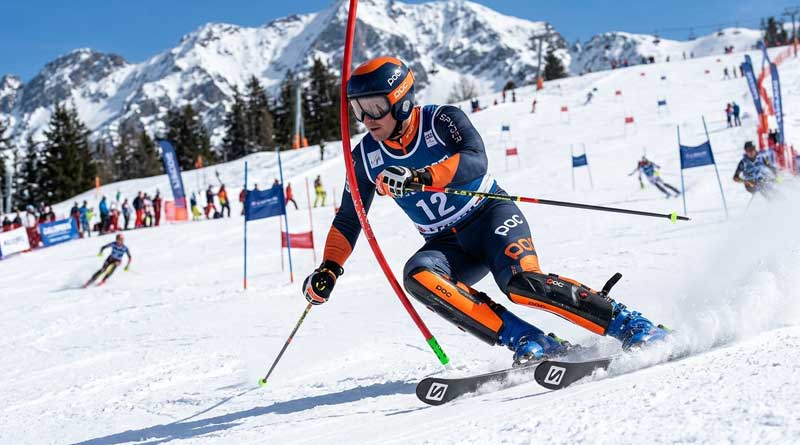
The Zipline World Cup shin guards are a different type of product. Instead of a soft insert, they use a durable thermoplastic shell with high-density ZipGrip foam padding, designed for racers who want high-impact protection from hard contact. The anatomic shape follows the leg, and the shell measures 13 inches long, 4.5 inches wide, and 3.5 inches deep. Its race-proven build suits competitive skiers and serious trainers who need dependable protection.
Adjustable hook and loop straps let you tighten the guards over your leg, so they stay secure through aggressive turns. Straps make fit changes quick between runs. They are a protective guard rather than a comfort insert, so they do not target boot pressure in the same way. They are also bulkier than gel pads, and recreational skiers may find them unnecessary. Available in Medium and Large, they are best for racers, coaches, and gate trainers who prioritize impact protection over comfort inserts.
Pros
- Highest impact resistance
- Adjustable straps
- Medium and Large sizes
Cons
- Bulky for casual skiing
- Does not solve boot fit issues
How to Choose Ski Shin Guards
Choosing the right shin guards starts with understanding why your shins hurt. Shin bang usually comes from stiff boot cuffs pressing against the front of the leg, but the cause may also be a poor fit, extra space inside the boot, or an aggressive forward stance. Once you know the cause, it becomes much easier to match it with the right type of protection, material, and size.
Identify Your Problem First
Not every shin issue needs the same fix. Start by noting when and where the discomfort appears, and whether it improves or worsens as the day goes on.
Shin Bang From Boot Pressure
If pain appears along the front of the leg after a few runs, you likely need cushioning that spreads pressure. Gel pads and foam inserts both work well here. Thicker pads give more protection but take up more room inside the boot, so they suit skiers with a little extra space.
Loose Boots and Excess Volume
If your leg or foot moves around, a volume-reducing foam pad can make the fit snugger. Moldable EVA foam is popular because it fills gaps and adapts to your leg shape over time. A better fit also improves control, since less movement means faster reactions.
Impact From Racing
Racers face hard contact with gates, so a rigid shell with padding is more suitable than a soft insert. These guards protect against impact but do not fix boot fit problems.
Compare Materials
Material changes how a shin guard feels, how long it lasts, and how it fits. Each option has clear strengths, so match it to your priorities.
| Material | Best For | Feel | Bulk |
|---|---|---|---|
| Gel | Pressure relief | Soft and flexible | Low to medium |
| EVA foam | Volume reduction | Firm and moldable | Medium |
| Thermoplastic shell | Impact protection | Rigid | High |
Gel
Gel is soft, conforms to the leg, and disperses pressure evenly. It feels comfortable against bare skin, and many gel pads are self-adhesive and reusable. The downside is that adhesive may irritate sensitive skin and can lose tackiness with dirt or sweat.
EVA Foam
EVA foam is firm, lightweight, and moldable. It offers excellent volume reduction and support, but it may feel less plush than gel.
Thermoplastic Shell
Hard shells provide the highest impact resistance. They are bulky and designed for racing rather than everyday comfort.
Choose the Right Size and Thickness
Fit is the most important factor. A pad that is too large can bunch inside the liner, while one that is too small leaves pressure points exposed.
Length and Width
Measure the front of your shin from just above the ankle to below the knee, then compare it with the pad dimensions. Pads around 6 to 7 inches tall suit most adults, while wider shapes spread pressure better on larger calves. If a brand uses boot size ranges, such as Mondo Point, check your size before buying.
Thickness
Thin pads of about 0.24 inches keep the boot feeling precise. Thicker pads around 10 mm add cushioning but can tighten a boot that already fits snugly. If your boots are roomy, thicker options help fill space. If they are tight, choose slimmer designs.
Consider the Attachment Method
How a shin guard stays in place affects comfort and reliability during a full day of skiing.
- Self-adhesive gel sticks to skin or socks and resists shifting, but may irritate sensitive skin.
- Velcro discs attach to the liner without adhesive, giving a secure hold for foam pads.
- Hook and loop straps allow quick adjustment and suit rigid racing guards.
- Friction inserts slide between the liner and leg, which is simple but can shift over time.
Think About Comfort and Care
Breathable fabric covers help manage moisture and warmth over a full day. Reusable pads should be rinsed with clean water and air-dried to keep their grip. If you have sensitive skin, test a small area first and stop use if irritation occurs.
Quick Checklist
- Identify the cause of your shin pain.
- Match the material to your needs.
- Check size, height, and thickness.
- Pick an attachment method you trust.
- Test the pads in your boots before a big trip.
Match the Guard to Your Skiing Style
| Skier Type | Recommended Type | Reason |
|---|---|---|
| Beginner | Gel pads | Soft comfort and easy use |
| Loose boots | EVA foam | Fills space around the leg |
| Frequent traveler | Multi-pack gel | Spares and reusability |
| Racer | Shell guards | High impact protection |
Final Tips
Try new shin guards on a short outing before a long trip, so you can adjust placement and thickness. Buy a multi-pack if you ski often, since spares are handy when adhesive wears down. Wash and dry pads after each session to keep them fresh and effective.
When to See a Bootfitter
If shin pain continues even with good padding, your boots may not suit your leg shape or stance. A professional bootfitter can adjust the cuff, change the liner, or recommend a better size. Shin guards solve many problems, but they work best alongside properly fitted boots.